Electronic Balance YP SERIES
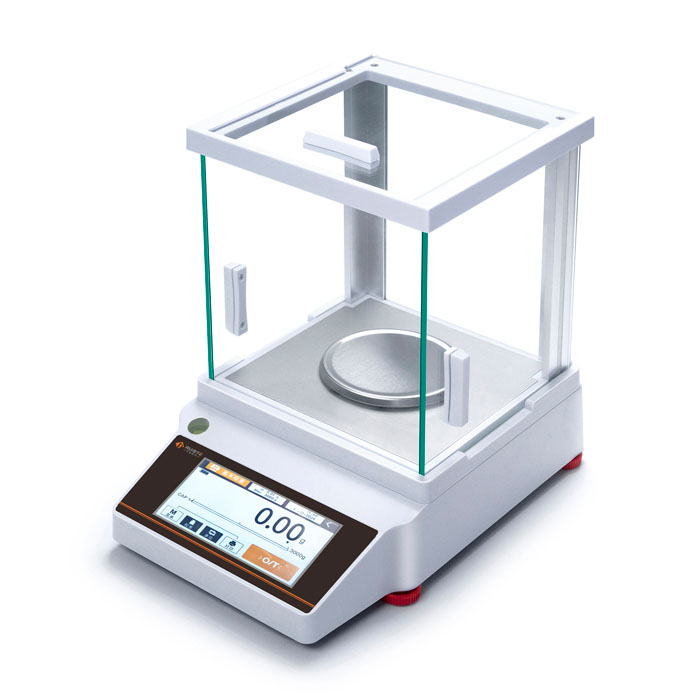
The YP series adopts high-definition keys, which is economical. The entire series of balances adopt Nuosheng sensors, brand sensors, and aluminum alloy structure to ensure high accuracy and stability of weighing results. This series of precision casting ABS Environmental protection materials are designed with one-key switching mode between Chinese and English interfaces. It adopts high-efficiency die-cast aluminum alloy base. The bearing base is stable and solid. The samples of fully transparent glass windshield are clearly visible. The whole machine uses stainless steel table top plate and stainless steel frosted large plate. The resolution is as high as 1.2 million. It adopts high-speed 24bitsad, anti-interference ability, anti-radiation, anti-static and high-static performance, and weighing modes.
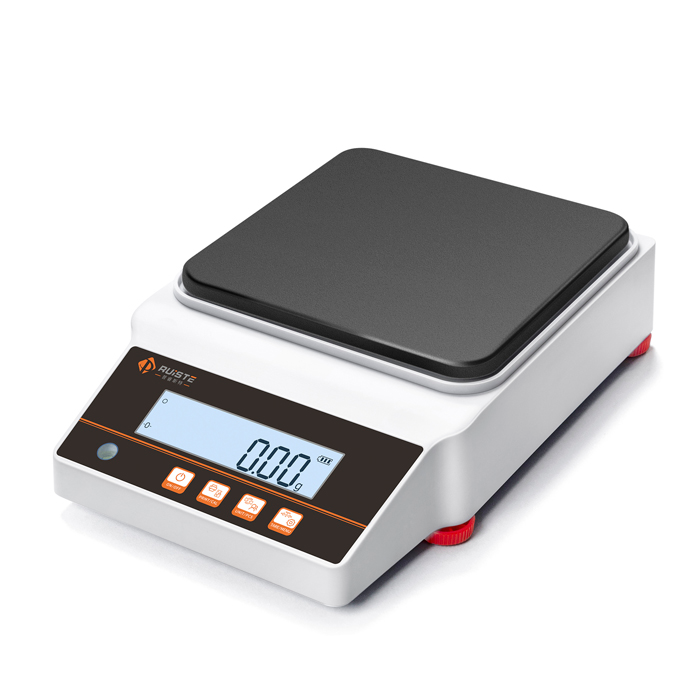
Electronic balance has evolved into a fundamental measuring instrument widely adopted in scientific research, industrial production, quality inspection and academic experimentation fields. Different from traditional mechanical weighing devices that rely on lever balance and manual calibration, this modern measuring equipment realizes mass detection through electronic sensing technology and intelligent signal processing, bringing stable, convenient and high-consistency weighing experience for various precision measurement scenarios. Its core value lies in converting mechanical pressure generated by measured objects into identifiable electronic signals, completing data calculation and output through internal circuit systems, and realizing efficient and accurate mass measurement that is difficult to achieve with traditional mechanical tools.
The working logic of electronic balance is built on electromagnetic force compensation and strain sensing principles, which constitute the core technical support of its stable operation. When a sample or object is placed on the weighing pan, the gravity of the object will produce a downward pressure on the internal sensing component. The built-in sensor captures the tiny displacement and pressure changes generated by the load, and converts these physical changes into continuous analog electrical signals. These initial signals are usually weak and susceptible to external interference, so they need to be transmitted to the internal amplification circuit for signal enhancement. After amplification, the signals are processed, filtered and calculated by the microprocessor, which eliminates interference data generated by environmental fluctuations and mechanical subtle errors, and finally converts effective signals into intuitive digital values displayed on the screen. The whole operation process forms a closed-loop regulation system, which can quickly restore the weighing pan to a balanced state after loading objects, ensuring the stability and authenticity of measurement data.
The overall structure of electronic balance is compact and reasonable, with each component cooperating closely to support continuous and efficient measurement work. The external part is mainly composed of a weighing pan, wind shield and operation panel. The weighing pan is made of stable and corrosion-resistant materials, which can bear uniform load and avoid mass deviation caused by material deformation in long-term use. The wind shield is a key structural design for high-precision measurement, which can block the interference of ambient air flow on the weighing pan, effectively reducing data jitter caused by slight air convection, especially suitable for the measurement of tiny samples with low mass. The operation panel integrates functional keys and a digital display screen, supporting zero clearing, tare weighing, data locking and other basic functions, making daily operation more convenient and efficient. The internal core structure includes precision sensors, signal amplification modules, microprocessor units and power supply stabilization modules. The sensor undertakes the core sensing work of physical signal conversion, while the power supply stabilization module can avoid data fluctuation caused by voltage instability, ensuring the continuity and uniformity of the working state of the instrument.
In practical application, the measurement accuracy and data stability of electronic balance are affected by multiple environmental and operational factors, so standardized operation and environmental control are essential. Ambient temperature is one of the key influencing factors. Too high or too low temperature will cause slight thermal expansion and contraction of internal precision components, changing the stress state of the sensor and leading to measurement deviation. Continuous temperature fluctuation will also make the instrument unable to form a stable calibration state, resulting in inconsistent data of multiple measurements. In addition, ambient humidity also has an impact on the operation of the equipment. Excessively humid environment may cause slight oxidation or damp of internal circuit components, affecting signal transmission efficiency, while too dry environment is easy to generate static interference, interfering with the sensing accuracy of the sensor. Ground vibration is also an important interference factor. Slight vibration generated by surrounding equipment operation or personnel walking will be transmitted to the weighing platform, causing tiny jitter of the weighing pan and affecting the stability of reading data.
Standardized operation steps are the premise to ensure the accurate measurement of electronic balance. Before formal use, the instrument needs to be placed on a horizontal and stable working platform, and the horizontal state is adjusted through the level bubble and adjustable foot pads to avoid measurement errors caused by inclined placement. After power on, the electronic balance needs a certain preheating time to make the internal circuit and sensor enter a stable working state. Long-term idle equipment will have unstable internal electrical signals, and preheating can effectively improve the consistency of measurement data. Before weighing samples, it is necessary to perform zero calibration to eliminate the influence of the self-weight of the weighing pan and residual substances on the pan on the measurement results. When weighing containers such as weighing dishes or beakers are needed, the tare function can be used to deduct the container mass, directly obtaining the net mass of the measured sample. In the weighing process, objects need to be placed gently in the center of the weighing pan to avoid eccentric load. Eccentric placement will cause uneven stress on the sensor, resulting in deviation between measured data and actual mass. It is also necessary to avoid touching the equipment table and operating buttons at will during measurement, so as not to cause human interference to the weighing state.
Compared with traditional mechanical balances, electronic balance has prominent application advantages in multiple dimensions. The mechanical balance needs manual adjustment of weights and repeated calibration, with complex operation steps and long measurement cycle, while the electronic balance can complete signal collection and data output in a short time, with fast response speed and high measurement efficiency. In terms of data presentation, mechanical balance relies on human eye observation of scale lines for reading, which is easy to produce subjective visual errors, while electronic balance directly presents digital results, with clear and objective data and low reading error rate. In terms of repeatability, electronic balance has stable internal structural performance and intelligent error correction function, and the data deviation of multiple repeated measurements for the same sample is small, which can meet the requirements of high-precision experimental data recording. In addition, most electronic balance devices support data storage and output functions, which can record daily measurement data, facilitate subsequent data sorting, analysis and traceability, and provide convenient conditions for experimental research and production quality control work.
Electronic balances have diverse application scenarios, covering precision measurement links in many industries and disciplines. In chemical laboratory research, they are used for accurate weighing of chemical reagents, drug samples and experimental raw materials. Many chemical reaction experiments have strict requirements on the dosage of raw materials, and tiny mass changes will affect the reaction rate and final experimental results. The high-precision measurement capability of electronic balances can ensure the accurate proportioning of experimental materials and improve the reliability of experimental data. In biological and medical research, the equipment is applied to the weighing of biological samples, microbial culture materials and medical test reagents, providing accurate data support for biological experiment analysis and medical detection work.
In industrial production and quality detection fields, electronic balances undertake important detection and metering work. In the processing and production of fine chemicals, electronic components, food and pharmaceutical products, it is necessary to detect the mass of finished products, semi-finished products and raw materials to ensure that product parameters meet production standards. In the quality inspection link of industrial products, staff use electronic balances to sample and test products, screen unqualified products with substandard mass, and control the overall quality of production batches. In addition, in the fields of agricultural detection and environmental monitoring, electronic balances are also used for weighing soil samples, water quality detection residues and plant samples, providing basic data for agricultural research and environmental data analysis.
Daily maintenance and scientific maintenance can effectively extend the service life of electronic balances and maintain long-term measurement accuracy. In daily use, the weighing pan and wind shield need to be kept clean. Residual sample powder, liquid stains and dust attached to the surface will not only affect the measurement accuracy, but also corrode the equipment surface for a long time. It is necessary to clean the surface with soft and dry cleaning tools regularly, and avoid using corrosive cleaning reagents to prevent damage to structural components. When the equipment is not in use for a long time, it should be powered off and covered with a dust cover to prevent dust accumulation and moisture intrusion inside the equipment. In terms of placement, the equipment should be kept away from heat sources, corrosive gases and strong electromagnetic interference environments. Long-term proximity to heat sources will cause aging and deformation of internal precision parts, and corrosive gases will damage circuit structures, while electromagnetic interference will affect signal transmission stability.
Regular calibration and performance inspection are indispensable maintenance links for electronic balances. After long-term use, the internal sensor sensitivity and circuit operating state will have subtle changes, resulting in slight system errors. Regular calibration can correct these accumulated errors and restore the best measurement performance of the equipment. In daily inspection, staff can judge the operating state of the equipment through repeated weighing of fixed samples. If the data fluctuation range increases significantly, it indicates that the equipment may have abnormal performance and needs timely inspection and maintenance. In addition, the power supply state of the equipment should be checked regularly to ensure stable power input, avoid frequent power failure and voltage fluctuation, and reduce the loss of electrical components.
With the continuous progress of electronic technology and precision manufacturing technology, the performance of electronic balances is constantly optimized and upgraded. The sensing technology is more sensitive, the signal processing system is more precise, and the ability to resist external environmental interference is continuously enhanced, enabling the equipment to maintain stable measurement performance in more complex working environments. At the same time, the functional design of electronic balances is more humanized. The operation logic is simpler and easier to understand, the data display is more intuitive, and the auxiliary functions such as automatic zero tracking and fault self-inspection are gradually improved, which reduces the difficulty of operation and maintenance. In the future, with the continuous development of intelligent manufacturing and precision detection industries, electronic balances will be more closely integrated with automated production and intelligent detection systems, realizing unmanned weighing, automatic data uploading and intelligent data analysis, and further expanding their application value in scientific research, industrial production and quality supervision fields. As a basic precision measuring instrument, electronic balance will always play an irreplaceable role in ensuring data accuracy and standardizing measurement standards in various professional fields.
Electronic Balance YP SERIES
https://www.pruiste.com/ajxl/dzrpyp
Post Date: Jun 7, 2026
https://www.supplier-manufacturer.com/counting-weighing-balance/electronic-balance-yp-series.html

![Digital Viscometer NDJ SERIES]()
Digital Viscometer NDJ SERIES
NDJ series viscometer has 2 optional keys and touch screen. The whole series balance adopts high precision sensor, microcomputer control and one key fast measurement. The …![Electronic Balance JA SERIES]()
Electronic Balance JA SERIES
The JA series uses high-definition buttons, and the entire series of balances uses Nuosheng sensors and brand sensors to ensure high accuracy and stability of weighing res…![Online Digital Viscometer]()
Online Digital Viscometer
Viscosity stands as one of the most fundamental physical properties of fluid substances, reflecting the internal frictional resistance that occurs when a fluid flows and d…![Digital Viscometer Supplier]()
Digital Viscometer Supplier
Viscosity stands as one of the most fundamental physical properties of fluid materials, reflecting the internal frictional resistance that occurs when a fluid flows or und…![Portable Digital Viscometer]()
Portable Digital Viscometer
Viscosity stands as one of the most fundamental physical properties of fluid substances, reflecting the internal friction and flow resistance that occurs when liquids move…