Precision Balance Yp-pro Series
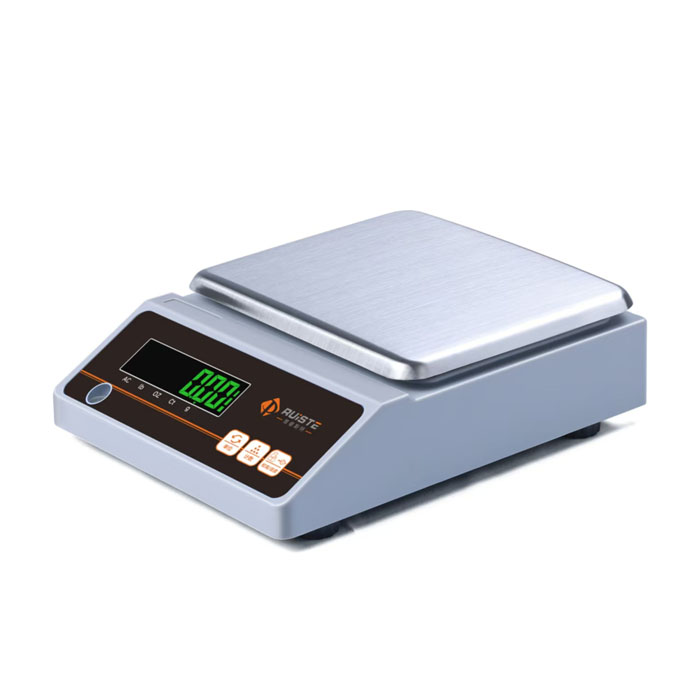
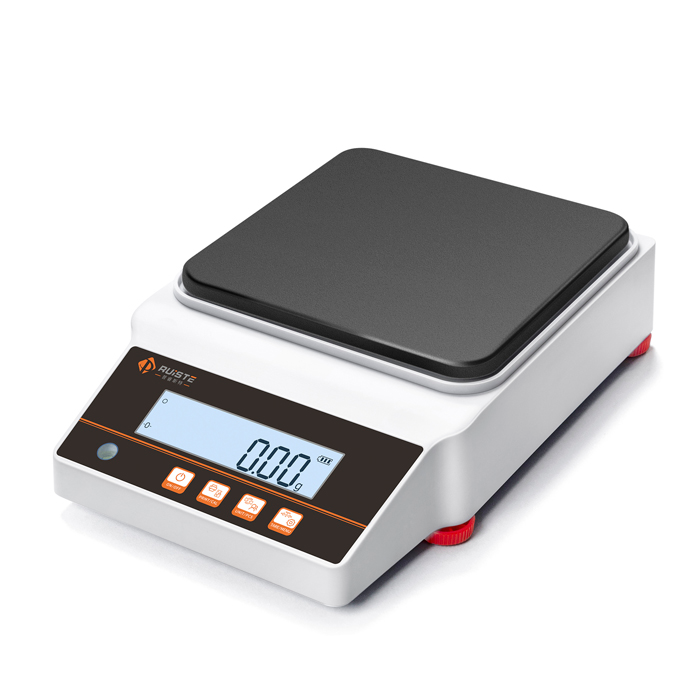
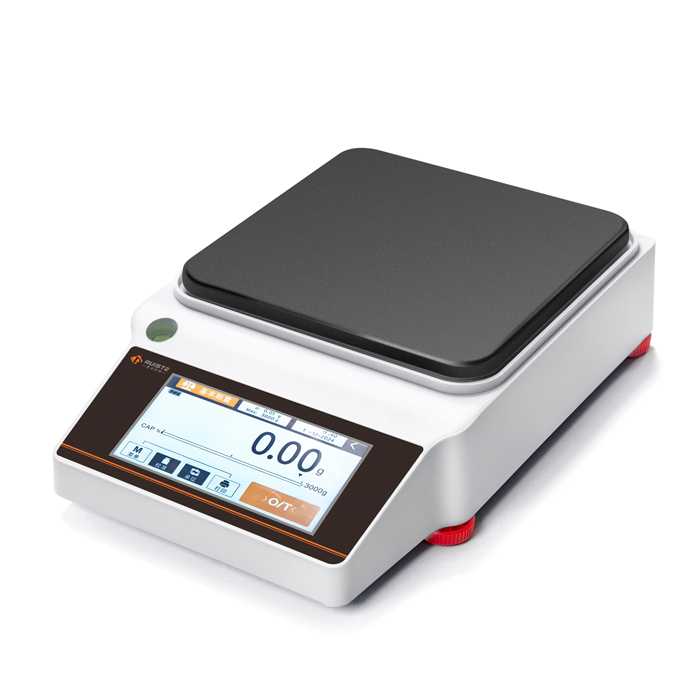
The YP-PRO series adopts the Internet of Things 5-inch color TFT control system integrated touch high-definition screen. The entire series of balances adopt Nuosheng sensors and brand sensors to ensure high accuracy and stability of weighing results. This series of precision casting ABS Environmental protection materials are designed, with one-key switching mode of Chinese and English interface, high-efficiency die-cast aluminum alloy base, stable and solid bearing base, clear and visible samples of fully transparent glass windshield, stainless steel countertop and stainless steel weighing pan, resolution as high as 1.2 million, high-speed 24bitsad, anti-interference ability, anti-radiation, anti-static and high-efficiency, and weighing, counting and weighing modes.
A precision balance stands as an indispensable measuring instrument in modern analytical work, dedicated to determining the mass of substances with refined accuracy. Unlike conventional weighing tools that cater to rough mass measurement, this type of instrument focuses on capturing subtle mass changes that are invisible to ordinary measuring devices. Its significance permeates numerous professional fields, ranging from basic laboratory research to industrial material analysis, where dependable mass data lays the foundation for credible experimental conclusions and standardized production processes. The evolution of precision weighing technology has traversed a long developmental journey, progressing from early mechanical lever structures to contemporary electromagnetic sensing systems, and each technological upgrade has optimized weighing stability and data consistency under complex environmental conditions.
The core working mechanism of modern precision balances predominantly relies on the electromagnetic force balance principle, a sophisticated physical logic that replaces the traditional weight stacking method of mechanical weighing equipment. When a substance is placed on the weighing pan, the bearing structure inside the instrument undergoes tiny displacement caused by the gravitational pull of the sample. High-sensitivity position detectors instantly capture this subtle positional variation and convert the physical displacement into continuous electrical signals. The internal circuit system then dynamically adjusts the current intensity flowing through the movable coil. Within the stable magnetic field generated by permanent magnets, the energized coil produces electromagnetic force that counteracts the gravity of the sample, gradually pulling the mechanical structure back to its initial balanced position. In this working state, the magnitude of current maintains a stable proportional relationship with the mass of the loaded sample. The internal data processing system converts current fluctuations into intuitive mass readings, realizing efficient and accurate mass measurement. Some improved models also incorporate auxiliary optical sensing components to monitor structural micro-deviations, further reducing data errors caused by mechanical vibration.
The structural design of precision balances follows the core logic of stability and sensitivity, with every component meticulously optimized to minimize external interference. The external shell adopts dense and shock-resistant materials, which can effectively isolate fine airflow and minor mechanical vibration in the surrounding space. The transparent windshield structure is a distinctive design for high-precision models; it eliminates the influence of indoor air convection and surface dust on the weighing process, especially suitable for measuring tiny samples with low mass. The weighing pan is usually made of corrosion-resistant and high-hardness metal materials, featuring a smooth flat surface to ensure uniform force bearing of samples and avoid measurement deviation caused by uneven stress. The internal mechanical transmission structure is processed with high-precision craftsmanship, with tiny assembly gaps to reduce mechanical friction during operation. Additionally, the bottom of the instrument is equipped with adjustable supporting feet, allowing operators to calibrate the horizontal state of the balance according to the placement environment, preventing tilt-induced systematic errors.
Environmental factors exert profound influences on the weighing performance of precision balances, making environmental control a key part of standardized operation. Temperature fluctuation serves as one of the primary interference factors; drastic temperature changes can cause thermal expansion and contraction of internal metal components, altering the magnetic field stability and circuit sensitivity, which indirectly affects weighing data. It is generally advisable to place the instrument in a space with mild and constant ambient temperature, avoiding direct exposure to sunlight or cold air from ventilation equipment. Humidity conditions also matter excessively high air humidity may lead to slight moisture condensation on internal electronic components, while an overly dry environment tends to generate static adsorption, both of which disrupt data stability. Moreover, ground vibration and airflow disturbance cannot be overlooked. Places near processing machinery or pedestrian-intensive areas usually have continuous subtle vibrations, and rapid air movement from air conditioners or fans can exert invisible thrust on samples, bringing subtle fluctuations to measurement results.
Precision balances exhibit extensive application value across multiple industries, providing reliable data support for refined operational links. In chemical research laboratories, researchers use such instruments to weigh trace reagents for formulation experiments. Accurate reagent dosage directly affects chemical reaction rates and product yield, and stable weighing data ensures the repeatability of experimental procedures. In pharmaceutical research and production, the instrument assists in measuring raw medicinal materials and auxiliary components. Reasonable proportioning of various ingredients guarantees the uniformity and safety of finished medicinal products, meeting the stringent requirements of pharmaceutical preparation standards. The food industry also relies on precision weighing technology to detect ingredient content in finished products, including trace additives and nutrient elements, to check whether component proportions conform to production specifications.
In material engineering and metallurgical industries, precision balances undertake the testing work of high-purity raw materials and tiny components. Many metal and composite materials have strict control standards for impurity content, and subtle mass differences can reflect material purity quality. By detecting the mass change of samples before and after physical and chemical treatment, researchers can analyze material durability, corrosion resistance and other physical properties. In the field of environmental monitoring, staff use precision weighing equipment to collect and filter tiny particulate matter in air and water samples. The mass data of pollutants helps evaluate environmental pollution levels and provides statistical basis for pollution control plans. Even in the jewelry and precious material trading links, the instrument is used to measure high-value tiny samples, ensuring the fairness of transaction measurement with stable and objective data.
Standardized daily operation and scientific maintenance are essential to prolong the service life of precision balances and maintain measurement accuracy. Before formal use, operators need to complete preheating and horizontal calibration work. Sufficient preheating time can stabilize the internal circuit and magnetic field system, reducing data drift caused by equipment temperature instability. Horizontal calibration relies on the built-in level gauge of the instrument; operators adjust the supporting feet to keep the bubble in the middle position, eliminating tilt errors. During the weighing process, samples should be placed gently in the center of the weighing pan to avoid eccentric pressure on the bearing structure. Overloading the instrument is strictly prohibited, as excessive load will cause irreversible fatigue damage to internal sensing components and affect long-term measurement stability. For samples that are easy to absorb moisture, volatilize or corrode, operators need to use sealed containers for auxiliary weighing to prevent sample loss and component corrosion.
Daily cleaning and storage management also constitute crucial parts of maintenance work. After each use, operators need to wipe the weighing pan and the inner wall of the windshield with soft clean tools to remove residual sample dust and liquid stains. Abrasive cleaning supplies are forbidden to avoid scratching the smooth surface of metal parts and affecting the flatness of the weighing pan. When the instrument is not in use for a long time, it should be covered with a dust cover to prevent fine dust from accumulating in internal gaps, and placed in a dry and ventilated storage space. Regular professional calibration is also indispensable. With the extension of service time, the internal sensing system may have subtle parameter drift. Calibration with standard mass objects can correct systematic errors and restore optimal working performance.
Despite the high measuring accuracy of precision balances, certain inherent limitations still exist in practical application. Extreme environmental conditions such as strong magnetic fields and severe temperature mutations will interfere with the electromagnetic sensing system, making it impossible to maintain stable measurement states. In addition, this type of instrument is not suitable for measuring highly viscous, explosive and strong corrosive raw materials; such samples will damage the internal structure and circuit components. Operators need to select appropriate auxiliary containers and measurement methods according to sample characteristics to balance measurement accuracy and equipment safety. With the continuous progress of manufacturing technology, the comprehensive performance of precision balances is constantly improving. New structural materials and intelligent temperature compensation modules effectively reduce environmental interference, and optimized circuit algorithms shorten data stabilization time, further improving measurement efficiency.
In the context of increasingly refined industrial production and scientific research, the importance of precision balances will continue to rise. All links from experimental research, production processing to quality inspection require high-quality mass measurement data as support. This instrument not only provides accurate numerical values, but also builds a reliable data foundation for technological innovation and product optimization. The reasonable use, standardized maintenance and continuous technological upgrading of precision weighing equipment will further release its application potential in various industries. While pursuing technological progress, it is also necessary to establish standardized usage specifications, cultivate professional operation awareness, and maximize the value of precision measuring instruments through scientific management methods, so as to better serve diverse high-precision measurement needs in various professional fields.
PRECISION BALANCE YP-PRO SERIES
https://www.pruiste.com/cmpxl/jmtpyppro
Post Date: May 7, 2026
https://www.supplier-manufacturer.com/counting-weighing-balance/precision-balance-yp-pro-series.html

![Stainless Steel Counting Scale]()
Stainless Steel Counting Scale
In modern industrial production, commercial circulation and daily material management processes, accurate counting and weighing of bulk small items have become an indispen…![Professional Counting Scale]()
Professional Counting Scale
In modern industrial production, warehouse management, manufacturing processing, and daily business operational workflows, the need to quantify small parts, bulk component…![Industrial Counting Scale]()
Industrial Counting Scale
In the complex and interconnected landscape of modern industrial manufacturing, warehousing logistics, and supply chain operation, the accurate quantification of small par…![Precision Analytical Balance]()
Precision Analytical Balance
In every modern laboratory setting, whether dedicated to chemical research, biological experimentation, pharmaceutical formulation development, material science exploratio…![Electronic Precision Balance]()
Electronic Precision Balance
In modern experimental research, industrial production processing, material performance testing, and fine chemical preparation work, accurate and reliable mass measurement…