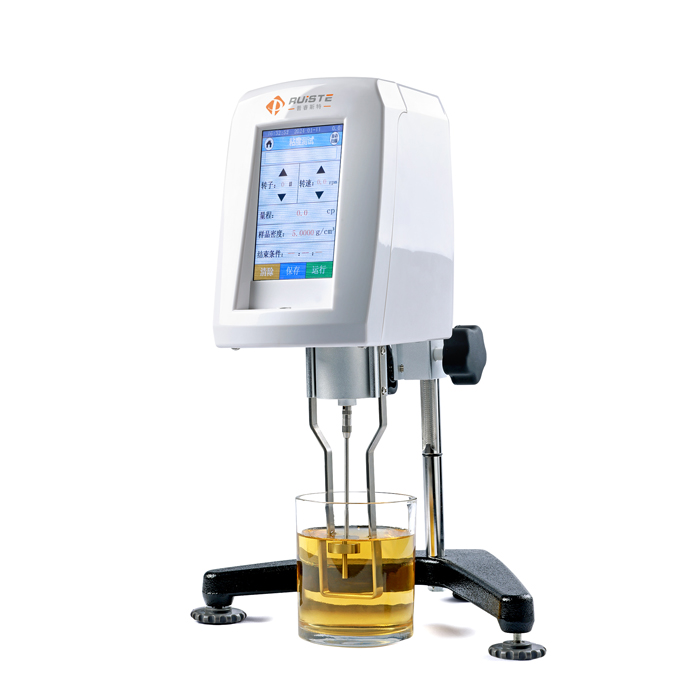
Hanging Electronic Balance
In modern industrial production, laboratory research and bulk material circulation scenarios, the demand for accurate and convenient weight measurement has been continuously escalating. The hanging electronic balance, as a specialized weighing instrument designed for suspended measurement conditions, has gradually become an indispensable measuring tool in many industries by virtue of its unique structural form and reliable measurement performance. Different from desktop weighing equipment that relies on horizontal bearing platforms, this type of electronic balance completes weight detection through a suspended installation structure, which can adapt to complex space environments and diversified weighing objects that conventional measuring instruments cannot handle. Its rational mechanical structure and mature electronic sensing system enable it to maintain stable working conditions in dynamic operating environments, realizing efficient and accurate mass measurement of suspended items. With the continuous upgrading of industrial manufacturing standards and the improvement of precision measurement requirements in scientific research fields, the application scope of hanging electronic balance keeps expanding, covering heavy-duty industrial handling, fine chemical sampling, agricultural product detection and other multiple scenarios, and providing basic data support for production control, quality inspection and data statistics of various industries.
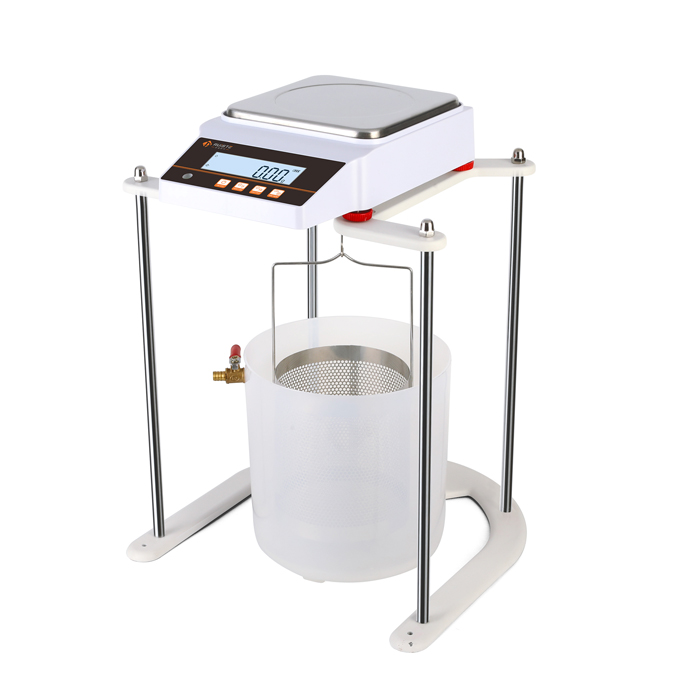
The core working principle of the hanging electronic balance is derived from the electromagnetic force balance compensation mechanism, which is a mature and reliable sensing technology widely adopted in modern electronic weighing equipment. When the measuring equipment is in an idle state, the internal electromagnetic system maintains a stable force balance, and the current inside the coil remains at a fixed initial value to keep the suspension structure at the zero position. Once the measured object is hung on the bottom hook of the balance, the gravity of the object will cause slight displacement and deformation of the internal force-bearing sensor. The high-sensitivity position detector can instantly capture this tiny mechanical displacement and convert the physical change into a continuous electrical signal. The built-in circuit system will dynamically adjust the current intensity in the coil according to the real-time signal, generating an electromagnetic force equal to the gravity of the measured object to offset the tensile force brought by the load, so that the internal mechanical structure can return to the initial balanced state. In this working process, the current intensity passing through the coil presents a stable proportional relationship with the mass of the measured object. The internal data processing module converts the collected current signal into intuitive mass data through analog-to-digital conversion and algorithm calculation, and finally presents the weighing result on the display component. This non-mechanical lever weighing method effectively reduces the measurement errors caused by mechanical friction and structural wear, laying a solid foundation for the long-term stable operation of the equipment.
The overall structure of the hanging electronic balance follows the design concept of compact integration and mechanical stability, and the whole machine is composed of multiple functional modules with clear division of labor. The external bearing part includes a top suspension ring and a bottom hanging hook, both of which are made of high-strength metal materials with excellent tensile resistance and fatigue resistance. The suspension ring is used to fix the balance on cranes, support frames and other bearing structures, while the hanging hook is responsible for carrying the measured objects. The two components adopt an integrated connection structure with the main body to avoid measurement deviation caused by loose assembly during long-term suspension use. The middle main body shell is made of high-hardness engineering materials, which can isolate external dust, moisture and mechanical impact, and protect the internal precision electronic components from environmental interference. Inside the shell, the core components such as the force sensor, electromagnetic coil, position detector and data processing circuit are arranged neatly. The sensor is the key force-bearing component, which can accurately sense tiny tensile changes and ensure the sensitivity of data acquisition. The peripheral auxiliary structures include a digital display screen, physical operation buttons and an energy supply module. The display screen is designed with high-definition backlight, which can clearly present data in low-light environments. The simple button layout realizes basic functional operations such as zero clearing, tare removal and data locking. The energy supply part adopts a combined power supply mode of built-in rechargeable battery and external power access, which can meet the needs of mobile use and long-term fixed operation respectively, effectively improving the environmental adaptability of the equipment.
In terms of functional performance, the hanging electronic balance has many practical characteristics that adapt to actual application scenarios. First of all, it has excellent measurement stability. The closed-loop electromagnetic control system can quickly complete force balance adjustment, effectively suppress data fluctuation caused by slight shaking of suspended objects, and keep the weighing data in a stable state. Secondly, the equipment has diversified built-in measurement functions. The tare clearing function can automatically deduct the weight of auxiliary containers and binding tools, so as to obtain the net mass of the measured items. The data accumulation function can record the weighing results of multiple batches of items, which is convenient for centralized statistical counting. The data locking function can fix the instantaneous measured value on the display screen, preventing the data from jumping and being difficult to read when the object shakes. In addition, most hanging electronic balances are equipped with an intelligent power management system. When the equipment remains idle for a certain period of time, it will automatically enter the low-power standby state to reduce energy consumption and extend the service life of the battery. The surface of the metal stress components is treated with anti-corrosion and anti-rust technology, which can resist the erosion of humid air and weak corrosive substances, and maintain good structural performance in harsh working environments such as warehouses and chemical workshops.
The application scenarios of hanging electronic balance cover a wide range of industries, showing strong practical applicability. In industrial manufacturing and logistics transportation industries, this equipment is often matched with cranes and lifting equipment to complete the weighing of large-scale raw materials, semi-finished products and bulk goods. In the handling process of metal materials, building materials and mechanical parts, suspended weighing avoids the space limitation of fixed weighing platforms, realizing synchronous completion of handling and weighing, which effectively improves the circulation efficiency of goods. In chemical and pharmaceutical laboratories, small and medium-sized hanging electronic balances are used for sampling and detecting granular, block-shaped and specially shaped chemical reagents. The suspended installation method can prevent corrosive reagents from contacting the equipment shell to the greatest extent, reducing the risk of component damage. In agricultural production and commodity inspection links, the equipment is applied to the weighing of agricultural products such as grain, aquatic products and livestock products. It can adapt to the wet and complex working environment of agricultural markets and processing plants, and provide accurate weight data for commodity trading and quality grading. In addition, in the fields of building detection and material research, researchers use hanging electronic balances to detect the self-weight and tensile resistance of new materials, providing accurate experimental data for material performance analysis and structural optimization.
Standardized operation and scientific daily maintenance are crucial to maintain the measurement accuracy and service life of the hanging electronic balance. Before formal use, it is necessary to place the equipment in a suitable working environment, avoiding direct exposure to strong sunlight, severe vibration and strong electromagnetic interference sources. The suspension position should keep the balance in a vertical state to prevent lateral shear force from affecting the sensor accuracy. During the zero calibration process, the equipment needs to be kept in an idle suspended state, and the zero clearing operation should be carried out after the data is completely stable to ensure the benchmark accuracy of subsequent measurement. In the weighing process, the measured object should be smoothly hung on the center of the hook, and violent throwing and collision should be avoided. Excessive load beyond the measuring range is strictly prohibited, so as to prevent permanent deformation and damage of the internal sensor. After the daily use is completed, the surface dust and attachments of the equipment should be wiped with a dry soft cloth. Special attention should be paid to keeping the movable connection parts of the suspension structure clean and smooth to avoid jamming caused by dust accumulation. For the energy supply system, the battery should be charged regularly during idle periods to prevent capacity attenuation caused by long-term power loss. It is necessary to store the equipment in a dry and ventilated environment, and regularly check the tightness of the connecting parts and the sensitivity of the electronic system, so as to eliminate potential hidden dangers such as loose structure and delayed data response in advance.
Compared with traditional mechanical hanging weighing tools, modern hanging electronic balances have obvious advantages in multiple dimensions. The mechanical weighing equipment relies on counterweight combination and lever force transmission, which requires manual reading and calculation. The operation process is cumbersome, and the measurement error is easily affected by mechanical friction and human factors. While the electronic hanging balance adopts electronic sensing and intelligent data processing technology, which can directly display accurate digital results without manual calculation, simplifying the operation steps and shortening the measurement time. In terms of structural volume, the optimized integrated design makes the electronic balance smaller in size and lighter in weight under the same measuring range, which is convenient for carrying and position adjustment. In terms of data expandability, some improved hanging electronic balances are equipped with data transmission interfaces, which can upload real-time weighing data to terminal equipment such as computers. It is convenient for enterprises to establish electronic data archives, realize traceable management of measurement data, and provide reliable data support for production scheduling and quality supervision. Although the electronic equipment has higher requirements for daily maintenance than mechanical products, its long-term use cost and measurement stability are more in line with the efficient operation needs of modern industries.
With the continuous progress of electronic sensing technology and intelligent manufacturing technology, the development direction of hanging electronic balance is gradually moving towards high precision, intelligent integration and environmental adaptability optimization. The upgrading of sensor components further reduces the lower limit of measurable mass and enhances the identification ability of tiny mass changes. The intelligent algorithm system can automatically identify abnormal data such as violent shaking and overload, and feed back prompt information to users through the display screen, improving the safety of operation. In terms of environmental adaptation, improved products can work stably in a wider temperature and humidity range, and the dust-proof and waterproof performance of the shell is continuously optimized to adapt to more complex industrial and outdoor working conditions. At the same time, the humanized design is constantly optimized. The equipment is equipped with more convenient operation logic and clearer data display mode, which reduces the operation threshold for staff without professional training.
As a basic measuring instrument integrating mechanical structure and electronic sensing technology, the hanging electronic balance undertakes the important task of weight measurement in many professional fields. Its unique suspended weighing form makes up for the application limitations of conventional horizontal weighing equipment, and its stable electronic control system ensures the authenticity and effectiveness of measurement data. From bulk industrial goods circulation to fine laboratory sampling, from daily commodity detection to new material performance research, this kind of equipment provides reliable technical support for the orderly development of various industries. In the future, with the continuous innovation of manufacturing technology and the continuous improvement of industry measurement standards, the comprehensive performance of hanging electronic balance will be further optimized. It will keep pace with the development of modern industry and scientific research, continuously expand its application boundary, and become an indispensable basic measuring tool in the field of precision quality detection.
Hanging Electronic Balance
https://www.pruiste.com/electronic-balance.html
Post Date: May 13, 2026
https://www.supplier-manufacturer.com/electronic-balance/hanging-electronic-balance.html

![Laboratory Counting Scale]()
Laboratory Counting Scale
In modern scientific research, industrial quality control, pharmaceutical formulation development, agricultural material testing, and chemical analysis laboratories, the a…![Body Weighing Scale]()
Body Weighing Scale
In the fast-paced rhythm of modern daily life, people often focus heavily on busy work schedules, daily social engagements, and various trivial household matters, easily o…![High-capacity Analytical Balance]()
High-capacity Analytical Balance
In modern laboratory operations, industrial formulation processes, material research and quality control workflows, accurate mass measurement stands as one of the most fou…![Analytical Precision Balance]()
Analytical Precision Balance
In every modern laboratory setting where quantitative measurement forms the foundational backbone of experimental work, material research, and routine analytical procedure…![What is Digital Viscometer]()
What is Digital Viscometer
In the entire process of modern industrial production, scientific research experiments and quality control, fluid viscosity is a core key indicator for measuring the physi…