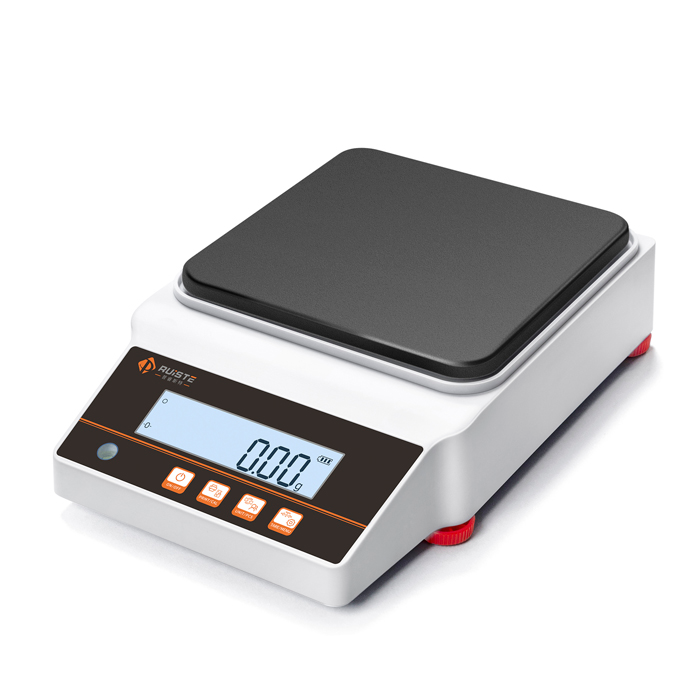
High-precision Balance
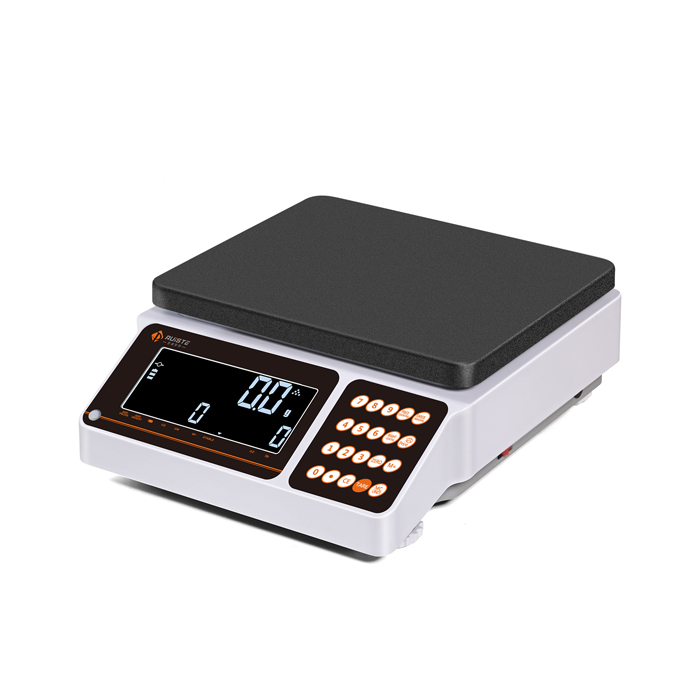
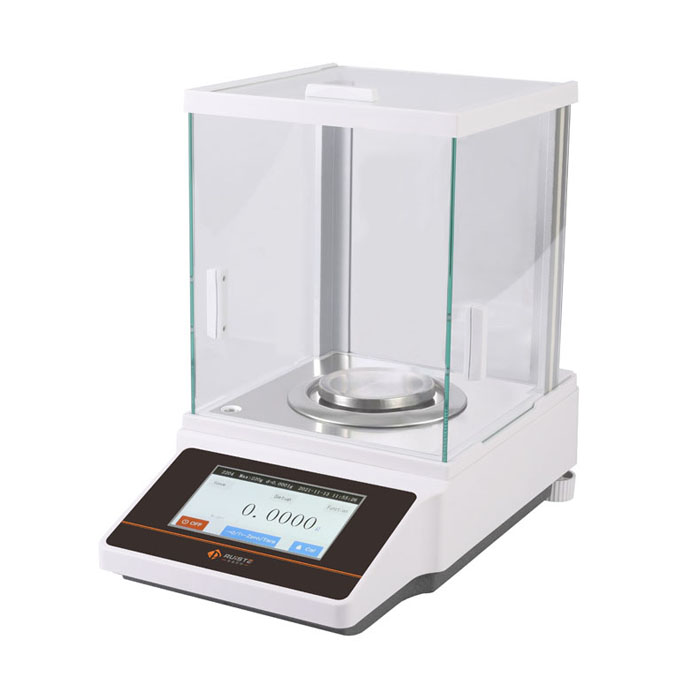
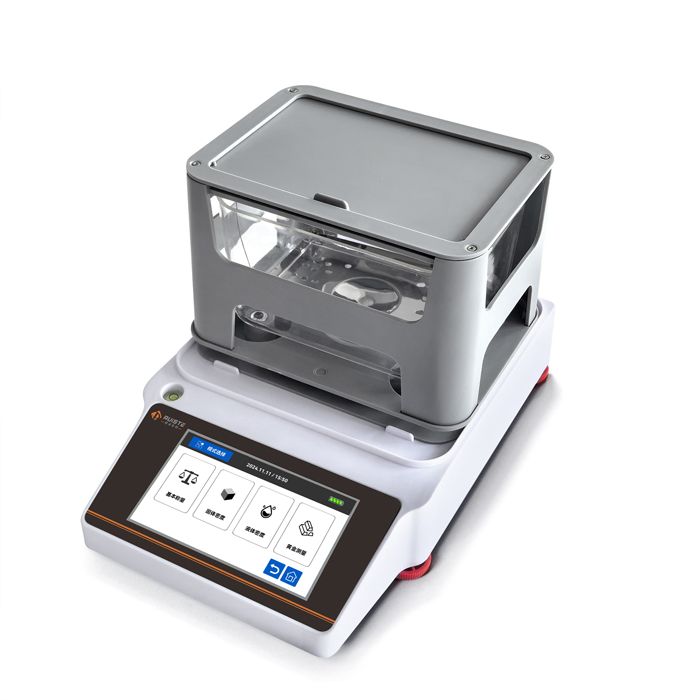
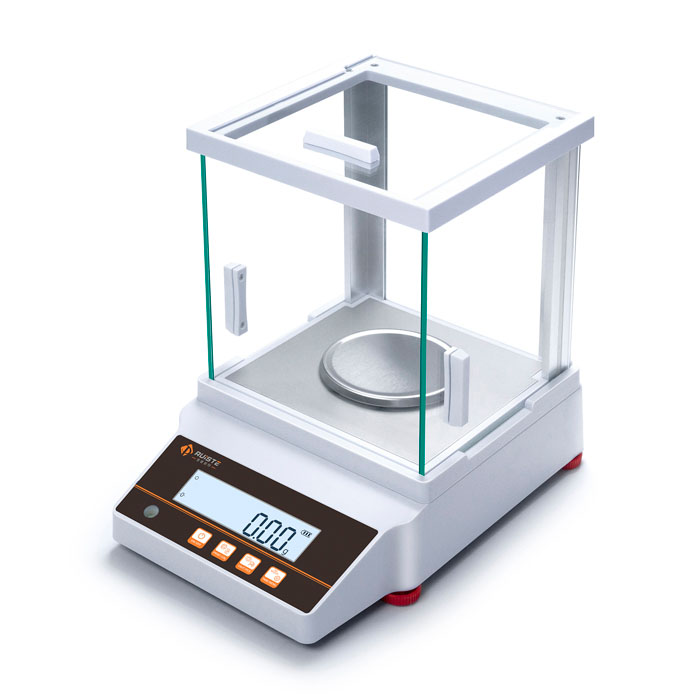
In every corner of modern scientific research, industrial production, environmental monitoring, and pharmaceutical development, the pursuit of accurate mass measurement has always been an indispensable basic link that determines the reliability of experimental data, the stability of production processes, and the credibility of final detection results. A high-precision balance stands as a fundamental precision instrument designed to capture subtle changes in mass that ordinary weighing devices cannot perceive, bridging the gap between macroscopic material observation and microscopic quantitative analysis. Unlike conventional weighing tools that only meet rough measurement needs for daily life or simple industrial screening, this type of balance is engineered to respond to extremely tiny load variations, delivering consistent and repeatable measurement data even when dealing with trace samples and subtle material proportioning work. Its existence is not merely a tool for reading numerical values, but a reliable guarantee for all work links that rely on mass quantification, supporting the steady progress of various professional fields that require rigorous data support and standardized operation processes.
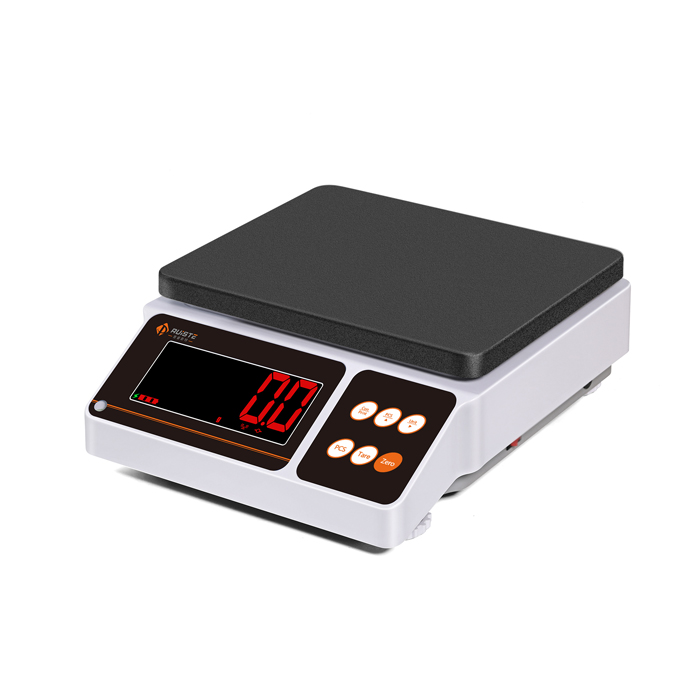
The core working mechanism of modern high-precision balances abandons the traditional mechanical lever weight stacking mode adopted by early weighing equipment, and relies on a mature and efficient electromagnetic force balance compensation principle to achieve real-time dynamic weighing and accurate feedback. When a sample is steadily placed on the weighing pan of the balance, the gravity generated by the sample mass will drive the internal load-bearing structure connected to the weighing pan to produce extremely subtle micro-displacement that is almost imperceptible to the human eye. The high-sensitivity position detection component inside the instrument can instantly capture this slight displacement change and convert the physical position deviation into a continuous and stable electrical signal, which is then transmitted to the built-in high-precision servo control circuit for rapid processing and analysis. The intelligent circuit system immediately adjusts the current intensity passing through the internal electromagnetic coil according to the real-time signal data, enabling the coil to generate an electromagnetic force that is equal in magnitude and opposite in direction to the gravity of the measured sample. This real-time adjustment process will continuously iterate until the internal load-bearing structure returns to the initial balanced zero position, forming a closed-loop dynamic balance regulation state throughout the whole process. In this stable working state, the current flowing through the electromagnetic coil maintains a strict positive proportional relationship with the mass of the measured sample, and the internal data processing system converts the precise current change value into an intuitive mass numerical display through professional algorithm calculation and calibration, completing the entire high-precision weighing process efficiently and accurately within a very short response time.
The internal structural design of a high-precision balance focuses on anti-interference performance, structural stability and long-term measurement consistency, and every key component is carefully selected and optimized to adapt to the demanding requirements of precision measurement scenarios. The load-bearing core structure usually adopts special high-performance ceramic materials with an extremely low thermal expansion coefficient, which can effectively reduce the structural deformation caused by ambient temperature fluctuations and avoid measurement errors caused by material thermal expansion and contraction. The elastic connection components matched with the ceramic bearing structure are designed with high toughness and low fatigue loss characteristics, ensuring that the structure can maintain stable reset performance after long-term repeated weighing operations without structural loosening or displacement deviation. The weighing pan, which is in direct contact with the measured sample, is made of smooth, corrosion-resistant and static-proof metal materials, which not only prevents chemical corrosion from different types of samples affecting the surface flatness, but also avoids static adsorption of tiny particulate samples that may lead to inaccurate weighing data. The external protective shell and internal sealed structure are designed to isolate the interference of external air convection, dust accumulation and accidental human touch on the weighing process, creating a relatively stable internal working environment for the core sensing and signal processing components. In addition, the internal digital signal processing module is equipped with multi-level noise reduction and data filtering functions, which can automatically eliminate random signal fluctuations generated by subtle environmental vibrations and weak electromagnetic interference, further improving the stability and accuracy of final measurement data output.
Environmental factors are crucial variables that directly affect the weighing performance of high-precision balances, and even minor changes in the surrounding working environment may cause measurable deviations in final weighing results if not properly controlled. Ambient temperature is one of the most influential factors; continuous temperature changes will not only cause slight deformation of the internal mechanical structure of the balance, but also affect the working state and signal transmission accuracy of the electromagnetic sensing components. Humidity in the working environment also plays an important role, as excessive air humidity may lead to moisture condensation on internal precision components and sample surface adhesion, while overly dry air is prone to static electricity generation, both of which will interfere with the normal weighing process and reduce data repeatability. Air convection in the working space is another key interference source, and even subtle air flow generated by personnel walking, air conditioning operation or door opening and closing can affect the stability of the weighing pan and tiny samples, resulting in unstable floating of displayed numerical values. Therefore, high-precision balances are usually placed in independent closed working areas with stable temperature and humidity control, equipped with special windproof cover structures to isolate external air flow interference. Before formal use, the instrument needs a sufficient preheating period to make internal electronic components and mechanical structures reach a stable working state, and regular zero-point calibration and linear calibration are required according to actual use frequency and environmental changes to eliminate cumulative system errors and ensure that each weighing operation is carried out under consistent and standardized basic conditions.
In chemical analysis laboratories, high-precision balances have become an essential basic equipment for all quantitative experimental work, undertaking core weighing tasks related to reagent preparation, standard solution calibration and sample component detection. In conventional chemical quantitative analysis experiments, the accurate preparation of standard reagents and benchmark substances directly determines the accuracy of subsequent chemical reaction measurement and component content calculation. Even tiny mass errors in the initial reagent weighing process will be continuously amplified with the progress of experimental dilution, reaction and titration, eventually leading to serious deviation of final experimental detection data and affecting the validity of the entire experimental conclusion. For trace chemical analysis and trace impurity detection experiments, the application value of high-precision balances is more prominent, as these experiments often require accurate weighing of micro-scale solid samples and high-purity standard substances with extremely small mass. Only by relying on the ultra-high sensitivity and stable measurement performance of high-precision balances can laboratory personnel ensure that the sample dosage meets the experimental design requirements, maintain the precision of chemical reaction stoichiometric relationships, and provide reliable basic data for qualitative and quantitative analysis of chemical components in various samples.
The pharmaceutical and biological research fields also rely heavily on high-precision balances to support product research and development, raw material proportioning and experimental sample testing work. In pharmaceutical formula development and raw material preparation links, the content of active functional ingredients in many pharmaceutical products is extremely low, and the therapeutic effect and safety of drugs are directly related to the precise proportion of various raw materials. Accurate weighing of various raw material components through high-precision balances can avoid insufficient efficacy or potential safety risks caused by excessive or insufficient addition of key ingredients, ensuring the stability and consistency of pharmaceutical formula ratios in each production batch. In biological laboratory research, the weighing and preparation of microbial culture media, enzyme preparations, protein samples and biological reagents all require precise mass measurement support. Many biological experimental samples have small mass and high activity requirements, and inaccurate weighing will affect the growth state of experimental strains, the activity of biological reagents and the final experimental observation results. In vaccine research and development, biological sample detection and cell culture related work, high-precision balances provide accurate data basis for the exploration of biological experiment parameters and the verification of experimental results, promoting the smooth progress of life science research and pharmaceutical innovation and upgrading.
Environmental monitoring and ecological protection work also cannot do without the accurate measurement support provided by high-precision balances, which undertakes the core weighing work of various environmental samples and pollutant detection carriers. In air quality monitoring work, it is necessary to weigh the filter membrane before and after adsorbing air particulate pollutants, and calculate the content of suspended particulate matter in the air through the subtle mass difference of the filter membrane before and after use. This mass difference is often extremely small, and only high-precision balances can accurately capture such tiny mass changes and provide accurate basic data for evaluating air pollution levels. In water environment and soil monitoring projects, laboratory personnel need to weigh sediment samples, soil samples and water body pretreatment solid residues, and accurately calculate the content of heavy metal elements and chemical pollutants in the environment through precise sample mass data combined with subsequent detection and analysis. The accurate data obtained by high-precision weighing provides a reliable scientific basis for judging environmental pollution degrees, formulating targeted environmental protection governance measures and evaluating the effectiveness of ecological restoration work, and plays an important supporting role in promoting standardized environmental management and ecological protection.
In the field of industrial production and quality control, high-precision balances are widely used in product raw material proportioning, finished product quality inspection, accessory processing detection and other links, helping various industries stabilize production quality and optimize product performance. In the food processing industry, the precise proportioning of food raw materials, additives and nutritional fortifiers directly affects the taste, nutritional components and shelf life of products. Accurate weighing through high-precision balances ensures that the product formula of each production batch remains consistent, avoiding product quality fluctuations caused by uneven raw material proportioning. In the new material and fine chemical industry, the research and production of various high-performance new materials require precise weighing of various chemical raw materials and modified components. Tiny changes in material ratio will directly affect the physical properties, chemical stability and service life of new materials. High-precision weighing ensures that the material formula meets the design standards and the performance of finished products reaches the expected requirements. In the precision parts processing and manufacturing industry, high-precision balances can be used to detect the weight consistency of processed parts, screen unqualified products with subtle weight deviations caused by processing errors, and ensure the assembly accuracy and overall performance stability of mechanical equipment.
Daily standardized maintenance and correct operation habits are key to maintaining the long-term stable performance and prolonged service life of high-precision balances, and good management can effectively avoid performance attenuation and measurement accuracy degradation caused by improper use. Daily cleaning work needs to be carried out regularly, and dust, sample residues and dirt on the weighing pan and internal windproof structure should be gently cleaned with professional soft cleaning tools to prevent dust accumulation from affecting the flexibility of internal mechanical structures and the sensitivity of sensing components. The balance should be placed on a stable and horizontal working table for a long time, avoiding placement in positions with vibration, direct sunlight or strong electromagnetic radiation interference to prevent external adverse factors from affecting internal structural stability and signal transmission accuracy. Operators need to follow standardized operation procedures when using the balance, avoiding placing super-range samples on the weighing pan, preventing liquid samples from splashing into the inside of the instrument, and avoiding frequent movement and collision of the instrument during use. After each use, the weighing pan should be cleaned in time, and the instrument should be kept in a dry and stable storage state. Regular professional calibration and performance testing should be carried out according to the use cycle to timely adjust and correct slight measurement deviations, ensuring that the balance can always maintain good working performance and each weighing data is true, effective and repeatable.
With the continuous progress of modern science and technology and the continuous upgrading of precision manufacturing technology, high-precision balance products are also developing steadily towards more stable performance, stronger anti-interference ability and more intelligent operation experience. While maintaining core weighing accuracy, modern high-precision balances are gradually integrating intelligent data recording, automatic data storage, remote data transmission and automatic error prompt functions, which can automatically record weighing data in real time, avoid manual recording errors, and facilitate laboratory and industrial production personnel to trace and manage experimental data and production records. At the same time, the optimization of internal structural materials and the upgrading of anti-interference technology enable high-precision balances to adapt to more complex working environments, reducing the requirements for external placement conditions on the premise of ensuring measurement accuracy, and expanding the application scope of the equipment in different professional fields. As the basic equipment of precision measurement, high-precision balances will always uphold the core concept of accurate measurement and stable operation, continuously provide solid and reliable data support for scientific research exploration, industrial upgrading, environmental protection monitoring and pharmaceutical safety, and become an indispensable and important basic guarantee for the continuous development and innovation of various modern professional fields.
High-precision Balance
https://www.pruiste.com/precision-balance.html
Post Date: May 5, 2026
https://www.supplier-manufacturer.com/precision-balance/high-precision-balance.html

![Portable Laboratory Balance]()
Portable Laboratory Balance
In modern scientific research, industrial production, and daily analytical testing, accurate mass measurement serves as one of the most fundamental and essential experimen…![Types of Laboratory Balance]()
Types of Laboratory Balance
Laboratory balances are fundamental measuring instruments used across scientific research, industrial testing, pharmaceutical development, environmental analysis, and educ…![Analytical Balance Factory]()
Analytical Balance Factory
An analytical balance factory serves as a fundamental manufacturing base for producing high-precision weighing instruments that underpin numerous scientific, industrial, a…![Explosion-proof Analytical Balance]()
Explosion-proof Analytical Balance
In modern industrial production and scientific research fields that involve flammable and combustible substances, the demand for high-precision weighing equipment with enh…![Attribute of Precision Balance]()
Attribute of Precision Balance
A precision balance stands as a fundamental measuring instrument designed to determine the mass of substances with refined measuring capability, serving as an indispensabl…