Analytical Electronic Balance
In every modern scientific laboratory that relies on accurate quantitative data and rigorous experimental outcomes, the analytical electronic balance stands as an indispensable foundational instrument, serving as the core guarantee for all kinds of gravimetric measurement and material quantification work. Unlike basic weighing devices designed for rough mass estimation in daily scenarios or simple industrial preliminary screening, this sophisticated piece of laboratory equipment is engineered specifically to deliver consistent, repeatable, and high-resolution mass readings that form the bedrock of reliable experimental research, material testing, and analytical detection across numerous professional fields. Every quantitative experiment, whether it involves preparing precise reagent formulations for chemical reactions, measuring trace biological samples for life science research, analyzing material composition for new product development, or conducting environmental sample detection for pollution monitoring, depends heavily on the stable and accurate performance of the analytical electronic balance. Even minor deviations in mass measurement during the initial experimental preparation stage can accumulate and amplify throughout the entire experimental process, ultimately leading to distorted experimental data, invalid research conclusions, and ineffective follow-up research or testing work, which highlights the irreplaceable role of this precision instrument in maintaining the scientific rigor and practical credibility of all laboratory-related work.
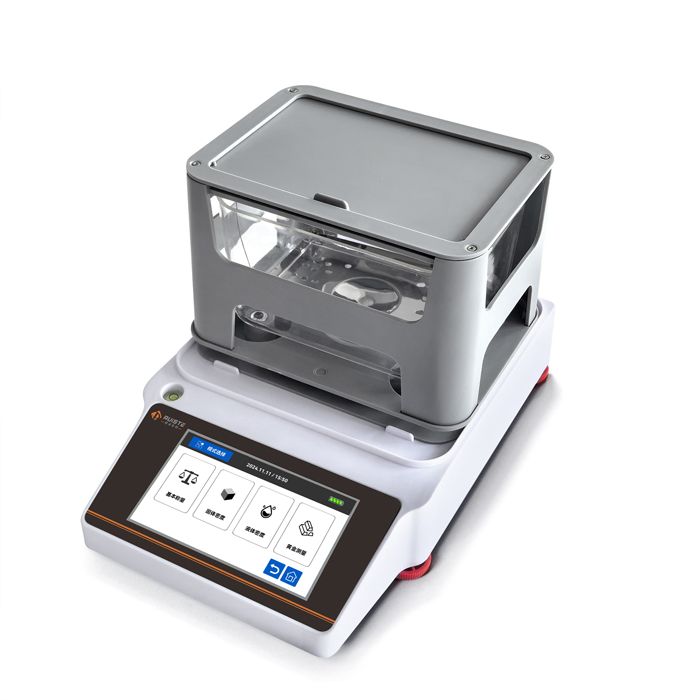
The core operational logic of the analytical electronic balance is built upon the electromagnetic force compensation balance principle, a mature and reliable technical mechanism that has gradually replaced traditional mechanical balance structures with cumbersome manual weight stacking and complex lever adjustment processes. The internal structural design of the instrument centers on a high-sensitivity electromagnetic force sensor, which serves as the key functional component connecting mechanical load bearing and electrical signal conversion. Under the initial no-load state, the internal lever system and load-bearing structure of the balance remain in a stable horizontal equilibrium position, with the internal precision displacement sensor maintaining a steady signal output state and no additional compensation current required for the internal coil assembly. When a sample or object to be weighed is gently placed on the central position of the weighing pan, the gravity generated by the mass of the measured object acts directly on the rigidly connected load-bearing support and coil structure inside the balance, causing an extremely tiny and subtle downward displacement of the entire load-bearing system. This slight displacement is almost imperceptible to the human eye, but it can be instantly and accurately captured by the high-precision photoelectric displacement sensor installed inside the instrument, which immediately converts the detected mechanical displacement change into a corresponding weak electrical signal and transmits it to the built-in microprocessor control system of the balance.
Once the microprocessor receives the displacement electrical signal, the closed-loop automatic feedback regulation system embedded in the balance starts to operate rapidly and continuously, calculating the magnitude of electromagnetic force required to counteract the gravity of the measured object in real time. The system automatically adjusts the current intensity flowing through the coil placed in the stable permanent magnetic field inside the instrument, and the energized coil generates a reverse electromagnetic force under the action of the magnetic field. This reverse force acts on the load-bearing lever system, gradually offsetting the downward pressure caused by the weight of the sample, and gradually pulls the entire mechanical structure back to the original initial equilibrium position. The core technical advantage of this working mode lies in that the current intensity needed to restore the mechanical balance of the internal structure maintains a strict linear proportional relationship with the mass of the measured object. After the microprocessor collects and processes the stable current data, it completes a series of digital conversion and data correction operations, and finally converts the electrical signal data into intuitive and accurate mass numerical values, which are displayed clearly on the high-definition digital display screen of the balance for laboratory operators to record and use directly.
The overall structural design of the analytical electronic balance fully takes into account the dual core demands of ensuring high measurement accuracy and resisting external environmental interference, with every component designed and manufactured with strict precision standards to meet the stringent requirements of trace and micro mass measurement. The external part of the instrument is equipped with a transparent protective windproof cover, a necessary structural configuration for normal high-precision weighing work. Even slight air flow in the laboratory environment, such as natural air convection, personnel walking-induced air movement, or gentle wind from ventilation equipment operation, will produce tiny air pressure impacts on the surface of the weighing pan and the measured sample, causing real-time fluctuation of weighing data and affecting the stability and accuracy of measurement results. The closed windproof cover effectively isolates the internal weighing space from the external air flow environment, maintaining a stable and static air state inside the weighing chamber and eliminating the interference of air flow on tiny mass measurement. The weighing pan, usually made of corrosion-resistant and high-hardness metal materials, adopts a compact and flat structural design to ensure that the measured sample can be placed stably and the gravity of the sample can be evenly transmitted to the internal load-bearing structure, avoiding measurement errors caused by uneven stress or pan deformation.
The internal core components, including the electromagnetic force sensor, precision displacement detector, microprocessor control module, and signal transmission circuit, are all installed inside a shockproof and sealed protective shell. This internal protection structure can effectively reduce the impact of external mechanical vibration, such as ground vibration caused by nearby experimental equipment operation and personnel walking, on the internal precision mechanical and electronic components. At the same time, the sealed design can also prevent laboratory dust, moisture, and corrosive chemical volatile gases from entering the inside of the instrument, avoiding component aging, circuit short circuit, or sensor sensitivity reduction caused by long-term erosion of harmful substances, and thus prolonging the stable service life of the analytical electronic balance and maintaining consistent measurement performance in long-term daily use. In addition, the bottom of the instrument is equipped with adjustable horizontal support feet and a built-in horizontal bubble indicator, allowing operators to finely adjust the horizontal state of the balance before each use. Keeping the instrument in a standard horizontal working state is a basic prerequisite for accurate weighing, as tilting placement will cause unbalanced stress on the internal lever and sensor structure, resulting in systematic deviation of weighing data and affecting the reliability of experimental measurement.
Analytical electronic balances have a wide range of application scenarios, covering almost all professional laboratory fields that require precise mass quantification, and their application value runs through the whole process from basic experimental teaching and routine laboratory testing to advanced scientific research and industrial product quality inspection. In chemical analytical laboratories, this instrument is mainly used for the accurate weighing of benchmark reagents, solid standard substances, and experimental raw materials with strict mass ratio requirements. Many basic chemical analysis experiments, such as the preparation and concentration calibration of standard titration solutions, gravimetric analysis of chemical components in samples, and quantitative research on chemical reaction stoichiometry, all require extremely accurate initial sample mass data. Slight errors in the weighing link will directly affect the concentration accuracy of prepared solutions and the final calculation results of component content, making the entire chemical analysis data lose reference value. The stable measurement performance of the analytical electronic balance ensures that the ratio of various experimental materials meets the experimental design standards, providing a solid data foundation for the accuracy and repeatability of chemical analysis experiments.
In the field of biological research and pharmaceutical laboratory work, the application requirements of analytical electronic balances focus more on the precise measurement of trace and micro samples. Biological experiments often involve the weighing of tiny biological samples, microbial culture media, pharmaceutical raw materials, and experimental reagents for biological agent preparation. The dosage of many biological reagents and pharmaceutical ingredients is extremely small, and subtle mass changes will affect the activity of biological samples, the culture effect of microorganisms, and the efficacy and safety of pharmaceutical preparations. In the process of new drug research and development and pharmaceutical raw material testing, researchers need to accurately weigh various active ingredients and auxiliary materials according to the experimental formula ratio to ensure the stability of the proportion of each component in the preparation and the consistency of subsequent experimental test results. In addition, in biological sample testing such as tissue sample processing and protein quantitative analysis, the accurate mass data of samples weighed by analytical electronic balances is an important basic parameter for subsequent experimental data calculation and result analysis, directly related to the scientific validity of biological research conclusions.
Environmental monitoring and material science research also rely heavily on the accurate measurement capabilities of analytical electronic balances. In environmental monitoring work, laboratory personnel need to collect and pretreat various environmental samples such as soil sediment, water body filter membrane residues, and atmospheric particulate matter. These environmental samples usually have extremely low mass after drying and purification treatment, and the content of harmful substances and target components in the samples is trace. Accurate weighing of sample mass is a key step for subsequent detection of pollutant content and analysis of environmental pollution levels. Only with accurate sample mass data can the content of pollutants per unit mass of environmental samples be scientifically calculated, providing reliable data support for environmental pollution assessment and governance decision-making. In material science research, whether it is the development of new composite materials, the performance test of new energy materials, or the component analysis of metal and non-metal materials, researchers need to accurately weigh raw material powders, material samples to be tested, and experimental additives. The precise mass ratio of materials directly affects the structural characteristics and functional properties of the final prepared materials, and the analytical electronic balance provides reliable measurement guarantee for exploring the optimal material ratio and improving material performance.
Although the analytical electronic balance has excellent inherent measurement performance and stable structural design, the actual measurement accuracy and data stability in daily use are still affected by many external environmental factors and human operation behaviors, making standardized use and environmental management crucial. Temperature and humidity changes in the laboratory are important environmental factors affecting weighing results. Excessively high or low ambient temperature will cause slight thermal expansion and contraction of the internal mechanical components and circuit structures of the balance, changing the stress state of the sensor and the transmission performance of electrical signals, resulting in subtle drift of weighing data. Too high air humidity will easily cause moisture condensation on the internal circuit and metal components of the instrument, increasing the risk of circuit leakage and component corrosion, while too dry environment may generate static electricity, interfering with the normal operation of the internal electronic control system of the balance. Therefore, the laboratory where the analytical electronic balance is placed needs to maintain a constant temperature and humidity environment as much as possible, avoiding placement near air conditioners, heating equipment, and ventilation outlets to prevent direct temperature change and air flow impact.
Human standardized operation habits also have a direct impact on the accuracy of weighing results and the service life of the instrument. Operators need to keep their hands clean and dry before use, avoiding direct contact with the weighing pan and measured samples with sweaty or dirty hands to prevent contamination of the weighing pan and samples, which may cause additional mass increase or sample deterioration affecting measurement accuracy. During the weighing process, samples should be placed gently in the center of the weighing pan to avoid violent impact and eccentric placement. Violent placement will cause instantaneous pressure impact on the internal load-bearing structure and sensor of the balance, and long-term irregular operation will damage the sensitivity of precision components; eccentric placement will lead to uneven stress on the weighing pan, resulting in systematic measurement errors. For samples that are easy to absorb moisture, volatilize, or corrode, special weighing containers such as weighing bottles and sealed weighing boats should be used for sealed weighing, which can not only ensure the accuracy of weighing data but also protect the internal structure of the balance from corrosion and pollution caused by sample volatilization and leakage.
Regular calibration and daily maintenance are essential to maintain the long-term stable performance and continuous measurement accuracy of the analytical electronic balance. After being used for a period of time, affected by long-term mechanical vibration, environmental changes, and component aging, the internal zero point and linear measurement performance of the balance will have subtle deviations, which cannot be perceived by daily simple observation but will gradually affect the accuracy of weighing data. Regular calibration work can correct these subtle deviations, restore the balance to the optimal working state, and ensure the consistency and reliability of measurement data in long-term use. The calibration process follows standardized operating steps, using matched standard calibration weights to carry out zero point reset and linear correction, eliminating systematic errors caused by long-term use of the instrument. Daily maintenance work includes regular cleaning of the weighing chamber and weighing pan to remove residual sample dust and dirt, regular inspection of the horizontal state of the instrument and the integrity of the windproof cover, and long-term power-off protection if the balance is not used for a long time to avoid circuit aging caused by long-term standby.
With the continuous progress of laboratory scientific research technology and the continuous improvement of the requirements for experimental data accuracy in various industries, the importance of analytical electronic balances in laboratory work has become increasingly prominent. It is not only a simple weighing and measuring instrument but also a key carrier to ensure the authenticity, accuracy, and repeatability of all quantitative experimental research and testing work. Every link from structural design, principle operation, environmental adaptation to standardized use and maintenance is closely related to the quality of measurement results and the efficiency of laboratory work. Reasonable use of the analytical electronic balance in accordance with operating specifications, maintenance of a good laboratory working environment, and adherence to regular calibration and maintenance management can give full play to the precision measurement advantages of the instrument, provide solid and reliable basic data support for chemical analysis, biological research, environmental monitoring, material development, and other work, and lay a solid foundation for the smooth progress of scientific research experiments and the accuracy of testing conclusions. In the future, with the continuous upgrading and optimization of related supporting technologies, the comprehensive performance of analytical electronic balances will be further improved, and they will continue to undertake the important task of precision gravimetric measurement in various professional laboratory fields, promoting the continuous development and innovation of related scientific research and testing industries.
Analytical Electronic Balance
https://www.pruiste.com/electronic-balance.html
Post Date: May 5, 2026
https://www.supplier-manufacturer.com/electronic-balance/analytical-electronic-balance.html

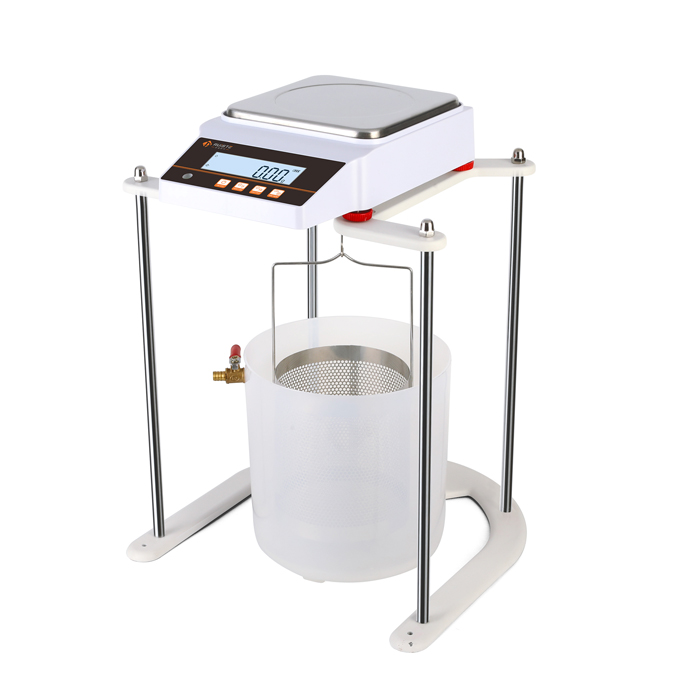
![Hydrostatic Balance JY SERIES]()
Hydrostatic Balance JY SERIES
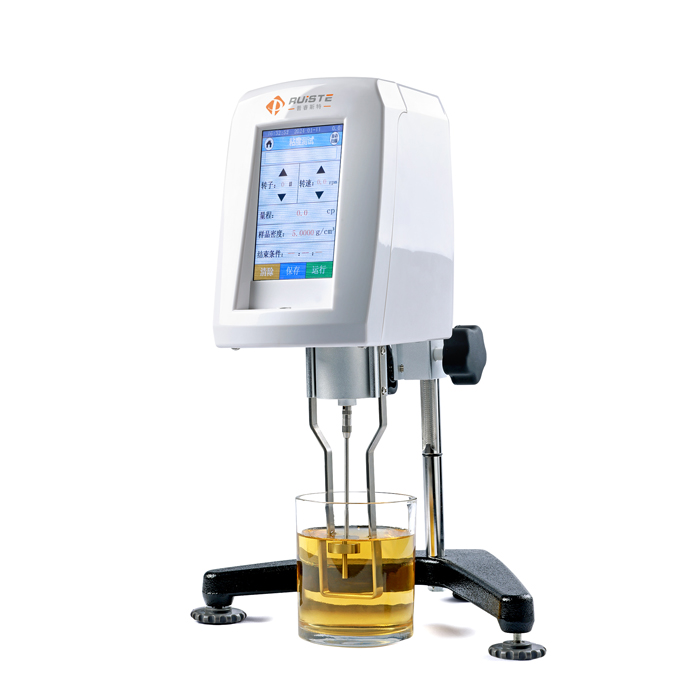
The entire series of JY balances uses branded sensors to ensure high accuracy and stability of weighing results. This series of precision casting ABS Environmental protect…![Digital Viscometer Exporter]()
Digital Viscometer Exporter
Viscosity stands as one of the most fundamental physical properties of fluid materials, reflecting the internal friction and flow resistance of substances during movement.…![Digital Viscometer For Sale]()
Digital Viscometer For Sale
Viscosity serves as one of the most fundamental physical properties of fluid substances, reflecting the internal friction and flow resistance of liquids during movement. I…![Industrial Digital Viscometer]()
Industrial Digital Viscometer
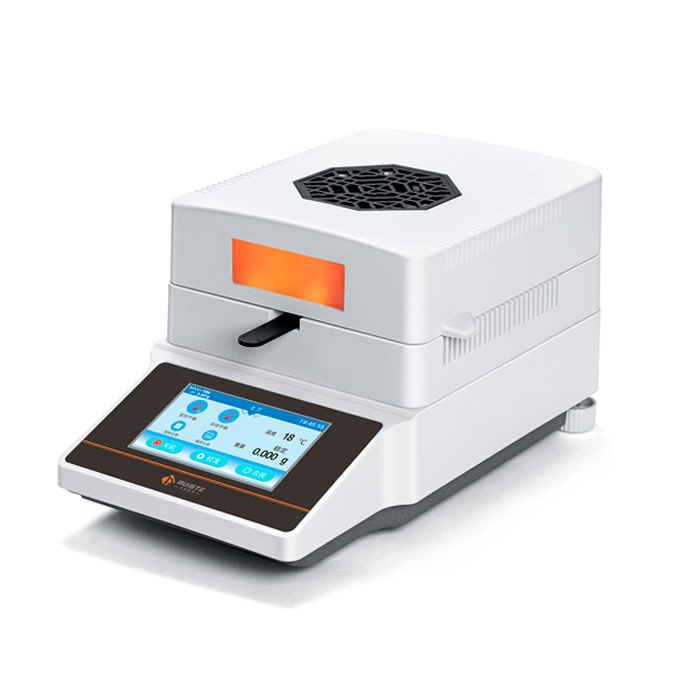
Viscosity stands as one of the most critical physical properties of fluid materials, reflecting the internal frictional resistance that occurs when a fluid undergoes flow …![Gravimetric Moisture Analyzer]()
Gravimetric Moisture Analyzer
Moisture content stands as one of the most critical physical parameters that define the quality, stability, and processing performance of diverse materials across industri…