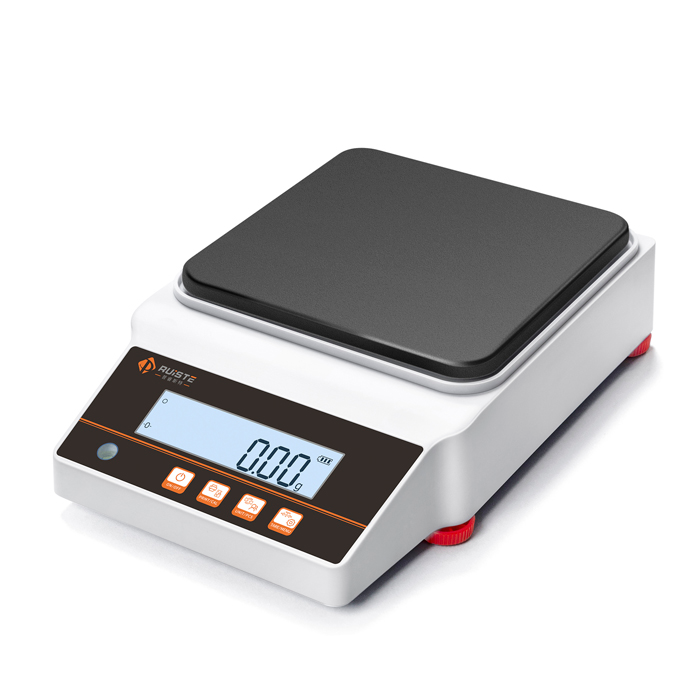
Electronic Laboratory Balance
In every modern laboratory setting, whether focused on chemical research, biological experimentation, material development, or routine quality inspection work, accurate and reliable mass measurement stands as an indispensable basic prerequisite for all experimental data collection and result analysis. Among all the measuring instruments deployed in laboratory spaces, the electronic laboratory balance has gradually replaced traditional mechanical weighing equipment and become a core piece of standard experimental equipment relied upon by researchers and laboratory operators across all professional fields. Unlike mechanical balances that rely on physical lever transmission and manual weight adjustment to complete weighing operations, electronic laboratory balances adopt advanced electromagnetic force compensation working logic, realizing automatic signal induction, intelligent data conversion and real-time digital display throughout the entire weighing process. This fundamental structural and working mode difference enables electronic laboratory balances to deliver stable weighing performance, convenient operation experience and consistent measurement repeatability in various complex laboratory environments, creating solid basic conditions for the smooth progress of various precise experimental researches and standardized testing work. The practical value of electronic laboratory balances is not only reflected in the basic function of measuring the mass of experimental samples, but also lies in their ability to maintain stable measurement states for a long time, adapt to diversified experimental sample types, and cooperate with standardized laboratory operation processes to ensure the authenticity, validity and comparability of all experimental data generated in daily work.
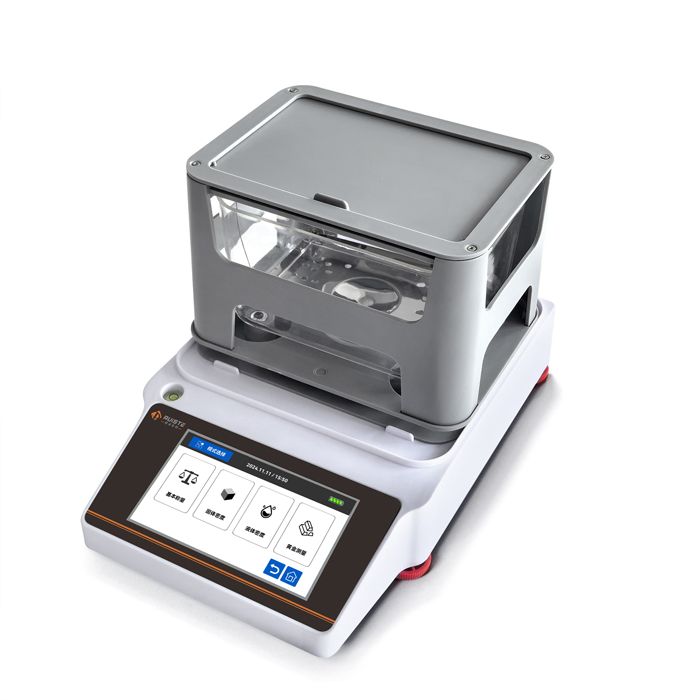
The core working principle of the electronic laboratory balance centers on the mature and stable electromagnetic force balance compensation mechanism, a technological logic that realizes accurate mass measurement through the dynamic balance between object gravity and electromagnetic force generated by internal precision components. When the electronic laboratory balance is in an idle standby state with no sample placed on the weighing pan, the internal displacement detection sensor maintains a stable initial balance position, and the current flowing through the internal coil structure stays at a constant basic value, keeping the entire load-bearing and induction system in a static equilibrium state without any displacement deviation. Once an experimental sample with a certain mass is steadily placed on the central area of the weighing pan, the gravity generated by the sample will act on the rigidly connected load-bearing bracket and internal coil structure of the balance, causing an extremely tiny downward displacement of the entire load-bearing system. This subtle displacement is not easily perceived by the human eye, but it can be quickly and accurately captured by the high-sensitivity displacement detection component built into the balance. Immediately after detecting the displacement change, the internal control circuit of the balance will generate corresponding electrical signal feedback, and the intelligent regulation module will dynamically adjust the current intensity passing through the coil installed inside the magnetic field structure in real time. As the current changes, the coil will produce a corresponding electromagnetic force that resists the downward displacement trend, and this electromagnetic force will continuously adjust in magnitude until it completely counteracts the gravity of the sample placed on the weighing pan, pulling the entire load-bearing system back to the original initial balance position detected by the sensor. At this moment, the current flowing through the coil maintains a stable fixed value, and the magnitude of this current presents a strict positive proportional relationship with the mass of the measured sample. The internal microprocessor of the balance quickly converts the collected stable current signal into intuitive mass data through built-in algorithm processing, and finally presents the accurate weighing result on the digital display screen, completing the entire automatic weighing process efficiently and stably.
The internal structural design of the electronic laboratory balance follows the core concept of precision matching and stable operation, with each functional component cooperating closely and restricting each other to jointly ensure the accuracy and stability of long-term weighing work. The external bearing part of the balance is mainly composed of a smooth and flat weighing pan, which is mostly made of corrosion-resistant and wear-resistant metal materials, with a regular geometric shape and stable structural stress design, ensuring that samples of different shapes and states can be placed stably without tilting or shaking during weighing. The weighing pan is connected to the internal core load-bearing bracket structure, and the bottom of the bracket is linked with the core sensing component composed of magnetic steel, pole shoes and coils, which is the key core area for generating electromagnetic force and realizing force balance conversion. The high-sensitivity position displacement detector is installed close to the load-bearing bracket, responsible for real-time monitoring of any tiny position changes of the load-bearing system and timely transmitting displacement signals to the internal control circuit system. The internal circuit part includes a signal amplification module, a current regulation module and a data processing microprocessor, undertaking the core work of signal reception, conversion, regulation and data calculation and output. In addition, high-precision electronic laboratory balances are usually equipped with a closed windshield structure around the weighing area, which is made of transparent and durable materials. The main function of the windshield is to isolate the interference of external air convection, indoor flowing wind and tiny dust in the air on the weighing process, effectively avoiding subtle data fluctuations caused by slight air flow impact on the weighing pan and samples, and further improving the stability and accuracy of weighing results. All internal components are installed inside a shockproof and stable casing, which can buffer the impact of external slight vibration on the internal sensing structure and ensure that the balance maintains a good working state in conventional laboratory environments.
Electronic laboratory balances have extremely wide application coverage in various professional laboratory scenarios, almost penetrating all experimental links that require precise mass data support. In chemical laboratories, researchers often need to weigh trace solid reagents, prepare standard solution raw materials, and conduct quantitative analysis of chemical components in samples. Accurate weighing data directly affects the concentration configuration of experimental solutions and the reaction progress of chemical experiments, and further determines the accuracy of final chemical reaction data and experimental conclusion verification. In biological and biochemical research laboratories, electronic laboratory balances are used for weighing biological samples, culture medium raw materials, microbial culture additives and experimental reagents required for biological agent preparation. The precise mass control of these materials is crucial to the normal growth and reproduction of experimental microorganisms, the smooth progress of biological sample analysis and the validity of biological experimental data. In the field of pharmaceutical research and laboratory testing, the balance is used for weighing raw materials for drug research and development, auxiliary materials for pharmaceutical preparations and samples for drug quality testing, providing accurate mass basic data for drug formula screening, efficacy research and standardized quality assessment. In material science research laboratories, researchers rely on electronic laboratory balances to weigh new material preparation raw materials, test material samples before and after performance experiments, and measure the mass change of materials during physical and chemical reaction processes, supporting the research and development and performance optimization of new functional materials. In addition, in food testing laboratories, environmental monitoring laboratories and industrial product quality inspection laboratories, electronic laboratory balances also undertake important basic weighing work, providing reliable mass data support for food safety detection, environmental sample component analysis and industrial product quality compliance testing.
The placement environment and pre-use preparation work of electronic laboratory balances are key factors that cannot be ignored to ensure long-term stable operation and accurate weighing results, and standardized environmental layout and pre-operation debugging are essential basic steps before each use. The balance needs to be placed on a special stable and shockproof experimental workbench, avoiding placement near laboratory doors and windows, air conditioning air outlets and ventilation equipment, because strong air convection and continuous air flow disturbance will cause real-time fluctuations in the weighing pan and internal load-bearing structure, resulting in unstable displayed data and increased weighing errors. At the same time, the placement position should stay away from experimental equipment that generates obvious vibration during operation and areas with direct sunlight exposure, preventing structural displacement of internal precision components caused by vibration interference and measurement deviation caused by thermal expansion and contraction of components due to drastic temperature changes. The laboratory space where the balance is located needs to maintain a relatively stable room temperature and moderate humidity environment, avoiding excessive humidity leading to moisture adhesion and rust corrosion of internal circuit components and metal structures, and also avoiding excessive dryness causing static electricity accumulation on the surface of the balance and samples, which will interfere with the normal induction of sensing signals. Before formal weighing operation, the balance needs to be connected to a stable power supply and preheated for a certain period of time, so that the internal circuit system and sensing components can reach a stable working temperature state and avoid data drift caused by insufficient preheating. After preheating is completed, the operator needs to carry out horizontal calibration and zero point reset operations according to standard operating steps, checking the horizontal bubble state of the balance to ensure that the entire equipment is placed horizontally without tilt, and resetting the zero point to eliminate the influence of the weighing pan itself and residual tiny attachments on the basic weighing data, ensuring that each weighing starts from a standard zero state.
Standardized daily operation habits and correct sample placement and weighing methods are important guarantees to reduce human operation errors and prolong the service life of electronic laboratory balances. During the weighing process, the operator should keep hands clean and dry, avoiding direct contact with the weighing pan and experimental samples with sweaty or contaminated hands, so as to prevent sweat, oil stains and impurities from adhering to the weighing pan, affecting subsequent weighing accuracy and causing corrosion and damage to the surface of the weighing pan. When placing experimental samples, it is necessary to gently place the samples in the center of the weighing pan, avoiding violent throwing or placing samples on the edge of the weighing pan. Eccentric placement of samples will cause uneven stress on the load-bearing structure, resulting in inaccurate weighing data and long-term partial wear of internal components. For samples with too high or too low temperature, they should be placed beside the balance in advance to stand until the temperature returns to room temperature before weighing operation. Too high or too low sample temperature will cause local air convection around the weighing pan and subtle thermal expansion and contraction of the weighing pan structure, interfering with the stability of weighing results. For powdered, granular and easily scattered experimental samples, special weighing containers or weighing paper should be used for auxiliary weighing, avoiding direct placement of scattered samples on the weighing pan. This can not only prevent sample residue from falling into the internal gap of the balance and affecting the normal work of internal sensing components, but also facilitate subsequent cleaning and maintenance work. During the weighing reading process, the operator should keep a safe distance from the balance, avoid leaning over the balance for a long time to cause breathing air flow interference and body vibration conduction, and wait for the balance data to stabilize and stop fluctuating before recording the final weighing data, so as to ensure the authenticity and accuracy of the recorded data.
Long-term regular maintenance and scientific daily maintenance work are crucial to maintain the stable performance of electronic laboratory balances, reduce equipment failure probability and extend the overall service life, and standardized maintenance needs to be adhered to in daily use management. Daily basic cleaning work should be completed after each use of the balance. A soft and clean brush can be used to gently sweep away sample residues and dust scattered on the surface of the weighing pan and the gap of the windshield, and a soft lint-free cloth can be used to wipe the surface of the weighing pan and the inner wall of the windshield to keep the weighing area clean and tidy. For residual dirt that is not easy to clean on the surface of the weighing pan, a small amount of conventional non-corrosive cleaning solution can be used for wiping, and it should be wiped dry in time after cleaning to avoid liquid penetrating into the inside of the balance and corroding internal circuit and metal components. Regular professional maintenance should be carried out every certain period of use, including checking the stability of the internal connection structure of the balance, detecting the sensitivity of the displacement sensing component, verifying the stability of the current regulation circuit and confirming the clarity and normal display function of the digital display screen. During daily placement and idle period, the balance should be covered with a special dust cover to prevent long-term accumulation of dust in the internal structure and gaps, avoiding dust affecting the sensitivity of the sensing component and the flexibility of the load-bearing movement. In the process of long-term use, avoid overloading the balance for weighing operation. Each electronic laboratory balance has a reasonable weighing range, and long-term overload use will cause irreversible fatigue deformation of the internal load-bearing structure and permanent damage to the sensing component, resulting in continuous deviation of weighing accuracy and difficult maintenance and repair. Once abnormal data fluctuation, unbalanced zero point reset or slow data response is found during use, the balance should be stopped in time for inspection and simple troubleshooting, and professional maintenance personnel should be contacted for processing if necessary, avoiding continued use with faults leading to inaccurate experimental data and further damage to internal precision components.
With the continuous progress of laboratory scientific research technology and the continuous improvement of experimental research precision requirements, the performance optimization and functional upgrading of electronic laboratory balances are also advancing synchronously, and they have always maintained an irreplaceable core position in the entire laboratory measurement system. All scientific research experiments and testing work are based on basic accurate measurement data, and the stable and reliable working performance of electronic laboratory balances provides the most basic data guarantee for all subsequent experimental research and result analysis. From the most basic conventional reagent weighing work to the complex trace sample precise measurement required for high-precision scientific research projects, electronic laboratory balances can always adapt to different experimental scenario needs, maintain good weighing stability and data repeatability. Reasonable placement environment configuration, standardized pre-use debugging and operation steps, and long-term persistent scientific maintenance and maintenance work complement each other, enabling electronic laboratory balances to maintain excellent working condition for a long time, give full play to their precise measurement advantages, and continuously provide solid and reliable mass measurement support for the innovative development of various professional laboratory research fields and the steady progress of various standardized testing work.
Electronic Laboratory Balance
https://www.pruiste.com/laboratory-balance.html
Post Date: May 5, 2026
https://www.supplier-manufacturer.com/laboratory-balance/electronic-laboratory-balance.html

![Electronic Balance YP SERIES]()
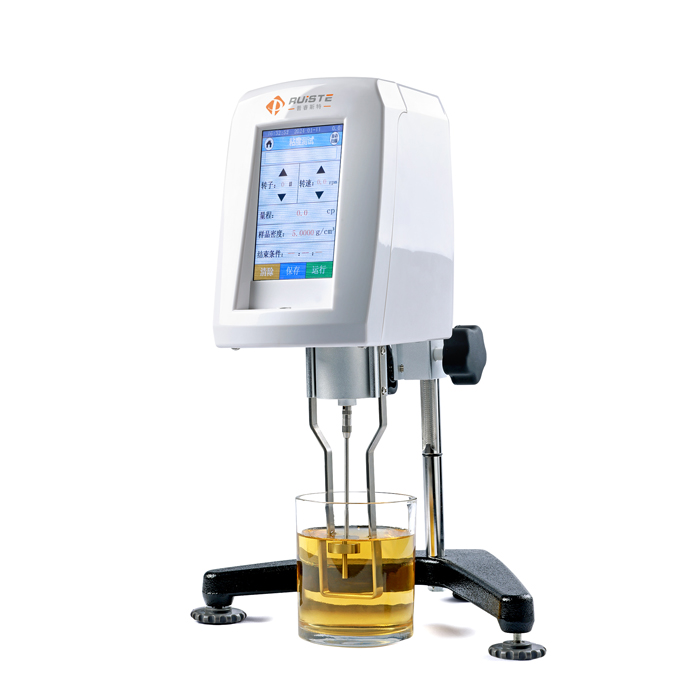
Electronic Balance YP SERIES
The YP series adopts high-definition keys, which is economical. The entire series of balances adopt Nuosheng sensors, brand sensors, and aluminum alloy structure to ensure…![Digital Viscometer Factory]()
Digital Viscometer Factory
Viscosity stands as one of the most fundamental physical properties of fluid materials, reflecting the internal friction and flow resistance that occur when fluids undergo…![Compact Digital Viscometer]()
Compact Digital Viscometer
Viscosity stands as one of the most fundamental physical properties of fluid materials, reflecting the internal friction and flow resistance that occur when a substance un…![Benchtop Digital Viscometer]()
Benchtop Digital Viscometer
Viscosity stands as one of the most fundamental physical properties of fluid substances, reflecting the internal friction and flow resistance generated during the movement…![Moisture Analyzer Exporter]()
Moisture Analyzer Exporter
Moisture content stands as one of the most critical physical indicators that determine the quality, stability, and usability of raw materials and finished products across …