Portable Electronic Balance
With the continuous advancement of modern measurement technology, weighing instruments have gradually evolved from bulky mechanical structures to compact electronic designs, and the portable electronic balance has emerged as an indispensable measuring tool in various industries and daily scenarios. Different from traditional stationary weighing equipment that occupies large space and has fixed placement positions, this type of balance integrates lightweight structural design and intelligent electronic sensing technology, achieving a balanced combination of convenient carrying, stable measurement and simple operation. It breaks the usage limitations of conventional weighing devices which can only work in fixed indoor environments, enabling accurate weight collection of objects in diverse complex and mobile scenarios. As social production and daily life put forward higher requirements for the flexibility of measuring tools, portable electronic balances have been continuously optimized in structural design and internal performance, gradually becoming a common auxiliary tool in commercial transactions, industrial detection, scientific research experiments and personal daily use.
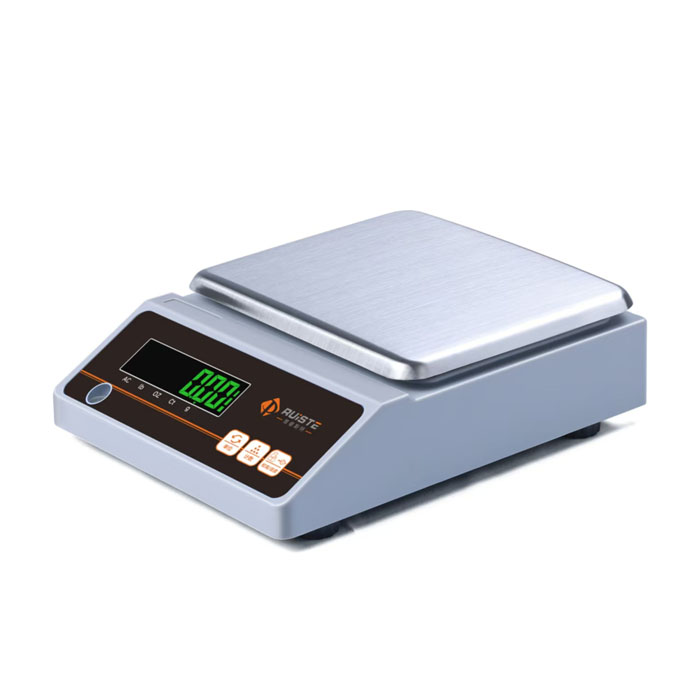
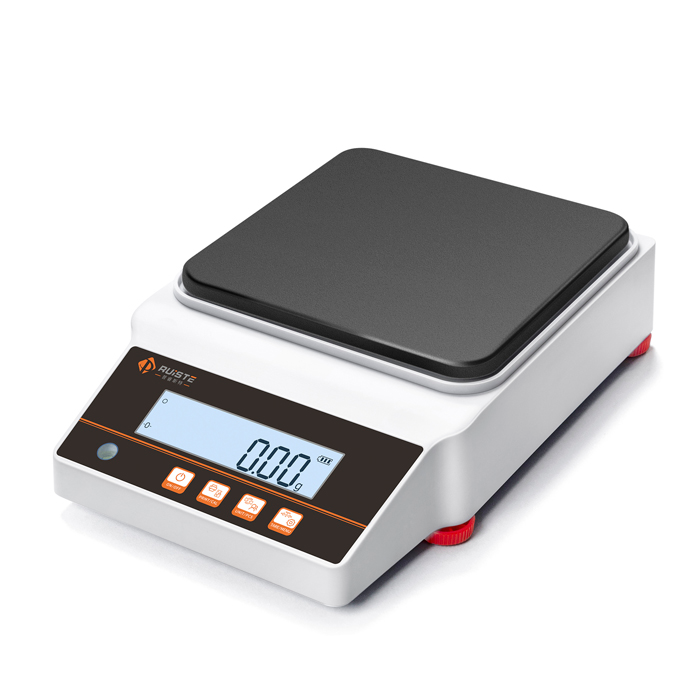
The basic structural composition of a portable electronic balance is concise and reasonable, which lays a solid foundation for its portable characteristics. The external part mainly includes a smooth weighing pan, a compact integrated shell and a built-in display screen, while the internal core components are composed of high-sensitivity pressure sensors, signal processing circuits, analog-to-digital converters and micro-processing chips. The weighing pan is usually made of smooth and corrosion-resistant materials, which can maintain surface flatness for a long time, ensure stable placement of measured objects, and reduce measurement errors caused by uneven contact surfaces. The shell adopts lightweight composite materials, which effectively controls the overall weight of the equipment without sacrificing structural firmness, making it convenient for users to hold and carry. The display screen is embedded on the front of the shell with moderate size, presenting weighing data in an intuitive digital form, and most screens have adjustable brightness functions to adapt to different light environments such as strong outdoor light and dim indoor space.
The working principle of the portable electronic balance follows the basic force-electric conversion logic of electronic weighing equipment. When an object is stably placed on the weighing pan, the gravity of the object acts directly on the internal pressure sensor, causing slight elastic deformation of the sensor structure. This deformation will trigger regular changes in the internal impedance of the sensor, and then generate weak analog voltage signals that change with the weight of the object. Since the initial voltage signal is extremely faint and susceptible to external electromagnetic interference, the built-in signal amplification circuit will amplify the effective signal and filter out clutter interference in real time. After purification and amplification, the analog signal will be transmitted to the analog-to-digital converter, which converts the continuous analog signal into a discrete digital signal that can be identified and calculated by the micro-processing chip. The chip processes and calibrates the digital signal according to the preset internal program, and finally converts the signal into intuitive weight data, which is fed back to the display screen to complete the whole weighing process. This stable signal transmission and processing mechanism ensures that the equipment can obtain relatively accurate measurement data in a short time, and the reading state tends to be stable within a few seconds after the object is placed.
Compared with mechanical balances and large fixed electronic weighing equipment, portable electronic balances have prominent comprehensive performance advantages in actual use. In terms of portability, the streamlined overall structure and lightweight materials greatly reduce the volume and weight of the equipment. Most products can be easily put into backpacks and storage boxes, and will not cause excessive burden during carrying and transferring. In terms of operation simplicity, the equipment is equipped with simplified physical keys, which can realize basic functions such as zero clearing, tare weight deduction and unit switching. The operation logic is straightforward, and users can master the usage methods without complicated professional training. In terms of measurement stability, the built-in sensing components have good anti-interference ability, which can resist the slight vibration and electromagnetic interference generated by the external environment to a certain extent, avoiding frequent data jitter during the weighing process. In addition, this kind of balance usually supports multiple power supply modes. It can not only use disposable dry batteries for outdoor mobile use, but also be connected to a constant power supply through universal data lines for long-term fixed use, which effectively meets the power demand in different usage scenarios.
The application scope of portable electronic balances covers multiple fields of society, realizing flexible measurement work in different scenarios. In commercial circulation scenarios such as farmers' markets and mobile stalls, the equipment is often used for the weighing of bulk commodities including fruits, aquatic products and grains. Merchants can carry the balance to complete weighing transactions at different booth positions, and the transparent and intuitive data display reduces weight disputes between merchants and consumers. The compact body can adapt to narrow placement spaces such as stall countertops and storage trolleys, and the waterproof and dustproof design of the shell can cope with complex environmental conditions such as water splashing and dust accumulation in market transactions. In the logistics and warehousing industry, staff use portable electronic balances to conduct random sampling weighing of incoming and outgoing goods. By detecting the weight of individual packaged items, they can verify whether the goods are packaged in accordance with specifications, and provide effective data reference for subsequent transportation capacity allocation and storage space planning. Compared with large-scale weighing platforms, portable equipment can move freely in warehouses and distribution sites, improving the flexibility of sampling detection.
In the manufacturing and processing industry, portable electronic balances are applied to the quality inspection of raw materials, semi-finished products and finished products. In chemical and building material production links, staff regularly weigh bagged granular raw materials and barreled liquid raw materials to monitor whether the material consumption and filling volume meet the production standards, so as to maintain the stability of batch production quality. In light industry processing such as accessory manufacturing and handicraft production, the equipment is used to detect the weight of a single product. By screening products with unqualified weight, it ensures the uniformity of product specifications. In laboratory scientific research scenarios of middle schools, universities and research institutions, portable electronic balances serve as basic measuring instruments for daily experiments. They are used for the weighing of chemical reagents, solid samples and experimental auxiliary materials. The moderate measurement accuracy can meet the data collection needs of conventional physical and chemical experiments, and the portable design facilitates the mutual transfer of equipment between different laboratories, improving the utilization rate of experimental equipment.
In addition to industrial and commercial scenarios, portable electronic balances also play an important role in personal daily life and professional refined measurement. In family daily use, people can use it to weigh baking ingredients, health-care traditional Chinese medicine materials and pet feed, realizing quantitative allocation of daily supplies and improving the refinement of life management. In outdoor exploration and field collection activities, field researchers and geological collectors carry portable balances to weigh mineral samples, plant specimens and field collection supplies, obtaining original weight data of samples in the wild environment without fixed power supply. In addition, some improved portable electronic balances are equipped with wireless data transmission modules, which can synchronize real-time weighing data to terminal devices such as mobile phones and tablets. Users can record, sort and store measurement data through intelligent terminals, which is convenient for subsequent data sorting and statistical analysis. This intelligent expansion function further expands the usage value of the equipment in long-term data tracking work.
To maintain the stable working performance and extend the service life of the portable electronic balance, standardized daily use and scientific maintenance measures are essential. During the placement and use process, the equipment should be placed on a flat and hard horizontal tabletop to avoid tilting caused by soft and uneven surfaces, because tilting will change the stress state of the internal sensor and lead to deviation of measurement data. It is necessary to avoid placing the equipment in extreme environments such as high temperature, severe cold and humid air for a long time. Excessively high temperature will accelerate the aging of internal electronic components, while low temperature and humid environment will easily cause circuit damp and short circuit, damaging the internal circuit structure. In the process of weighing, users should avoid placing over-weighted items on the weighing pan. Long-term overload pressure will cause irreversible deformation of the sensor and permanently reduce the measurement sensitivity of the equipment.
Daily cleaning and storage also affect the working state of the portable electronic balance. When cleaning the surface dust and stains, users need to use soft dry cloth for wiping. For stubborn stains, they can gently wipe with a slightly damp cloth, and it is strictly forbidden to directly rinse the equipment with liquid to prevent moisture from penetrating into the shell and damaging internal components. When the equipment is not in use for a long time, it is necessary to take out the built-in batteries to avoid electrolyte leakage caused by long-term battery storage, which will corrode the internal circuit board. The equipment should be placed in a dry and ventilated storage space, avoiding long-term extrusion and collision with hard objects. In addition, regular zero calibration is an important maintenance step. After frequent movement and long-term use, the balance is prone to zero drift. Timely zero clearing and calibration can eliminate systematic errors and ensure the consistency of measured data.
With the continuous innovation of electronic information technology and material processing technology, the development direction of portable electronic balances is gradually moving towards miniaturization, intellectualization and energy conservation. In terms of material optimization, new lightweight and high-strength composite materials will replace traditional single shell materials to further reduce the overall weight of the equipment while improving compression resistance and drop resistance. In terms of sensing technology, high-precision miniaturized sensors will be widely used to improve the identification ability of tiny weight changes, meeting the refined measurement needs of more professional fields. In terms of intelligent functions, the data processing system will be further upgraded, realizing automatic data sorting, trend analysis and remote data sharing. Some equipment will be embedded with temperature and humidity sensing components to automatically compensate measurement errors caused by environmental changes and enhance environmental adaptability.
In terms of energy saving and endurance, the energy consumption control technology of portable electronic balances will be continuously optimized. The low-power chip and intelligent dormant power-off system can effectively reduce unnecessary power consumption, and the matching rechargeable energy storage batteries will replace part of disposable batteries, reducing daily use costs and resource consumption. While improving core performance, the humanized design of the equipment will also be continuously optimized. The anti-slip structure of the weighing pan, the enlarged high-definition display screen and the simplified one-key operation mode will further reduce the use threshold, enabling different groups of people to quickly get started with the operation. In the future development process, portable electronic balances will further break the boundary of usage scenarios, realize seamless switching between outdoor mobile measurement and indoor precise detection, and provide convenient and reliable weighing solutions for more industries and daily application links.
In conclusion, the portable electronic balance, as a practical and convenient modern measuring instrument, combines simple mechanical structure and mature electronic sensing technology. It has irreplaceable application value in commercial transactions, industrial production, scientific research experiments and daily life by virtue of its portable body, stable measurement and simple operation. Reasonable use norms and scientific maintenance methods can maintain its long-term stable performance, and the continuous technological iteration will further expand its functional attributes and application scope. In the context of the continuous development of refined measurement and mobile detection demand, portable electronic balances will always maintain practical application value, become an important basic measuring tool in social production and life, and continuously provide accurate and convenient weight measurement services for all walks of life.
Portable Electronic Balance
https://www.pruiste.com/electronic-balance.html
Post Date: May 13, 2026
https://www.supplier-manufacturer.com/electronic-balance/portable-electronic-balance.html

![Electronic Balance YP SERIES]()
Electronic Balance YP SERIES
The YP series adopts high-definition keys, which is economical. The entire series of balances adopt Nuosheng sensors, brand sensors, and aluminum alloy structure to ensure…![Digital Viscometer Factory]()
Digital Viscometer Factory
Viscosity stands as one of the most fundamental physical properties of fluid materials, reflecting the internal friction and flow resistance that occur when fluids undergo…![Compact Digital Viscometer]()
Compact Digital Viscometer
Viscosity stands as one of the most fundamental physical properties of fluid materials, reflecting the internal friction and flow resistance that occur when a substance un…![Benchtop Digital Viscometer]()
Benchtop Digital Viscometer
Viscosity stands as one of the most fundamental physical properties of fluid substances, reflecting the internal friction and flow resistance generated during the movement…![Moisture Analyzer Exporter]()
Moisture Analyzer Exporter
Moisture content stands as one of the most critical physical indicators that determine the quality, stability, and usability of raw materials and finished products across …