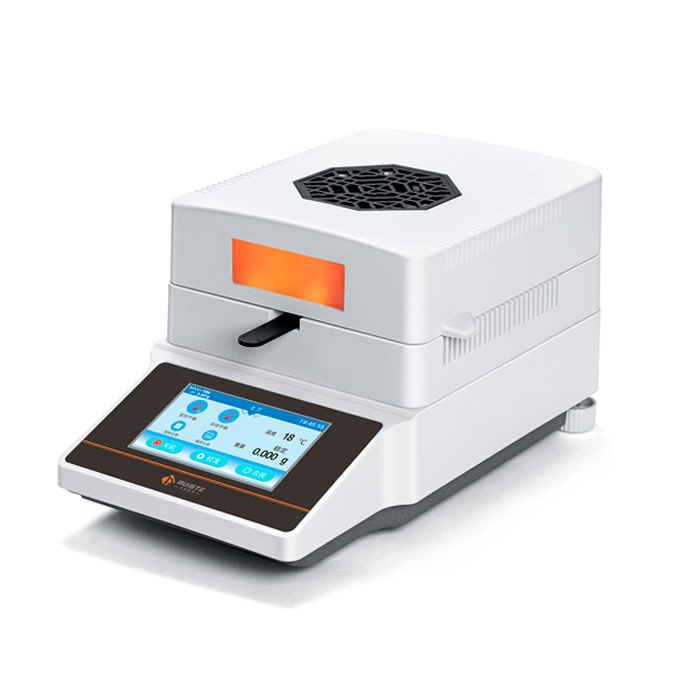
Chemical Moisture Analyzer
Moisture content stands as one of the most critical physical and chemical indicators for evaluating the quality, stability, and applicability of various materials across industrial production, laboratory research, and material development processes. Even trace amounts of water in raw materials, finished products, and intermediate chemical substances can alter core material properties, including viscosity, density, chemical reactivity, and structural stability, thereby affecting production consistency, product service performance, and even operational safety in industrial systems. A chemical moisture analyzer serves as a specialized analytical device designed to quantitatively detect moisture content in diverse samples through chemical reaction mechanisms and physical sensing technologies, delivering stable and repeatable detection data for scientific research, industrial quality control, and process optimization. Unlike traditional manual moisture detection methods that rely on simple heating and weighing, modern chemical moisture analysis integrates precise sensing modules, automated data processing systems, and stable reaction control units, effectively overcoming the limitations of low efficiency, large human error, and poor adaptability to complex samples inherent in conventional detection approaches.
The core working logic of chemical moisture analyzers revolves around capturing the unique chemical reaction characteristics of water molecules or detecting physical property changes caused by moisture in samples. Two mainstream technical principles dominate current practical applications, each adapting to different sample types, moisture content ranges, and detection accuracy requirements. The first category relies on chemical titration reactions, a classic detection method that targets the specific quantitative reaction between water and chemical reagents. This method focuses exclusively on water molecules in samples rather than all volatile substances, distinguishing it from thermogravimetric drying methods that calculate moisture content based on total volatile weight loss. In the reaction system, specific chemical reagents undergo a stoichiometric reaction with water molecules, and the system records the consumption of reagents or the electrical signal changes generated during the reaction to calculate the exact moisture content in the sample. This chemical reaction-based detection mode exhibits strong specificity, effectively avoiding interference from volatile organic solvents and low-boiling impurities in complex samples, making it suitable for trace and ultra-trace moisture detection scenarios.
The second mainstream principle adopts physical-chemical combined sensing technology, which converts subtle changes in material physical properties caused by moisture into measurable electrical signals. Water molecules possess unique polarity and conductivity characteristics; when moisture exists in solid, liquid, or gaseous samples, it changes the conductivity, impedance, or dielectric constant of the sample medium. The core sensing components inside the analyzer capture these real-time property changes, and the built-in data algorithm system converts the collected signal data into intuitive moisture content values through calibration curves and mathematical modeling. This technical route features fast response speed and simple sample pretreatment requirements, enabling continuous and online detection, and is widely applied in real-time moisture monitoring for industrial production processes. Both technical paths adhere to standardized quantitative analysis logic, with differences mainly reflected in detection sensitivity, sample adaptability, and application scenarios, forming a complementary technical system for chemical moisture detection.
The internal structural configuration of a standard chemical moisture analyzer is designed around stable reaction control and accurate signal acquisition, consisting of multiple core functional modules that coordinate with each other to complete the detection process. The sampling and pretreatment module is responsible for standardized sample introduction, ensuring uniform sample feeding and avoiding detection errors caused by uneven sample distribution or external environmental moisture interference. For solid samples, this module supports quantitative sampling and crushing treatment to increase the contact area between the sample and reaction reagents or sensing components; for liquid and gaseous samples, it achieves stable flow control and sealed sampling to prevent water molecule loss or external moisture contamination. The reaction and sensing module is the core functional unit of the equipment, where chemical reactions or physical signal induction between the sample and the detection system occur. The internal environment of this module maintains constant temperature and pressure conditions to eliminate data fluctuations caused by environmental changes, ensuring the stability of each detection reaction and signal collection.
The signal processing and operation module undertakes data sorting, calculation, and calibration work. Weak electrical signals captured by sensors or reagent consumption data generated by titration reactions are transmitted to the central processing unit, which filters invalid interference signals, corrects data deviations through built-in calibration programs, and calculates accurate moisture content data based on preset quantitative formulas. Meanwhile, the data storage and output module records all detection data, operation parameters, and environmental condition information during the testing process, facilitating subsequent data traceability, statistical analysis, and report generation. The auxiliary temperature control and sealing module provides a stable operating environment for the entire detection system, effectively isolating interference from ambient temperature, humidity, and air flow, which is essential for maintaining long-term detection stability of the equipment.
Chemical moisture analyzers demonstrate extremely broad application value covering chemical industry, pharmaceutical manufacturing, food processing, new material research, environmental monitoring, and building material production, with targeted detection advantages for different industry scenarios. In the fine chemical and raw material chemical industry, moisture content directly affects the purity and chemical stability of chemical raw materials such as solvents, resins, polymer particles, and chemical additives. Excess moisture in chemical raw materials may trigger hydrolysis reactions, reduce product purity, cause component stratification, and affect the reaction efficiency of subsequent synthesis processes. The application of chemical moisture analyzers can realize precise control of raw material moisture indicators, maintain the stability of chemical reaction processes, and reduce the rate of defective products caused by unqualified moisture content in industrial production.
In the pharmaceutical industry, moisture detection is a key link in quality control for pharmaceutical raw materials, intermediate preparations, tablets, capsules, and pharmaceutical auxiliary materials. Moderate moisture content ensures the structural stability and effective component activity of pharmaceutical products, while excessive moisture may lead to microbial growth, drug component degradation, and shortened shelf life, and insufficient moisture may affect the molding performance and dissolution rate of pharmaceutical preparations. Chemical moisture analysis technology can accurately detect trace moisture in pharmaceutical samples, meet the strict quality control standards of pharmaceutical production, and provide reliable data support for drug safety and efficacy stability.
In food and agricultural product processing, moisture content determines the storage performance, taste texture, and processing adaptability of products such as grains, dried fruits, dairy products, and condiments. Grain and feed products with excessive moisture are prone to mildew and deterioration during storage and transportation, while low moisture content may affect the nutritional structure and edible taste of products. Chemical moisture analyzers can quickly detect moisture indicators of various food and agricultural samples, helping production enterprises formulate scientific drying and storage processes, extend product shelf life, and maintain stable product quality. In the field of new material research and development, the moisture content of high-performance materials such as composite materials, ceramic materials, and battery electrode materials directly affects the mechanical properties, electrical conductivity, and service life of materials. Trace moisture remaining in the material structure will cause structural defects and performance attenuation, and precise moisture detection through professional analyzers provides important parameter support for material formula optimization and process improvement.
Standardized operation and daily maintenance are crucial to maintaining the detection stability and service life of chemical moisture analyzers. Before each detection experiment, it is necessary to preheat the equipment and conduct blank testing and calibration to eliminate residual moisture inside the equipment and interference from the detection environment, ensuring the accuracy of the initial state of the system. Sample pretreatment must follow standardized operating specifications: solid samples need to be crushed and evenly dispersed to avoid incomplete reaction caused by large particle size; liquid samples need to be sealed and treated to prevent volatile loss and moisture absorption in the air; gaseous samples need stable flow regulation to ensure uniform contact with the sensing system. In the detection process, environmental parameters such as ambient temperature and humidity should be kept stable, and violent vibration and air convection interference should be avoided to prevent signal fluctuation and reaction instability.
Daily maintenance work mainly includes regular cleaning of the reaction cavity and sampling pipeline, replacement of failure-prone consumable reagents, and regular calibration of sensing components. Residual samples and reaction by-products left in the equipment for a long time will cause cross-interference between detections and affect the accuracy of subsequent test data; regular calibration can eliminate subtle signal drift caused by long-term operation of the equipment and maintain the consistency of detection results. In addition, the equipment should be placed in a dry, dust-free, and well-ventilated laboratory environment to avoid long-term exposure to high humidity, high temperature, and corrosive gas environments, which can effectively reduce component aging rate and maintain stable long-term operation performance.
Compared with traditional moisture detection methods such as oven drying and distillation, chemical moisture analysis technology shows comprehensive advantages in detection accuracy, efficiency, and sample adaptability. Traditional drying methods calculate moisture content based on total weight loss after sample heating and volatilization, which cannot distinguish moisture from other volatile substances in the sample, leading to biased detection results for complex samples containing multiple volatile components. Chemical moisture analyzers based on specific chemical reactions can accurately target water molecules, effectively shielding interference from other volatile impurities and improving detection specificity. In terms of detection efficiency, traditional drying methods often require several hours of constant temperature drying and cooling weighing, with long detection cycles and low efficiency, while modern chemical moisture analyzers can complete accurate detection within a short time, realizing rapid batch sample testing and online real-time monitoring.
In terms of sample adaptability, traditional detection methods are only suitable for conventional solid and liquid samples, and are difficult to apply to trace moisture detection, high-viscosity samples, and gaseous samples. Chemical moisture analysis technology can adjust detection parameters and reaction systems according to sample characteristics, realizing accurate detection of moisture content in trace, conventional, and high-content ranges, covering solid, liquid, and gaseous multi-state samples. At the same time, the automated operation mode of modern analyzers reduces manual operation links, lowers the impact of human operation errors on detection results, and significantly improves the repeatability and stability of experimental data, which is more in line with the standardized and efficient detection needs of modern industrial production and scientific research.
With the continuous progress of analytical instrument technology and the upgrading of industrial production standards, chemical moisture analyzers are developing toward automation, intelligence, miniaturization, and high integration. Modern equipment gradually realizes fully automated processes from sample sampling, detection reaction, data calculation to result output, reducing manual intervention and improving detection efficiency and standardization. The intelligent data management system can automatically record detection parameters, generate analysis reports, and realize data connection with production management systems, providing data support for industrial process fine control and laboratory data traceability. Miniaturized and portable chemical moisture analysis devices are gradually applied to on-site rapid detection scenarios, breaking the limitation of traditional laboratory fixed-point detection, and realizing real-time moisture monitoring in production sites, storage environments, and field sampling environments.
In future industrial development and scientific research innovation, the importance of precise moisture detection will continue to rise. With the continuous improvement of material purity requirements, industrial production precision, and product quality standards, the demand for high-precision, high-efficiency, and multi-scene adaptive moisture detection technology will continue to grow. Chemical moisture analyzers, as core professional equipment in the field of moisture detection, will continuously optimize technical algorithms and structural design, improve anti-interference performance and detection sensitivity, adapt to more complex sample detection scenarios, and provide more accurate and reliable technical support for industrial quality upgrading, new material research and development, and scientific experimental research. While maintaining the stability of basic detection functions, the equipment will also develop in the direction of energy saving, low consumption, and environmental protection, adapting to the green development trend of modern industry and realizing sustainable application in multiple fields.
Chemical Moisture Analyzer
https://www.pruiste.com/moisture-analyzer.html
Post Date: May 23, 2026
https://www.supplier-manufacturer.com/moisture-analyzer/chemical-moisture-analyzer.html

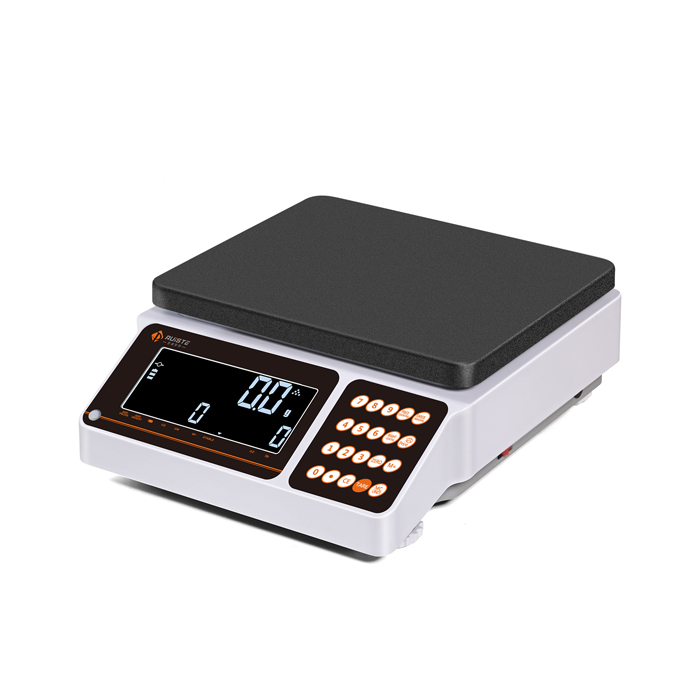
![Counting Balance RSB-C SERIES]()
Counting Balance RSB-C SERIES
The RSB-C series adopts high-definition keys, which is economical. The entire series of balances adopt Nuosheng sensors, brand sensors, and aluminum alloy structure to ens…![Digital Viscometer Price]()
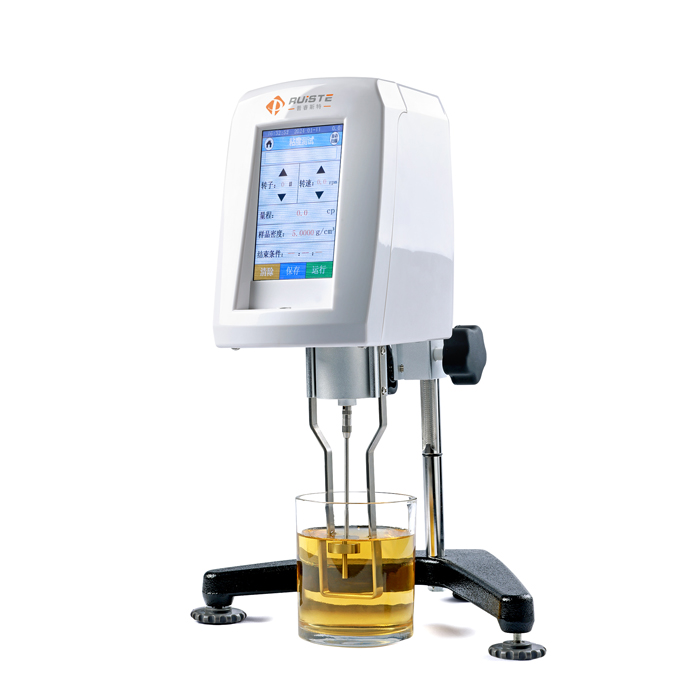
Digital Viscometer Price
Digital viscometers have become indispensable precision testing instruments across modern industrial production, laboratory research and development, and quality inspectio…![Working Principle of Digital Viscometer]()
Working Principle of Digital Viscometer
Viscosity is an inherent physical property of fluid substances, which characterizes the internal friction and flow resistance generated when a fluid undergoes relative mot…![High-temperature Digital Viscometer]()
High-temperature Digital Viscometer
Viscosity stands as one of the most fundamental physical properties of fluid substances, reflecting the internal friction and flow resistance generated during the movement…![Rapid Moisture Analyzer]()
Rapid Moisture Analyzer
Moisture content stands as one of the most critical physical indicators that determine the quality, stability, and practical performance of various raw materials and finis…