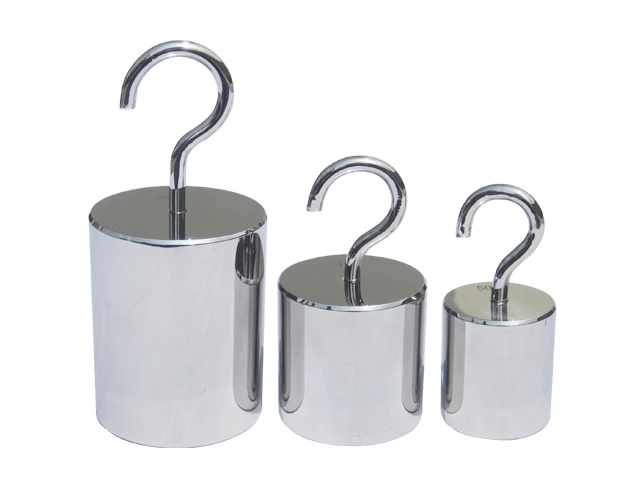
M1 Class Stainless Steel Weight
In the intricate and interconnected world of modern measurement and industrial operation, maintaining consistent and dependable weighing results stands as a foundational requirement for every production process, laboratory test, and quality control procedure. Every sector that relies on accurate mass determination needs reliable reference tools that can hold steady under regular use, adapt to changing working environments, and deliver consistent readings over extended periods of time. Among the essential reference tools for daily weighing verification and routine calibration, M1 class stainless steel weights occupy a vital and irreplaceable position, serving as a steady bridge between theoretical measurement standards and practical on-site weighing work. These weights are thoughtfully designed and carefully crafted to meet the general to medium precision measurement demands that dominate most industrial production lines, research laboratories, commercial weighing stations, and technical inspection departments, perfectly balancing practical usability, structural stability, and long-term service performance to fit seamlessly into diverse daily measurement workflows.
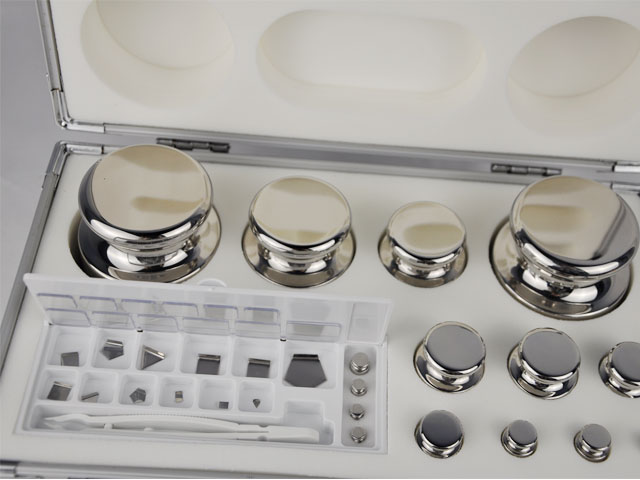
The core foundation that defines the reliable performance of M1 class stainless steel weight lies in the carefully selected stainless steel material chosen for production. Unlike ordinary metal materials that are prone to external interference and performance degradation, the stainless steel used for these weights features a dense internal molecular structure and stable physical and chemical properties that remain consistent across long-term application. This material inherently resists common environmental factors that often compromise the accuracy of standard weights, including moisture in humid working spaces, slight chemical contact in production workshops, and daily oxidation that occurs with prolonged exposure to air. In many practical working scenarios, weighing equipment and reference weights are placed in environments with fluctuating temperature and humidity, such as factory production floors with frequent personnel activity, laboratory rooms with regular equipment operation and ventilation changes, and storage areas where tools and measurement supplies are kept for long periods. Ordinary metal weights may gradually develop surface rust, uneven surface wear, or subtle internal mass changes under such conditions, which can slowly affect the accuracy of subsequent weighing verification work and lead to unstable data in production testing and product quality inspection. The stainless steel composition of M1 class weights effectively avoids these common issues, maintaining both surface integrity and internal mass stability even after years of regular handling, placement, and repeated use for weighing calibration and equipment testing.
Beyond the superior material selection, the surface processing and finishing treatment applied to M1 class stainless steel weights further enhances their practicality and long-term stability in daily use. Each weight undergoes fine grinding and uniform surface treatment during production, creating a smooth and even outer surface that prevents the accumulation of dust, fine particles, and other tiny impurities that could affect effective mass measurement. Rough or uneven weight surfaces tend to collect debris over time, and even small layers of attached dust can create subtle deviations in actual mass, gradually influencing the accuracy of weighing instrument calibration over multiple uses. The refined surface finishing of these stainless steel weights also reduces surface friction during regular handling and stacking, minimizing natural wear that comes from frequent contact and movement during daily calibration work. Many working environments require weights to be moved frequently between different weighing stations, stored alongside other measurement tools, and stacked temporarily during repeated calibration operations, all of which can cause gradual wear on ordinary weights. The careful surface treatment of M1 class stainless steel weights slows down the aging and wear process significantly, ensuring that their basic mass state remains stable and their overall performance stays consistent throughout long-term repeated application.
The structural design of M1 class stainless steel weights is developed with full consideration of actual operational convenience and daily management needs in various use scenarios. Most weights adopt a regular cylindrical shape with smooth edges and a reasonable overall proportion, making them easy to grip, place, stack, and transport during daily calibration and weighing verification work. The standardized structural design allows these weights to fit stably on all common types of weighing equipment, including desktop electronic balances, platform weighing scales, and various industrial weighing devices used in production workshops and testing rooms. The reasonable weight distribution inside each finished piece ensures that the center of gravity remains stable during placement, preventing tilting or shifting that could affect the accuracy of weighing tests and ensuring every calibration operation proceeds smoothly and steadily. In addition, the unified structural specifications enable these weights to be stored in an organized and orderly manner when not in use, making classification management, regular inventory checks, and daily maintenance much simpler for measurement management personnel. Whether used as individual single weights for independent calibration work or combined into complete sets to meet different mass combination testing requirements, this practical structural design ensures flexible and convenient application in all routine measurement tasks.
M1 class stainless steel weights belong to the medium precision level of standard reference weights, perfectly matching the calibration and verification needs of most commonly used weighing instruments in mainstream production and testing fields. In actual measurement work, different weighing devices have different accuracy requirements and corresponding calibration standard needs, and not all production links require ultra-high precision reference weight support. Many daily production quality inspections, conventional product weighing tests, raw material proportioning weighing checks, and commercial weighing equipment regular verification work only need medium precision reference standards to meet basic measurement accuracy requirements. M1 class weights are precisely positioned to meet these widespread daily demands, providing appropriate allowable error ranges that fully satisfy the calibration needs of electronic balances and conventional weighing scales with general readability parameters. This positioning makes these weights highly versatile, avoiding the waste of excessive precision resources for ordinary routine work while ensuring that all basic weighing measurement work maintains qualified and reliable data results, striking a reasonable balance between measurement accuracy and practical application cost for various institutions and enterprises.
Industrial manufacturing sectors represent one of the largest and most core application fields for M1 class stainless steel weights. In modern manufacturing plants covering machinery processing, electronic product assembly, daily consumer goods production, and plastic and metal product processing, accurate weighing is an essential part of raw material feeding, semi-finished product testing, and finished product quality inspection. Raw material proportioning directly affects the stability of product quality and the consistency of production batches, requiring regular calibration of production line weighing equipment to ensure each batch of raw material mixing and feeding meets preset production standards. Semi-finished product weighing tests during the production process help production staff promptly identify abnormal product quality issues and adjust production parameters in a timely manner, while finished product weighing verification ensures all leaving products meet standard weight specifications and comply with market circulation and delivery requirements. All these routine weighing calibration and equipment verification work rely on M1 class stainless steel weights as stable reference standards. The harsh working conditions of industrial production environments, including frequent equipment operation, large personnel flow, and unavoidable minor dust and temperature changes, require reference weights with strong environmental adaptability and stable performance, and the material advantages and structural stability of these stainless steel weights fully meet the long-term stable use needs of industrial production sites.
Laboratory testing and scientific research institutions also rely heavily on M1 class stainless steel weights for daily internal measurement management and conventional experimental auxiliary work. Various types of laboratories, including chemical analysis laboratories, physical property testing laboratories, food safety testing laboratories, and educational institution teaching laboratories, need to regularly calibrate various desktop weighing balances and experimental weighing instruments to ensure accurate and reliable experimental data. Many basic experimental projects, conventional sample weighing work, and daily laboratory instrument performance checks do not require ultra-high precision measurement standards but demand long-term stable and easy-to-manage reference weight tools. M1 class stainless steel weights can meet these daily laboratory calibration and testing needs perfectly, providing stable mass reference support for sample preparation, experimental data recording, and instrument daily debugging. At the same time, laboratories usually have high requirements for the surface cleanliness and corrosion resistance of measurement tools, and the smooth stainless steel surface of these weights is easy to clean and maintain, effectively avoiding experimental sample contamination or measurement inaccuracy caused by weight surface rust, dirt, and other problems. For teaching laboratories in schools and training institutions, these weights also serve as practical teaching aids, helping students understand basic weighing measurement principles and standard instrument calibration methods through practical operation exercises.
The food and pharmaceutical industries, which have strict requirements for product safety and standardized production, are also important application scenarios for M1 class stainless steel weights. In food production processes, raw material batching, finished product net content detection, and packaging weight inspection all require accurate weighing control to ensure product compliance with relevant production specifications and consumer usage needs. Pharmaceutical production has even stricter requirements for weighing accuracy and production environment hygiene, with raw material weighing for drug preparation and finished pharmaceutical product testing needing stable and reliable weighing equipment support. Regular calibration of weighing instruments in these industries is essential to avoid product quality problems caused by inaccurate weighing data. The stainless steel material of M1 class weights meets the hygiene and cleanliness requirements of food and pharmaceutical production environments, with no easy corrosion, no easy generation of harmful substances, and convenient surface cleaning and disinfection. The medium precision level fully meets the daily calibration needs of conventional weighing equipment in these industries, ensuring stable and reliable weighing data throughout the entire production and testing process, and providing solid measurement support for standardized production and product safety control.
Commercial weighing management and public metrological verification work also widely use M1 class stainless steel weights to maintain the fairness and accuracy of market weighing activities. Various shopping malls, markets, logistics and warehousing enterprises, and metrological supervision departments need to regularly inspect and calibrate various commercial weighing scales, retail weighing equipment, and logistics cargo weighing devices to ensure fair trading order and accurate cargo weighing in market circulation. These commercial weighing devices are used frequently in daily work and are placed in complex and changeable environments, requiring reference calibration weights with strong durability and stable performance. M1 class stainless steel weights are easy to carry, simple to operate, and long-lasting in use, making them very suitable for on-site calibration and regular inspection work in commercial scenarios. Metrological management personnel can carry these weights to different commercial sites to complete rapid weighing equipment verification and calibration work, ensuring that all commercial weighing instruments maintain normal and accurate operating status, effectively maintaining fair market trading order and protecting the legitimate rights and interests of both merchants and consumers.
Reasonable daily maintenance and standardized storage management are key factors to ensure that M1 class stainless steel weights maintain stable performance and extend service life for a long time. Although stainless steel materials have good corrosion resistance and wear resistance, long-term good use habits can further maintain the accuracy and surface condition of the weights and avoid unnecessary mass changes caused by human operation and improper storage. In daily use, staff should avoid direct collision between weights and hard sharp objects to prevent surface scratches and structural deformation, which may affect the overall mass balance and placement stability of the weights. During the weighing calibration process, weights should be handled gently and placed steadily to avoid violent dropping and random throwing, reducing unnecessary impact wear. After each use, the surface of the weights should be simply cleaned to remove surface dust, residual impurities, and tiny attachments, keeping the surface smooth and clean to avoid long-term accumulation of dirt affecting mass accuracy. When not in use for a long time, the weights should be placed in a dry, ventilated, and stable storage environment, avoiding long-term placement in humid, high-temperature, or strongly corrosive gas environments, and preventing unnecessary performance impact caused by extreme environmental conditions. Regular regular inspection and mass check of the weights can also help management personnel timely grasp the use status of the weights, discover subtle abnormal problems in advance, and ensure that each weight remains in good working condition for a long time.
Looking at the entire metrology and weighing industry, M1 class stainless steel weights may not be used for ultra-high precision professional measurement work, but they are indispensable basic reference measurement tools in the most widely used and largest number of daily weighing scenarios. All measurement work, whether high-precision professional testing or conventional daily production weighing, needs basic stable medium-precision reference standards as the foundation, and these stainless steel weights precisely undertake this important basic measurement supporting role. With the continuous development of modern industrial production, scientific research and testing, and market economic activities, the demand for standardized and accurate weighing measurement in various fields is constantly improving, and the importance of reliable and durable basic standard weights is becoming more and more prominent. Relying on excellent stainless steel material performance, fine production and processing technology, reasonable and practical structural design, and wide-ranging scenario applicability, M1 class stainless steel weights have always maintained stable and reliable working performance in long-term practical application, providing solid and basic measurement guarantee for the orderly development of various industries, standardized production work, and accurate daily weighing management. With reasonable use, standardized management, and regular maintenance, these weights can maintain consistent working condition for a long time, continuously deliver stable reference support for various weighing calibration and testing work, and become a reliable and steady basic part of modern social measurement and weighing systems.M1 Class Stainless Steel Weight
In the intricate and interconnected world of modern measurement and industrial operation, maintaining consistent and dependable weighing results stands as a foundational requirement for every production process, laboratory test, and quality control procedure. Every sector that relies on accurate mass determination needs reliable reference tools that can hold steady under regular use, adapt to changing working environments, and deliver consistent readings over extended periods of time. Among the essential reference tools for daily weighing verification and routine calibration, M1 class stainless steel weights occupy a vital and irreplaceable position, serving as a steady bridge between theoretical measurement standards and practical on-site weighing work. These weights are thoughtfully designed and carefully crafted to meet the general to medium precision measurement demands that dominate most industrial production lines, research laboratories, commercial weighing stations, and technical inspection departments, perfectly balancing practical usability, structural stability, and long-term service performance to fit seamlessly into diverse daily measurement workflows.
The core foundation that defines the reliable performance of M1 class stainless steel weights lies in the carefully selected stainless steel material chosen for production. Unlike ordinary metal materials that are prone to external interference and performance degradation, the stainless steel used for these weights features a dense internal molecular structure and stable physical and chemical properties that remain consistent across long-term application. This material inherently resists common environmental factors that often compromise the accuracy of standard weights, including moisture in humid working spaces, slight chemical contact in production workshops, and daily oxidation that occurs with prolonged exposure to air. In many practical working scenarios, weighing equipment and reference weights are placed in environments with fluctuating temperature and humidity, such as factory production floors with frequent personnel activity, laboratory rooms with regular equipment operation and ventilation changes, and storage areas where tools and measurement supplies are kept for long periods. Ordinary metal weights may gradually develop surface rust, uneven surface wear, or subtle internal mass changes under such conditions, which can slowly affect the accuracy of subsequent weighing verification work and lead to unstable data in production testing and product quality inspection. The stainless steel composition of M1 class weights effectively avoids these common issues, maintaining both surface integrity and internal mass stability even after years of regular handling, placement, and repeated use for weighing calibration and equipment testing.
Beyond the superior material selection, the surface processing and finishing treatment applied to M1 class stainless steel weights further enhances their practicality and long-term stability in daily use. Each weight undergoes fine grinding and uniform surface treatment during production, creating a smooth and even outer surface that prevents the accumulation of dust, fine particles, and other tiny impurities that could affect effective mass measurement. Rough or uneven weight surfaces tend to collect debris over time, and even small layers of attached dust can create subtle deviations in actual mass, gradually influencing the accuracy of weighing instrument calibration over multiple uses. The refined surface finishing of these stainless steel weights also reduces surface friction during regular handling and stacking, minimizing natural wear that comes from frequent contact and movement during daily calibration work. Many working environments require weights to be moved frequently between different weighing stations, stored alongside other measurement tools, and stacked temporarily during repeated calibration operations, all of which can cause gradual wear on ordinary weights. The careful surface treatment of M1 class stainless steel weights slows down the aging and wear process significantly, ensuring that their basic mass state remains stable and their overall performance stays consistent throughout long-term repeated application.
The structural design of M1 class stainless steel weights is developed with full consideration of actual operational convenience and daily management needs in various use scenarios. Most weights adopt a regular cylindrical shape with smooth edges and a reasonable overall proportion, making them easy to grip, place, stack, and transport during daily calibration and weighing verification work. The standardized structural design allows these weights to fit stably on all common types of weighing equipment, including desktop electronic balances, platform weighing scales, and various industrial weighing devices used in production workshops and testing rooms. The reasonable weight distribution inside each finished piece ensures that the center of gravity remains stable during placement, preventing tilting or shifting that could affect the accuracy of weighing tests and ensuring every calibration operation proceeds smoothly and steadily. In addition, the unified structural specifications enable these weights to be stored in an organized and orderly manner when not in use, making classification management, regular inventory checks, and daily maintenance much simpler for measurement management personnel. Whether used as individual single weights for independent calibration work or combined into complete sets to meet different mass combination testing requirements, this practical structural design ensures flexible and convenient application in all routine measurement tasks.
M1 class stainless steel weights belong to the medium precision level of standard reference weights, perfectly matching the calibration and verification needs of most commonly used weighing instruments in mainstream production and testing fields. In actual measurement work, different weighing devices have different accuracy requirements and corresponding calibration standard needs, and not all production links require ultra-high precision reference weight support. Many daily production quality inspections, conventional product weighing tests, raw material proportioning weighing checks, and commercial weighing equipment regular verification work only need medium precision reference standards to meet basic measurement accuracy requirements. M1 class weights are precisely positioned to meet these widespread daily demands, providing appropriate allowable error ranges that fully satisfy the calibration needs of electronic balances and conventional weighing scales with general readability parameters. This positioning makes these weights highly versatile, avoiding the waste of excessive precision resources for ordinary routine work while ensuring that all basic weighing measurement work maintains qualified and reliable data results, striking a reasonable balance between measurement accuracy and practical application cost for various institutions and enterprises.
Industrial manufacturing sectors represent one of the largest and most core application fields for M1 class stainless steel weights. In modern manufacturing plants covering machinery processing, electronic product assembly, daily consumer goods production, and plastic and metal product processing, accurate weighing is an essential part of raw material feeding, semi-finished product testing, and finished product quality inspection. Raw material proportioning directly affects the stability of product quality and the consistency of production batches, requiring regular calibration of production line weighing equipment to ensure each batch of raw material mixing and feeding meets preset production standards. Semi-finished product weighing tests during the production process help production staff promptly identify abnormal product quality issues and adjust production parameters in a timely manner, while finished product weighing verification ensures all leaving products meet standard weight specifications and comply with market circulation and delivery requirements. All these routine weighing calibration and equipment verification work rely on M1 class stainless steel weights as stable reference standards. The harsh working conditions of industrial production environments, including frequent equipment operation, large personnel flow, and unavoidable minor dust and temperature changes, require reference weights with strong environmental adaptability and stable performance, and the material advantages and structural stability of these stainless steel weights fully meet the long-term stable use needs of industrial production sites.
Laboratory testing and scientific research institutions also rely heavily on M1 class stainless steel weights for daily internal measurement management and conventional experimental auxiliary work. Various types of laboratories, including chemical analysis laboratories, physical property testing laboratories, food safety testing laboratories, and educational institution teaching laboratories, need to regularly calibrate various desktop weighing balances and experimental weighing instruments to ensure accurate and reliable experimental data. Many basic experimental projects, conventional sample weighing work, and daily laboratory instrument performance checks do not require ultra-high precision measurement standards but demand long-term stable and easy-to-manage reference weight tools. M1 class stainless steel weights can meet these daily laboratory calibration and testing needs perfectly, providing stable mass reference support for sample preparation, experimental data recording, and instrument daily debugging. At the same time, laboratories usually have high requirements for the surface cleanliness and corrosion resistance of measurement tools, and the smooth stainless steel surface of these weights is easy to clean and maintain, effectively avoiding experimental sample contamination or measurement inaccuracy caused by weight surface rust, dirt, and other problems. For teaching laboratories in schools and training institutions, these weights also serve as practical teaching aids, helping students understand basic weighing measurement principles and standard instrument calibration methods through practical operation exercises.
The food and pharmaceutical industries, which have strict requirements for product safety and standardized production, are also important application scenarios for M1 class stainless steel weights. In food production processes, raw material batching, finished product net content detection, and packaging weight inspection all require accurate weighing control to ensure product compliance with relevant production specifications and consumer usage needs. Pharmaceutical production has even stricter requirements for weighing accuracy and production environment hygiene, with raw material weighing for drug preparation and finished pharmaceutical product testing needing stable and reliable weighing equipment support. Regular calibration of weighing instruments in these industries is essential to avoid product quality problems caused by inaccurate weighing data. The stainless steel material of M1 class weights meets the hygiene and cleanliness requirements of food and pharmaceutical production environments, with no easy corrosion, no easy generation of harmful substances, and convenient surface cleaning and disinfection. The medium precision level fully meets the daily calibration needs of conventional weighing equipment in these industries, ensuring stable and reliable weighing data throughout the entire production and testing process, and providing solid measurement support for standardized production and product safety control.
Commercial weighing management and public metrological verification work also widely use M1 class stainless steel weights to maintain the fairness and accuracy of market weighing activities. Various shopping malls, markets, logistics and warehousing enterprises, and metrological supervision departments need to regularly inspect and calibrate various commercial weighing scales, retail weighing equipment, and logistics cargo weighing devices to ensure fair trading order and accurate cargo weighing in market circulation. These commercial weighing devices are used frequently in daily work and are placed in complex and changeable environments, requiring reference calibration weights with strong durability and stable performance. M1 class stainless steel weights are easy to carry, simple to operate, and long-lasting in use, making them very suitable for on-site calibration and regular inspection work in commercial scenarios. Metrological management personnel can carry these weights to different commercial sites to complete rapid weighing equipment verification and calibration work, ensuring that all commercial weighing instruments maintain normal and accurate operating status, effectively maintaining fair market trading order and protecting the legitimate rights and interests of both merchants and consumers.
Reasonable daily maintenance and standardized storage management are key factors to ensure that M1 class stainless steel weights maintain stable performance and extend service life for a long time. Although stainless steel materials have good corrosion resistance and wear resistance, long-term good use habits can further maintain the accuracy and surface condition of the weights and avoid unnecessary mass changes caused by human operation and improper storage. In daily use, staff should avoid direct collision between weights and hard sharp objects to prevent surface scratches and structural deformation, which may affect the overall mass balance and placement stability of the weights. During the weighing calibration process, weights should be handled gently and placed steadily to avoid violent dropping and random throwing, reducing unnecessary impact wear. After each use, the surface of the weights should be simply cleaned to remove surface dust, residual impurities, and tiny attachments, keeping the surface smooth and clean to avoid long-term accumulation of dirt affecting mass accuracy. When not in use for a long time, the weights should be placed in a dry, ventilated, and stable storage environment, avoiding long-term placement in humid, high-temperature, or strongly corrosive gas environments, and preventing unnecessary performance impact caused by extreme environmental conditions. Regular regular inspection and mass check of the weights can also help management personnel timely grasp the use status of the weights, discover subtle abnormal problems in advance, and ensure that each weight remains in good working condition for a long time.
Looking at the entire metrology and weighing industry, M1 class stainless steel weights may not be used for ultra-high precision professional measurement work, but they are indispensable basic reference measurement tools in the most widely used and largest number of daily weighing scenarios. All measurement work, whether high-precision professional testing or conventional daily production weighing, needs basic stable medium-precision reference standards as the foundation, and these stainless steel weights precisely undertake this important basic measurement supporting role. With the continuous development of modern industrial production, scientific research and testing, and market economic activities, the demand for standardized and accurate weighing measurement in various fields is constantly improving, and the importance of reliable and durable basic standard weights is becoming more and more prominent. Relying on excellent stainless steel material performance, fine production and processing technology, reasonable and practical structural design, and wide-ranging scenario applicability, M1 class stainless steel weights have always maintained stable and reliable working performance in long-term practical application, providing solid and basic measurement guarantee for the orderly development of various industries, standardized production work, and accurate daily weighing management. With reasonable use, standardized management, and regular maintenance, these weights can maintain consistent working condition for a long time, continuously deliver stable reference support for various weighing calibration and testing work, and become a reliable and steady basic part of modern social measurement and weighing systems.
M1 Class Stainless Steel Weight
https://www.veidtweighing.com/ssweight/StainlessSteelWeight
Post Date: May 4, 2026
https://www.supplier-manufacturer.com/stainless-steel-weight/m1-class-stainless-steel-weight.html

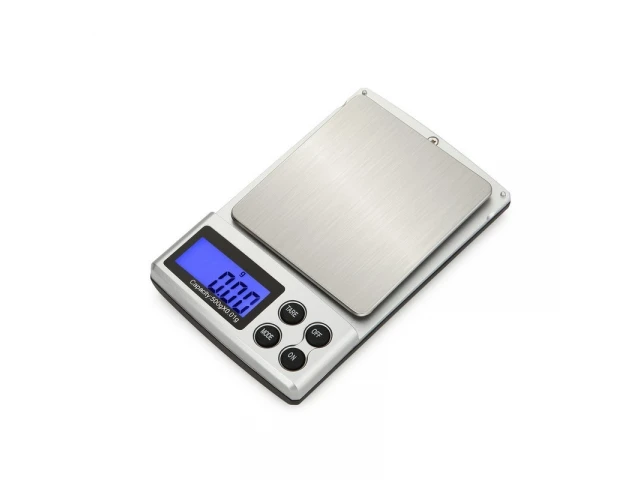
![Pocket Scales]()
Pocket Scales
In an era where portability and precision have become essential elements of modern life, compact weighing devices have emerged as practical tools that bridge the gap betwe…![Painted Cast Iron Weight]()
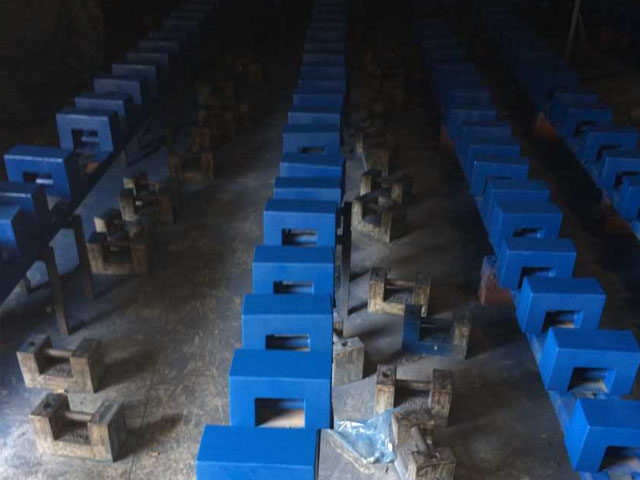
Painted Cast Iron Weight
Painted cast iron weight stands as a fundamental and reliable physical object deeply integrated into industrial production, daily operational debugging, mechanical balanci…![Textile Balances]()
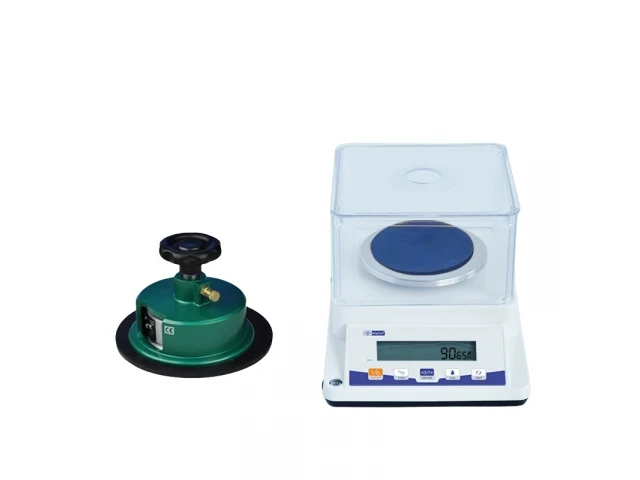
Textile Balances
Textile balance stands as one of the most fundamental and profound concepts within the entire textile industry, weaving through every stage of fiber processing, fabric for…![Cast Iron Weight For Weighing]()
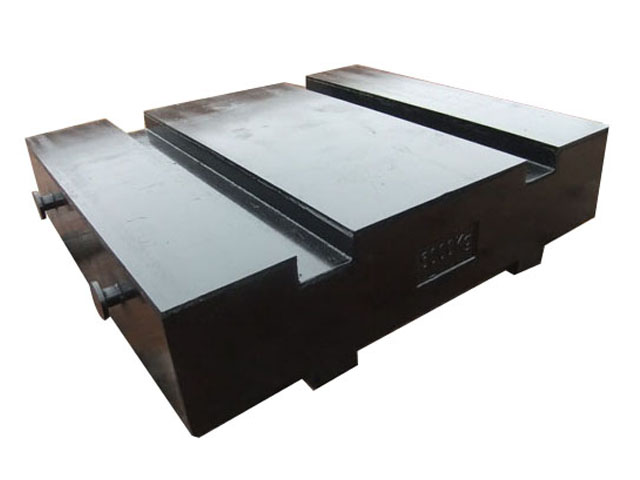
Cast Iron Weight For Weighing
Cast iron weight for weighing stands as one of the most fundamental and time-tested measuring essentials across all kinds of weighing and metering work, serving as a stead…![Slot Hook Weights]()
Slot Hook Weights
Slot hook weights are essential load-bearing and calibration accessories widely used in industrial production, mechanical debugging, physical testing, and daily rigging op…