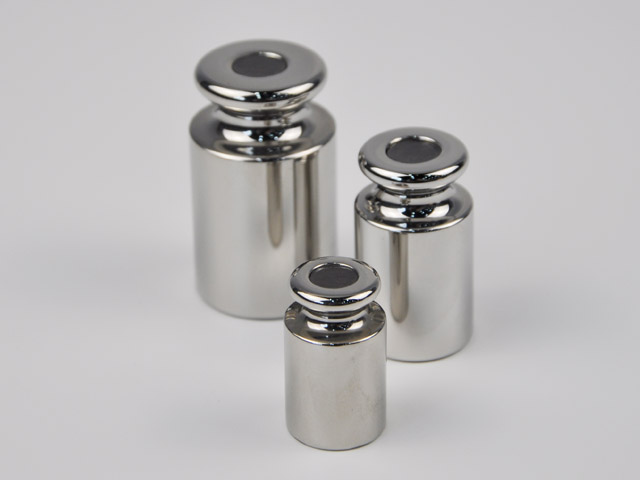
F2 Class Stainless Steel Weight
In the intricate and interconnected world of modern measurement technology, consistent and reliable mass reference stands as an indispensable foundation for every precise weighing operation carried out across laboratories, industrial production facilities, commercial trading environments, and quality inspection institutions. F2 class stainless steel weight occupies a vital middle position in the hierarchical system of mass reference standards, serving as a critical bridge that connects basic primary mass references with daily weighing equipment used in routine production and testing work. Unlike general common weighing tools that only meet rough mass comparison needs, this type of weight is meticulously engineered and processed to maintain stable mass performance under various conventional environmental conditions, ensuring that all kinds of weighing instruments can maintain accurate and consistent measurement states during long-term use and frequent repeated calibration processes. The selection of stainless steel as the core manufacturing material further endows the weight with excellent inherent advantages, enabling it to adapt to complex and changeable use scenarios while maintaining stable physical properties, and becoming a reliable basic component that cannot be replaced in the field of precision weighing and measurement work.
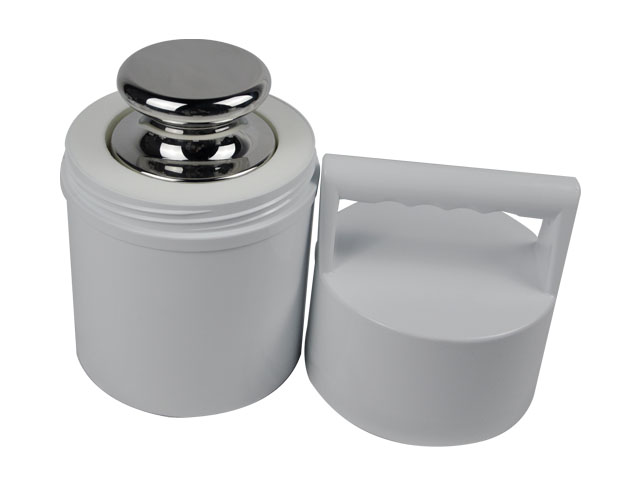
The material selection of F2 class stainless steel weight is the core premise to ensure its long-term stable mass state and reliable service performance, and the stainless steel used for production is carefully selected and refined to meet the basic physical and chemical requirements required for precision mass reference use. This special stainless steel material is formulated with a reasonable metal element ratio, which effectively optimizes the internal structure of the metal, giving the material good density uniformity and low magnetic permeability characteristics, two key attributes that directly affect the accuracy and stability of the weight in long-term use. Uniform internal density ensures that the overall mass distribution of each weight is balanced and consistent, avoiding subtle mass deviation caused by uneven material density during the long-term placement and use of the weight. Low magnetic permeability can effectively prevent the weight from being affected by external magnetic fields in the working environment, preventing magnetic adsorption from causing tiny mass changes or interfering with the normal induction and measurement of precision weighing equipment during calibration work. In addition, this stainless steel material has outstanding natural corrosion resistance and oxidation resistance, which can effectively resist the erosion of moisture, dust, weak acid and weak alkaline substances that may be contacted in conventional laboratory and industrial working environments. In the daily working process, many measurement spaces will have subtle changes in air humidity and trace chemical volatile substances, ordinary metal materials are prone to surface oxidation, rust or chemical corrosion after long-term exposure, which will directly change the surface quality of the weight, leading to the gradual deviation of the overall nominal mass and affecting the accuracy of subsequent weighing calibration work. The stainless steel used for F2 class weights can well avoid such problems, maintaining the integrity and stability of the surface and internal structure for a long time, and laying a solid material foundation for the long-term reliable use of the weight.
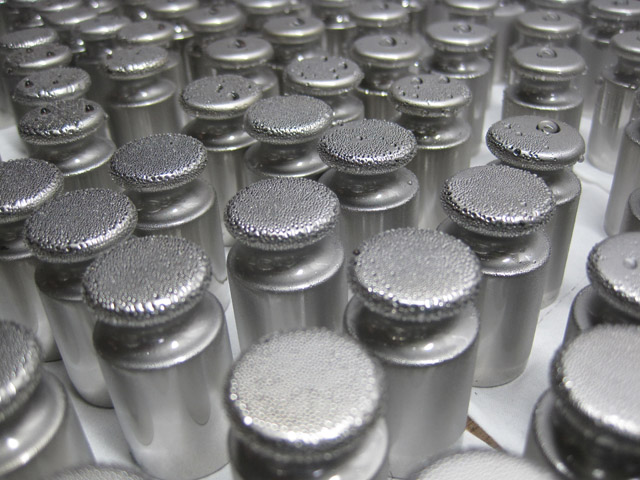
The production and processing process of F2 class stainless steel weight follows rigorous and standardized manufacturing procedures, and every processing link is carefully controlled to ensure that each finished weight can meet the corresponding dimensional specifications, surface finish and mass deviation requirements. The whole production process starts from the initial cutting and forging of stainless steel raw materials, through multiple fine turning, grinding and polishing procedures, and finally undergoes fine mass adjustment and surface finishing treatment. In the initial forging and forming stage, the stainless steel raw material is processed into the basic shape of the weight according to the preset dimensional design standards, and the internal stress generated during metal processing is fully eliminated through professional heat treatment technology, preventing the weight from subtle structural deformation and mass change due to internal stress release after long-term placement. The fine turning process ensures that the overall dimensional uniformity of the weight meets the use requirements, the outer contour is smooth and regular, and the matching degree with the conventional weight storage tools and handling tools is improved, facilitating daily carrying, placement and storage management. The surface polishing treatment is not only for the aesthetic appearance of the weight, but more importantly, to form a smooth and dense surface protective layer on the surface of the stainless steel weight. The smooth surface structure can effectively reduce the adhesion of dust, dirt and other impurities in the air, making daily cleaning and maintenance work more convenient, and at the same time reducing the contact area between the weight surface and external harmful substances, further enhancing the corrosion resistance and oxidation resistance of the weight. The final fine mass adjustment link is the key step to ensure the core performance of the weight, and professional staff will carry out repeated fine debugging and trimming according to the preset mass reference requirements, so that the actual mass of each weight is kept within the reasonable fluctuation range suitable for F2 class use, ensuring that it can meet the calibration and testing needs of various medium and high precision weighing equipment in actual work.
F2 class stainless steel weight has a wide range of practical application values in multiple professional fields, and its moderate accuracy level and excellent environmental adaptability make it suitable for most conventional precision weighing and calibration work scenarios. In various scientific research and testing laboratories, all kinds of analytical balances, precision electronic scales and mechanical weighing instruments used for experimental data testing and sample detection need regular daily calibration and periodic verification work. The accuracy level of F2 class weight is perfectly matched with the use requirements of these laboratory weighing equipment, which can effectively correct the tiny measurement deviation generated by the weighing instrument after long-term operation, frequent use and slight environmental interference, ensuring that the mass data of experimental sample testing is true, accurate and repeatable, and providing reliable basic data support for scientific research experiments, material performance testing and ingredient ratio research. In the industrial production and manufacturing industry, many production links involving raw material batching, finished product quality inspection and product mass grading also need stable mass reference standards. For example, in the processing and production of fine chemical products, food raw material preparation, hardware parts processing and other industries, the accurate weighing of raw materials and finished products is directly related to product quality stability and production batch consistency. F2 class stainless steel weight can be used for regular calibration of production workshop weighing equipment, ensuring that the weighing data in the production process is accurate, avoiding product quality problems caused by inaccurate weighing, and helping enterprises maintain stable production quality and good production efficiency.
In commercial trading and commodity quality supervision fields, F2 class stainless steel weight also plays an irreplaceable important role. Many commercial transactions involving precious bulk materials, high-value fine commodities and retail commodity settlement rely on accurate weighing measurement results as the basis for transaction settlement. The unified and accurate mass reference provided by F2 class weights can ensure the fairness and rationality of commercial weighing transactions, avoid transaction disputes caused by inaccurate weighing equipment, and maintain the orderly development of commercial trading order. At the same time, in the daily quality supervision and law enforcement inspection work of market management departments, relevant staff will use this type of weight to spot check and verify the weighing instruments used in various shopping malls, markets and production and sales enterprises, timely discover and correct the inaccurate state of weighing equipment, standardize the use of commercial weighing tools, and protect the legitimate rights and interests of both buyers and sellers in market transactions. In addition, in the field of metrology and measurement management, F2 class stainless steel weight is also used as a common working reference standard for daily maintenance and value transfer of measurement equipment, realizing the gradual transfer of mass measurement values from higher-level reference standards to various terminal weighing equipment, ensuring the unity and consistency of mass measurement data in the whole society and all walks of life.
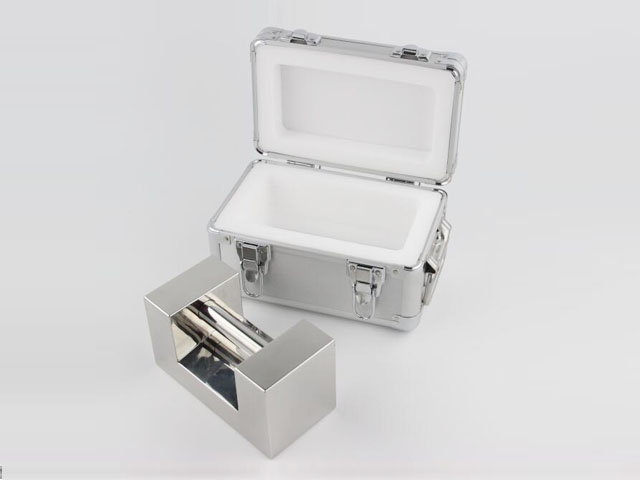
Daily correct use and scientific maintenance management are crucial to prolong the service life of F2 class stainless steel weight and maintain its long-term mass stability. Although the stainless steel material itself has good corrosion resistance and structural stability, improper use and long-term neglect of maintenance will still cause unnecessary mass deviation and surface damage to the weight, affecting its normal use effect and service cycle. In the daily handling and use process, staff should avoid direct contact between the weight surface and hands as much as possible, because the sweat, oil and other impurities on the human hand surface will adhere to the weight surface, forming a subtle dirt layer over time, which will not only affect the surface finish of the weight, but also cause tiny changes in the actual mass, and even cause slight corrosion and oxidation on the metal surface after long-term adhesion. It is recommended to use special gloves or professional weight handling tools to carry and place the weight, ensuring that the placement process is gentle and stable, avoiding violent collision, friction and falling of the weight. Violent impact will not only cause deformation and damage to the outer structure of the weight, but also may cause subtle changes in the internal metal structure, resulting in irreversible mass deviation and affecting the accuracy of calibration work. After each use, the weight should be cleaned simply and appropriately according to the environmental conditions of use, and the surface dust and residual impurities should be wiped off with a soft, clean and dry cloth. If there are stubborn stains on the individual weight surface, it can be wiped with a slightly damp soft cloth, and it must be placed in a dry and ventilated environment to dry naturally after wiping, and then put into a special sealed storage container for safekeeping.
The storage environment of F2 class stainless steel weight also needs to meet certain basic requirements, and it should be placed in a dry, clean, constant temperature and low humidity storage space as far as possible, avoiding long-term placement in high humidity, high temperature, dusty and corrosive gas-containing environments. High humidity environment will increase the risk of moisture adhesion on the weight surface, even for stainless steel materials, long-term humid environment will also cause subtle surface changes; dusty environment will make a lot of dust adhere to the weight surface, increasing the difficulty of cleaning and affecting the mass stability; corrosive gas environment will slowly erode the weight surface, causing irreversible damage to the metal structure. The special storage container for the weight can effectively isolate the external adverse environmental interference, prevent the weight from being affected by external temperature and humidity changes and dust pollution during long-term storage, and keep the weight in a stable storage state for a long time. In addition, the F2 class stainless steel weight that has been used for a period of time needs regular routine inspection and professional mass detection work. Through regular inspection, the surface integrity and structural stability of the weight can be checked in a timely manner, and the weight with surface damage or structural deformation can be found and handled in a timely manner. Regular professional mass detection can confirm whether the actual mass of the weight is still within the reasonable deviation range, and if subtle mass deviation occurs, it can be adjusted and corrected in a timely manner to ensure that it always maintains a good working state and meets the needs of long-term calibration and measurement work.
With the continuous progress of modern industrial technology, scientific research level and metrology management system, the requirements for the accuracy and stability of mass measurement work in all walks of life are constantly improving, and the important role of F2 class stainless steel weight in the entire mass measurement and weighing calibration system has become more prominent. It is not only a simple mass reference tool, but also an important basic guarantee to ensure the accuracy and consistency of weighing measurement data in all links of social production, scientific research and commercial transactions. Its excellent material performance standardized manufacturing process and wide application adaptability make it perfectly adapt to the diverse use needs of different fields, and it can maintain stable and reliable working performance in long-term repeated use and complex environmental conditions. Whether it is precision experimental testing in professional laboratories, quality control in industrial production, or fair measurement in commercial transactions and standardized supervision in metrology management, F2 class stainless steel weight can provide solid and reliable mass reference support. Through reasonable material selection, rigorous production processing, standardized daily use and scientific maintenance management, this type of weight can give full play to its core performance advantages, continuously provide accurate mass reference services for various weighing and measurement work, help all industries carry out various production, research and transaction work in an orderly manner based on accurate measurement data, and promote the standardized and precise development of the entire measurement and weighing industry.
F2 Class Stainless Steel Weight
https://www.veidtweighing.com/ssweight/StainlessSteelWeight
Post Date: May 4, 2026
https://www.supplier-manufacturer.com/stainless-steel-weight/f2-class-stainless-steel-weight.html

![200g Stainless Steel Weight]()
200g Stainless Steel Weight
In the vast landscape of mass measurement and balance adjustment tools, the 200g stainless steel weight stands out as a foundational and versatile component that seamlessl…![2kg Stainless Steel Corrosion Resistant Test Weight]()
2kg Stainless Steel Corrosion Resistant Test Weight
In modern industrial production, laboratory testing, and daily precision measurement work, standard test weights serve as fundamental auxiliary tools to ensure the accurac…![Industrial Stainless Steel Weight For Weighing Scale]()
Industrial Stainless Steel Weight For Weighing Scale
In modern industrial production and material management processes, accurate weight measurement serves as one of the fundamental foundations for maintaining stable producti…![Stainless Steel Lock Type Calibration Weight For Crane Scale]()
Stainless Steel Lock Type Calibration Weight For Crane Scale
Crane scales serve as essential weighing equipment in modern industrial operations, widely deployed in heavy-load weighing, cargo measurement, and weight verification acro…![Slotted Test Weight]()
Slotted Test Weight
Slotted test weight stands as a foundational and indispensable component within the broader landscape of physical measurement, mechanical testing, and educational experime…