Types of Stainless Steel Weight
Stainless steel stands out among industrial and structural materials for its balanced combination of corrosion resistance, mechanical stability, and adaptable physical properties, with weight characteristics serving as a core factor that influences material selection, structural design, and practical application across countless industries. The weight of stainless steel is not a fixed parameter for the entire material category but varies significantly based on alloy composition, internal crystal structure, and grade classification. Each type of stainless steel carries unique density and weight traits that correspond to its elemental makeup, structural features, and service performance, creating distinct application boundaries in engineering, manufacturing, and construction fields. Understanding the weight differences among various stainless steel types helps technicians optimize structural load design, control material consumption, and improve the overall stability and economy of finished products.
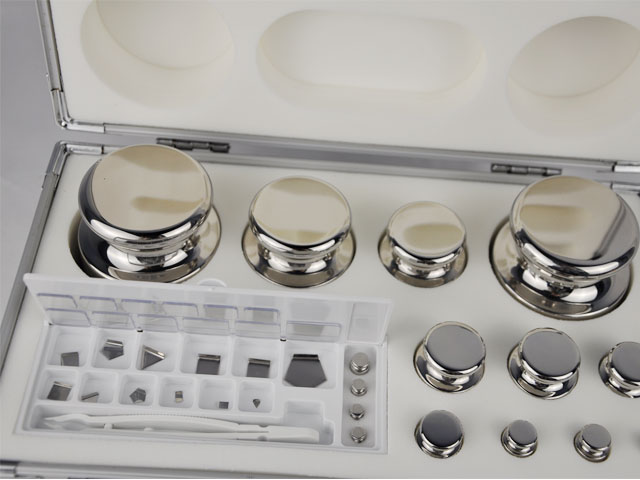
Austenitic stainless steel constitutes the most widely used category in the stainless steel family, featuring a face-centered cubic crystal structure that delivers excellent ductility, toughness, and processing performance. This series relies on balanced chromium and nickel alloying elements to form a stable internal structure, and its relatively high density range directly shapes its typical weight attributes. Common grades within this category include 304, 316, 316L, and 303, each displaying subtle weight variations driven by minor differences in elemental proportions. The conventional density range for austenitic stainless steel falls between 7.93 g/cm³ and 8.00 g/cm³, making these grades moderately heavy among mainstream stainless steel types, with consistent weight distribution across processed plates, pipes, and profiles.
Grade 304 stainless steel serves as a universal austenitic alloy with a standard density of 7.93 g/cm³, delivering steady weight performance in various processing forms. Its chemical composition, dominated by chromium and nickel without additional heavy alloy elements, creates a uniform weight per unit volume that remains stable under normal temperature and pressure conditions. In practical use, sheets, bars, and tubes made of 304 stainless steel show predictable weight changes with dimensional variations, allowing for precise load calculation in structural design. This grade’s moderate weight, paired with reliable formability and corrosion resistance, makes it suitable for food processing equipment, daily hardware, building decorative components, and general industrial structural parts, where balanced weight and performance avoid excessive structural burden while maintaining sufficient structural rigidity.
Grade 316 stainless steel exhibits a slightly higher weight density compared to 304, registering around 7.98 g/cm³ to 8.00 g/cm³. The subtle increase in unit weight stems from the addition of molybdenum, a heavy alloy element that enhances the material’s resistance to pitting and crevice corrosion in chloride-rich environments. Though the density difference with 304 appears minimal in small-scale components, the cumulative weight gap becomes noticeable in large-scale structures such as chemical storage tanks, marine piping systems, and industrial heat exchange equipment. Engineers often account for this slight weight increase in overall load planning for marine and chemical engineering projects, as the enhanced corrosion tolerance justifies the minor adjustment in structural bearing design. The low-carbon variant 316L maintains a nearly identical density to standard 316, with carbon content adjustments barely affecting unit weight, while improving weldability and reducing intergranular corrosion risks for welded structural components.
Grade 303 austenitic stainless steel shares the same density of 7.93 g/cm³ as 304, with its weight characteristics remaining consistent despite optimized sulfur content for improved machinability. The adjustment of trace elements for cutting performance does not alter the material’s basic crystal structure or main alloy proportions, so its unit weight and overall weight performance align closely with 304 grades. This grade is commonly used for precision mechanical parts, fasteners, and turned components, where stable weight uniformity ensures consistent assembly accuracy and structural balance in mechanical operation. The similarity in weight parameters with general austenitic grades simplifies material matching and load calibration in multi-component mechanical systems.
Ferritic stainless steel represents another major category with distinct weight features, characterized by a body-centered cubic crystal structure and low or zero nickel content. The absence of nickel and differences in atomic packing efficiency within the lattice structure reduce the overall density of ferritic grades compared to most austenitic stainless steels, creating obvious lightweight advantages. Typical ferritic grades such as 430 have a density of approximately 7.75 g/cm³, sitting at the lower end of the standard stainless steel density spectrum. This reduced unit weight originates from the simpler alloy composition, which relies primarily on chromium for corrosion resistance without high-density nickel and molybdenum additives.
The lightweight property of ferritic stainless steel brings unique application value in scenarios requiring controlled structural weight. Automotive trim parts, household appliance shells, and indoor decorative components widely adopt 430 stainless steel, as its lower unit weight helps reduce overall equipment load, save material usage, and lower structural inertia during operation. Despite the reduced weight, ferritic stainless steel retains adequate hardness and atmospheric corrosion resistance for daily and indoor industrial use. It is important to note that the weight advantage comes with slight trade-offs in toughness and high-temperature stability compared to austenitic grades, so material selection always balances weight demands and service environment requirements. The magnetic property inherent in ferritic stainless steel also differentiates its application scenarios from non-magnetic austenitic grades, forming a complementary relationship in practical engineering.
Duplex stainless steel integrates the structural advantages of austenitic and ferritic stainless steels, featuring a dual-phase crystal structure that blends two internal phase compositions. Its weight characteristics fall between conventional ferritic and standard austenitic grades, with density levels varying according to specific alloy ratios and grade specifications. Common duplex grades like 2205 have a density of around 7.95 g/cm³, while super duplex grade 2507 reaches approximately 8.03 g/cm³, representing the higher density range among common stainless steel types. The elevated density of super duplex steel derives from increased chromium, molybdenum, and nitrogen content, with these high-density alloy elements improving structural strength and corrosion resistance while raising unit weight.
The weight performance of duplex stainless steel matches its high-strength structural attributes. Its mechanical strength is nearly twice that of ordinary austenitic and ferritic stainless steels, allowing designers to use thinner wall thicknesses and smaller component sizes while maintaining equivalent structural strength. In high-pressure and high-corrosion environments such as offshore engineering equipment, petrochemical pipelines, and pressure vessels, the reasonable weight distribution of duplex steel achieves a balance between structural robustness and overall load control. Although its unit weight is slightly higher than ferritic steel, the reduced material volume required for equal strength effectively controls the total weight of finished structures, delivering comprehensive weight optimization benefits in large industrial projects. The low nickel content in duplex steel also adjusts alloy density distribution, creating a unique weight-performance ratio distinct from traditional austenitic grades.
Martensitic stainless steel, known for its high hardness and wear resistance, has density and weight characteristics similar to ferritic stainless steel, with conventional density ranging from 7.70 g/cm³ to 7.80 g/cm³. This type of stainless steel adopts a martensitic crystal structure formed through heat treatment and quenching processes, with alloy components dominated by chromium and carbon, without large amounts of high-density nickel and molybdenum. The relatively low unit weight pairs with outstanding hardness and mechanical strength, making it suitable for wear-resistant parts, tool components, and structural parts requiring high surface rigidity.
The weight stability of martensitic stainless steel after heat treatment is a key practical feature. Hardening and tempering processes adjust internal grain structure without changing material density, ensuring consistent component weight after processing and heat treatment. This stability is critical for precision tool manufacturing and mechanical transmission parts, where uniform weight distribution avoids operational deviation caused by unbalanced component mass. While martensitic stainless steel has favorable lightweight performance, its corrosion resistance is relatively limited compared to austenitic and duplex grades, restricting its use to dry, low-corrosion working environments where weight control and hardness are primary demands.
Precipitation-hardening stainless steel occupies a specialized niche in the stainless steel system, with density and weight parameters varying based on customized alloy formulations. Its density generally ranges from 7.85 g/cm³ to 7.95 g/cm³, with subtle fluctuations driven by trace alloy elements that enable precipitation hardening. The unique feature of this steel type lies in its adjustable mechanical properties through aging treatment, while maintaining stable weight characteristics throughout processing and service cycles. The precise weight uniformity makes it ideal for aerospace components, high-precision mechanical parts, and structural components that require both high strength and strict weight tolerance control.
The weight differences across all stainless steel types stem fundamentally from elemental density disparities and internal structural packing efficiency. Heavy alloy elements such as molybdenum and niobium increase unit volume weight, while high nickel content in austenitic structures optimizes atomic arrangement to maintain medium-level density. Ferritic and martensitic structures with simple alloy compositions and loose atomic packing show lower density and lighter unit weight, while duplex structures with dual-phase stacking and high alloy content achieve higher density and strength coordination. These inherent physical differences determine that each stainless steel type has exclusive weight application scenarios, with no universal option for all engineering needs.
In practical industrial design and material selection, stainless steel weight characteristics must be matched with service conditions and structural functional requirements. For lightweight priority scenarios such as automotive accessories and household equipment, ferritic and martensitic stainless steels offer reliable weight control solutions. For general industrial and civil construction scenarios requiring balanced weight, corrosion resistance, and processability, conventional austenitic grades remain the mainstream choice. For high-strength, high-corrosion industrial environments with comprehensive load control demands, duplex and precipitation-hardening stainless steels leverage their unique weight-performance advantages to meet stringent engineering standards.
Accurate grasp of stainless steel weight types and corresponding parameter differences also helps reduce material waste and improve structural safety. Excessively heavy materials may increase structural load and energy consumption during equipment operation, while overly lightweight materials may fail to meet strength and stability requirements. By classifying and applying different stainless steel grades based on their weight characteristics, production and manufacturing processes can achieve refined material matching, optimizing the overall performance and economic efficiency of products. As industrial manufacturing technology advances, the continuous optimization of stainless steel alloy ratios will further enrich weight parameter ranges, providing more targeted material options for diversified and high-precision engineering applications.
Types of Stainless Steel Weight
https://www.veidtweighing.com/ssweight/StainlessSteelWeight
Post Date: May 23, 2026
https://www.supplier-manufacturer.com/stainless-steel-weight/types-of-stainless-steel-weight.html

![Cast Iron Weight With Lifting Eye]()
Cast Iron Weight With Lifting Eye
Cast iron weight with lifting eye stands as a fundamental and dependable component widely utilized across industrial operation, mechanical commissioning, engineering testi…![Mechanical Balances]()
Mechanical Balances
The mechanical balance stands as one of the most fundamental and time-tested instruments in the field of physical measurement, serving as a core tool for determining mass …![Custom Cast Iron Weight]()
Custom Cast Iron Weight
In countless industrial, mechanical, maritime, and infrastructure operational scenarios, the demand for reliable and well-matched weight balancing components has always re…![Cast Iron Weights]()
Cast Iron Weights
Cast iron weight stands as a fundamental functional component widely utilized across industrial production, mechanical operation, fitness training, and infrastructure cons…![What is Cast Iron Weight]()
What is Cast Iron Weight
Cast iron weights stand as one of the most fundamental and widely used physical weighing standards in modern industrial production, commercial measurement, and equipment c…