M2 Class Standard Weight
Mass measurement forms the invisible backbone of all modern social and economic activities, serving as a fundamental foundation for fair transactions, orderly industrial production, and standardized quality management across every corner of daily life and professional operation. Every weighing action carried out in market trading venues, manufacturing workshops, warehousing and logistics hubs, and basic industrial detection processes relies on reliable mass reference carriers to ensure that the data obtained from weighing instruments stays consistent, credible, and in line with unified measurement norms. Among all the common mass reference tools used for daily weighing verification and routine calibration work, M2 class standard weight stands out as a core intermediate measurement tool that perfectly balances practical accuracy, stable structural performance, and wide application adaptability, fitting seamlessly into the middle link of the entire mass measurement transmission chain and connecting high-precision laboratory measurement standards with ordinary on-site weighing work scenarios. This type of standard weight is designed to meet the basic and medium-level measurement accuracy needs of most conventional scenarios, neither pursuing the ultra-high precision reserved for professional laboratory advanced calibration work nor simplifying structural design and performance standards to the extent of being only suitable for rough weighing estimation, making it one of the most widely adopted and practically valuable mass standard carriers in current social production and commercial circulation fields.
To fully understand the practical value and working logic of M2 class standard weight, it is essential to start with its core positioning in the overall mass measurement grading system, which clarifies its applicable boundaries and basic performance design direction. In the complete hierarchical system of mass measurement standards, different classes of standard weights are divided according to strict tolerance ranges, manufacturing specifications, and usage scenarios, with each class undertaking a unique measurement transmission task and forming a gradual and orderly measurement guarantee system from high-precision laboratory reference to on-site practical application. Higher-level standard weights are mainly used in professional measurement institutions and precision laboratories, responsible for calibrating and verifying medium-level standard weights, with extremely strict requirements for material purity, processing fineness, and environmental use conditions, and are not suitable for frequent handling, mobile use, or complex on-site working environments. Lower-level standard weights are oriented to simple rough weighing scenarios with low accuracy requirements, focusing more on basic weight presentation rather than long-term stability and data consistency of measurement values. M2 class standard weight is precisely set for the intermediate connection link of this system, mainly undertaking two core basic tasks in actual use: completing regular verification and data calibration for lower-grade standard weights that are widely used in grassroots scenarios, and directly matching with medium-accuracy weighing equipment commonly used in commercial transactions and general industrial production to complete daily weighing testing, instrument debugging, and on-site measurement confirmation work. This clear positioning determines that the overall design of M2 class standard weight always takes moderate accuracy, strong environmental adaptability, durable structural performance, and convenient daily operation as the core design principles, ensuring that it can maintain stable and reliable measurement performance in long-term repeated use and complex on-site environments without frequent deviation or performance attenuation.
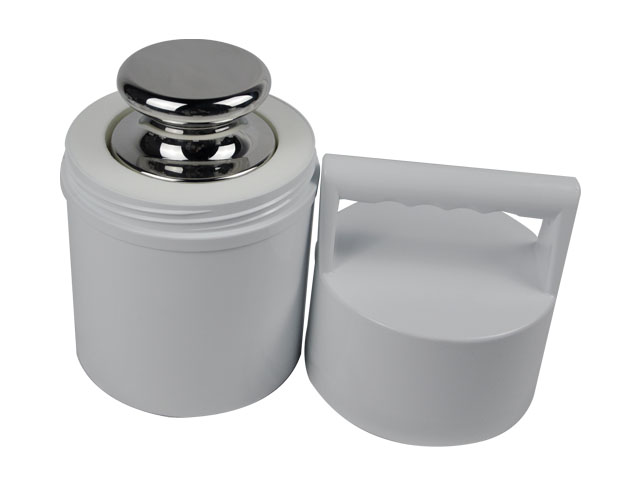
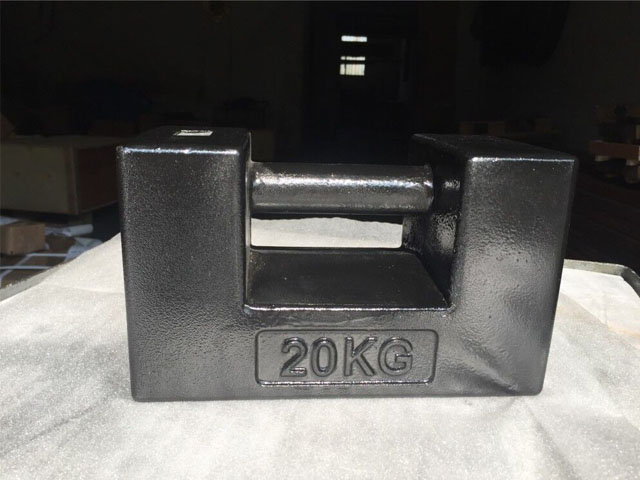
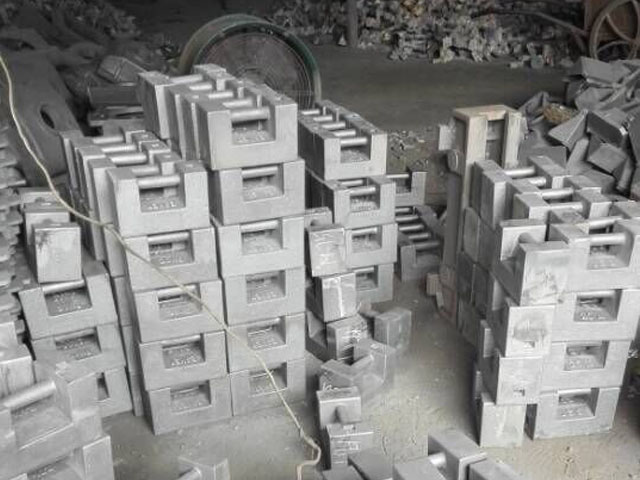
The material selection and structural manufacturing process of M2 class standard weight are key factors supporting its stable measurement performance and long service life, directly affecting the consistency of its mass value and the ability to resist external environmental interference in long-term use. In terms of main material selection, this type of standard weight mostly adopts high-density metal materials with stable physical and chemical properties, among which fine cast iron and high-quality brass are the most commonly used base materials, and a small number of specifications adopt stainless steel materials according to special use needs. All selected materials have been screened for uniform density, low thermal expansion coefficient, and strong corrosion resistance, effectively avoiding mass value changes caused by material oxidation, corrosion, or thermal expansion and contraction in different temperature and humidity environments. Unlike high-precision standard weights that pursue extremely smooth surface finish and strict material purity, M2 class standard weight focuses more on overall structural compactness and surface protection treatment on the premise of meeting basic accuracy requirements. The surface of cast iron and brass M2 class standard weight will be treated with professional painting or powder coating processes, forming a dense protective layer on the surface to isolate air moisture, dust, and corrosive substances in the use environment, preventing rust, oxidation, and surface wear that may affect the stability of the mass body. In terms of structural design, the conventional M2 class standard weight mostly adopts a classic cylindrical integrated structure, with a smooth and rounded outer surface without sharp edges and corners, which not only facilitates daily handling, placement, and stacking but also reduces surface wear and collision damage during frequent handling and transportation. For large-specification M2 class standard weight used in industrial heavy-load weighing scenarios, block and hanging structural designs are also adopted to adapt to different types of weighing instrument matching and on-site fixing and use needs. Each finished M2 class standard weight will undergo fine debugging and mass fine-tuning during the manufacturing process, ensuring that its actual mass value is controlled within the allowable tolerance range corresponding to the class, and every batch of products maintains consistent quality and performance without obvious individual differences.
The tolerance control and accuracy management mechanism of M2 class standard weight is formulated around the practical needs of medium-accuracy measurement scenarios, forming a scientific and reasonable error control range that balances usability and normative requirements. In the actual measurement work, any standard weight will have a certain tiny deviation between the actual mass and the nominal marked mass, and the core difference between different classes of standard weights lies in the strictness of the allowable deviation range. The tolerance setting of M2 class standard weight does not pursue extremely small error limits like high-grade standard weights but sets a reasonable deviation range fully matching the accuracy level of medium-accuracy weighing instruments and conventional commercial and industrial weighing needs. This means that under normal use conditions, the tiny mass deviation of M2 class standard weight will not affect the final weighing result authenticity and transaction fairness, nor will it interfere with the normal production and detection data records of industrial enterprises. In addition to the initial accuracy control at the time of production, M2 class standard weight also has clear requirements for long-term accuracy maintenance. The natural wear and tear caused by long-term use, slight collision and friction in handling, and changes in storage environment may cause tiny changes in mass value over time. Therefore, regular re-verification and calibration of M2 class standard weight are required during use to timely confirm whether its mass value is still within the qualified tolerance range. Once slight deviation occurs, fine adjustment can be carried out through professional debugging means to restore its standard measurement performance, ensuring that it can continue to meet the needs of subsequent weighing verification and calibration work. This regular accuracy maintenance mechanism ensures that M2 class standard weight can maintain long-term stable measurement reliability throughout the entire service cycle, avoiding measurement errors caused by performance attenuation and ensuring the continuity and effectiveness of daily measurement work.
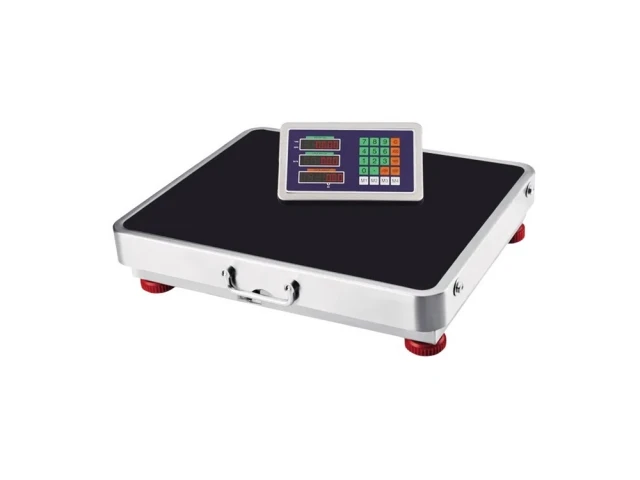
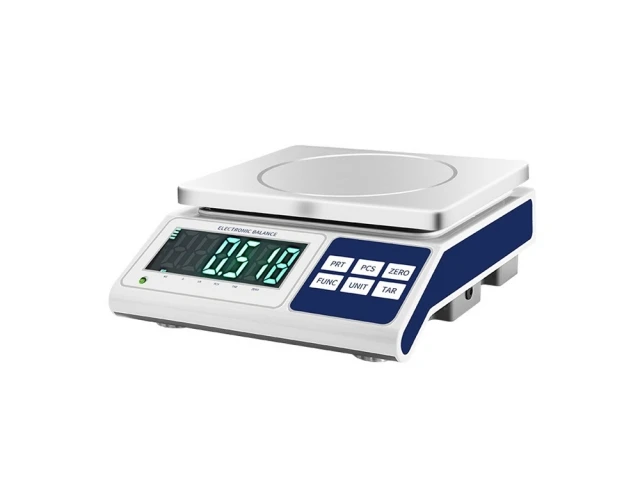
The application scope of M2 class standard weight covers almost all conventional commercial transaction scenarios and general industrial production links requiring medium-accuracy weighing management, showing extremely strong practical applicability and scenario compatibility. In commercial circulation fields such as retail markets, supermarkets, grocery stores, and bulk commodity trading markets, various daily used platform scales, electronic pricing scales, and bulk weighing scales all belong to medium-accuracy weighing equipment, and M2 class standard weight is the most ideal matching measurement standard for daily debugging and regular verification of these weighing tools. Merchants and market management personnel can use M2 class standard weight to regularly check whether the weighing data of various transaction scales is accurate, effectively avoiding inaccurate weighing caused by instrument failure, parameter deviation, or improper use, safeguarding the legitimate rights and interests of both buyers and sellers, and maintaining the fair and orderly operation of the market trading environment. In warehousing and logistics links, enterprises need to conduct weighing inspection on incoming materials, outgoing goods, and inventory materials to ensure that the actual weight of materials and goods matches the recorded data. M2 class standard weight is used to calibrate various warehouse platform scales and logistics weighing equipment, ensuring the accuracy of material warehousing and outgoing weighing data, facilitating accurate inventory management and logistics cargo handover settlement, and avoiding economic losses and management confusion caused by weighing data errors.
In general industrial production and processing enterprises, M2 class standard weight also plays an indispensable basic role in production quality control and process management. Many production and processing links need to carry out proportioning of raw materials, weighing of semi-finished products, and weight detection of finished products, and these links do not require ultra-high precision measurement but need stable and reliable medium-accuracy weighing data to ensure the stability of product quality and the consistency of production batches. Factory quality inspection personnel and production management staff can use M2 class standard weight to regularly calibrate production workshop weighing instruments, check the operating status of weighing equipment in real time, ensure that each production link's weighing and proportioning work is carried out within standard data range, reduce product quality fluctuations caused by inaccurate weighing, and improve the overall qualified rate of factory products. In addition, in grassroots measurement management work and basic metrology service links, M2 class standard weight is also used as a special tool for daily verification and upgrading maintenance of lower-grade standard weights, undertaking the important task of measurement value transmission at the grassroots level, ensuring that the measurement standards of all grassroots weighing links are unified and consistent, and laying a solid foundation for the standardized development of regional measurement work.
Daily maintenance, scientific storage, and standardized operation are important prerequisites to extend the service life of M2 class standard weight and maintain its long-term measurement accuracy, and good daily management habits can effectively avoid unnecessary performance attenuation and damage to the standard weight. In terms of daily use operation, operators need to handle M2 class standard weight gently, avoiding violent collision, arbitrary throwing, and excessive friction between weights or with hard objects, because severe collision and friction will not only cause damage to the surface protective coating of the standard weight but also lead to tiny changes in mass volume and mass value, affecting measurement accuracy. During the weighing calibration and verification process, the standard weight should be placed stably and flatly on the weighing instrument's bearing surface, avoiding tilting, shaking, and long-term placement in high-temperature, high-humidity, or strong corrosive gas environments, so as to prevent thermal deformation, surface moisture corrosion, and chemical corrosion of the metal material. In terms of storage management, unused M2 class standard weight needs to be placed in a dry, ventilated, dust-proof, and stable special storage area, avoiding long-term exposure to outdoor air, humid warehouses, or environments with severe dust and corrosive substances. Different specifications of standard weights should be classified and stored separately, avoiding random stacking and mutual extrusion, to prevent surface wear and structural deformation caused by long-term extrusion.
In addition, regular cleaning and regular re-inspection work cannot be ignored in daily management. The surface of M2 class standard weight should be cleaned regularly with a soft dry cloth to remove surface dust, stains, and residual sundries, keeping the surface clean and dry; do not use corrosive chemical cleaners for cleaning, so as not to damage the surface protective layer and cause material corrosion. According to the frequency of use and the complexity of the use environment, regular professional measurement re-verification should be arranged every certain cycle to detect whether the mass value of the standard weight is within the qualified tolerance range. If unqualified deviation is found, it should be stopped immediately for professional debugging and calibration, and it can only be put back into use after meeting the standard requirements again. Good daily maintenance and management not only can keep the measurement performance of M2 class standard weight stable for a long time and ensure the accuracy and reliability of each use but also can effectively reduce the loss rate of the standard weight, reduce the replacement frequency, and bring stable and cost-effective measurement guarantee for enterprises and market management work.
Looking at the entire mass measurement system and the actual demand of social economic operation, M2 class standard weight, as an indispensable intermediate measurement standard tool, has irreplaceable practical value and industry significance despite not belonging to high-end precision measurement equipment. It builds a stable and reliable connection bridge between high-precision laboratory measurement standards and grassroots on-site weighing application scenarios, ensuring that the measurement value transmission of the entire weighing system is accurate, orderly, and unified. Whether it is maintaining fair market transactions, standardizing industrial production quality management, optimizing logistics and warehousing weighing management, or doing a good job in grassroots measurement basic work, M2 class standard weight can always adapt to various complex conventional use scenarios with its moderate accuracy, stable performance, strong durability, and convenient use characteristics. With the continuous standardized development of all walks of life and the continuous improvement of measurement management requirements, the importance of unified and accurate mass measurement is becoming more and more prominent in all links of production and life. M2 class standard weight will continue to undertake its core basic measurement task, provide solid and reliable mass standard support for daily weighing work in various fields, ensure that every weighing link in social operation is carried out in a standardized and accurate state, and escort the stable development of market economy and the standardized progress of industrial production.
M2 Class Standard Weight
https://www.veidtweighing.com/standard-weights.html
Post Date: May 4, 2026
https://www.supplier-manufacturer.com/standard-weight/m2-class-standard-weight.html

![M1 Class Standard Weight]()
M1 Class Standard Weight
Mass measurement forms the foundational backbone of all industrial production, laboratory testing, commercial transaction, and quality control activities across every sect…![Industrial Scales]()
Industrial Scales
Industrial scale represents the fundamental transformation of human manufacturing and production activities, marking the shift from scattered, manual, small-batch handicra…![Cast Iron Weight For Precision Scales]()
Cast Iron Weight For Precision Scales
Precision weighing forms the foundational backbone of countless operational workflows across industrial production, laboratory research, commercial transaction management,…![Commercial Scales]()
Commercial Scales
Commercial scale represents the critical transition from experimental, small-batch, or prototype-based production to systematic, market-oriented operation that meets stead…![Working Principle of Cast Iron Weight]()
Working Principle of Cast Iron Weight
Cast iron weights stand as fundamental functional components widely applied in industrial measurement, mechanical calibration, weighing equipment debugging, and physical f…