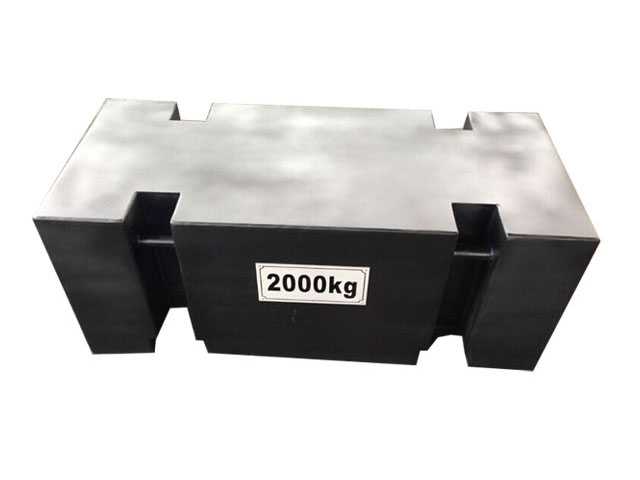
Test Weight Production
Test weight production stands as a foundational industrial manufacturing activity that underpins the reliability and consistency of weighing operations across countless industrial, commercial, and laboratory environments. Every physical test weight used to verify scale functionality, calibrate weighing equipment, and maintain measurement uniformity goes through a carefully structured sequence of manufacturing steps, each designed to uphold dimensional stability, mass uniformity, and long-term structural integrity throughout the service life of the finished product. The entire production workflow blends traditional metal forming craftsmanship with modern precision machining and controlled material treatment practices, ensuring each completed test weight aligns with consistent physical specifications and performs reliably under regular handling, repeated placement, and varying ambient working conditions. Unlike general metal component manufacturing, test weight production prioritizes consistent mass distribution above superficial appearance, requiring strict attention to material density uniformity, structural solidity, and surface protection to prevent gradual mass fluctuation caused by external environmental factors or routine operational wear and tear. Every stage from raw material selection and preparation to final surface finishing and mass adjustment follows standardized operational routines that minimize manufacturing deviations and guarantee each finished unit meets the practical demands of daily weighing verification and equipment calibration work in diverse working scenarios.
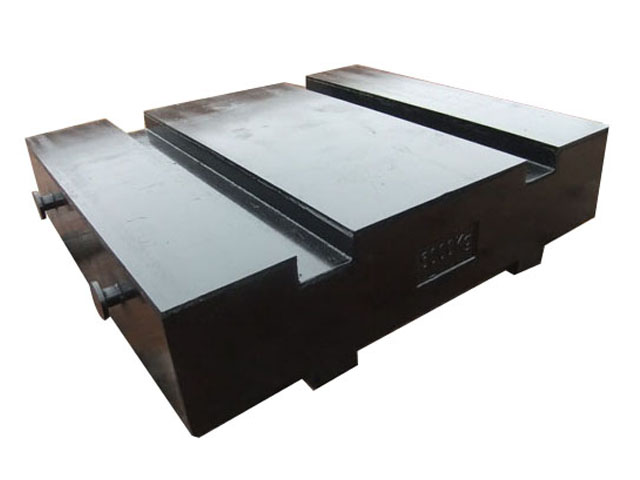
The initial phase of test weight production centers on thoughtful raw material selection and rigorous pre-production material preparation, which lays the fundamental foundation for stable mass performance and durable structural quality in every finished test weight. Manufacturers focus on selecting metal materials with steady inherent density, low natural oxidation tendency, and strong resistance to physical deformation under normal temperature changes and minor external impact, as inconsistent material density directly leads to uneven mass distribution inside each test weight and causes gradual measurement deviation during long-term repeated use. Before any formal processing begins, all selected raw metal materials go through thorough visual inspection and basic material screening to remove any pieces with obvious surface cracks, internal impurities, or uneven material texture that could compromise the uniformity of subsequent melting and forming processes. Raw materials are then sorted by material composition and physical characteristics, stacked in designated dry storage areas to avoid prolonged exposure to moisture and corrosive substances that might alter surface properties or internal material structure over time. Pre-production material processing also includes cutting raw metal materials into appropriate sizes and proportions suitable for subsequent melting procedures, ensuring the melting furnace can process materials evenly and maintain stable molten metal fluidity throughout the pouring stage. Workers follow consistent material proportioning practices based on the required size and general mass range of the test weights being produced, avoiding random material mixing that could create inconsistent density across different batches of finished products and affect overall production uniformity.
Mold preparation constitutes another essential early step in test weight production, as well-crafted molds determine the basic outer shape, dimensional accuracy, and overall structural uniformity of each cast test weight unit. Different types of test weights, including large stackable industrial units and smaller compact units for daily calibration use, require customized molds designed to match specific outer contour requirements, stacking compatibility, and convenient handling structures such as integrated lifting sections or smooth side surfaces for easy gripping and placement. Most molds for conventional test weight production adopt sturdy sand casting structures, manufactured according to standardized dimensional drawings that define every contour detail and internal cavity space to ensure consistent shaping for every poured unit. During mold making, workers carefully refine every internal surface of the mold cavity to remove rough edges, uneven textures, and structural gaps that could create surface defects, internal voids, or irregular shapes on finished test weights. Each completed mold undergoes preliminary assembly checks to confirm tight structural closure, stable overall positioning, and smooth internal flow channels for molten metal, preventing leakage during pouring and ensuring molten metal fills every part of the mold cavity completely without trapped air pockets. Well-prepared molds not only ensure uniform appearance and dimensions across all finished test weights from the same production batch but also reduce subsequent machining workload by minimizing surface irregularities and structural imperfections formed during the initial casting stage.
Melting and pouring operations form the core shaping stage of test weight production, where prepared raw metal materials are transformed from solid metal blocks into uniform molten liquid and carefully poured into prefabricated molds to take initial shape. Processed raw metal materials are placed gradually into professional melting furnaces, where temperature is steadily controlled to heat the metal until it reaches a fully molten and evenly fluid state, avoiding overheating that might alter material properties or insufficient heating that leaves unmelted solid particles inside the molten mixture. During the entire melting process, workers continuously observe the condition of the molten metal, removing surface slag and floating impurities that accumulate on the top layer to ensure the molten material maintains consistent purity and uniform internal composition. Impurity removal is critical because residual slag and foreign particles can create internal hollow areas or uneven density inside test weights, leading to unstable mass performance and reduced service durability after production is complete. Once the molten metal reaches the ideal fluid state and purity standard, the pouring process begins with slow, steady flow into each mold through reserved pouring ports, allowing air inside the mold cavity to discharge gradually and preventing voids or hollow spots within the solidified metal. The pouring speed and flow volume are carefully controlled throughout the process to avoid turbulent flow that might cause uneven shaping or structural defects, with each mold filled to the exact level required to match the preliminary dimensional and mass design of the test weight.
After pouring is finished, the newly filled molds enter a controlled cooling and solidification stage that directly affects the internal structural stability and overall hardness of each initial test weight casting. Rapid or uneven cooling can lead to internal stress accumulation inside the metal structure, resulting in hidden cracks, structural deformation, or uneven density distribution that compromises long-term use stability. For this reason, freshly poured molds are placed in designated cooling areas with stable ambient temperature and gentle natural ventilation, allowing the molten metal to cool slowly and solidify uniformly from the inside out over a set period of time. Workers avoid moving or shaking molds during the cooling process to prevent shifting of the still soft metal material and maintain complete structural integrity of each forming test weight. Once fully solidified and cooled to normal ambient temperature, the cast test weight blanks are carefully removed from the molds, and workers conduct initial visual inspection to check for obvious surface defects, incomplete shaping, or external deformation. Any blanks with noticeable casting flaws are separated from qualified products at this early stage to avoid wasting subsequent processing resources on units that cannot meet basic quality requirements. Qualified cast blanks are then sorted and transferred to the next processing stage for post-pouring treatment and structural refinement to enhance overall performance and surface quality.
Post-pouring treatment and stress relief processing play a vital role in improving the structural durability and long-term stability of test weight blanks after initial casting and cooling. The casting and cooling process inevitably creates minor internal stress inside the metal structure of each test weight blank, which if left untreated can lead to slow structural deformation over time and gradual changes in mass balance during prolonged use. To eliminate such hidden issues, test weight blanks undergo professional stress relief treatment through controlled temperature adjustment and natural standing processes that allow internal metal structures to stabilize and release residual internal pressure evenly. Following stress relief treatment, each blank goes through surface cleaning processes to remove residual sand particles, casting burrs, and rough surface textures left from mold demolding and initial casting. Common surface cleaning methods include mechanical polishing and shot blasting work, which smooth rough outer surfaces, remove sharp edges, and create a uniform basic surface condition for subsequent finishing and mass adjustment work. This stage of processing not only improves the appearance uniformity of test weight blanks but also eliminates tiny surface protrusions and uneven areas that could affect accurate later mass measurement and adjustment. Every cleaned test weight blank is rechecked for surface smoothness and structural completeness before moving on to precision machining and fine shaping procedures.
Precision machining and dimensional refinement further optimize the outer shape, surface flatness, and overall dimensional consistency of each test weight blank to meet unified production specifications. Although casting forms the basic shape of the test weight, secondary machining is necessary to trim excess material, smooth uneven surfaces, and refine key structural parts such as stacking contact surfaces and handling areas that require precise flatness and smoothness. Professional machining equipment is used to perform trimming, grinding, and surface smoothing work on each test weight, ensuring all outer dimensions, surface flatness, and contact areas match consistent production standards across every finished unit. Special attention is paid to the bottom contact surface of each test weight, as uneven bottom flatness can affect stable placement on weighing equipment and lead to unstable weighing verification results during actual use. Workers conduct repeated dimensional checks during the machining process, making fine adjustments to ensure every structural detail remains within consistent production ranges and avoiding dimensional deviations that could impact the practical functionality of the finished test weight. After precision machining, each test weight presents a neat, uniform shape with smooth surfaces and stable structural foundations ready for mass calibration and fine-tuning work.
Surface protection treatment is applied to all machined test weights to enhance resistance to oxidation, corrosion, and daily operational wear during long-term storage and regular use in different working environments. Test weights often serve in industrial workshops, outdoor storage areas, and laboratory spaces with varying humidity levels, making effective surface protection essential to prevent metal oxidation, surface rusting, and gradual mass change caused by external environmental corrosion. Common surface protection methods include uniform coating treatment and anti-rust layer processing, with each test weight thoroughly cleaned and dried before protection treatment to ensure the protective layer adheres firmly to the metal surface without peeling, bubbling, or uneven coverage. Workers apply the protective layer evenly across every surface of the test weight, including edges and contact areas, ensuring full coverage without missing any spots that might expose the metal base to corrosion. After the protective layer is applied, test weights are placed in well-ventilated drying areas to allow the protective material to solidify and form a stable protective film that resists moisture, dust, and minor friction damage from regular handling. Finished surface treatment creates a durable outer barrier that maintains the surface condition of test weights and prevents external factors from altering their internal mass over years of use.
Mass fine adjustment and precise balancing represent the most critical stage of test weight production, directly determining whether each finished unit maintains accurate and stable mass for reliable weighing verification work. After all machining and surface protection processes are complete, every test weight is placed on high-precision weighing equipment to detect its current actual mass and identify subtle deviations from the target standard mass range. Small fine adjustment cavities are reserved during the design and casting stage of each test weight, allowing workers to add or remove small amounts of matching material to gradually correct the mass until it reaches the required stable standard. All mass adjustment work is carried out slowly and carefully in a stable indoor environment with minimal vibration and steady temperature, avoiding external interference that might affect the accuracy of mass detection and adjustment. Workers conduct repeated mass measurements after each minor adjustment to ensure the mass remains stable and consistent, avoiding over-adjustment that would require repeated correction and affect production efficiency. Once a test weight reaches the ideal mass standard, it is marked with clear, permanent identification markings indicating basic specifications and production batch information, ensuring convenient later management and use tracking. Every adjusted test weight undergoes repeated rechecking to confirm mass stability before moving to final overall inspection and packaging preparation.
Final comprehensive inspection and batch sorting work ensures all finished test weights meet consistent production quality standards before leaving the production workshop and entering storage or delivery links. The final inspection covers multiple key aspects including dimensional uniformity, surface protection integrity, structural stability, and accurate mass consistency, with each test weight checked one by one to eliminate any units with unqualified mass, surface damage, structural deformation, or incomplete protective treatment. Inspectors carefully check the surface protective layer for peeling, scratches, or uneven coating, verify structural parts for stable stacking performance and smooth handling, and confirm identification markings are clear and durable. All qualified test weights are sorted by specification and batch, arranged neatly in designated storage areas with dry and stable environmental conditions to avoid moisture damage and surface contamination before delivery. Unqualified products are separately recorded and reprocessed according to specific defect conditions, with secondary adjustment or repair work conducted to meet quality standards before re-inspection. This final inspection link ensures only fully qualified test weights move forward to subsequent application scenarios, maintaining overall production quality consistency and reliable use performance for all end users.
Warehouse storage and pre-delivery maintenance practices also form an important supporting part of complete test weight production work, ensuring finished products maintain stable mass and good surface condition from production completion to actual on-site use. Finished test weights are stored in dry, well-ventilated warehouses with stable temperature and low humidity, avoiding long-term exposure to humid air, corrosive gases, or direct sunlight that might damage the protective surface layer and cause gradual oxidation or mass change. Test weights of different specifications are placed in classified storage areas with clear classification labels, avoiding collision and friction between different units that could scratch surface protection layers or cause structural damage. Warehouse management personnel conduct regular routine checks on stored test weights, maintaining storage environment stability and tidiness to prevent dust accumulation and moisture impact. Before delivery, each batch of test weights is briefly rechecked for surface condition and mass stability, ensuring no quality changes occur during storage and all products remain in optimal condition for immediate use after arrival at the destination. Scientific storage and maintenance work effectively extends the service life of test weights and maintains their long-term mass accuracy after leaving the production workshop.
Overall, test weight production is a systematic and meticulous manufacturing process that integrates material selection, mold making, casting forming, structural treatment, precision machining, surface protection, mass adjustment, and strict quality inspection into a complete industrial workflow. Every single production step is closely connected and mutually influential, with each process link requiring careful operation and strict standard control to ensure finished test weights achieve stable mass performance, durable structural quality, and reliable long-term use effect. The core purpose of all production work is to create test weights with consistent mass standards, stable physical properties, and strong environmental adaptability, providing reliable basic tools for various industries to carry out weighing equipment verification, daily calibration, and measurement standard maintenance. As industrial weighing management requirements continue to improve, test weight production processes will continue to be optimized and refined, maintaining stable production quality and meeting the growing demand for accurate and reliable measurement work in all fields of social production and daily operation.
Test Weight Production
https://www.veidtweighing.com/test-weight.html
Post Date: May 4, 2026
https://www.supplier-manufacturer.com/test-weight/test-weight-production.html

![25kg Oiml Standard Calibration Weight Crane Scale Test]()
25kg Oiml Standard Calibration Weight Crane Scale Test
Industrial weighing operations rely heavily on the stable and consistent performance of crane scales, which undertake weight measurement tasks for suspended loads in manuf…![2000kg Industrial Calibration Weight Heavy Industry Scale]()
2000kg Industrial Calibration Weight Heavy Industry Scale
In modern heavy industrial production and commercial measurement operations, consistent and accurate weighing data serves as a fundamental foundation for standardized prod…![Standard Weight Wholesale]()
Standard Weight Wholesale
Standard weight wholesale stands as a foundational pillar within the broader B2B distribution ecosystem, serving as the critical connecting link between product producers,…![High Precision Weight]()
High Precision Weight
High precision weight serves as a fundamental foundational component in modern industrial manufacturing, scientific research, experimental testing, and precision mechanica…![50g Standard Weight]()
50g Standard Weight
In the intricate tapestry of human life, production, and scientific exploration, the concept of mass measurement stands as one of the most fundamental and indispensable pi…