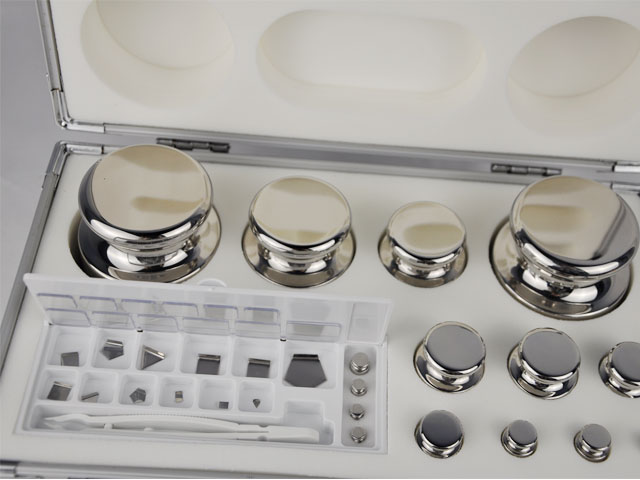
Test Weight Sets
Test weight sets stand as foundational reference tools in every field that relies on reliable mass measurement, forming the essential bridge between theoretical mass standards and practical daily weighing operations across industrial production, laboratory research, commercial trade, manufacturing processing, and quality inspection workflows. These assembled collections of standardized individual weight pieces are meticulously crafted to maintain consistent and stable mass values under conventional working conditions, serving as the core reference benchmark for verifying, adjusting, and calibrating all types of weighing equipment, from compact desktop precision balances used in scientific laboratories to large-scale floor scales and industrial load-bearing weighing devices deployed in production workshops and logistics hubs. Every reliable weighing result obtained in any professional environment ultimately traces back to the stability and precision maintained by well-managed test weight sets, as these tools ensure that every reading generated by weighing instruments remains aligned with uniform mass measurement norms, eliminating random deviations and inconsistent measurement data that could otherwise disrupt production processes, experimental research outcomes, and standardized trade transactions. Unlike ordinary heavy objects that carry no fixed mass reference significance, each component within a test weight set undergoes careful shaping, surface finishing, and mass adjustment during production, with every individual weight sized and proportioned to fit seamlessly into a complete system that supports flexible combination for meeting diverse weighing calibration and testing needs of different equipment and varying load ranges. The rational design of test weight set configurations allows users to select single weight pieces or combine multiple units according to actual operational requirements, making these sets highly adaptable for routine daily calibration, periodic equipment testing, and detailed precision verification for newly installed or repaired weighing machinery in all professional scenarios.
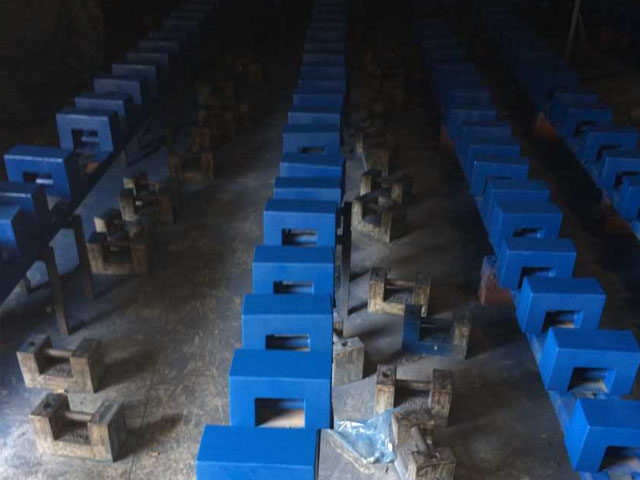
The material composition of test weight sets directly determines their long-term performance stability, surface durability, and resistance to external environmental interference, making material selection one of the most critical foundational factors influencing the overall practical service life and measurement reliability of the entire set. Different raw materials bring distinct physical and chemical properties to test weights, including varying levels of hardness, corrosion resistance, surface oxidation resistance, density stability, and resistance to temperature and humidity fluctuations, all of which play vital roles in maintaining consistent mass over years of regular use and storage. Common materials used for manufacturing test weight sets include refined stainless steel, polished brass, carefully treated cast iron, and other specialized metal alloys formulated to balance durability and measurement stability. Each material type caters to different working environments and usage frequencies, with no single material suitable for all operational scenarios, requiring users to match the right test weight set material to their specific working conditions and measurement precision requirements. Stainless steel test weight sets feature smooth, dense surface textures that effectively resist daily oxidation, chemical corrosion from mild environmental pollutants, and surface wear caused by regular handling and repeated placement, making them well-suited for high-precision laboratory environments, pharmaceutical research laboratories, food testing facilities, and electronic component manufacturing workshops where clean working conditions and long-term measurement consistency are essential. Brass test weight sets offer excellent density uniformity and stable surface properties, with moderate hardness that prevents excessive surface scratching during normal use, ideal for general industrial calibration tasks and conventional commercial weighing equipment verification where stable basic measurement performance is needed without ultra-high precision demands. Cast iron test weight sets, known for sturdy structural performance and strong impact resistance, are widely applied in heavy-duty industrial scenarios, construction material weighing verification, logistics freight scale testing, and other working environments with relatively harsh conditions and heavy load calibration requirements, capable of withstanding frequent movement and rough handling without experiencing structural deformation or obvious mass changes. Regardless of the chosen material, all test weight sets undergo strict surface treatment processes during production to remove surface burrs, smooth sharp edges, and create uniform surface finishes that reduce the accumulation of dust, dirt, and other contaminants, ensuring that external attachments do not affect the inherent mass of each weight piece over time.
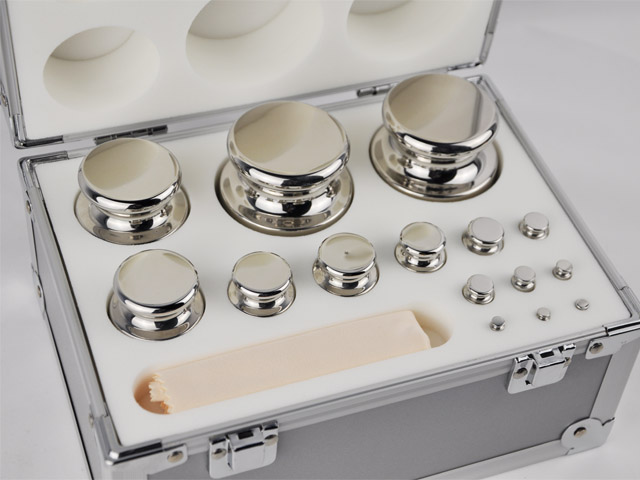
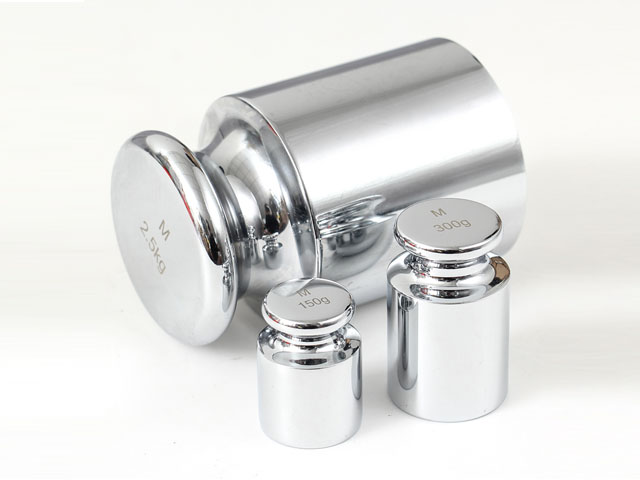
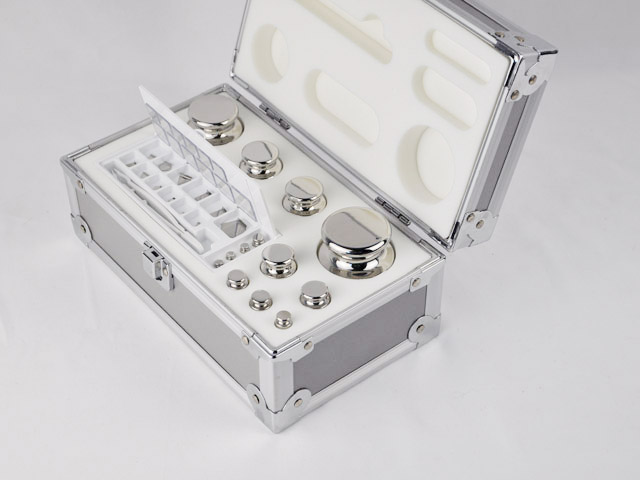
The structural configuration and internal composition standards of test weight sets are scientifically designed to meet flexible combination requirements for different mass values, forming a complete and systematic mass reference system that covers a wide range of measurement magnitudes for diverse calibration and testing tasks. Most test weight sets follow mature and practical numerical combination arrangements, with classic configuration sequences enabling users to freely combine different weight units to obtain any required mass value within the set’s overall measurement range. This scientific structural design avoids the need for excessive individual weight pieces while ensuring comprehensive coverage of common calibration mass requirements, improving the convenience and efficiency of daily weighing equipment testing operations. A complete test weight set usually includes multiple individual weight pieces of different fixed specifications, matched with dedicated protective storage containers and simple auxiliary handling tools to ensure safe storage, convenient carrying, and standardized use of all weight components. The supporting storage containers are designed with customized internal slots and fixed positioning structures, allowing each weight piece to be placed in an independent and stable position, preventing mutual collision, friction, and surface abrasion between weight pieces during storage, transportation, and movement. Auxiliary handling tools such as special gripping accessories are designed to avoid direct physical contact between human hands and the surface of test weights, a basic protective measure that prevents skin oils, sweat, and fine dirt from adhering to weight surfaces, which could otherwise cause gradual surface corrosion and subtle mass changes over long-term accumulation. Each individual weight in the set is marked with clear and permanent mass identification markings, with engraved or stamped values that remain legible even after long-term use, avoiding confusion during operation and ensuring users can quickly select the required weight pieces for different calibration and testing work. The overall structural design of test weight sets fully considers both long-term storage safety and on-site operational convenience, balancing protective performance for maintaining measurement stability and practical operability for frequent daily use in various working scenarios.
Test weight sets play an irreplaceable core role in laboratory precision measurement work, where accurate and repeatable experimental data depends entirely on the stable performance and reliable reference value of these weighing reference tools. In chemical analysis laboratories, biological research institutions, pharmaceutical development laboratories, and material science research centers, all precision analytical balances and micro-weighing instruments require regular calibration and daily verification using standard test weight sets to ensure accurate weighing of experimental raw materials, chemical reagents, sample specimens, and experimental finished products. Even tiny deviations in weighing data in laboratory experiments can lead to inaccurate experimental ratios, failed reaction processes, unreliable research conclusions, and inconsistent experimental repeatability, making the regular use of test weight sets to calibrate weighing equipment a basic prerequisite for all scientific research and experimental work. Laboratory environments usually require test weight sets with high surface finish and stable mass performance, as internal laboratory spaces maintain relatively constant temperature and humidity, but strict cleanliness standards must be upheld to avoid any external factors affecting measurement accuracy. Researchers and laboratory operators follow standardized operating procedures when using test weight sets, taking weights from dedicated storage containers only after wearing clean protective gloves, placing weight pieces gently on the center of balance weighing pans to avoid impact and surface friction, and completing calibration work in an environment with stable temperature and no strong air convection. After each use, all weight pieces are promptly cleaned of any tiny dust or experimental debris and placed back into their fixed storage positions to maintain long-term stability of each weight’s mass value. Long-term practical application in laboratory scenarios proves that standardized use and proper storage of test weight sets effectively reduce systematic measurement errors in experimental weighing links, ensuring that all experimental data maintains high accuracy and repeatability, providing solid basic measurement support for scientific research progress and experimental result verification.
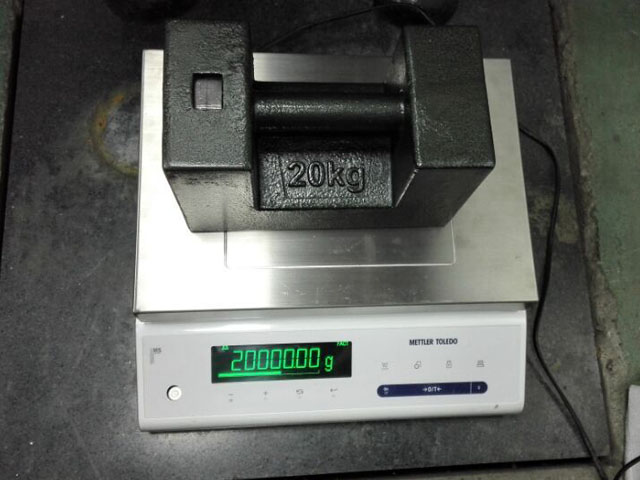
Industrial production and manufacturing fields rely heavily on test weight sets to ensure the normal operation of various production weighing equipment and standardized control of production material proportioning and finished product quality testing processes. In mechanical manufacturing, electronic product processing, chemical production, food processing, building materials production, and light industry manufacturing industries, various production links require real-time weighing of raw materials, semi-finished products, and finished products, with weighing data directly related to production formula accuracy, product quality stability, production cost control, and product qualification rate management. All production-oriented weighing equipment, including small desktop weighing scales for workshop batching, medium-sized platform scales for semi-finished product testing, and large industrial floor scales for finished product weighing, need regular calibration and performance testing with test weight sets to eliminate measurement deviations caused by long-term equipment operation, mechanical wear, and environmental vibration interference. In continuous industrial production processes, weighing instruments that lack regular calibration with test weight sets are prone to gradual measurement drift, leading to inaccurate raw material batching ratios, unqualified product quality, increased production waste, and unstable production line operation efficiency. Industrial-grade test weight sets designed for production scenarios feature sturdy structural performance and strong environmental adaptability, capable of adapting to workshop environments with certain vibration, temperature changes, and dust accumulation, maintaining stable mass reference performance even under frequent use conditions. Production workshop operators conduct regular calibration and testing of weighing equipment according to fixed work plans, using test weight sets to check weighing accuracy before daily production starts and conduct comprehensive performance verification at regular intervals, adjusting equipment parameters in a timely manner to ensure all production weighing data meets standardized production requirements. The widespread application of test weight sets in industrial production effectively standardizes production weighing management, reduces product quality fluctuations caused by inaccurate weighing, and provides reliable measurement guarantees for stable and efficient operation of various industrial production lines.
Commercial trade and market circulation fields also depend on test weight sets to maintain fair and standardized weighing measurement order, protecting the legitimate rights and interests of both merchants and consumers in various commodity trading activities. In retail market sales, bulk commodity trading, grain purchasing and sales, logistics and express delivery weighing, and wholesale commodity circulation links, various commercial weighing devices are used to calculate transaction volumes and commodity prices, and the accuracy of these weighing devices directly affects the fairness of market transactions and the stability of market operation order. Relevant management departments and market operation institutions regularly use standard test weight sets to conduct random inspections and regular calibrations of commercial weighing equipment in various market outlets, ensuring that all commercial weighing instruments provide accurate and reliable weighing data and eliminating inaccurate weighing behaviors that disrupt fair trade. Commercial application scenarios require test weight sets with stable performance, convenient carrying, and simple operation, facilitating rapid on-site calibration and random inspection work in different market locations and trading venues. Market management personnel follow standardized inspection procedures, using test weight sets of different specifications to test weighing equipment of various load ranges, recording test results in detail, and requiring timely maintenance and adjustment of weighing equipment with excessive measurement deviations to ensure compliance with market trade measurement standards. The standardized application of test weight sets in commercial trade effectively maintains fair market trading order, avoids economic disputes caused by inaccurate weighing, and builds a stable and reliable measurement foundation for healthy development of commodity circulation and market economic activities.
Proper daily handling and operation specifications are essential prerequisites for maintaining the long-term measurement accuracy and service life of test weight sets, as irregular manual operation and rough handling are among the main causes of surface damage, mass deviation, and shortened service life of various test weight pieces. The most basic operating requirement for all test weight set users is to avoid direct bare-hand contact with the surface of any weight piece, as human skin naturally secretes oils and sweat that can adhere to weight surfaces, forming tiny attachments that gradually cause surface oxidation, corrosion, and subtle mass changes over time. Operators should always wear clean, soft protective gloves made of suitable materials when taking, placing, and moving test weights, ensuring that the weight surface remains clean and free from any human-derived contaminants. When placing test weight pieces on weighing equipment or any placement surface, all operations must be gentle and steady, avoiding dropping, throwing, or sliding weight pieces to prevent surface scratches, edge dents, and internal structural deformation, all of which can directly change the original mass of the weight and affect subsequent calibration and testing accuracy. It is also important to avoid placing test weights on rough, abrasive, or unclean surfaces, as hard particles and rough textures can cause surface wear and leave permanent damage that impacts long-term measurement stability. During the combination use of multiple weight pieces, users should avoid mutual collision and extrusion between weight components, placing each weight piece separately and stably to prevent surface friction and damage caused by mutual contact. After completing each calibration or testing operation, all test weight pieces must be promptly and gently wiped with clean, soft lint-free cloths to remove surface dust, fine debris, and other tiny attachments, without using harsh chemical cleaning agents that may corrode the weight surface material. All cleaned weight pieces should be placed back into the corresponding fixed positions in the dedicated storage container in a timely manner, avoiding random stacking and messy placement that may cause accidental damage and confusion of weight specifications. Strict adherence to these daily handling and operation specifications can effectively reduce human-caused damage and mass deviation of test weight sets, maintaining consistent measurement performance for many years of regular use.
Scientific and standardized long-term maintenance and storage management are key to sustaining the stable performance and extending the overall service life of test weight sets, as reasonable storage environments and regular maintenance routines can effectively resist adverse environmental factors that cause aging, corrosion, and mass changes of test weights. The storage environment for test weight sets must be kept clean, dry, well-ventilated, and stable in temperature and humidity, avoiding long-term placement in humid, dusty, high-temperature, or strongly corrosive gas environments that can easily cause surface oxidation, rusting, and corrosion of metal weight materials. Humid environments in particular accelerate metal corrosion, leading to uneven surface quality and gradual mass changes of test weights, while excessive dust accumulation can form thick attachments on weight surfaces that are difficult to clean and affect the accuracy of mass reference values. The dedicated storage containers for test weight sets should be kept closed and sealed when not in use, preventing external dust, moisture, and harmful substances from entering and contacting the weight pieces, and the storage location should be kept away from mechanical vibration, strong impact, and direct sunlight exposure to avoid structural deformation and material performance changes caused by external physical factors. Regular routine inspection work is an important part of test weight set maintenance, with operators conducting detailed visual inspections of all weight pieces in the set at regular intervals to check for surface scratches, dents, corrosion spots, rust traces, and obvious wear and tear, while verifying the clarity of mass identification markings and the intactness of storage container internal structures and auxiliary handling tools. For test weight pieces with slight surface dust and stains, timely gentle cleaning and drying treatment should be carried out; for weight pieces with obvious corrosion, serious wear, or structural deformation, they should be marked separately and stopped from use in a timely manner to avoid affecting the accuracy of calibration and testing work. Regular professional maintenance including surface protection treatment and performance inspection can effectively delay the aging speed of test weight set materials, maintain stable surface state and mass performance of all weight components, and ensure that the test weight sets remain in good working condition for long-term repeated use in various application scenarios.
Periodic professional calibration and performance verification work is indispensable to ensure the continuous and reliable measurement accuracy of test weight sets, as even with the most careful daily handling and scientific maintenance, long-term regular use and subtle environmental influence will inevitably cause tiny mass changes of test weights over time. All test weight sets, regardless of material type and application scenario, require regular professional calibration according to fixed cycles, with the calibration frequency reasonably adjusted according to usage frequency, working environment conditions, and measurement precision requirements. Test weight sets used in high-precision laboratory scenarios with high measurement requirements need relatively short calibration cycles to maintain ultra-high measurement stability, while test weight sets used in general industrial and commercial scenarios can adopt appropriate calibration cycles based on actual use intensity and environmental conditions. Professional calibration work is completed by professional technical personnel using professional mass comparison equipment and standardized calibration procedures, detecting the actual mass deviation of each weight piece in the test weight set, comparing the detected data with standard mass reference values, and recording all deviation data in detail. For weight pieces with tiny mass deviations within a reasonable range, regular calibration records are kept for follow-up reference; for weight pieces with excessive mass deviations beyond the allowable range, necessary mass adjustment and correction are carried out, and those that cannot be adjusted to meet standard requirements are eliminated and replaced in a timely manner. Many users easily overlook the importance of periodic calibration, mistakenly believing that test weight sets can maintain permanent accuracy without regular detection, but long-term practical application experience shows that uncalibrated test weight sets will gradually accumulate measurement deviations, leading to inaccurate calibration of weighing equipment and further causing a series of problems such as unreliable experimental data, unqualified product quality, and unfair trade transactions. Persistent adherence to periodic professional calibration and performance verification of test weight sets ensures that every weight piece maintains accurate and stable mass reference values, keeping all weighing calibration and testing work based on reliable basic measurement standards.
Effective error control and reasonable use scenario matching further optimize the application effect of test weight sets, reducing unnecessary measurement deviations and improving the overall accuracy and stability of weighing calibration work. In actual use, the measurement error of test weight sets comes from multiple sources, including subtle mass changes caused by material aging and surface wear, operation errors caused by irregular manual handling, environmental interference errors caused by temperature and humidity fluctuations, and placement errors caused by non-standard placement positions during calibration work. Targeted error control measures need to be formulated for different error sources to minimize the impact of various interference factors on calibration results. When using test weight sets for calibration and testing work, the working environment temperature and humidity should be kept stable as much as possible, avoiding operation in environments with drastic temperature changes, strong air convection, and excessive dust, as unstable environmental conditions can cause subtle changes in the volume and surface state of test weights, resulting in temporary measurement deviations. During calibration operation, test weight pieces should be placed in the center of the weighing equipment weighing pan, maintaining a stable and balanced placement state to avoid measurement errors caused by eccentric load and unbalanced stress. Different types of test weight sets should be matched with corresponding use scenarios according to their material characteristics and performance advantages, with high-precision material test weight sets used for laboratory precision calibration work and sturdy industrial test weight sets used for heavy-duty industrial production and harsh environment testing tasks, avoiding low-matching or over-matching use that may affect measurement accuracy and accelerate weight wear. In addition, users should reasonably select the combination of weight pieces according to the calibration range of weighing equipment, avoiding excessive use of overweight weight pieces or repeated superposition of too many weight pieces, which may cause placement instability and increased operation errors. Scientific error control and reasonable scenario matching give full play to the performance advantages of test weight sets, ensuring that each calibration and testing operation achieves ideal and accurate measurement results.
Looking at the entire measurement and weighing industry, test weight sets, as basic and essential mass reference tools, have long penetrated all links related to mass measurement and weighing work, providing solid and reliable basic support for scientific research experimentation, industrial production and manufacturing, commercial trade circulation, and quality inspection and supervision work. Although test weight sets have a simple basic appearance and single core function, their stable performance, standardized use, and scientific maintenance are directly related to the accuracy and reliability of all downstream weighing data, affecting product quality control, experimental research progress, market trade order, and industrial production efficiency in various industries. With the continuous development of industrial modernization, scientific and technological progress, and standardized market management, the requirements for weighing measurement accuracy in various fields are constantly improving, making the rational selection, standardized use, scientific maintenance, and periodic calibration of test weight sets increasingly important. Paying attention to the daily management and standardized application of test weight sets, strictly implementing handling, storage, maintenance, and calibration specifications, and matching appropriate test weight set types for different use scenarios can not only extend the long-term service life of the equipment and reduce use and replacement costs, but more importantly, ensure that all weighing and calibration work maintains high accuracy and stability. In all professional production, research, and trading activities that rely on accurate mass measurement, test weight sets always play a silent but vital foundational role, becoming an indispensable basic guarantee for maintaining standardized measurement order, promoting stable industrial development, and ensuring fair market operation in all related industries and fields.
Test Weight Sets
https://www.veidtweighing.com/test-weight.html
Post Date: Apr 28, 2026
https://www.supplier-manufacturer.com/test-weight/test-weight-sets.html

![Laboratory Standard Weight]()
Laboratory Standard Weight
In every scientific laboratory that engages in experimental research, material analysis, chemical formulation, physical property testing, and industrial precision testing,…![Specifications of Standard Weight]()
Specifications of Standard Weight
Standard weight serves as a fundamental reference tool in the field of metrology, laying a solid foundation for accurate weight measurement and consistent data comparison …![Astm Class Standard Weight]()
Astm Class Standard Weight
In the complex and interconnected system of modern industrial production, scientific research experimentation, and commercial transaction settlement, accurate mass measure…![20kg Cast Iron Calibration Weight For Truck Scale]()
20kg Cast Iron Calibration Weight For Truck Scale
Truck scales serve as essential measuring equipment in logistics, transportation, industrial production, and commercial trading sectors, undertaking the critical task of a…![M2 Class Standard Weight]()
M2 Class Standard Weight
Mass measurement forms the invisible backbone of all modern social and economic activities, serving as a fundamental foundation for fair transactions, orderly industrial p…