Industrial Test Weight
In the complex and interconnected landscape of modern industrial production, material circulation, and mechanical operation, accurate weight measurement stands as one of the most foundational and indispensable basic links that support the stable advancement of all production and operational activities. Every production process involving material proportioning, product quality inspection, equipment load testing, cargo transportation metering, and mechanical performance verification cannot be separated from reliable weighing data support, and industrial test weights have long served as the essential physical reference standard that maintains the long-term stability and consistent accuracy of all kinds of industrial weighing equipment and mechanical load detection systems. Unlike ordinary daily-use weight tools that only meet simple household weighing and preliminary measurement needs, industrial test weights are professionally manufactured physical mass artifacts designed specifically for industrial scene application characteristics, harsh working environment conditions, and long-term repeated use demands. They carry the core function of unifying weighing measurement benchmarks, correcting measurement deviation of weighing instruments, verifying the stable working state of mechanical load-bearing structures, and ensuring the consistency and credibility of all weight-related industrial data throughout the entire production and operation cycle of enterprises. In every corner of heavy industry manufacturing, light industry processing, logistics and warehousing, construction engineering, mechanical equipment manufacturing, and special industrial production fields, these unassuming but highly practical industrial test weights silently underpin the standardized operation of industrial systems, avoiding production quality fluctuations, operational safety risks, and economic operation losses caused by inaccurate weighing data and untested mechanical load performance.
The essential connotation and core design logic of industrial test weights are rooted in the most basic physical principle of mass and gravity balance, maintaining a fixed and stable mass value under conventional industrial environmental conditions, and providing a unified and repeatable mass reference for various weighing and load testing work. In essence, all industrial weighing instruments, whether large-scale fixed industrial weighbridges, portable electronic weighing scales for production workshops, high-precision weighing balances for laboratory auxiliary production, or dynamic weighing equipment for assembly line continuous metering, complete the conversion between mechanical pressure generated by mass gravity and measurable data signals through internal mechanical structures or electronic sensing components. The accuracy of the final displayed weighing data of these devices entirely depends on whether they can be aligned with a stable and known standard mass value, and industrial test weights are precisely the reliable medium that realizes this alignment work. When industrial production personnel place industrial test weights with determined mass values on the bearing surface of weighing equipment, the equipment will generate corresponding signal feedback according to the pressure exerted by the test weights, and by comparing the feedback data with the inherent standard mass value of the test weights, staff can clearly judge whether the weighing equipment has measurement deviation, data drift, or structural aging failure after long-term operation. This basic and crucial verification and correction work is not only related to the normal use of weighing equipment itself, but also directly affects the quality control of subsequent industrial products, the rational allocation of production materials, the safe operation of mechanical equipment, and the standardized settlement of cargo measurement, becoming an irreplaceable basic guarantee for the sustainable and healthy operation of industrial enterprises.
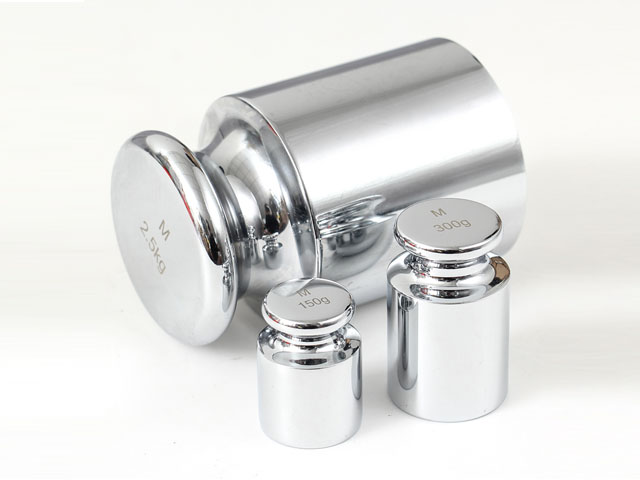
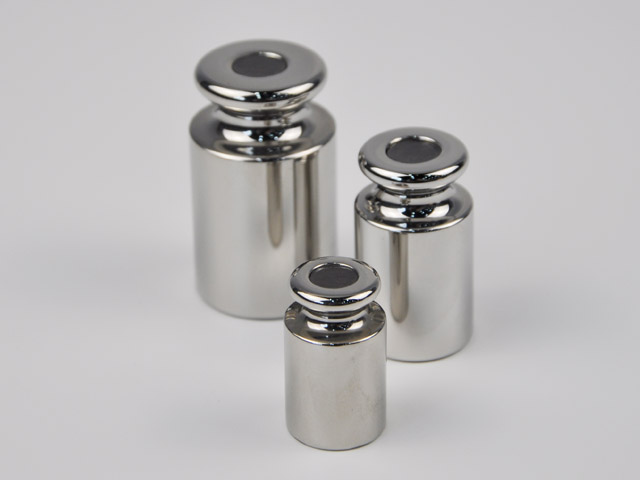
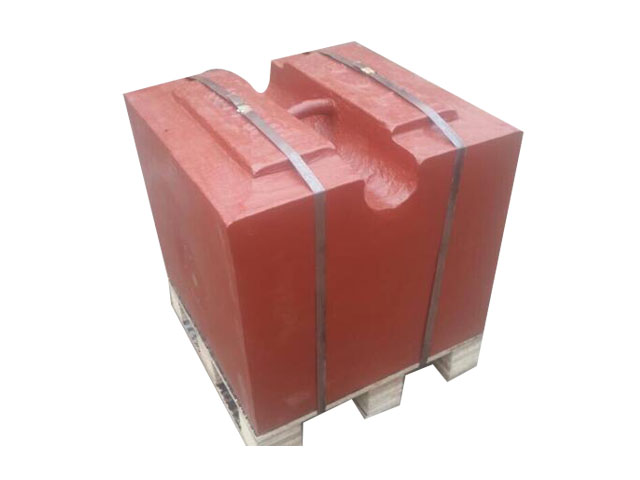
The production and manufacturing process of industrial test weight follows rigorous physical dimension design and material processing norms, with every production link focused on maintaining the long-term stability of mass and the uniformity of structural stress, so as to adapt to the diverse and complex use requirements in different industrial scenarios. The selection of manufacturing materials is the primary factor determining the service life, mass stability, and environmental adaptability of industrial test weights, and most conventional industrial test weight products are made of high-density, low-corrosion, and strong structural stability metal materials that can resist the impact of conventional industrial environmental factors. Such materials have excellent physical stability, will not produce obvious mass loss or structural deformation due to long-term placement, frequent handling, and repeated stacking use, and can effectively resist the influence of conventional temperature changes, air humidity fluctuations, and minor environmental dust pollution in industrial workshops and production sites. In the processing process, the internal structure of the test weight is made compact and uniform through integral casting or integral forging forming technology, avoiding internal hollowing, structural cracks, or material density unevenness that may affect mass accuracy. The surface of the test weight is treated with special anti-rust and anti-wear protection processes, which can reduce the wear and corrosion caused by frequent contact, handling friction, and environmental erosion in daily industrial use, prevent the change of surface structure from affecting the overall mass stability of the test weight, and ensure that the mass reference value of each industrial test weight can remain stable for a long time in the whole service cycle. At the same time, according to different use scenarios and handling convenience requirements, industrial test weights are designed with reasonable overall shapes and structural configurations, some adopting solid square or cylindrical conventional structures suitable for fixed placement and long-term calibration work, and some equipped with integrated grip structures or embedded lifting structures to facilitate mobile handling and rapid loading and unloading in large-scale industrial load testing and equipment verification work, balancing the dual core demands of structural stability in use and operational convenience in actual industrial operation.
Industrial test weights have a wide range of classification specifications and graded design standards in terms of mass range and application precision, which can fully cover the weighing verification and load testing needs from small-precision workshop production links to large-scale heavy industrial engineering and logistics transportation scenarios. In terms of mass specifications, industrial test weights cover a continuous range from small micro mass specifications suitable for small workshop precision weighing instrument calibration to large tonnage mass specifications required for large weighbridge detection and heavy mechanical equipment load testing. This diversified specification design enables enterprises of different industrial types and production scales to select matching test weight products according to their actual production and testing needs, without the problem of insufficient matching degree between test tools and actual use scenarios. In terms of precision grading, industrial test weights are divided into different precision levels according to the allowable mass deviation range in the use process, corresponding to different precision requirements of industrial weighing equipment and testing work. Low-precision industrial test weights are mostly used for conventional daily verification of large-scale heavy-duty weighing equipment and regular load bearing performance testing of general mechanical equipment, focusing on meeting the basic accuracy stability requirements of industrial rough metering and safety testing work. Medium-precision test weights are widely used in conventional production material proportioning weighing, finished product conventional weighing inspection, and daily calibration of workshop common electronic weighing equipment, balancing precision demand and use cost to meet the daily operational management needs of most industrial production links. High-precision industrial test weights are applied to industrial production links with strict weighing data requirements, such as fine chemical material batching, pharmaceutical production raw material metering, precision parts processing quality detection, and electronic product production auxiliary weighing, providing high-stability mass reference to ensure that every link involving fine weighing can maintain high data accuracy. This hierarchical and classified design makes industrial test weights form a complete and systematic mass reference system in the industrial field, realizing full coverage of weighing verification and load testing work in all industrial links.
The core application value of industrial test weights is first reflected in the daily routine calibration and regular accuracy verification of various industrial weighing equipment, which is the most basic and frequent application scenario in industrial production and operation activities. All kinds of weighing instruments used in industrial production will inevitably produce subtle mechanical structure wear, electronic sensor aging, and data signal drift after long-term continuous operation, frequent load bearing use, and impact from industrial environmental changes. These subtle changes will not cause obvious damage to the surface and basic use function of the weighing equipment in a short time, but will gradually lead to the deviation of weighing data, making the displayed weight value inconsistent with the actual mass of the measured object. If this deviation is not corrected in time through regular calibration and verification, it will gradually accumulate and expand with the extension of use time, and finally affect the accuracy of production material proportioning, cause unqualified product quality, lead to errors in cargo measurement and settlement, and even bring hidden dangers to the subsequent production and processing links. Industrial enterprises arrange special management personnel to use matched industrial test weights to conduct regular loading detection and data comparison on all weighing equipment in the factory area according to the formulated daily equipment management system. By placing test weights with known standard mass on the weighing equipment, observing the real-time display data of the equipment, and adjusting the internal parameters of the weighing equipment according to the comparison difference between the displayed data and the standard mass value, the measurement accuracy of the weighing equipment can be restored to a normal and stable state. This regular calibration work is simple in operation but crucial in effect, which can effectively eliminate potential measurement deviations in advance, ensure that the weighing equipment always maintains a stable working state during daily production and use, and lay a solid foundation for the standardized and orderly development of industrial production work.
Beyond the basic calibration of weighing equipment, industrial test weights also play an irreplaceable key role in the load performance testing and safety performance verification of various industrial mechanical equipment and bearing structures. A large number of mechanical equipment and engineering bearing structures in the industrial field need to bear fixed or variable load pressure during long-term operation, and the bearing capacity and structural stability of these equipment and structures are directly related to the personal safety of operators and the stable operation of the entire production system. For example, lifting and handling equipment commonly used in industrial workshops, mechanical support structures of production assembly lines, bearing base structures of large production equipment, and load-bearing parts of transportation and transfer machinery all need to undergo strict load testing before formal put into use and regular safety re-inspection during subsequent operation. Industrial test weights are the most intuitive and reliable load simulation medium in these testing work. By gradually stacking and placing test weights with different mass specifications on the bearing parts of the equipment or structure, testers can simulate the actual load pressure that the equipment may bear in the actual production and operation process, observe the structural deformation, stress feedback and operating state changes of the equipment under different load conditions, and judge whether the bearing performance of the equipment meets the industrial use standards and safety operation requirements. Through this load simulation test with industrial test weights, potential structural hidden dangers such as insufficient bearing capacity, structural aging and local stress concentration of mechanical equipment can be found in advance, and targeted maintenance, reinforcement and renovation measures can be taken to avoid safety accidents such as structural fracture, equipment collapse and mechanical failure caused by long-term overload operation or insufficient bearing performance, effectively protecting the safety of industrial production sites and the stability of production operation.
In the logistics warehousing and industrial cargo transportation industry, industrial test weights provide important data support for cargo metering management, transportation load limit supervision and warehouse inventory weighing management, ensuring the standardization and orderliness of cargo circulation and transportation links. In the process of industrial raw material procurement, finished product sales and cargo transfer and transportation, accurate weighing and metering of goods is an important basis for enterprise accounting, transaction settlement and transportation load management. All kinds of large-scale weighbridges for truck weighing, warehouse pallet weighing equipment and cargo temporary weighing devices need to maintain high measurement accuracy for a long time to avoid economic losses and transaction disputes caused by inaccurate cargo weighing. Industrial test weights are used for regular calibration and inspection of these large-scale weighing and metering equipment, ensuring that the weighing data of cargo incoming and outgoing warehouse and transportation metering is true and reliable. At the same time, in the load detection of transportation vehicles, industrial test weights are used to simulate cargo load, detect whether the vehicle weighing and load monitoring system works normally, ensure that the vehicle is transported within the specified load range, avoid road transportation safety risks and vehicle damage caused by overload transportation, and also help transportation enterprises standardize load management and reduce vehicle operation and maintenance costs. In warehouse inventory management, the regular verification of small and medium-sized weighing equipment with industrial test weights ensures the accuracy of inventory material weighing statistics, helps enterprises accurately grasp the inventory quantity of raw materials and finished products, optimizes production material allocation and inventory scheduling plans, and improves the overall operational management efficiency of enterprises.
In the fine manufacturing and high-precision processing industrial fields, the application of industrial test weights is more refined and professional, and the requirement for the stability of test weight mass and calibration accuracy is higher, becoming an important guarantee for improving product processing quality and qualified rate. Industries such as fine chemical production, pharmaceutical manufacturing, food deep processing, precision mechanical parts processing and electronic component production have extremely strict requirements on the weighing accuracy of raw material batching and finished product testing. A tiny weighing deviation in the production batching link may lead to changes in the proportion of production raw materials, resulting in unqualified product performance, unstable product quality, and even batch product scrapping, bringing greater economic losses to enterprises. High-precision industrial test weights are specially used for daily calibration and fine correction of high-precision weighing balances and batching weighing equipment in these fine production links, ensuring that each raw material batching and product quality weighing data is accurate and consistent. In the precision parts processing industry, industrial test weights are also used for weight detection and classification of finished parts, verifying whether the weight of processed parts meets the design standard requirements, screening out unqualified products with weight deviation, and ensuring the overall assembly accuracy and use performance of mechanical equipment assembled with these precision parts. In these fine industrial production links, industrial test weights are not only a simple calibration tool, but also an important part of enterprise product quality control system, helping enterprises stabilize product quality, reduce product scrapping rate, and improve market competitiveness of products.
The environmental adaptability and long-term use stability of industrial test weights determine their reliable application in various harsh industrial production environments, and excellent material and process design enable them to maintain stable performance without being affected by complex environmental conditions. Many industrial production sites have harsh environmental characteristics such as large temperature difference between day and night, high air humidity, more dust and corrosive gas volatilization, which have high requirements for the corrosion resistance, deformation resistance and mass stability of production and testing tools. Ordinary simple weight tools are easy to rust, deform and wear in such environments, resulting in changes in mass values and loss of calibration and testing functions after a short period of use. Industrial test weights are made of high-stability metal materials and processed with special surface protection technology, which can effectively resist the erosion of humid air, industrial dust and conventional weak corrosive substances, and will not produce obvious structural deformation and mass change even in the environment with large temperature changes. At the same time, the structural design of industrial test weights is solid and durable, resisting the impact and wear caused by frequent handling, stacking and loading and unloading in industrial use, and will not produce structural damage and mass deviation due to accidental collision and extrusion in the working process. Whether in high-temperature production workshops, humid processing workshops, outdoor open-air logistics yards or dusty heavy industrial production sites, industrial test weights can maintain consistent mass reference performance and long service life, reducing the frequency of tool replacement and maintenance costs for enterprises, and providing continuous and stable testing and calibration support for long-term industrial production and operation.
The daily maintenance, scientific management and standardized use of industrial test weights are important prerequisites to ensure their long-term accurate performance and prolong service life, and scientific management measures can effectively maintain the working performance of test weights and avoid mass deviation caused by improper use and storage. Although industrial test weights have strong structural stability and environmental adaptability, long-term improper storage, irregular handling and lack of regular maintenance will still lead to surface wear, structural collision deformation and surface corrosion, thus affecting the accuracy of mass reference. Industrial enterprises usually formulate special use and management systems for industrial test weights, arrange special personnel to be responsible for the daily management, use registration and regular maintenance of test weights. In the daily use process, operators need to handle test weights gently to avoid violent collision, throwing and random stacking, prevent structural deformation and surface damage caused by external force impact; after each use, the test weights need to be cleaned in time to remove surface dust, oil stains and residual corrosive substances, and placed in a dry, ventilated and stable special storage area for centralized storage, avoiding long-term exposure to humid, high-temperature or corrosive environments. At the same time, enterprises will regularly carry out mass inspection and performance verification of industrial test weights, check whether there is surface corrosion, structural deformation and obvious wear, and timely replace and eliminate the test weights with unqualified mass deviation and damaged structure, ensuring that all test weights put into use always meet the basic accuracy requirements of industrial calibration and testing work. This standardized management and maintenance work is simple and practical, which can effectively maintain the good working state of industrial test weights, ensure the accuracy and effectiveness of each calibration and testing work, and avoid measurement errors and testing failures caused by test weight problems.
With the continuous progress of industrial production technology and the continuous improvement of industrial standardized management requirements, the important role of industrial test weights in the modern industrial system is becoming more and more prominent, and the market demand for high-quality, high-stability and multi-specification industrial test weights is also constantly upgrading. Modern industrial production is developing towards intelligent, refined and standardized direction, and all links from production and processing to product quality inspection, from equipment operation safety management to cargo metering and settlement need more accurate and reliable basic measurement support. As the most basic physical mass reference tool in the industrial field, industrial test weights are the foundation of all weighing measurement and load testing work, and their performance stability and use reliability are directly related to the standardized development of industrial production and the improvement of operational efficiency. In the future, with the continuous expansion of emerging industrial fields and the continuous upgrading of industrial production equipment, the design and production technology of industrial test weights will also be continuously optimized and upgraded, adapting to more diversified and high-precision industrial application scenarios, providing more solid basic support for the high-quality development of various industrial fields. No matter how the industrial production technology and production mode change, industrial test weights will always remain the core basic tool to maintain industrial weighing accuracy and operational safety, guarding the stable and orderly operation of modern industrial systems with stable performance and reliable quality.
Industrial Test Weight
https://www.veidtweighing.com/test-weight.html
Post Date: Apr 28, 2026
https://www.supplier-manufacturer.com/test-weight/industrial-test-weight.html

![Stainless Steel Flat Test Weight For Platform Scale Calibration]()
Stainless Steel Flat Test Weight For Platform Scale Calibration
Stainless steel flat test weights serve as essential precision tools for the routine calibration and accuracy verification of platform scales across diverse industrial and…![Standard Weight For Platform Scales]()
Standard Weight For Platform Scales
In industrial production, commercial trading, logistics warehousing, and quality inspection industries, platform scales serve as one of the most fundamental and indispensa…![Calibration Weight For Laboratory Instrument Factory Calibration Use]()
Calibration Weight For Laboratory Instrument Factory Calibration Use
In the rigorous operational system of modern laboratory instrument manufacturing and daily calibration practices, calibration weights stand as one of the most fundamental …![Calibration Weight For Mechanical Balance Scale]()
Calibration Weight For Mechanical Balance Scale
Mechanical balance scales remain a foundational tool in precision weighing operations across laboratories, industrial workshops, educational institutions, and quality insp…![200g F2 Precision Calibration Weight Quality Control Lab]()
200g F2 Precision Calibration Weight Quality Control Lab
In modern quality control laboratory operations, accurate and repeatable mass measurement serves as the foundational pillar of reliable experimental data, product testing,…