Types of Test Weight
Test weights serve as foundational mass measurement tools across every sector that relies on accurate weighing operations, forming the backbone of reliable calibration, routine verification, and consistent mass comparison for all kinds of weighing equipment. From delicate laboratory analytical devices that measure tiny mass units to robust industrial floor scales that handle heavy bulk materials, different working environments, measurement accuracy demands, and long-term usage requirements call for carefully differentiated test weight designs and configurations. Understanding the diverse types of test weights and their respective characteristics, functional traits, and applicable scenarios is essential for every professional engaged in metrology management, laboratory operation, industrial production, and commercial weighing management, as proper selection not only maintains the stability and dependability of weighing data but also extends the service life of both test weights and the weighing instruments they calibrate. Test weights are categorized through multiple practical dimensions in practical application, including core manufacturing materials, physical structural designs, precision classification standards, and specific functional application orientations, and each classification method corresponds to unique performance advantages and targeted use cases that fit different operational needs without overlapping or conflicting application scopes.
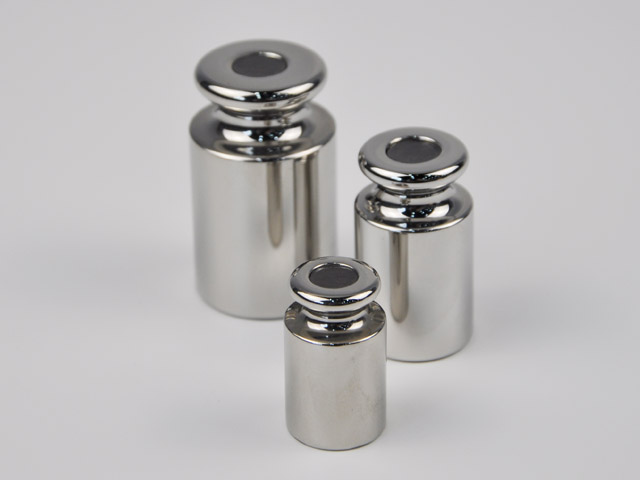
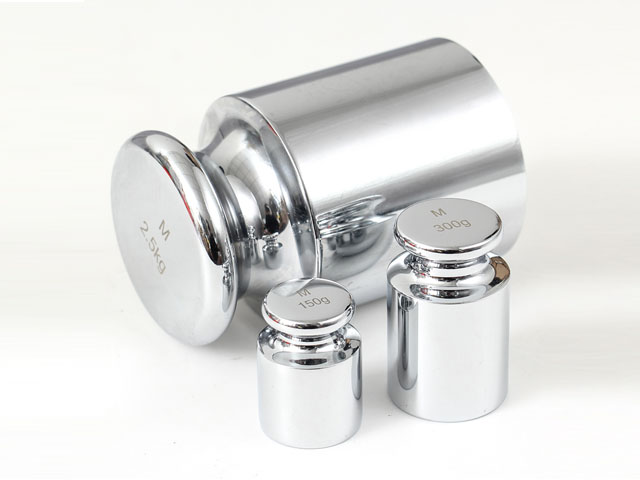
Material-based classification stands as one of the most fundamental and widely adopted ways to distinguish test weight types, as the raw material used directly determines key properties such as density stability, resistance to environmental corrosion, magnetic susceptibility, surface durability, and long-term mass retention capacity. Each material carries distinct physical and chemical traits that make it suitable for specific working conditions, ranging from controlled indoor laboratory settings to harsh outdoor industrial sites with fluctuating temperature and humidity levels. Stainless steel test weights are among the most commonly used options for medium and high-precision measurement scenarios, favored for their balanced combination of stable physical properties and strong environmental adaptability. This type of test weight features a dense and uniform internal structure, low magnetic attraction, and excellent resistance to oxidation and chemical corrosion, meaning it can maintain consistent mass values even in environments with slight humidity changes or exposure to common laboratory chemical vapors. The surface of stainless steel test weights is usually finely polished and treated to prevent surface wear, scratches, and contamination accumulation, which could otherwise cause subtle mass changes over repeated use. These weights are widely applied in laboratory daily calibration of analytical balances, precision electronic weighing devices, and regular verification of commercial weighing equipment that requires stable and accurate mass reference over long periods, striking a reliable balance between practical performance and long-term usability for daily routine measurement work.
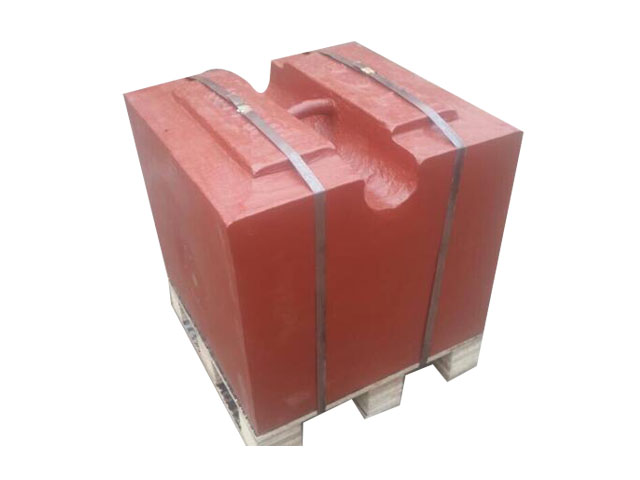
Cast iron test weights represent another mainstream material type, primarily tailored for heavy-duty industrial weighing scenarios that do not require ultra-high precision but demand strong mechanical durability and impact resistance. Cast iron as a raw material offers high overall rigidity and solid structural stability, allowing these test weights to withstand frequent handling, stacking, and accidental minor collisions common in industrial workshops, logistics yards, and construction sites. Unlike stainless steel alternatives, cast iron test weights are designed with a focus on structural robustness rather than micro-level precision retention, making them ideal for calibrating large-capacity platform scales, truck scales, and industrial bulk material weighing equipment that measures heavy loads with relatively looser tolerance requirements. While cast iron materials are more prone to surface rust and oxidation when exposed to moist or outdoor environments for extended periods, simple regular surface maintenance can effectively slow down such wear and ensure their normal long-term use. Their solid texture and strong pressure resistance also make them suitable for long-distance transportation and frequent on-site movement without structural deformation, meeting the rugged use demands of harsh industrial production and bulk weighing management environments effectively.
Brass test weights occupy a unique middle position between stainless steel and cast iron options in terms of performance and application scope, offering good machinability, moderate corrosion resistance, and stable surface texture for daily commercial and general light industrial weighing needs. Brass materials are easy to process into standard regular shapes with smooth surface finishes, and the material density remains steady under normal indoor environmental conditions, avoiding obvious mass fluctuation caused by minor temperature and humidity variations. These test weights are commonly used in daily commercial weighing verification, small commodity market weighing instrument calibration, and general factory workshop routine weighing checks, where the required precision is higher than industrial heavy-load scenarios but does not reach the strict standards of professional laboratory metrology work. Brass test weights have a moderate resistance to daily wear and tear, and their surface can be easily cleaned and maintained to remove dust and surface stains that may affect weighing accuracy, making them a cost-effective and practical choice for conventional daily weighing management work in various commercial and light industrial venues.
Beyond common metal materials, special composite material test weights are developed and produced for some special working scenarios with unique environmental and usage requirements. These composite materials are specially formulated to adapt to extreme working conditions such as high humidity, strong chemical corrosion, or special low-magnetic measurement environments where conventional metal test weights cannot maintain stable performance. Composite test weights feature lightweight overall design, strong anti-corrosion ability, and non-magnetic properties, effectively avoiding measurement interference caused by magnetic field influence or chemical erosion. Although their application scope is relatively limited compared with metal test weights, they play an irreplaceable role in special industrial production, chemical processing, and special precision measurement fields that require strict control of external interference factors, ensuring accurate and stable mass reference under harsh environmental conditions that ordinary test weights cannot withstand.
Structural and morphological classification further divides test weights into different types according to external shape, internal structure design, and adjustment mode, adapting to different weighing instrument structures, calibration operation habits, and precision adjustment requirements. Solid integral test weights are manufactured as a single integrated structure with no internal adjustment cavities or detachable parts, featuring extremely stable overall structure and permanent mass stability. The integral one-piece design eliminates the risk of internal part loosening, adjustment material loss, or internal contamination accumulation, ensuring that the mass value remains consistent for a long time without frequent recalibration. This structural type is mostly matched with high-precision test weights used in professional metrology laboratories and primary mass reference work, where long-term mass consistency and minimal uncertainty are core requirements. Solid integral test weights usually have simple and regular shapes, with smooth and flat surfaces to reduce dust adhesion and facilitate daily cleaning and careful handling, maintaining the highest possible metrological stability for long-term reference measurement tasks.
Adjustable cavity test weights are designed with internal hollow structures and reserved adjustment spaces, allowing professional operators to fine-tune the internal mass through adding or removing small matching adjustment materials according to actual calibration needs. This structural design provides flexible mass adjustability, making it convenient to correct minor mass deviations caused by long-term use, slight surface wear, or environmental influence without replacing the entire test weight. Adjustable cavity test weights are widely used in medium-precision calibration work and regular daily weighing equipment verification, as they can adapt to subtle changes in measurement needs and extend the service cycle of each test weight through simple internal adjustment. The external appearance of adjustable cavity test weights is similar to solid types, with sealed structural designs to prevent dust, moisture, and other external impurities from entering the internal cavity and affecting the internal adjustment materials, ensuring that the adjustment function remains effective and the overall mass stays stable after each fine calibration operation.
Stackable and hook-type test weights are special structural designs created for convenient combination weighing and on-site mobile calibration operations. Stackable test weights adopt a standardized laminated structural design, allowing multiple single weights of different specifications to be stacked and combined freely to form various total mass values as needed, suitable for multi-range weighing instrument calibration and variable mass comparison work. This stacked structure saves storage space and improves the flexibility of on-site calibration, enabling operators to quickly assemble the required total mass without preparing a large number of single specification test weights. Hook-type test weights are equipped with special hanging structures or bottom hanging parts, designed for calibrating suspended weighing equipment, crane scales, and hanging tension weighing devices that require downward pulling force for mass verification. The hook structure ensures stable hanging and balanced stress during the weighing process, avoiding measurement errors caused by unbalanced force or unstable placement, perfectly adapting to the structural characteristics and calibration requirements of various suspended weighing tools in industrial lifting and logistics handling scenarios.
Precision level classification is a core classification method closely linked to actual metrological application requirements, dividing test weights into different gradient levels according to allowable mass deviation, measurement uncertainty, and long-term stability standards, each level corresponding to strictly matched application scenarios and calibration objects. High-precision reference test weights are designed for top-level metrology research, laboratory primary mass value transmission, and calibration of other lower-level test weights, with extremely small allowable mass deviation and strict control of environmental interference factors during use. These test weights require strict storage conditions, constant temperature and humidity maintenance, and standardized manual handling procedures to avoid any external factors affecting their accurate mass value, and they are not used for ordinary on-site weighing equipment calibration, only serving as the fundamental mass reference source for the entire metrological transmission system.
Medium-precision general calibration test weights are the most widely used type in various laboratories, commercial venues, and general industrial production workshops, balancing stable precision performance and convenient daily operation and management. Their allowable mass deviation is moderate, fully meeting the calibration and daily verification needs of most electronic balances, commercial weighing scales, and conventional industrial weighing instruments. This type of test weight can adapt to normal indoor working environments without overly strict constant temperature and humidity requirements, and daily handling and storage are relatively simple, making it suitable for regular daily weighing management work undertaken by most enterprises and institutions. Medium-precision test weights strike a practical balance between precision performance and usability, meeting the daily operational needs of most conventional weighing scenarios without excessive use and maintenance costs.
Ordinary heavy-load test weights are targeted at industrial heavy-load weighing and low-precision bulk weighing management work, with relatively loose allowable deviation ranges and focus on structural stability and impact resistance rather than micro-level precision. These test weights are mainly used for calibrating large industrial floor scales, truck scales, and bulk material weighing equipment in mines, logistics, and construction industries, where the weighing range is large and the precision requirement for single mass value is relatively low. Ordinary heavy-load test weights can adapt to harsh on-site working environments with frequent movement and heavy-load use, with simple maintenance requirements and strong durability, fully meeting the basic weighing verification needs of heavy industrial production and bulk material transportation management.
Application scenario-based classification further refines test weight types according to specific use industries and functional purposes, making selection and use more targeted and professional. Laboratory dedicated test weights are optimized for indoor laboratory precision measurement and analytical work, usually made of high-quality anti-corrosion and low-magnetic materials with high-precision structural design, suitable for calibrating analytical balances, precision micro-weighing instruments, and experimental sample weighing verification. These test weights focus on anti-contamination, anti-magnetic interference, and long-term mass stability to ensure the accuracy and repeatability of experimental data in scientific research, chemical analysis, and pharmaceutical research laboratories. Commercial transaction test weights are used for daily verification of weighing equipment in shopping malls, markets, and retail sales places, ensuring fair and accurate commercial weighing transactions, with stable performance, convenient carrying, and easy daily inspection and management as core design priorities, adapting to frequent daily use and random inspection needs in commercial venues.
Industrial production test weights are customized for various factory production line weighing, raw material proportioning, and finished product weighing detection work, with strong mechanical resistance and environmental adaptability to cope with complex production workshop environments such as vibration, dust, and temperature changes. These test weights meet the continuous and stable weighing calibration needs in industrial production processes, ensuring the consistency of product proportioning and production quality control. Special industry test weights, including those for chemical corrosion environments, food hygiene production, and pharmaceutical processing, are designed with special material and surface treatment processes to meet the special safety and environmental adaptation requirements of different industries, avoiding material chemical reactions, surface contamination, or hygiene risks that may affect production safety and product quality.
No matter what type of test weight, the core essence of its classification and design is to match different precision requirements, working environments, and functional uses, ensuring that every weighing calibration and verification work can obtain accurate, reliable, and repeatable measurement results. Different types of test weights have their own irreplaceable application values and performance characteristics, and reasonable selection according to actual use needs not only improves the efficiency of weighing management work but also maintains the long-term stability of weighing measurement systems. In daily use and management, besides selecting the appropriate type of test weight, it is also necessary to carry out standardized handling, regular cleaning, and proper storage according to the characteristics of different types, so as to give full play to the performance advantages of each test weight, extend its service life, and ensure that all weighing work in various industries is carried out on the basis of accurate and stable mass reference standards at all times.
Types of Test Weight
https://www.veidtweighing.com/test-weight.html
Post Date: May 4, 2026
https://www.supplier-manufacturer.com/test-weight/types-of-test-weight.html

![100g Calibration Weight For Pocket Scale Calibration]()
100g Calibration Weight For Pocket Scale Calibration
Pocket scales have become indispensable tools in countless daily and professional scenarios, favored for their compact size, portability, and ability to deliver fine weigh…![High Precision Laboratory Weight Set]()
High Precision Laboratory Weight Set
In every modern laboratory environment where quantitative measurement serves as the fundamental foundation for all experimental research, data recording, and material form…![Cylindrical Standard Weight]()
Cylindrical Standard Weight
Cylindrical standard weights are fundamental mass measurement tools widely adopted in metrology laboratories, industrial production lines, quality inspection procedures, a…![Laboratory Standard Weight]()
Laboratory Standard Weight
In every scientific laboratory that engages in experimental research, material analysis, chemical formulation, physical property testing, and industrial precision testing,…![Specifications of Standard Weight]()
Specifications of Standard Weight
Standard weight serves as a fundamental reference tool in the field of metrology, laying a solid foundation for accurate weight measurement and consistent data comparison …