Analytical Balances
In modern laboratory environments, precise mass measurement stands as one of the most fundamental and indispensable operations across scientific research, industrial testing, and academic experimentation. Among various weighing instruments available for laboratory use, the analytical balance serves as a core device designed to deliver high-precision mass readings for small-volume samples. It distinguishes itself from ordinary weighing equipment through its refined structural design, sensitive sensing system, and stable operational performance, making it a staple tool in chemical analysis, pharmaceutical research, material science, and environmental monitoring. The reliability of experimental data and the reproducibility of test results often rely heavily on the accurate output of this sophisticated weighing instrument, establishing its irreplaceable status in quantitative laboratory work.
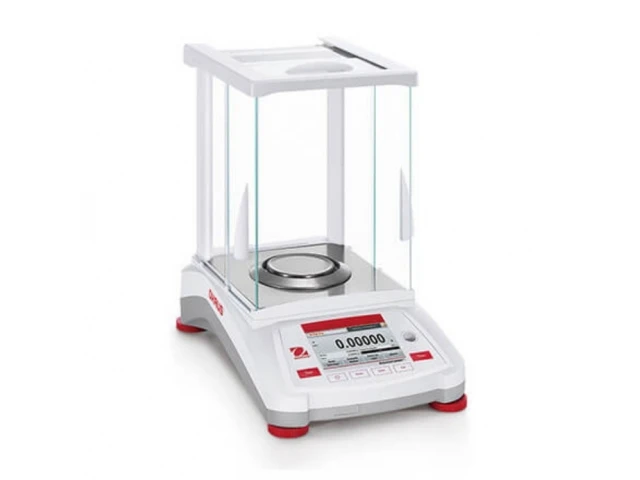
The operational mechanism of contemporary analytical balance primarily relies on electromagnetic force restoration, a mature and stable working principle that differs greatly from the traditional lever balance structure of early mechanical weighing devices. When a sample or container is placed on the weighing pan, the gravitational force generated by the sample mass acts vertically downward on the pan and the internal load sensing unit. The instrument’s internal system immediately generates a reverse electromagnetic force to counteract this downward gravitational pull, gradually achieving a state of force equilibrium. A high-sensitivity sensor embedded within the weighing unit continuously captures the current intensity required to maintain this balanced state. Since the magnitude of the electromagnetic current corresponds linearly to the mass of the loaded sample, the integrated microprocessor converts the collected electrical signal into a standardized digital mass reading, which is then presented on the display interface in real time. This non-mechanical balancing method effectively reduces structural friction and mechanical wear, ensuring consistent and stable measurement performance during long-term use.
The complete structure of an analytical balance consists of multiple functional components that work in coordination to guarantee measurement accuracy and stability. The weighing pan, usually crafted from corrosion-resistant and high-rigidity metal materials, acts as the direct bearing platform for samples and containers, with a flat and smooth surface to ensure uniform force distribution during weighing. Surrounding the weighing area is a fully enclosed draft shield, a key structural component that mitigates external interference. Air convection, indoor airflow, floating dust, and subtle temperature fluctuations in the laboratory environment can all interfere with tiny mass measurements, and the transparent shield effectively isolates these disruptive factors while allowing operators to observe the weighing process clearly. Inside the instrument housing, the precision weighing cell serves as the core sensing component, responsible for capturing subtle force changes and converting physical signals into measurable electrical data. Auxiliary internal structures include signal processing modules, temperature compensation components, and stable power supply units, which collectively filter signal noise, offset environmental temperature deviations, and maintain the stability of electrical signal output. The external digital display module presents intuitive measurement data, while reserved data transmission interfaces support real-time output of weighing information to external terminal devices for subsequent data sorting, recording, and analysis.
Analytical balances feature distinct performance characteristics that adapt to the rigorous requirements of laboratory quantitative analysis. Their measurement resolution is far higher than that of conventional desktop scales, enabling accurate detection of extremely small mass changes in sample specimens. In practical laboratory operations, even minor variations in sample quality can lead to significant deviations in experimental conclusions, especially in trace component analysis, reagent formulation, and standard solution preparation. The high sensitivity of analytical balances ensures that these subtle mass differences can be accurately captured and quantified. Additionally, most analytical balance models support multiple functional weighing modes beyond basic static mass measurement, including percentage weighing, dynamic weighing for unstable samples, and density calculation for solid and liquid specimens. These extended functions expand the instrument’s application scope, allowing it to meet diverse experimental needs in different research scenarios without relying on additional auxiliary equipment.
Standardized operation procedures are essential to maintain the measurement accuracy and service life of analytical balances, as their high-precision internal structures are susceptible to improper manual operation and environmental disturbances. Before initiating any weighing work, operators need to place the instrument on a stable, horizontal work platform to avoid structural tilt caused by uneven placement, which would disrupt internal force balance and generate measurement errors. It is also necessary to preheat the instrument for an appropriate duration to stabilize internal electrical components and sensing units, eliminating data drift caused by temperature changes after startup. The laboratory environment should be kept clean, dry, and free from strong airflow, vibration, and corrosive gas accumulation, as harsh environmental conditions can affect both instantaneous measurement results and long-term structural stability.
During the formal weighing process, operators should adhere to standardized sampling and placement practices. Samples to be tested need to be placed in clean, dry containers such as weighing bottles or crucibles instead of being directly loaded on the weighing pan, to prevent sample adhesion, corrosion, or contamination that may damage the pan surface and affect subsequent measurements. For hygroscopic, volatile, or easily oxidized samples, rapid and standardized weighing operations are required, and closed containers must be used to isolate samples from ambient air, avoiding mass changes caused by moisture absorption, volatilization, or chemical reactions during measurement. Excessive loading beyond the instrument’s effective weighing range should be strictly avoided, as overloading can cause permanent fatigue damage to the internal weighing cell and reduce measurement sensitivity over time. Meanwhile, placing samples gently on the pan prevents instantaneous impact force from causing signal fluctuation and inaccurate readings. After the reading stabilizes, operators should record data promptly and remove samples in a timely manner to avoid long-term static load on the instrument.
Daily maintenance and regular calibration form the foundation of sustained stable operation for analytical balances. Routine maintenance includes regular cleaning of the weighing pan and draft shield with soft, dry cleaning tools to remove residual sample dust and stains, ensuring no foreign substances affect the weighing state. The instrument’s external housing and internal gap areas should be kept dry and clean, with regular checks for dust accumulation or moisture intrusion. When the instrument is not in use for a long time, it should be placed in a dry and ventilated storage environment, with protective measures taken to prevent dust and mechanical collision. Regular calibration operations are crucial to offset subtle performance changes caused by long-term operation, environmental fluctuation, and component aging. Calibration corrects systematic errors of the instrument, restores consistent measurement accuracy, and ensures that each weighing result maintains good repeatability and traceability. In daily laboratory management, recording usage status, calibration cycles, and maintenance records helps form a complete equipment management system and facilitates timely detection and resolution of potential operational anomalies.
The application scenarios of analytical balances cover a wide range of scientific and industrial fields, demonstrating strong practical value and universal applicability. In chemical laboratories, they are widely used for preparing standard reagent solutions, weighing experimental raw materials, and analyzing trace components in chemical reactions, providing accurate mass data for quantitative chemical analysis and ensuring the controllability and reproducibility of chemical experiments. In pharmaceutical research and production, analytical balances assist in weighing pharmaceutical raw materials, testing finished product component content, and conducting drug stability experiments, supporting the standardized development of pharmaceutical formulation research and quality inspection. In material science research, the instrument is applied to measure the mass of new material samples, test material density, and analyze material component proportions, providing key data support for the research and optimization of composite materials, nano-materials, and polymer materials.
In environmental monitoring laboratories, analytical balances are used for weighing environmental samples such as soil sediment, water body residues, and atmospheric dust, helping researchers detect trace pollutant contents and evaluate environmental quality indicators. In food testing and agricultural research, they support the detection of food component content, pesticide residue quantification, and crop sample component analysis, providing accurate data for food safety screening and agricultural product quality assessment. In academic teaching laboratories, analytical balances serve as core teaching equipment, helping students master standardized precision measurement methods, cultivate rigorous experimental operational habits, and lay a solid foundation for subsequent professional scientific research work.
With the continuous progress of laboratory technology, the functional design and operational performance of analytical balances are constantly optimized and upgraded. Modern analytical balances integrate intelligent data processing systems and multi-terminal connection functions, enabling automatic recording, real-time transmission, and batch sorting of weighing data. This intelligent operation mode reduces manual data recording errors, improves experimental work efficiency, and facilitates the establishment of standardized experimental data archives. Meanwhile, optimized structural designs enhance the instrument’s resistance to environmental interference, enabling it to maintain stable measurement performance in slightly complex laboratory environments. Improved human-computer interaction systems simplify operational steps, lower the threshold for standardized operation, and make high-precision weighing work more efficient and convenient.
As a core precision measuring instrument in laboratory systems, the analytical balance plays an essential role in ensuring the accuracy of experimental data, standardizing experimental operations, and promoting the development of scientific research and industrial testing. Its unique high-precision measurement capability, stable operational performance, and diverse functional expansion enable it to adapt to the increasingly refined requirements of modern laboratory work. Standardized operation, scientific daily maintenance, and regular calibration management are key to maximizing the instrument’s performance and extending its service life. With the continuous advancement of scientific research and industrial detection technology, analytical balances will continue to evolve in intelligence, environmental adaptability, and operational convenience, providing more reliable technical support for quantitative analysis work in various professional fields and laying a solid foundation for the innovation and development of related scientific research and industries.
https://www.veidtweighing.com/Balance/AnalyticalBalance
Post Date: Jun 7, 2026
https://www.supplier-manufacturer.com/weight-balance-scale/analytical-balances.html

![Stainless Steel Calibration Weight For School Laboratory Teaching]()
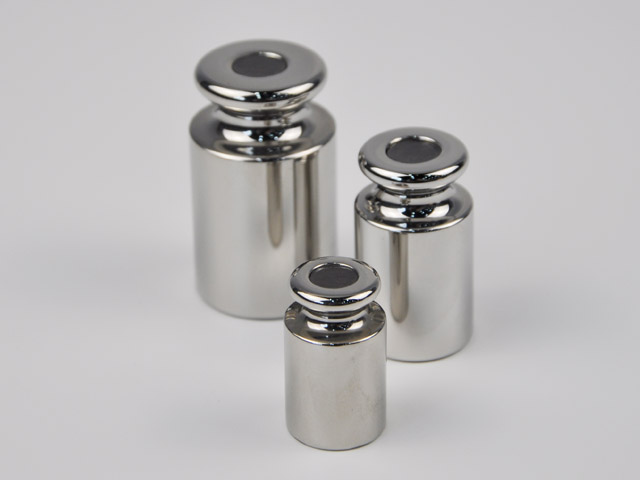
Stainless Steel Calibration Weight For School Laboratory Teaching
Stainless steel calibration weights are fundamental teaching tools tailored for school laboratory science courses, covering physics, chemistry, and general science experim…![Standard Weight For Counting Scales]()
Standard Weight For Counting Scales
In modern industrial production, inventory management, and precision manufacturing, counting scales have become indispensable tools for quantifying bulk small parts, compo…![Standard Weight For Laboratory Balances]()
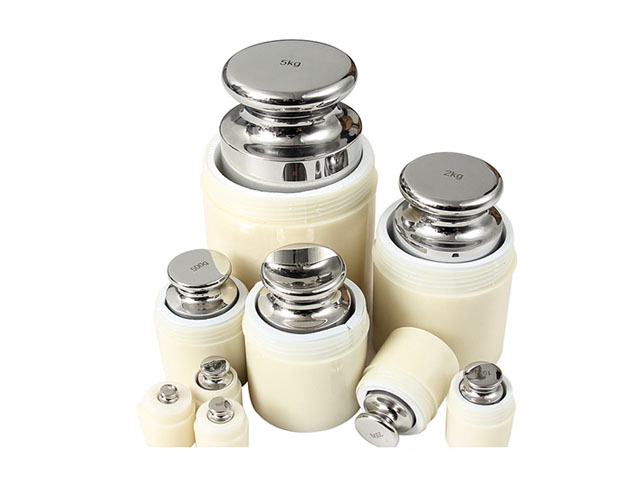
Standard Weight For Laboratory Balances
In modern laboratory scientific research, industrial detection, and analytical testing, the accuracy and reliability of weighing data serve as the fundamental guarantee fo…![Forklift Scale Calibration Standard Weight]()
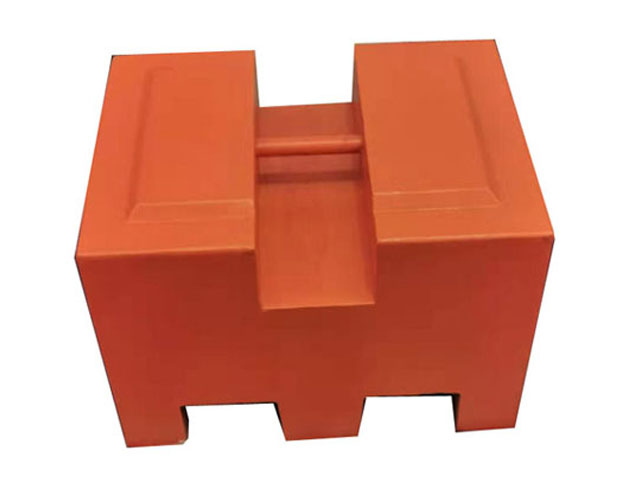
Forklift Scale Calibration Standard Weight
Forklift scale calibration with standard weights serves as a core operational practice in industrial logistics, manufacturing, and warehouse management, ensuring that onbo…![500g Calibration Weight For Balance Scale]()
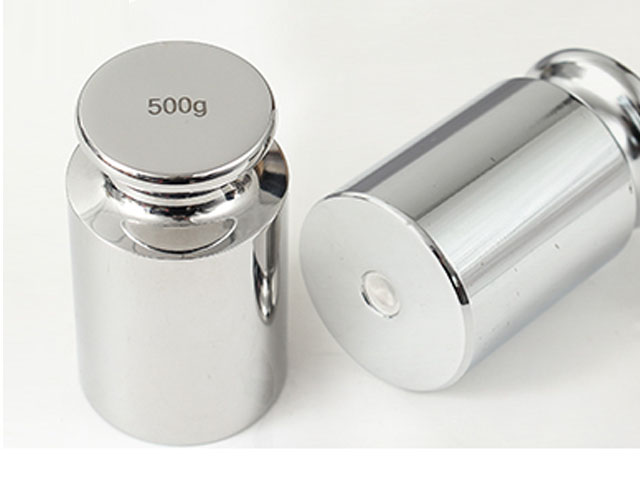
500g Calibration Weight For Balance Scale
In every industry and research field that relies on accurate mass measurement, maintaining the reliability of balance scales is a fundamental prerequisite for consistent a…