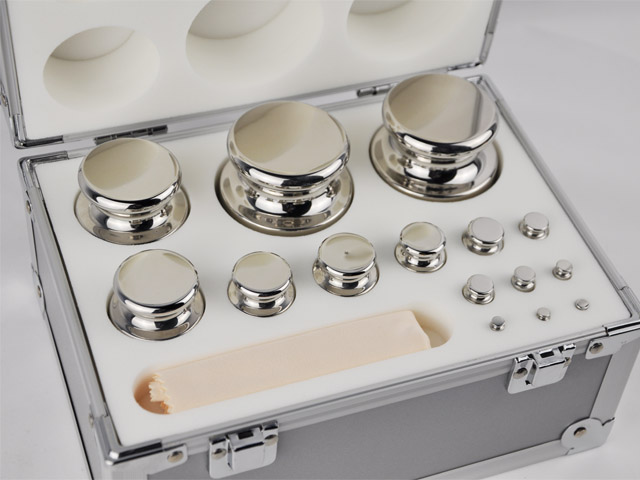
Electronic Balances
Electronic balances have emerged as essential weighing instruments in modern precision measurement scenarios, gradually replacing traditional mechanical weighing devices with their stable performance, intuitive operation and consistent measurement output. Unlike mechanical balances that rely on lever balance and manual calibration, electronic balances complete the entire weighing process through electronic sensing, signal conversion and intelligent data processing, realizing automated and digital mass measurement for various objects. This type of equipment focuses on capturing the tiny force generated by the mass of a measured object, converting physical force signals into recognizable electrical signals, and outputting standardized numerical results after systematic calculation and correction, which greatly optimizes the efficiency and stability of precision weighing work in various fields.
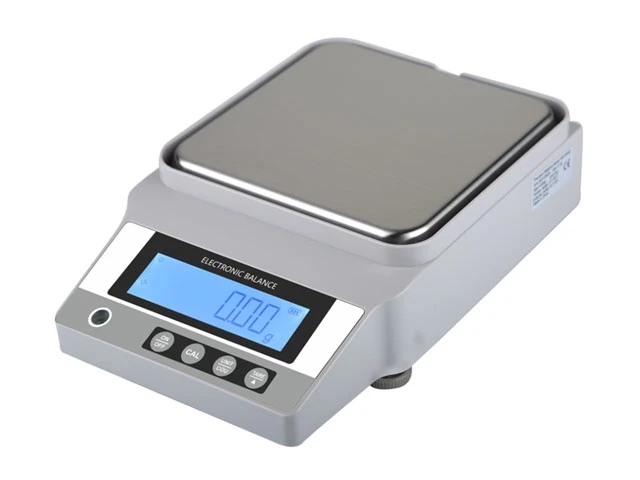
The core working logic of electronic balance originates from the principle of electromagnetic force restoration and strain sensing technology, two mature technical mechanisms that support the precise operation of different types of weighing equipment. In the electromagnetic force restoration system, when an object is placed on the weighing pan, the gravity generated by the object will cause slight displacement of the pan structure. The internal sensing component can instantly capture this tiny displacement signal, and the control circuit will immediately generate a corresponding electromagnetic force to offset the gravity of the object and restore the weighing pan to its initial balanced position. The magnitude of the current required to maintain this balanced state is in direct proportion to the mass of the measured object. After being amplified, filtered and calculated by the internal microprocessor, the current signal is finally converted into an intuitive mass value and displayed on the digital screen. Another strain sensing mode relies on the deformation characteristics of metal components. The built-in strain gauge will produce micro deformation under the pressure of the measured object, and the deformation will trigger the change of internal resistance value. The circuit system converts the resistance change into a stable electrical signal and completes mass calculation through data calibration and algorithm processing.
The overall structure of electronic balances is designed with precision and stability as the core, consisting of multiple functional modules that cooperate with each other to ensure accurate measurement. The external bearing part is mainly the weighing pan, which is usually made of corrosion-resistant and high-rigidity metal materials, with a flat and smooth surface to ensure uniform stress of the measured object and avoid measurement deviation caused by uneven force. The internal core weighing unit is the key component to determine measurement performance, undertaking force sensing and signal conversion work. The signal processing module composed of microprocessors and circuit systems is responsible for filtering interference signals, calibrating data and calculating numerical values, eliminating the influence of tiny environmental fluctuations on measurement results. The digital display module realizes real-time output of measurement data, with clear and intuitive numerical presentation, which is convenient for users to read and record data quickly. In addition, most electronic balances are equipped with auxiliary adjustment structures, such as horizontal adjustment feet and level indicators, which can correct the placement state of the equipment and ensure the balance is in a horizontal working state, laying a foundation for stable measurement.
In actual operation, the measurement accuracy of electronic balances is closely related to environmental conditions and standardized operation processes. Environmental factors such as air flow, temperature fluctuation, vibration and electromagnetic interference will affect the tiny sensing signal capture of the equipment. Therefore, electronic balances are usually placed in a stable, closed and dry working environment, avoiding direct air blowing and strong electromagnetic field interference. Temperature changes will cause slight thermal expansion and contraction of internal metal components and circuit structures, leading to subtle changes in sensing performance. Keeping a constant ambient temperature can effectively maintain the long-term stability of measurement accuracy. Before formal use, the equipment needs a certain period of preheating operation to make the internal circuit and sensing system reach a stable working state, so as to avoid data deviation caused by insufficient equipment activation. At the same time, regular zero calibration is a necessary operation link. After the equipment is started or when the placement environment changes slightly, zero setting processing can eliminate the residual stress of the weighing pan and the interference of basic environmental factors, ensuring that each measurement starts from a unified zero reference point.
The operation process of electronic balances is simple and efficient, which greatly reduces the professional threshold of precision weighing compared with traditional mechanical equipment. Before weighing, users need to adjust the horizontal state of the equipment through the adjustable feet according to the level indicator, place the balance on a flat and stable countertop, and clean the surface of the weighing pan to remove residual dust and sundries that may affect the measurement results. After starting the equipment, wait for the system to complete self-inspection and preheating, and perform zero calibration to ensure the initial data is accurate. When placing the measured object, it is necessary to gently place the object in the center of the weighing pan to avoid tilt and offset placement, prevent eccentric load from causing structural stress deviation, and ensure uniform force on the sensing unit. For container-held samples such as liquid and powder, the tare peeling function can be used to deduct the mass of the container in advance, so as to directly obtain the net mass of the sample. After the data display is stable, record the measurement results. After the weighing work is completed, clean the weighing pan in time, turn off the equipment power, and complete daily maintenance to extend the service life of the equipment.
Electronic balances have outstanding performance advantages in repeatability and stability, which are the key reasons why they are widely used in precision measurement fields. In multiple repeated measurements of the same object, the data deviation of electronic balances is extremely small, maintaining high consistency of results, which meets the requirements of experimental research and industrial detection for data repeatability. The built-in intelligent algorithm can automatically filter random interference signals generated by environmental tiny fluctuations, effectively suppressing data jitter and making the displayed values more stable. Different from mechanical balances that require repeated manual balancing and reading estimation, electronic balances can complete signal processing and data output in a short time, with fast response speed and short data stabilization time, which significantly improves the efficiency of batch weighing operations. In addition, the equipment has good data inheritance. Long-term use will not cause obvious performance attenuation due to mechanical wear, and can maintain stable measurement performance through regular simple calibration and maintenance.
The application scenarios of electronic balances cover multiple fields such as scientific research laboratories, industrial production, pharmaceutical manufacturing, food processing and chemical detection, becoming an indispensable basic measuring tool. In scientific research and experimental scenarios, electronic balances are used for accurate weighing of experimental reagents, sample preparations and experimental materials. Many chemical experiments, physical property tests and material research work require precise mass data as the basis of experimental results, and stable and accurate weighing data can ensure the authenticity and repeatability of experimental conclusions. In industrial production and processing, the equipment is applied to raw material proportioning, product sampling inspection and precision part detection. Accurate mass control helps enterprises standardize production processes, maintain consistent product quality and reduce material waste caused by proportion deviation.
In the pharmaceutical and health industry, electronic balances undertake the weighing work of pharmaceutical raw materials, auxiliary materials and finished product sampling testing. The precise control of material mass is crucial to the efficacy and safety of pharmaceutical products, and standardized weighing can effectively ensure the compliance of pharmaceutical production processes. In food processing and testing fields, the equipment is used for ingredient proportioning in food production and quality inspection of finished products, helping enterprises control product taste and quality stability, and meet standardized production requirements. In addition, electronic balances are also widely used in educational teaching, environmental detection, mineral analysis and other scenarios, providing accurate mass measurement support for various professional technical work.
With the continuous progress of electronic technology and intelligent manufacturing level, the functional design of electronic balances is also constantly optimized and upgraded. Modern electronic balances gradually add diversified practical functions on the basis of basic weighing, such as data storage, statistical analysis and peripheral data transmission. The built-in storage module can record multiple groups of weighing data, which is convenient for users to view and sort out historical data in batches. The data transmission interface supports the transmission of measurement results to computers and terminal equipment, realizing digital storage and centralized management of data, avoiding errors caused by manual recording, and improving the informatization level of weighing work. Some optimized models also have adaptive environmental adjustment functions, which can automatically sense subtle changes in ambient temperature and air flow, and dynamically adjust internal algorithms to compensate measurement errors, further improving the adaptability of the equipment to complex working environments.
Daily maintenance and standardized management are crucial to maintain the long-term performance of electronic balances. In daily use, it is necessary to avoid placing corrosive, superheated and overweight objects on the weighing pan to prevent damage to the sensing structure and surface of the equipment. Keep the equipment working environment clean and dry, avoid dust accumulation and moisture erosion inside the equipment, so as to prevent circuit failure and sensing sensitivity attenuation caused by environmental factors. Regular manual calibration and performance detection are required to check the accuracy of measurement data, and timely adjust and correct the equipment when subtle deviation occurs. When the equipment is not in use for a long time, it should be placed in a dust-proof and moisture-proof environment, and regular power-on activation should be carried out to ensure the normal operation of internal circuits and sensing components. Good maintenance habits can effectively maintain the measurement performance of electronic balances, reduce equipment failure rate, and prolong the overall service life.
Compared with traditional mechanical weighing equipment, electronic balances have obvious comprehensive advantages in operation experience, measurement performance and functional expansion. Mechanical balances rely on manual adjustment of weights and lever balancing, which requires rich operating experience, and the reading results are easily affected by human visual deviation and manual operation errors. Electronic balances realize fully automated measurement, with simple operation steps and low human error rate, and the digital display mode makes data reading more intuitive and accurate. In terms of performance expansion, mechanical balances can only complete basic mass measurement, while electronic balances can derive multiple functional modes such as tare weighing, cumulative weighing and data statistics according to usage scenarios, which can meet more diversified and refined weighing needs. In terms of long-term use, electronic balances have no mechanical wear loss caused by frequent lever movement, with more stable performance and lower later maintenance cost.
In the future development trend, electronic balances will develop towards higher intelligence, stronger environmental adaptability and more convenient data management. With the integration of sensor technology and artificial intelligence algorithms, the equipment will realize more accurate signal identification and error compensation, further improving the refinement degree of measurement. The intelligent self-diagnosis function will be more perfect, which can automatically detect the working state of internal components, judge potential faults and remind users of maintenance, realizing intelligent equipment management. At the same time, with the popularization of digital factory and intelligent laboratory construction, electronic balances will be more closely connected with industrial Internet and laboratory management systems, realizing real-time data synchronization, automatic report generation and remote equipment monitoring, providing more efficient and intelligent measurement support for modern production and scientific research work. As a basic precision measuring tool, electronic balances will always play an important role in various professional fields, and continuously meet the increasingly refined measurement needs of all walks of life with technological innovation and performance optimization.
https://www.veidtweighing.com/Balance
Post Date: Jun 7, 2026
https://www.supplier-manufacturer.com/weight-balance-scale/electronic-balances.html

![F2 Class Test Weight]()
F2 Class Test Weight
In the entire system of mass measurement and weighing calibration, F2 class test weight occupies an irreplaceable middle core position, connecting high-precision reference…![Cast Iron Weight For Crane]()
Cast Iron Weight For Crane
Cast iron weight for crane stands as an indispensable foundational component in the entire operating system of various crane equipment, serving as a core balancing and loa…![Scale Test Weight]()
Scale Test Weight
In every corner of modern production, daily commercial transactions, scientific research experiments, and basic industrial operation management, weighing measurement stand…![Scale Calibration Weight]()
Scale Calibration Weight
Scale calibration weight stands as an essential foundational tool in the entire field of modern measurement and weighing operations, serving as the fundamental reference m…![Calibration Weight For Sale]()
Calibration Weight For Sale
In every sector that relies on reliable mass measurement to sustain daily operations, maintain consistent output quality, and uphold operational stability, calibration wei…