Cattle Scales
The development of modern animal husbandry has shifted extensively from traditional extensive breeding to refined and scientific management, and the standardized breeding mode has gradually replaced the past experience-dependent feeding method. In the daily operation of cattle farms, the collection and analysis of animal growth data has become a core link affecting breeding efficiency, herd quality and sustainable development. As a professional weighing device designed for cattle breeding scenarios, cattle scales have become an indispensable basic equipment in modern livestock production. It provides accurate and real-time weight data of cattle herds, laying a solid data foundation for farmers to carry out feeding management, health monitoring, herd optimization and market arrangement. Unlike traditional manual estimation methods that rely on breeding experience, cattle scales can quantify the growth status of each cattle, eliminate the errors caused by subjective judgment, and make the whole breeding process more standardized and data-driven.
In the whole cycle of cattle breeding, from calf birth, weaning, fattening to adult sales and breeding retention, weight changes run through every key growth stage. Calves have fragile physical conditions and unstable growth rhythms in the early growth period. Slight changes in nutrition, environment and health status will be directly reflected in weight fluctuations. Regular weighing through cattle scale can record the weight data of calves at different growth nodes, helping breeders grasp the daily growth status of young cattle. By sorting out the growth data of calves in batches, farmers can calculate the average daily weight gain of herds, summarize the growth rules of cattle groups under current feeding conditions, and judge whether the early feeding and management mode is suitable for the growth needs of young cattle. For calves with slow weight growth or abnormal weight fluctuations in the same batch, breeders can conduct targeted physical inspection and feeding adjustment in a timely manner to avoid individual problems affecting the overall growth level of the herd, so as to improve the survival rate and growth uniformity of young cattle.
Nutrition management is the key to improving cattle growth efficiency and reducing breeding costs, and accurate weight data is the core basis for formulating scientific feeding plans. In traditional breeding work, farmers often formulate feed ratios and feeding amounts based on subjective experience, which is prone to problems such as excessive feeding leading to feed waste or insufficient feeding restricting cattle growth. With the help of cattle scales, breeders can obtain accurate individual and group weight data, and formulate differentiated feeding schemes according to different growth stages, body types and growth states of cattle. For fattening cattle in the rapid growth stage, the feed nutrition ratio and daily feeding amount can be adjusted according to the real-time weight gain rate to ensure that the nutritional supply matches the growth demand, so as to maintain a stable growth speed. For adult breeding cattle, reasonable feeding standards can be formulated combined with weight changes to avoid nutritional excess or deficiency, maintain their good physical condition and reproductive performance. At the same time, long-term accumulation of weighing data can help farmers analyze the conversion rate of feed in different seasons and different growth cycles, continuously optimize feeding formulas, reduce unnecessary feed consumption, and improve the economic benefits of breeding on the premise of ensuring healthy growth of cattle herds.
Animal health management is another important application scenario of cattle scales. The weight of cattle is an intuitive reflection of physical health status. Healthy cattle maintain a stable and regular weight growth trend, while diseases, parasitic infections, stress reactions and nutritional deficiencies will lead to slow weight growth, weight stagnation or even sudden weight loss. In daily breeding management, regular weighing and data recording can help breeders establish a complete growth file for each cattle. By comparing the latest weight data with historical data, abnormal physical conditions of cattle can be found in the early stage. Many latent diseases of cattle do not have obvious external symptoms in the early onset stage, and individual appetite and mental state will not change significantly, so it is difficult for breeders to detect them in time through daily observation. However, the abnormal fluctuation of weight data can accurately reflect the physical abnormality. Timely detection and intervention can effectively control the spread of diseases in the herd, reduce the incidence of diseases, and avoid the economic losses caused by large-scale illness and elimination of cattle herds. In addition, when carrying out drug treatment, parasite removal and vaccine immunity for cattle, accurate weight data is also an important basis for drug dosage configuration. Reasonable dosage based on actual weight can avoid drug failure caused by insufficient dosage and livestock physical damage and drug waste caused by excessive dosage, ensuring the safety and effectiveness of veterinary operation.
Herd optimization and breeding improvement are long-term core work of cattle farms, and continuous weighing data provides reliable support for the iterative optimization of herd genes. Excellent growth performance is an important breeding screening standard. By tracking the weight growth rate, adult weight stability and growth cycle of different individual cattle, breeders can screen out individuals with excellent growth performance, strong adaptability and stable genetic traits as reserve breeding cattle. Eliminating individuals with slow growth, poor growth stability and low feed conversion efficiency can continuously optimize the overall genetic quality of the herd and improve the growth level and breeding value of subsequent generations. For large-scale breeding farms with batch breeding and centralized management, weighing data can also support group management of cattle herds. According to the weight difference, cattle can be grouped and raised in a targeted manner, so that the feeding density, feed formula and management measures of each group can be more in line with the group characteristics, avoiding the situation that small and weak cattle are suppressed in feeding and affect growth, and effectively improving the overall growth uniformity of the whole herd.
In the link of cattle sales and market conversion, cattle scales provide fair and accurate weight measurement standards for breeding production and market transactions, realizing standardized docking between breeding and market. In livestock trading, weight is an important measurement index to evaluate the value of cattle. Accurate weighing data can help farmers judge the best sales time. Cattle have different growth rates and market adaptation states in different growth stages. By combining historical weight growth data with market demand rules, farmers can arrange sales plans reasonably, sell cattle when their growth state and weight meet market demand, and stabilize the income level of breeding. At the same time, accurate weighing data ensures the fairness and rationality of trading links, avoids transaction disputes caused by inaccurate weight estimation, and standardizes the sales process of cattle herds. For breeding enterprises that carry out long-term market operation, standardized weighing data records can also form systematic breeding data files, which is convenient for subsequent production summary, benefit analysis and production plan adjustment, and provides data support for the long-term development of the farm.
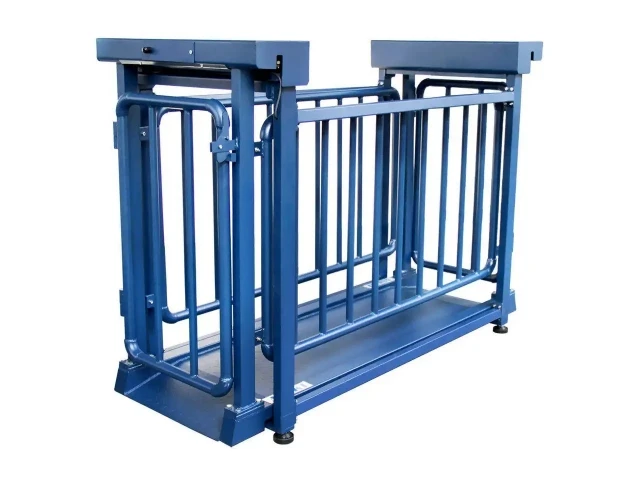
The structural design of cattle scales fully adapts to the actual breeding environment and animal characteristics, ensuring the stability and safety of weighing work for a long time. Most cattle scales adopt sturdy and durable structural materials, which can adapt to the complex farm environment such as outdoor wind and rain erosion, ground humidity and frequent animal contact. The platform design is reasonable, with anti-slip and anti-collision functions, which can effectively prevent cattle from slipping and being frightened during the weighing process, reduce the stress response of animals, and avoid weight data deviation caused by animal tension and restlessness. The low-platform structure is convenient for cattle to enter and exit freely, reducing the difficulty of manual guidance and improving the efficiency of batch weighing. In addition, the equipment has strong anti-interference performance, which can resist the interference of environmental vibration, ground fluctuation and other external factors on weighing accuracy, and maintain stable and accurate weighing results in long-term continuous use. This practical design makes cattle scales suitable for various breeding scenarios such as small family farms and large-scale intensive breeding bases, and can efficiently meet the daily weighing and data recording needs of different scale herds.
Daily maintenance and standardized use of cattle scales are crucial to maintain data accuracy and extend service life. In the daily breeding process, the surface of the scale is easy to accumulate feed residues, feces, dust and other sundries. Regular cleaning can avoid the impact of sundry accumulation on weighing accuracy and keep the equipment surface clean and hygienic, which is also conducive to reducing the breeding of bacteria on the equipment and maintaining the health of the breeding environment. It is necessary to check the operating state of the equipment regularly, confirm the stability of the weighing platform and the sensitivity of the induction system, and eliminate potential hidden dangers such as loose parts and insensitive induction in a timely manner. In terms of use, breeders need to standardize the weighing operation, avoid overloading the equipment, and ensure that the cattle stand stably on the weighing platform during weighing, so as to ensure the authenticity and effectiveness of each weighing data. Long-term standardized maintenance and operation can keep the equipment in a good working state, reduce the failure rate of equipment use, and provide stable and continuous data support for farm production and management.
With the continuous progress of animal husbandry technology, the application of cattle scales is no longer limited to simple weight measurement, but gradually integrated into the intelligent management system of modern farms. The weight data collected by cattle scales can be sorted, stored and analyzed through supporting data management methods, forming continuous growth curve and performance analysis reports of cattle herds. These data can help farmers intuitively grasp the overall growth status of the herd, accurately locate the links affecting breeding efficiency, and provide clear optimization direction for feeding management, health prevention and control, and herd adjustment. In the context of the continuous upgrading of the livestock industry, refined data management has become an inevitable trend of industrial development. Cattle scales, as the basic data collection terminal, connect the daily breeding work with data analysis and intelligent management, help the cattle breeding industry get rid of the extensive management mode, and promote the whole industry to develop in a standardized, efficient and scientific direction.
In conclusion, cattle scales play an irreplaceable role in modern cattle breeding production. It runs through the whole growth cycle of cattle herds, provides accurate and reliable data support for feeding optimization, health monitoring, herd improvement and market operation, and effectively solves the problems of low efficiency, large error and poor pertinence in traditional experience-based breeding management. For modern cattle breeding practitioners, making full use of cattle scale equipment, standardizing weighing operation and data recording, and excavating the value of weighing data can continuously optimize breeding schemes, improve the level of fine management, reduce breeding risks and operating costs, and steadily enhance the comprehensive production capacity and economic benefits of cattle farms. With the continuous development of animal husbandry modernization, the application value of cattle scales in livestock breeding will be further highlighted, becoming an important basic guarantee for the sustainable and high-quality development of the cattle breeding industry.
https://www.veidtweighing.com/IndustrialScale/CattleScale
Post Date: Jun 7, 2026
https://www.supplier-manufacturer.com/weight-balance-scale/cattle-scales.html

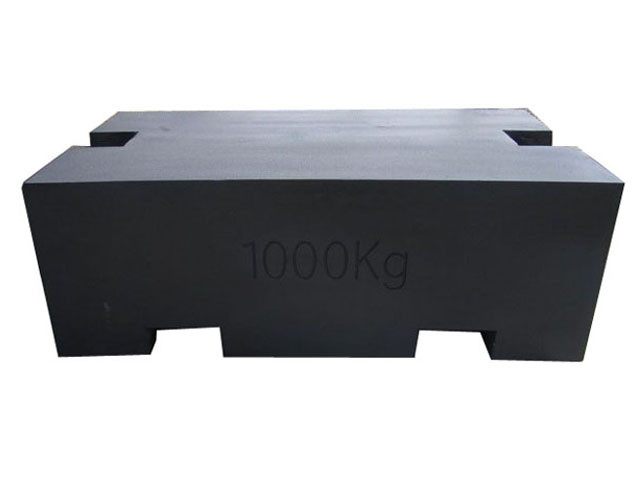
![1000kg Test Weight]()
1000kg Test Weight
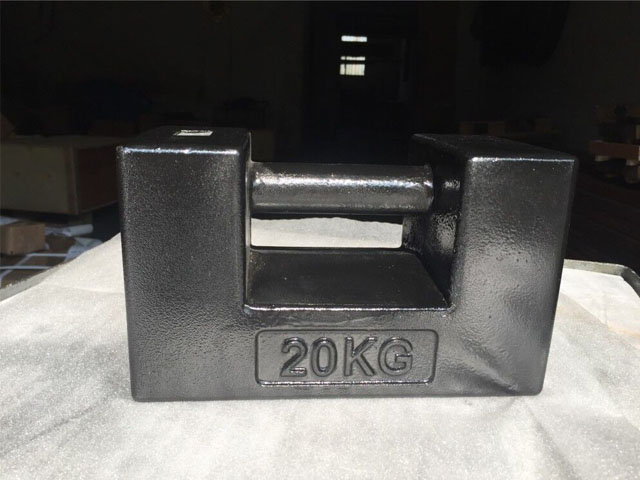
In the complex and interconnected framework of modern industrial production, material circulation, engineering operation, and scientific measurement, the consistency and r…![20kg Test Weight]()
20kg Test Weight
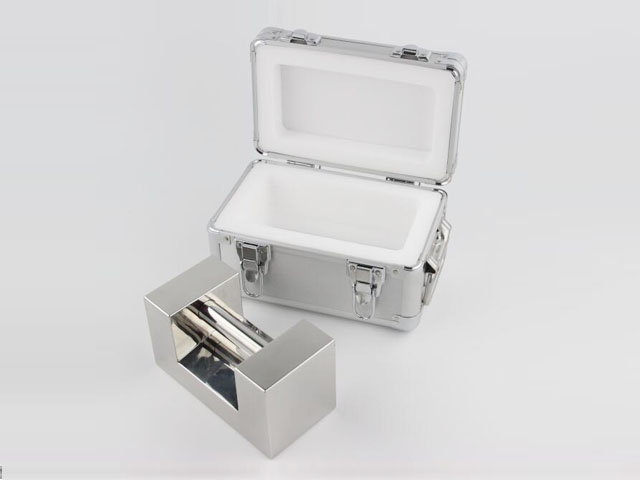
In the modern industrial production system, daily measurement verification and routine equipment performance testing work run through every link of manufacturing, logistic…![Digital Balance Calibration Standard Laboratory Weight]()
Digital Balance Calibration Standard Laboratory Weight
In every modern laboratory setting that relies on quantitative measurement data to support experimental research, material formulation, quality verification, and scientifi…![High Accuracy Test Weight]()
High Accuracy Test Weight
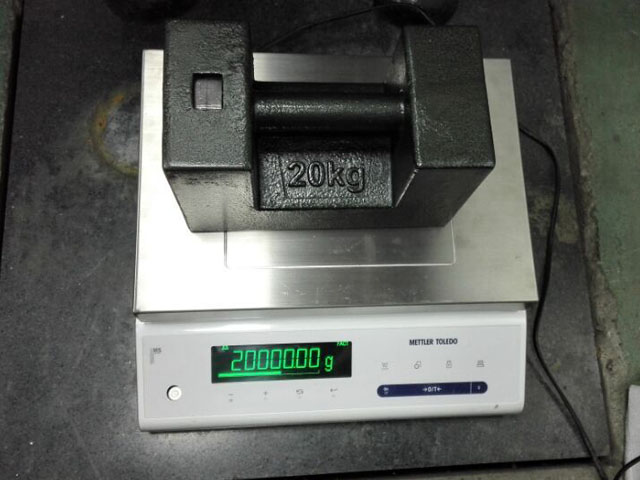
High accuracy test weight stands as a foundational physical reference tool embedded deep within the core of modern measurement and industrial production systems, serving a…![Cast Iron Test Weight]()
Cast Iron Test Weight
Cast iron test weights stand as foundational physical measuring artifacts that underpin the entire operational logic of modern weighing and metrological systems across all…