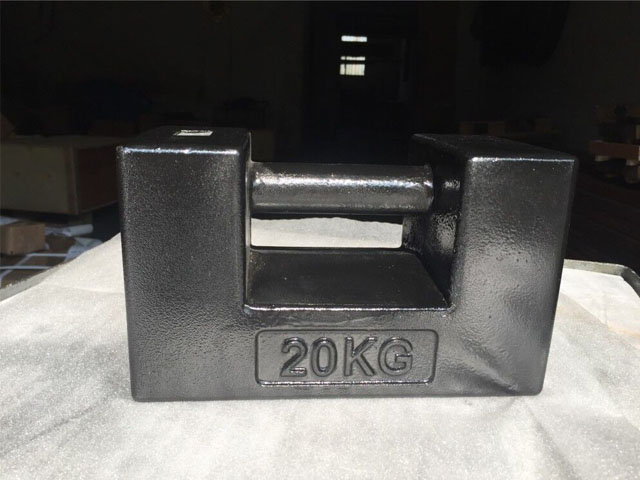
Attribute of Calibration Weight
Calibration weights serve as foundational physical references for all weighing and metering operations across industrial production, laboratory research, commercial transaction measurement, and daily quality inspection work, acting as the tangible bridge that connects theoretical mass standards to practical weighing equipment application. The core value of these standard mass objects lies in their stable and consistent inherent attributes, which determine the reliability of every weighing result and ensure that various weighing instruments can maintain steady working performance during long-term repeated use and complex environmental exposure. Every inherent attribute of a calibration weight is carefully designed and precisely controlled in the manufacturing and finishing process, and each subtle characteristic interacts and restricts each other, jointly shaping the basic conditions for the weight to perform its calibration function effectively over a long service cycle. Understanding and mastering the various attributes of calibration weights is not only essential for technical personnel engaged in instrument calibration and metering management work but also a key prerequisite for prolonging the service life of weighing equipment, reducing measurement deviation, and maintaining the uniformity and consistency of mass measurement data in different usage scenarios and time periods.
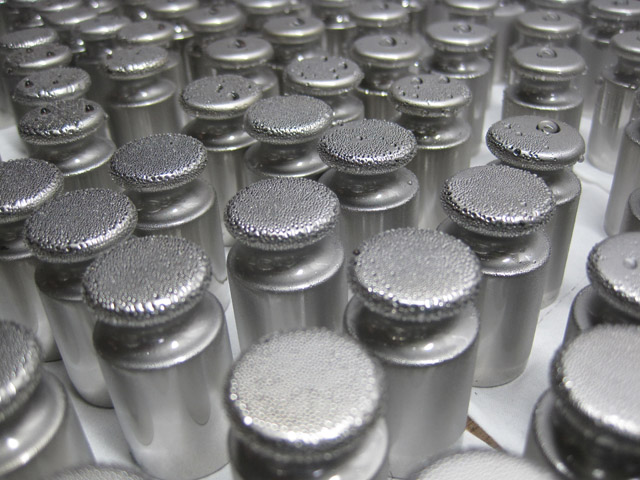
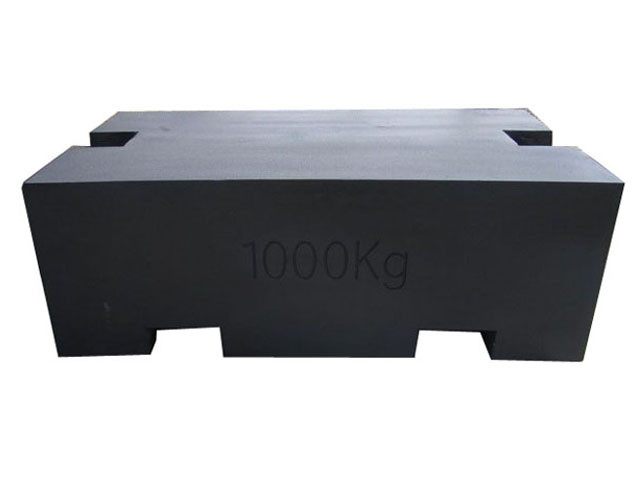
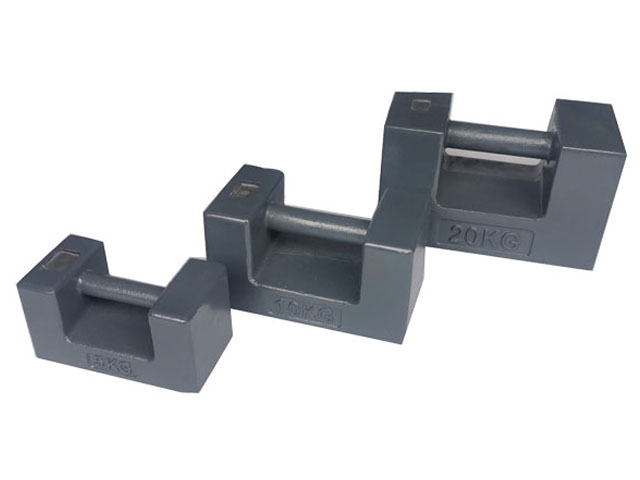
The most fundamental and decisive attribute of any calibration weight is its material inherent physical property, which lays the primary foundation for all other external and functional attributes of the weight. The selection of manufacturing materials directly affects the long-term mass stability, environmental adaptability, and structural durability of calibration weights, and different application scenarios put forward differentiated requirements for material characteristics, prompting the adoption of various metal materials with distinct performance advantages in weight production. Common materials used for making calibration weights include special stainless steel with optimized component ratios, refined brass, high-density cast iron with protective treatment, and lightweight aluminum alloy materials suitable for specific low-load calibration scenarios, while some mass reference objects for professional precision measurement scenarios adopt high-purity alloy materials with stable molecular structure and low chemical activity. Each type of material has unique density characteristics, and the density uniformity inside the material is particularly critical, as uneven internal density will lead to subtle mass distribution deviation inside the weight, causing tiny measurement errors during the calibration process of high-precision weighing instruments, and such internal structural deviation is difficult to eliminate through later surface processing and finishing treatment.
Magnetic permeability is another indispensable core material attribute of calibration weights, especially for weights used to calibrate high-sensitivity electronic balances and precision analytical weighing equipment. Any trace magnetic property inside the weight material will generate subtle magnetic interaction with the internal sensing components of electronic weighing instruments, interfering with the induction and feedback of tiny gravity signals and leading to inaccurate weighing data output after calibration. Therefore, qualified calibration weight materials need to maintain extremely low magnetic permeability, and the internal molecular structure of the material is processed and adjusted to avoid the generation of residual magnetism during production, processing, and long-term use. Stainless steel materials used for high-precision calibration weights undergo special smelting and refining processes to reduce magnetic impurities inside the raw materials, ensuring that the weight will not produce magnetic attraction or repulsion effects with surrounding metal equipment and electronic components in daily use and storage environments. For weights made of cast iron and brass materials used in conventional industrial calibration scenarios, corresponding demagnetization treatment will also be carried out in the later production stage to control magnetic influence within a negligible range suitable for conventional weighing calibration needs, ensuring that magnetic interference will not become a key factor affecting measurement accuracy.
Chemical stability and corrosion resistance of materials are key attributes that determine the long-term mass retention performance of calibration weights, as calibration weights need to be used and stored in various complex environmental conditions for many years, and their surface and internal mass must not change due to external chemical erosion and oxidation reactions. In the daily working environment, calibration weights are inevitably exposed to air containing moisture, dust, and trace chemical gases, and may also come into contact with tiny moisture, chemical reagents, and industrial dust during use and handling processes. Materials with poor corrosion resistance are prone to surface oxidation, rusting, chemical corrosion, and other phenomena, which will cause continuous changes in the surface quality of the weight, leading to slow deviation of the overall nominal mass and gradual failure of the calibration reference function. High-quality calibration weight materials have natural anti-oxidation and anti-corrosion characteristics, and the surface will not produce chemical reaction films or corrosion damage under conventional environmental changes. For weights made of materials with relatively weak natural corrosion resistance, uniform and stable protective treatment will be carried out on the surface to isolate the contact between the internal metal structure and the external environment, effectively avoiding mass changes caused by chemical erosion and ensuring that the basic mass state of the weight remains unchanged for a long time.
Structural design attributes of calibration weights are closely combined with material characteristics, focusing on overall structural integrity, mass distribution uniformity, and use operation convenience, and these structural attributes directly affect the stability and repeatability of calibration operations. Most calibration weights adopt integrated one-piece forming structural design or standardized assembled structural design according to different precision requirements, and the integrated forming structure can avoid subtle mass deviation and structural looseness caused by later assembly gaps, making the overall structure more solid and stable, suitable for high-precision mass calibration work that requires extremely strict structural stability. The assembled structural design is equipped with a reasonable internal adjustment cavity, which facilitates fine mass fine-tuning in the later finishing stage, so that the actual mass of the weight can be infinitely close to the nominal mass standard, meeting the calibration needs of conventional precision weighing scenarios. No matter which structural design is adopted, the overall center of gravity of the calibration weight is designed at the central position of the structure, avoiding excessive deviation of the center of gravity caused by unreasonable structural design, which may lead to placement tilt and unstable stress on the weighing instrument bearing surface during calibration, resulting in accidental measurement errors.
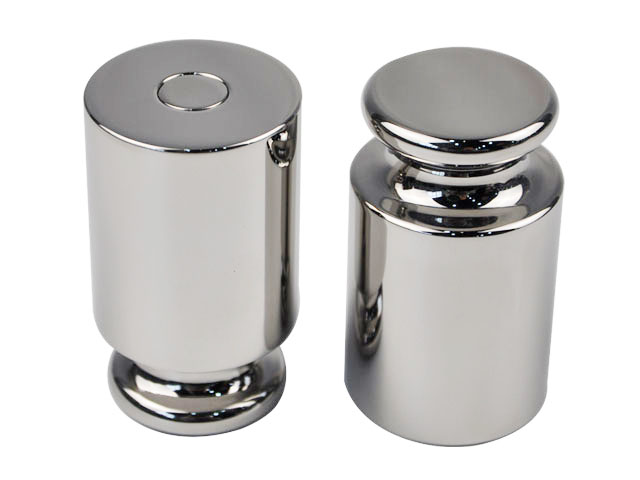
The surface processing finish attribute of calibration weights is an important external attribute that cannot be ignored, which is not only related to the appearance flatness of the weight but also directly affects the actual effective mass state and anti-fouling and wear resistance in use. The surface of calibration weights with different precision requirements adopts different finishing processes, including smooth matte surface treatment and fine polished surface treatment, and different surface finishes are designed to adapt to different use environments and calibration precision standards. A smooth and flat surface can effectively reduce the adhesion of external dust, moisture, and fine sundries on the weight surface, because the tiny attachments accumulated on the weight surface for a long time will bring additional tiny mass, affecting the accuracy of calibration work. At the same time, reasonable surface finish can also reduce surface wear and scratch damage caused by frequent handling, placement, and mutual contact during use and storage. Scratches and wear marks on the weight surface will not only damage the surface protective layer and reduce corrosion resistance but also cause subtle changes in surface quality, affecting the long-term stability of the weight mass. Therefore, the surface processing process of calibration weights strictly controls surface flatness, smoothness, and uniformity, ensuring that the surface state remains stable after long-term use and will not affect the inherent mass attributes of the weight due to surface changes.
Environmental adaptability attribute is a comprehensive practical attribute formed by the combination of material characteristics and structural design of calibration weights, reflecting the stability of weight mass and structural performance under the changes of external temperature, humidity, and atmospheric pressure. Temperature change is one of the main external factors affecting the performance of calibration weights, and all metal materials have a certain thermal expansion and contraction effect. When the ambient temperature fluctuates greatly, the volume of the weight will change slightly, and the corresponding mass state will also be affected by air buoyancy changes caused by volume changes. Calibration weights are manufactured with full consideration of the thermal expansion coefficient of the material, selecting materials with low thermal expansion variables, so that the volume change of the weight is extremely small under conventional temperature fluctuation ranges, and the impact on calibration measurement results can be effectively controlled. Humidity adaptability ensures that the weight will not absorb moisture or deliquesce in high-humidity environments, and the surface will not condense water droplets to cause additional mass increase; in low-humidity and dry environments, the weight structure and surface state will not crack or peel due to excessive dryness.
Air buoyancy adaptability matched by volume and density is also an important comprehensive attribute of calibration weights, which is often easily ignored in conventional calibration work but plays a vital role in high-precision metering calibration. All calibration weights work in atmospheric environment and will be affected by air buoyancy, and the magnitude of buoyancy is closely related to the overall volume and material density of the weight. Calibration weights with reasonable density configuration can keep the buoyancy influence in a balanced and stable state during the calibration of different weighing instruments, avoiding measurement deviation caused by excessive buoyancy difference. In the manufacturing process, the overall volume and density of each calibration weight are precisely controlled, so that the buoyancy change generated in different atmospheric pressure and air density environments is within a controllable range, ensuring that the calibration data obtained each time has good consistency and comparability, whether it is used in different seasons, different regions, or different indoor and outdoor environmental conditions.
Wear resistance and mechanical stability attributes determine the structural durability and long-term use stability of calibration weights in frequent handling and repeated use processes. Calibration weights need to be repeatedly placed, moved, and stacked in daily work, and may inevitably encounter slight collision and friction during handling and storage. Good mechanical stability enables the weight not to produce structural deformation, surface depression, or internal structural damage under conventional external force collision and friction, and the overall mass and structural state remain unchanged. Wear-resistant material characteristics and surface protective treatment can avoid rapid surface wear caused by long-term friction, ensuring that the surface finish and structural integrity of the weight are maintained for a long time. Weights with poor mechanical stability are prone to subtle structural deformation after slight collision, and such deformation will directly lead to mass distribution changes, making the weight lose the original calibration reference effect and unable to meet the basic metering use requirements.
Mass uniformity and long-term stability attribute are the core functional attributes that all other basic attributes ultimately serve for, and also the fundamental purpose of designing and controlling all attributes of calibration weights. Mass uniformity means that the internal mass distribution of the weight is uniform, and there is no local mass deviation caused by uneven material density or unreasonable structural processing, ensuring that the weight can maintain stable stress and accurate mass feedback no matter where it is placed on the weighing instrument bearing surface. Long-term mass stability means that under correct use and standardized storage conditions, the actual mass of the weight will not produce obvious drift and deviation with the extension of use time, and can maintain consistent mass performance for a long time. This attribute is the concentrated embodiment of material chemical stability, structural stability, surface protection performance, and environmental adaptability, and it is also the key basis for calibration weights to be used as long-term mass reference standards.
Standardized dimensional and morphological consistency attribute ensures that calibration weights can be universally adapted to various types of weighing instruments and standard storage equipment, improving the convenience and standardization of calibration work. The overall outer diameter, height, shape structure, and size proportion of calibration weights are designed in a standardized manner, so that weights of the same nominal mass have consistent morphological dimensions, which is convenient for technical personnel to quickly match and use in calibration work, and also conducive to standardized classified storage and management. Reasonable morphological design also takes into account the convenience of manual handling and mechanical clamping, avoiding inconvenient operation caused by unreasonable shape and size design in the calibration process, and ensuring that the weight can be placed stably and operated smoothly on all types of weighing equipment. At the same time, standardized dimensional consistency also ensures that the contact area between the weight and the weighing instrument bearing surface is stable each time it is used, avoiding measurement errors caused by different contact states.
In practical application work, all attributes of calibration weights are mutually coordinated and inseparable, and no single attribute can independently support the good working performance of the weight. Only when material performance, structural design, surface processing, environmental adaptability, mechanical stability, and mass stability all meet corresponding requirements can a calibration weight truly play a reliable calibration role and ensure the accuracy and consistency of weighing measurement work. Paying attention to the maintenance and protection of various attributes of calibration weights in daily use, avoiding external damage and environmental erosion that affect these attributes, is an important measure to maintain the long-term good performance of calibration weights. Whether in laboratory precision scientific research calibration or industrial production routine weighing detection, attaching importance to the inherent attributes of calibration weights and maintaining the stability of each core characteristic is the basic guarantee for doing a good job in mass metering work and ensuring the standardized and accurate operation of all links related to weighing measurement.
Attribute of Calibration Weight
https://www.veidtweighing.com/calibration-weights.html
Post Date: May 3, 2026
https://www.supplier-manufacturer.com/calibration-weight/attribute-of-calibration-weight.html

![Cast Iron Weight With Fork Slot]()
Cast Iron Weight With Fork Slot
Cast iron weight with fork slot stands as a fundamental and reliable component widely utilized across diverse industrial, construction, logistics, and mechanical operation…![Density Balances]()
Density Balances
Density stands as one of the most fundamental and informative physical properties of all materials, serving as a critical reference for identifying material characteristic…![Cast Iron Weight For Testing]()
Cast Iron Weight For Testing
Cast iron weight for testing stands as a foundational and essential component in the entire field of weighing measurement and industrial calibration work, serving as a rel…![Chrome Steel Weights]()
Chrome Steel Weights
In the field of precision measurement and industrial calibration, the stability and accuracy of standard weights serve as the fundamental guarantee for reliable data acqui…![Cast Iron Weight For Sale]()
Cast Iron Weight For Sale
Cast iron weights have long stood as a fundamental and reliable component across countless industrial, commercial, residential, and fitness-related applications, earning c…