Material of Calibration Weight
The material selection for calibration weights stands as one of the most foundational and impactful decisions in the entire design, production, and long-term application process of these essential metrological tools. Every calibration weight serves the core purpose of providing a stable, consistent, and reliable reference mass for verifying the accuracy, repeatability, and overall functional stability of various weighing instruments, ranging from high-precision laboratory analytical balances used in scientific research and pharmaceutical testing to robust industrial weighing scales deployed in manufacturing, logistics, and bulk material processing. The inherent physical and chemical properties of the material used to craft calibration weights directly determine how well the weight retains its original mass over extended periods of use, how it interacts with different environmental conditions, and how it performs during routine calibration and measurement operations. Even minor variations in material composition, structural density, surface stability, and resistance to external degradation factors can lead to gradual mass drift, subtle measurement deviations, and inconsistent calibration results that compromise the credibility of all subsequent weighing data generated by the calibrated equipment. For this reason, understanding the fundamental characteristics of common calibration weight materials, their respective functional advantages, inherent limitations, and ideal application environments is indispensable for anyone involved in metrological management, laboratory operation, industrial quality control, or regular equipment calibration maintenance.
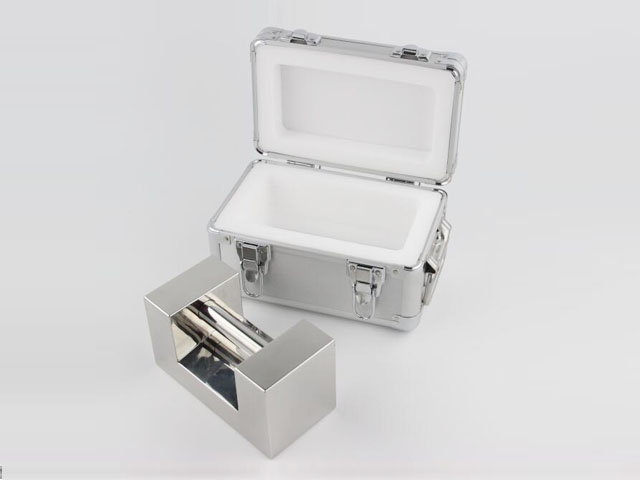
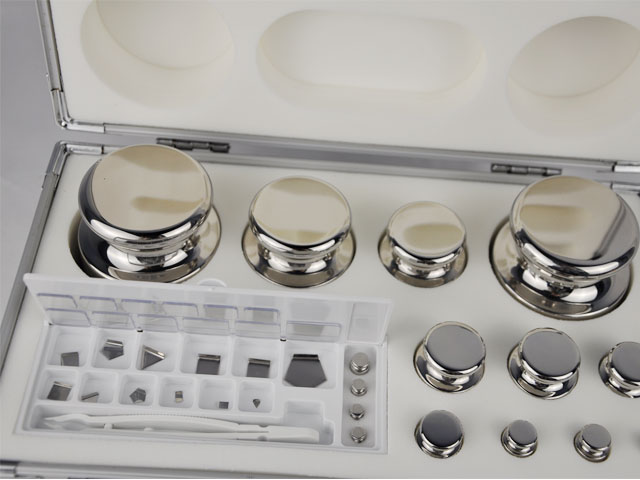
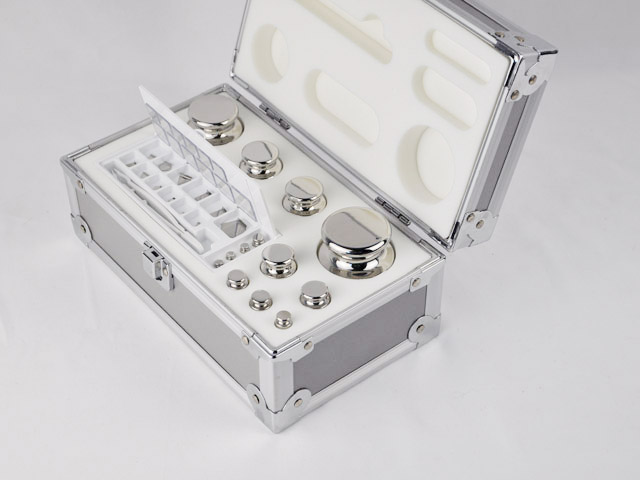
Among the wide range of materials utilized for manufacturing calibration weights, different metal alloys and traditional casting materials form the primary categories, each tailored to meet distinct precision requirements, usage frequencies, and operational surroundings. Stainless steel variants have become the most widely adopted material for modern calibration weights across most standard and high-precision application scenarios, favored for their balanced combination of chemical stability, structural durability, and consistent physical properties. Within the stainless steel family, different alloy compositions deliver varying levels of performance, with specialized low-magnetic stainless steel formulations standing out for applications that demand extremely precise measurement outcomes. Magnetic properties represent a critical consideration for high-precision calibration work because any magnetic susceptibility in a calibration weight can create subtle interactive forces with the internal components of sensitive electronic balances, interfering with sensor functionality and introducing avoidable measurement errors over time. Low-magnetic stainless steel materials are refined to minimize such magnetic influence, maintaining neutral interaction with weighing equipment and ensuring that mass readings reflect only the true gravitational force acting on the weight itself, without unintended magnetic interference. Beyond low magnetic permeability, these stainless steel alloys offer exceptional resistance to chemical corrosion, oxidation, and surface degradation, even when exposed to fluctuating humidity levels, minor temperature variations, and occasional contact with common laboratory or industrial atmospheric contaminants.
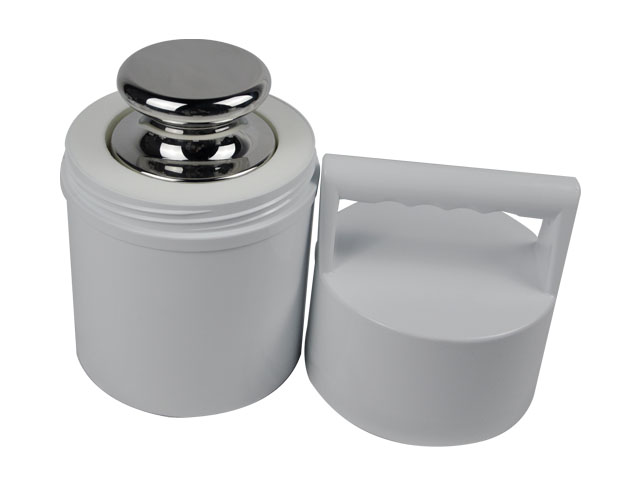
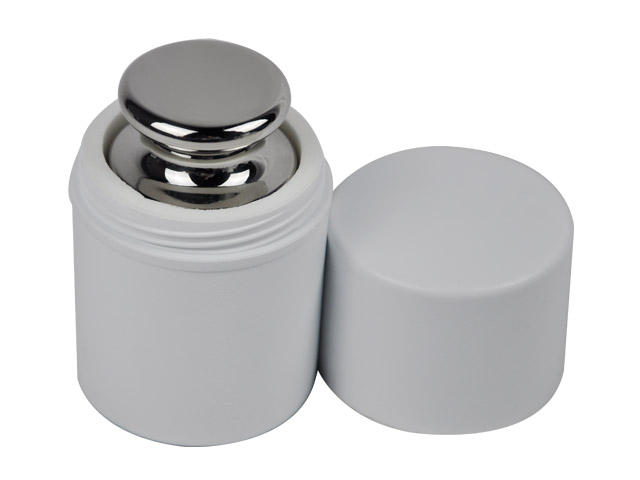
The density consistency of stainless steel further enhances its suitability for calibration weight production, as uniform material density ensures consistent mass distribution throughout the entire weight structure. Uniform mass distribution prevents uneven wear during repeated handling and use, reduces the risk of structural deformation under regular load conditions, and supports long-term mass stability without frequent recalibration adjustments. Many stainless steel calibration weights also undergo specialized surface finishing processes, which smooth out microscopic surface irregularities and reduce the potential for airborne dust, moisture, or fine particulate matter to adhere to the weight surface. Surface adhesion buildup can gradually alter the effective mass of calibration weights over time, as accumulated residues add tiny incremental weight that skews calibration accuracy. The polished and refined surfaces of stainless steel weights simplify routine cleaning and maintenance, allowing users to remove surface contaminants easily without damaging the material or altering the weight’s core structural integrity. This combination of corrosion resistance, stable density, low magnetic influence, and easy maintenance makes stainless steel suitable for laboratory environments, pharmaceutical production facilities, food processing quality control stations, and all settings where consistent medium to high-precision weighing calibration is a regular operational requirement.
Cast iron represents another long-standing and commonly used material for calibration weights, primarily reserved for general industrial applications and low-precision calibration tasks where extreme metrological accuracy is not a primary operational priority. The key advantages of cast iron as a calibration weight material lie in its high density, excellent structural rigidity, and cost-effective production feasibility for large-mass weight units. Cast iron can be easily cast into various shapes and sizes, making it ideal for manufacturing heavy-duty calibration weights used to verify large-capacity industrial scales, platform weighing equipment, and bulk material weighing systems in construction, mining, and agricultural sectors. Despite its practical benefits for heavy industrial use, cast iron has notable limitations that restrict its use in precision calibration environments. The material is inherently susceptible to rust and corrosion when exposed to moist air, humid working conditions, or outdoor operational settings, as unprotected iron surfaces react readily with oxygen and moisture in the atmosphere. Over time, rust formation and surface oxidation directly alter the mass of cast iron calibration weights, creating gradual deviations that require regular inspection, maintenance, and corrective calibration adjustments to maintain basic usability. To mitigate these issues, cast iron weights are often treated with protective surface coatings that create a barrier between the iron substrate and external environmental elements, slowing down corrosion and oxidation processes.
Even with protective coatings, cast iron remains less dimensionally and mass stable than stainless steel over long-term use, as coatings can wear away through frequent handling, surface friction, and outdoor exposure, leaving the underlying metal vulnerable to degradation. Additionally, cast iron materials exhibit less uniform internal density compared to refined stainless steel alloys, which can lead to minor structural inconsistencies and uneven wear over prolonged periods of regular use. These characteristics mean cast iron calibration weights are best confined to rugged industrial environments where heavy-load calibration is required, and slight mass variations do not impact overall operational quality or product safety standards. They are not suitable for laboratory settings, fine chemical testing, pharmaceutical calibration, or any application requiring tight, long-term mass stability and precise measurement repeatability.
Brass and aluminum are two additional metallic materials occasionally used for specialized calibration weight production, each serving unique niche applications based on their distinct physical properties. Brass offers good corrosion resistance, malleability, and a dense, stable composition that makes it suitable for small to medium-sized calibration weights used in moderate-precision desktop weighing applications. Brass is easy to machine and shape into precise weight configurations, with a natural surface durability that resists everyday wear and minor surface abrasion. The material maintains consistent mass stability under normal indoor environmental conditions, resisting oxidation better than cast iron and requiring less frequent maintenance. However, brass is not ideal for ultra-high-precision calibration work due to slight magnetic properties and a higher susceptibility to surface tarnishing over time, which can affect surface smoothness and potentially contribute to minor mass accumulation from tarnish layers. Aluminum, by contrast, is a lightweight metal used primarily for manufacturing very small calibration weights or specialized portable calibration sets where overall weight and ease of transportation are key practical considerations. Aluminum features low density, excellent resistance to corrosion, and good structural stability for lightweight applications, making it convenient for field calibration work and portable weighing equipment verification. Its low density, however, means aluminum weights require larger physical dimensions to achieve specific nominal mass values, and the material is not suitable for high-precision or heavy-load calibration due to inherent structural flexibility and higher susceptibility to minor deformation under pressure.
Beyond the basic inherent properties of each calibration weight material, the relationship between material selection and real-world environmental operating conditions cannot be overlooked, as external environmental factors directly interact with material characteristics to influence long-term calibration performance. Temperature fluctuations affect all metallic materials by causing minor thermal expansion and contraction, and different materials exhibit varying coefficients of thermal expansion that impact dimensional stability and mass consistency during calibration activities. Materials with lower thermal expansion coefficients maintain more stable physical dimensions and consistent mass performance when temperatures rise or fall, reducing measurement deviations during calibration work conducted in environments with variable temperature conditions. Humidity levels similarly play a vital role, as high humidity accelerates corrosion and oxidation in vulnerable materials like cast iron, while more resistant materials such as stainless steel withstand humid conditions with minimal long-term impact. Environments with airborne chemical fumes, dust particles, or industrial pollutants also demand higher chemical resistance from calibration weight materials, as prolonged exposure to harsh contaminants can degrade unprotected metal surfaces and alter weight mass over time.
The frequency of use and handling practices also interact closely with material durability, as calibration weights used daily in busy industrial or laboratory settings require materials with high wear resistance and structural toughness to withstand repeated placement, handling, and occasional minor contact impacts. Materials with poor surface durability will develop scratches, dents, and surface degradation over time, all of which can alter mass uniformity and reduce calibration accuracy. Proper material matching based on usage intensity ensures that calibration weights maintain reliable performance throughout their service life and reduce the need for frequent replacements or corrective recalibration procedures. Storage conditions further amplify the importance of material selection, as weights stored in unregulated environments without protective casing benefit greatly from robust, corrosion-resistant materials, while weights stored in controlled laboratory storage cabinets can utilize a slightly broader range of materials with less stringent durability requirements.
The manufacturing processes applied to each calibration weight material also complement and enhance the natural properties of the base material, refining overall performance and long-term stability. For stainless steel weights, precision machining and electrolytic polishing processes create smooth, uniform surfaces that minimize surface porosity and reduce the risk of contaminant adhesion, while also improving resistance to environmental degradation. Cast iron weights undergo casting, shaping, and coating processes to add protective layers that extend service life and slow corrosion, even though the base material remains less stable than stainless steel. Brass and aluminum weights utilize precision machining to achieve accurate nominal mass values and smooth surface finishes suitable for their intended niche applications. Each manufacturing step is designed to amplify the natural strengths of the chosen material while mitigating its inherent weaknesses, ensuring the final calibration weight meets the basic performance demands of its intended calibration tasks.
In practical metrological operations, the process of choosing the right calibration weight material always revolves around balancing precision requirements, environmental conditions, usage frequency, and long-term stability needs, rather than relying on a single universal material for all applications. High-precision laboratory calibration work consistently calls for refined stainless steel materials with low magnetic properties and superior corrosion resistance to maintain unwavering measurement accuracy over many years. General industrial heavy-load calibration relies on durable cast iron for cost-effective, rugged performance suitable for harsh working environments. Specialized portable or small-scale calibration tasks utilize brass or aluminum to meet practical mobility and size requirements while maintaining adequate stability for their intended use. Understanding how each material performs under different conditions, how its physical and chemical traits impact calibration reliability, and how material choices influence long-term maintenance needs allows metrological professionals to build a reliable calibration system that supports accurate, consistent, and trustworthy weighing operations across all industries and applications. Every calibration measurement result ultimately traces back to the stability and reliability of the reference weight, and the material of that weight forms the unshakable foundation upon which all precise weighing work depends.
Material of Calibration Weight
https://www.veidtweighing.com/calibration-weights.html
Post Date: May 3, 2026
https://www.supplier-manufacturer.com/calibration-weight/material-of-calibration-weight.html

![Standard Weight For Analytical Balances]()
Standard Weight For Analytical Balances
In precision laboratory measurement, analytical balances stand as foundational instruments that deliver highly accurate mass readings for chemical analysis, pharmaceutical…![Oiml F2 Calibration Standard Weight]()
Oiml F2 Calibration Standard Weight
Mass measurement forms the foundational backbone of all quantitative scientific research, industrial production, and commercial transaction activities. Every data result o…![Analytical Balance Calibration Weight]()
Analytical Balance Calibration Weight
Analytical balance calibration weights serve as fundamental reference tools in precision weighing operations, forming the core foundation for maintaining the accuracy and …![100g Calibration Weight For Pocket Scale Calibration]()
100g Calibration Weight For Pocket Scale Calibration
Pocket scales have become indispensable tools in countless daily and professional scenarios, favored for their compact size, portability, and ability to deliver fine weigh…![High Precision Laboratory Weight Set]()
High Precision Laboratory Weight Set
In every modern laboratory environment where quantitative measurement serves as the fundamental foundation for all experimental research, data recording, and material form…