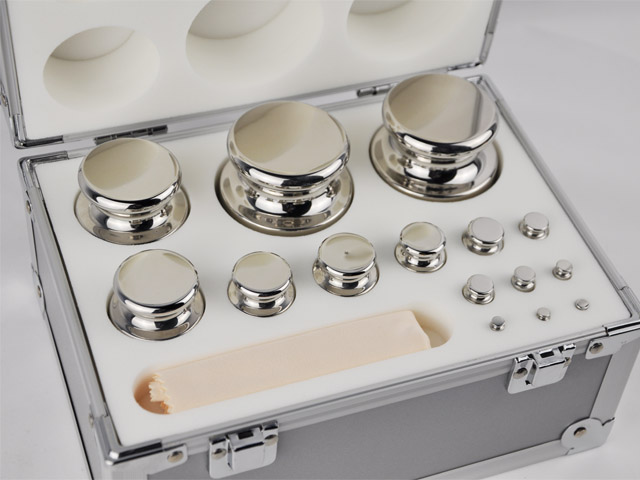
Calibration Weight For Electric Forklift Weighing Calibration Use
In modern industrial material handling scenarios, electric forklifts have become indispensable equipment for warehouse storage, cargo handling, and logistics distribution due to their stable operation, low noise, and environmentally friendly performance. Most electric forklifts are equipped with integrated weighing systems, which enable real-time weight detection of goods during handling operations, effectively improving the efficiency of cargo counting, inventory checking, and loading management. The accuracy of these built-in weighing systems directly affects the authenticity of operational data, the standardization of cargo measurement, and the controllability of on-site operation quality. To maintain long-term stable and accurate weighing performance of electric forklift weighing systems, regular calibration with professional calibration weights is an essential and core link in daily equipment maintenance and operational standardization.
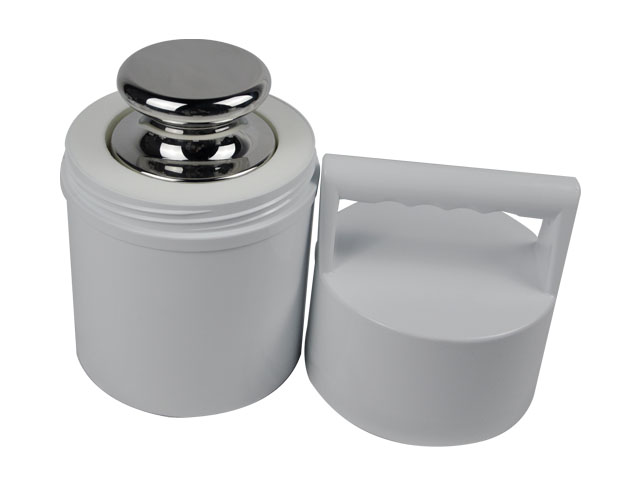
Calibration weights dedicated for electric forklift weighing are standardized mass objects designed to match the structural characteristics, load range, and weighing principle of electric forklift weighing systems. Unlike ordinary counterweights or temporary load objects used in on-site operations, professional calibration weights feature uniform mass distribution, stable physical properties, and standardized external dimensions, which can simulate the actual load state of cargo on forklift forks in a highly consistent manner. Electric forklift weighing systems mostly rely on pressure sensors installed on hydraulic cylinder oil circuits or load sensing components at the bottom of forks to convert mechanical pressure generated by loads into electrical signals, and then calculate and display weight data through the on-board processing unit. During long-term use, factors such as frequent mechanical vibration, hydraulic system pressure fluctuation, component aging, and changes in ambient temperature will cause slight deviations in sensor signal induction and data conversion, leading to gradual errors in weighing results. The application of professional calibration weights is to eliminate such systematic errors and accidental deviations, so that the forklift weighing system can restore accurate and reliable measurement performance.
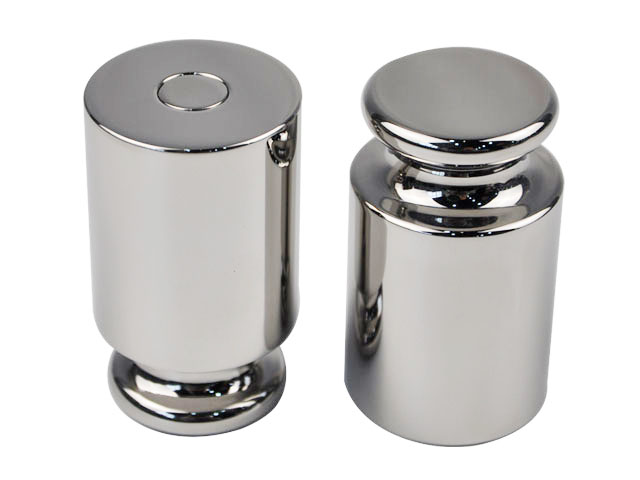
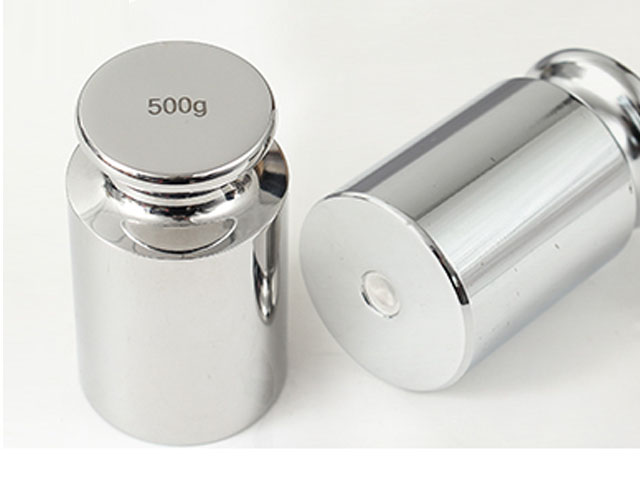
The basic physical characteristics of calibration weights determine their core applicability in electric forklift weighing calibration work. These weights are manufactured with strict control over material density and structural uniformity, ensuring that the internal mass distribution is balanced without local weight deviation caused by casting gaps or material differences. Their surface is treated with anti-corrosion and wear-resistant processes to avoid mass changes caused by oxidation, rust, or surface wear during long-term storage and repeated use, which can affect calibration accuracy. In terms of structural design, the overall size and bearing mode of the calibration weights are optimized to fit the fork spacing and bearing range of conventional electric forklifts. They can be stably placed on the fork surface without sliding or tilting during the lifting and lowering process, effectively simulating the stress state of conventional palletized cargo. This highly simulated load state enables the calibration process to truly reflect the actual working condition of the forklift weighing system, making the calibrated data more consistent with the real operational scenario.
The matching of calibration weight specifications and electric forklift load parameters is a key premise to ensure effective calibration. Electric forklifts of different tonnage levels have different rated load ranges and weighing detection intervals, so it is necessary to select calibration weights with corresponding mass grades for segmented calibration. In actual operation, single or combined calibration weights are usually used to complete multi-point calibration covering low-load, medium-load, and near-rated load states. Low-load calibration is mainly used to check the sensitivity of the weighing system when bearing light loads, avoiding the problem of unrecognized small-weight cargo or large data deviation in light-load state caused by sensor response lag. Medium-load calibration focuses on verifying the linear stability of the system in the most frequent daily load range, ensuring that the weighing data of conventional bulk cargo and daily handling goods is stable and error-free. Near-rated load calibration is used to detect the bearing and data conversion capacity of the system under high-load conditions, eliminating measurement deviation caused by hydraulic system pressure saturation and sensor performance attenuation under heavy load. Through multi-point segmented calibration, the overall measurement accuracy and data linearity of the electric forklift weighing system can be comprehensively optimized.
The standard application process of calibration weights in electric forklift weighing calibration follows scientific and standardized operational logic, which is divided into pre-calibration preparation, formal calibration operation, and post-calibration verification stages. Before calibration, it is necessary to complete the preheating and debugging of the electric forklift and weighing system first. Operators need to start the forklift and perform multiple lifting and lowering operations of the boom to make the hydraulic oil pressure and sensor working temperature reach a stable normal operating state, avoiding data instability caused by low temperature and unbalanced hydraulic pressure in the initial startup stage. Meanwhile, the fork surface should be cleaned to remove dust, debris, and residual cargo, ensuring that the calibration weight is in flat and stable contact with the fork surface. In addition, the on-board weighing instrument needs to be reset and zeroed in the no-load state to eliminate zero drift errors generated by long-term operation.
In the formal calibration stage, the selected calibration weights are stably placed in the center of the forklift forks to ensure uniform force on the left and right forks and avoid lateral deviation affecting pressure signal transmission. After placing the weights, the forklift boom is slowly lifted to the fixed weighing height specified by the equipment operation standards, and the lifting speed is kept stable to prevent instantaneous pressure impact caused by rapid lifting from interfering with sensor data collection. After the equipment operates stably, the weight data displayed on the on-board instrument is recorded and compared with the standard mass of the calibration weight. If there is a deviation between the displayed value and the standard value, the system parameters are adjusted through the on-board calibration function to modify the data conversion coefficient until the displayed value is consistent with the standard mass of the weight. For multi-point calibration, weights of different specifications are replaced in turn, and the above operations are repeated to complete the parameter correction of the system in the full load range.
Post-calibration verification is an indispensable link to ensure the calibration effect. After completing parameter adjustment, operators need to conduct repeated lifting and weighing tests with the same calibration weights, observe the repeatability of the system display data, and confirm that the data fluctuation is within the normal allowable range. At the same time, random switching tests of different load weights are carried out to check whether the system can quickly and accurately respond to load changes and maintain stable output of measurement data. Only when the single weighing accuracy and repeated weighing stability of the system meet the operational requirements can the calibration work be confirmed as completed. The whole process standardizes the operating standards of electric forklift weighing, effectively avoids inaccurate cargo measurement data caused by equipment deviation, and provides reliable data support for enterprise cargo settlement, inventory statistics, and load safety management.
The standardized use and daily maintenance of calibration weights are crucial to maintaining the long-term accuracy of calibration work. In daily use, calibration weights should be handled gently to avoid violent collision, falling, and friction, so as to prevent structural deformation and surface damage that may cause mass deviation. After each use, the weights need to be cleaned of surface dust and oil stains, dried and placed in a dry, flat, and stable storage area, avoiding long-term exposure to humid, high-temperature, or corrosive environments that may cause material aging and quality changes. Regular manual inspection and mass verification of calibration weights are also required. For weights that have been used for a long time or subjected to accidental impact, targeted quality inspection should be carried out in a timely manner to ensure that their own mass accuracy meets the calibration standards.
In industrial logistics and warehouse management, the value of calibration weights for electric forklift weighing calibration is reflected in multiple operational dimensions. On the one hand, accurate forklift weighing data can help enterprises realize refined management of cargo weight, avoid cargo quantity deviation in the process of inbound, outbound, and handover, and reduce operational disputes and economic losses caused by measurement errors. On the other hand, standardized calibration can effectively extend the service life of electric forklift weighing systems. Long-term operation with deviation will aggravate the frequent adjustment of sensor and hydraulic system parameters, accelerate component aging, and increase equipment failure rates. Regular calibration with standard weights can keep the system operating in a stable and accurate state, reduce equipment maintenance costs, and improve the overall operational stability of the forklift.
In addition, the application of professional calibration weights also helps standardize the on-site operation process of electric forklifts. Unified calibration standards and operational procedures enable forklift operators and equipment managers to form standardized operational habits, avoid random debugging and parameter modification of the weighing system, and ensure the consistency and traceability of weighing data in different operation periods and different working scenarios. For large-scale warehousing and logistics enterprises with multiple forklift equipment, unified calibration through standard weights can realize the unified measurement standard of all forklift weighing systems in the fleet, laying a solid foundation for centralized equipment management and standardized operational assessment.
With the continuous upgrading of electric forklift intelligence and the gradual improvement of industrial refined management requirements, the importance of weighing calibration work is becoming increasingly prominent. As the core auxiliary tool for weighing calibration, calibration weights undertake the important function of transmitting standard mass values and correcting system deviations. In future industrial material handling operations, regular calibration, standardized use, and scientific maintenance of calibration weights will become a conventional basic work in electric forklift equipment management. It not only ensures the accuracy and stability of forklift weighing data, but also provides strong support for improving the overall operational efficiency, standardization level, and refined management capacity of enterprise logistics handling links. Stable and reliable weighing calibration work will always be an important guarantee for the safe, efficient, and standardized operation of electric forklift weighing systems in various industrial scenarios.
Calibration Weight For Electric Forklift Weighing Calibration Use
https://www.veidtweighing.com/calibration-weights.html
Post Date: Jun 19, 2026

![Calibration Weight For Balances]()
Calibration Weight For Balances
In every sector that relies on consistent and dependable mass measurement, the role of calibration weight for balances stands as an irreplaceable foundational element that…![Astm Class 1 Calibration Weight]()
Astm Class 1 Calibration Weight
In the intricate and interconnected world of modern precision metrology, the consistency and dependability of mass measurement form the foundational backbone of countless …![10kg Calibration Weight]()
10kg Calibration Weight
In the entire system of mass measurement and weighing verification, the 10kg calibration weight stands as a fundamental and indispensable physical reference medium that br…![Small Gram Size Laboratory Standard Test Weight]()
Small Gram Size Laboratory Standard Test Weight
Small gram size laboratory standard test weights are essential precision tools designed to deliver accurate mass reference values for microscopic and fine-scale weighing o…![Laboratory Traceable Calibration Weight For Analytical Lab]()
Laboratory Traceable Calibration Weight For Analytical Lab
In modern analytical laboratories, the accuracy and reliability of quantitative experimental data serve as the fundamental foundation for all scientific research, material…