Rectangular Weight
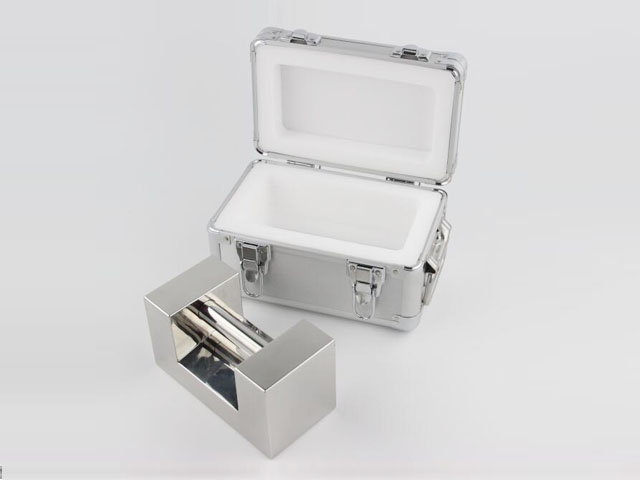
Rectangular weight stands as a fundamental geometric weight component widely utilized in industrial production, physical measurement, fitness training, structural engineering and daily auxiliary operation scenarios. Distinguished from irregular and circular weight structures, its regular rectangular geometric configuration endows it with unique structural stability, space adaptability and operational convenience, making it a common basic component that integrates practicality and versatility in multiple professional fields. The core design logic of rectangular weight lies in the unified coordination of geometric dimension and material mass, which realizes standardized mass distribution and stable placement effect through regular rectangular outlines, and meets the diverse functional demands of different scenarios for counterweight, calibration, load-bearing and balance assistance.
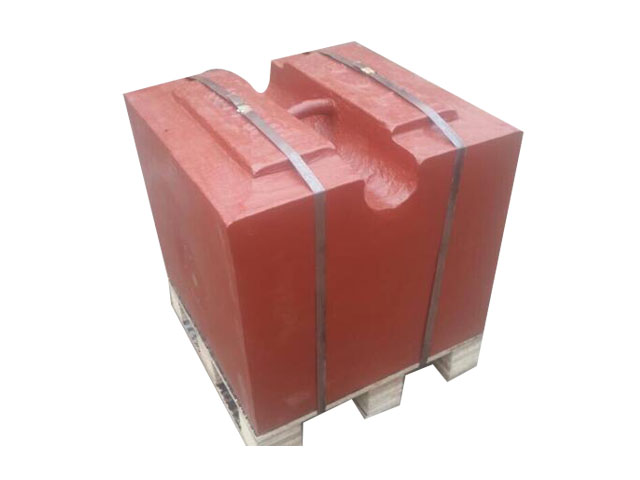
The basic structural characteristics of rectangular weight originate from its standard cuboid geometric form, with flat and smooth surfaces, right-angle edges and uniform thickness distribution. This regular structure enables even distribution of internal mass, avoiding the unbalanced stress and offset placement problems easily caused by irregular shape weights. Each surface of the rectangular weight can fit closely with flat contact surfaces, and the right-angle positioning feature allows it to be stably embedded in fixed grooves, placement frames and combined installation structures. This inherent structural advantage makes it maintain stable placement states under static placement, slight vibration and conventional displacement conditions, reducing the probability of sliding, tilting and positional deviation during use. Meanwhile, the unified geometric specification of rectangular weight supports modular combination and superposition, and multiple groups of rectangular weights can be stacked and arranged neatly according to space size and functional demand, realizing flexible adjustment of overall counterweight effect.
Material selection is a key factor determining the performance and application scope of rectangular weight, and different material attributes bring distinct use characteristics to the product. Metal materials are widely adopted in industrial and precision measurement scenarios, featuring compact internal structure, stable density and strong compression resistance. Such materials can maintain stable mass attributes for a long time, not prone to mass loss or structural deformation due to conventional external environmental changes, and adapt to long-term continuous use in complex industrial environments. In addition, some rectangular weights adopt composite material structures, which balance structural firmness and lightweight attributes, and are more suitable for daily exercise and light auxiliary operation scenarios. No matter what kind of material is used, qualified rectangular weight products will go through uniform processing and surface treatment, ensuring consistent surface flatness, stable overall structure and no obvious structural defects, so as to guarantee the accuracy and stability of mass output in use.
In industrial manufacturing and structural engineering fields, rectangular weight undertakes important counterweight and balance adjustment functions. Many mechanical equipment and building auxiliary structures need to rely on stable counterweight components to maintain overall operational balance and structural stability. In mechanical transmission equipment, rectangular weights are installed on the side of rotating and reciprocating components to offset the unbalanced inertia force generated during equipment operation, reduce equipment vibration amplitude, lower operational friction and noise, and extend the service life of mechanical parts. In building structure design, rectangular weight components are applied to the balance adjustment of cantilever structures, suspension facilities and temporary support structures, effectively balancing the stress difference of structural parts, avoiding local stress concentration, and improving the overall structural safety and stability. The neat shape of rectangular weight makes it convenient for integrated installation and hidden layout, which will not cause redundant space occupation or structural protrusion, and can well adapt to the integrated design of equipment and buildings.
Precision measurement and instrument calibration are another important application field of rectangular weight. In daily measurement work of laboratories, processing workshops and detection institutions, standard rectangular weights are used as reference mass objects to verify the accuracy of weighing equipment, balance instruments and measuring tools. Thanks to their regular shape and stable mass distribution, rectangular weights will not produce eccentric load force during placement, which can avoid measurement errors caused by unbalanced placement. The standardized dimension design enables operators to quickly complete placement and positioning, improve the efficiency of calibration and detection work, and ensure the consistency and accuracy of measurement data. Long-term stable physical properties allow rectangular weights to serve as durable reference tools, maintaining reliable mass reference effects in repeated use and conventional environmental changes.
In physical fitness and daily training fields, rectangular weight is a common auxiliary training tool, favored by fitness enthusiasts and professional trainers for its safe structure and flexible use. Compared with special-shaped training weights, the flat and regular structure of rectangular weight ensures higher use safety. It will not produce sharp collision points during holding, lifting and carrying, and is not easy to slip off in the process of movement, effectively reducing the risk of accidental injury during training. Trainers can use single rectangular weight for basic strength training such as arm lifting, waist and abdomen bearing, and body squatting, and can also combine multiple weights to adjust training load according to physical fitness and training goals. The stacked arrangement feature of rectangular weights makes load adjustment more flexible, realizing gradual transition from low load to high load, which is convenient for scientific progressive training. In addition, the neat appearance and stable placement of rectangular weights also facilitate daily storage and arrangement, saving training space and maintaining the tidiness of training environments.
The practical advantages of rectangular weight in use are also reflected in its strong environmental adaptability and convenient maintenance. Its solid structure can resist conventional physical impact and friction, and the smooth surface is not easy to accumulate dust and dirt. Daily maintenance only needs simple cleaning to maintain a good use state. For metal rectangular weights, conventional anti-corrosion treatment can effectively avoid oxidation and corrosion in humid and normal temperature environments, ensuring long-term stable use performance. Different from special-shaped weights that are limited by placement angle and space, rectangular weights can adapt to various flat placement environments, and can be flexibly used in horizontal placement, vertical clamping and layered superposition according to actual demand, with extremely high scene compatibility.
In the field of logistics and material statistics, rectangular weight also provides convenient conditions for material weighing and volume estimation. The regular cuboid structure enables staff to quickly calculate the overall volume and unit mass of weights through unified dimension parameters, which is convenient for batch statistics, inventory management and transportation layout planning. In the transportation and storage of industrial materials, rectangular weights can also be used as auxiliary pressing and fixing components to stabilize stacked materials, avoid material displacement and scattering during transportation and storage, and improve the safety and orderliness of material management. The standardized size design makes batch arrangement and transportation of rectangular weights more regular, which is conducive to improving space utilization efficiency in storage and transportation links.
The design and production of rectangular weight always follow the principle of practicality and standardization, focusing on the matching degree between structural performance and application scenarios. In the production process, strict dimension control and mass detection are carried out to ensure that the dimension deviation and mass error of each product are controlled within a reasonable range, so as to meet the use requirements of different precision scenarios. Industrial-grade rectangular weights focus on structural firmness and environmental adaptability, adapting to high-strength and long-time working conditions; civilian training and daily-use rectangular weights pay more attention to use safety and portability, balancing structural stability and lightweight performance. This differentiated design makes rectangular weight cover multiple application levels from industrial precision work to daily civilian use.
With the continuous development of industrial technology and public fitness concepts, the application value of rectangular weight is constantly expanding. In the field of intelligent equipment manufacturing, rectangular weight components with standardized specifications are more conducive to integrated assembly and intelligent debugging of equipment, providing stable counterweight support for automated production equipment. In the field of public fitness, diversified rectangular weight products meet the personalized training needs of different groups, becoming an indispensable auxiliary tool for daily physical exercise and physical quality improvement. In the field of construction and infrastructure maintenance, rectangular weight provides reliable guarantee for structural balance adjustment and safety maintenance with its stable performance and convenient operation.
In conclusion, rectangular weight, as a simple and practical structural component, relies on its regular geometric form, stable material performance, flexible combination mode and wide scene adaptability, showing unique use value in multiple fields. Its structural design conforms to the basic logic of mechanical balance and space utilization, and its material performance meets the diversified demands of industrial production, precision measurement and daily use. With the continuous optimization of production technology and the continuous expansion of application scenarios, rectangular weight will always maintain its irreplaceable practical status, continuously provide stable and reliable support for industrial production, scientific detection, fitness training and infrastructure operation, and play a positive role in improving work efficiency, ensuring operational safety and optimizing use experience in various fields.
Rectangular Weight
https://www.veidtweighing.com/standard-weights.html
Post Date: Jun 7, 2026
https://www.supplier-manufacturer.com/standard-weight/rectangular-weight.html

![Small Gram Size Laboratory Standard Test Weight]()
Small Gram Size Laboratory Standard Test Weight
Small gram size laboratory standard test weights are essential precision tools designed to deliver accurate mass reference values for microscopic and fine-scale weighing o…![Laboratory Traceable Calibration Weight For Analytical Lab]()
Laboratory Traceable Calibration Weight For Analytical Lab
In modern analytical laboratories, the accuracy and reliability of quantitative experimental data serve as the fundamental foundation for all scientific research, material…![Standard Weight For Precision Scales]()
Standard Weight For Precision Scales
In the realm of precision measurement, standard weights stand as the foundational benchmark that upholds the accuracy, reliability, and traceability of all precision scale…![Precision Calibration Weight For Weighing Scale]()
Precision Calibration Weight For Weighing Scale
In every industry and laboratory setting that relies on accurate mass measurement, precision calibration weights serve as foundational tools to sustain the functional reli…![Calibration Weight For Electric Forklift Weighing Calibration Use]()
Calibration Weight For Electric Forklift Weighing Calibration Use
In modern industrial material handling scenarios, electric forklifts have become indispensable equipment for warehouse storage, cargo handling, and logistics distribution …