Custom Calibration Weight
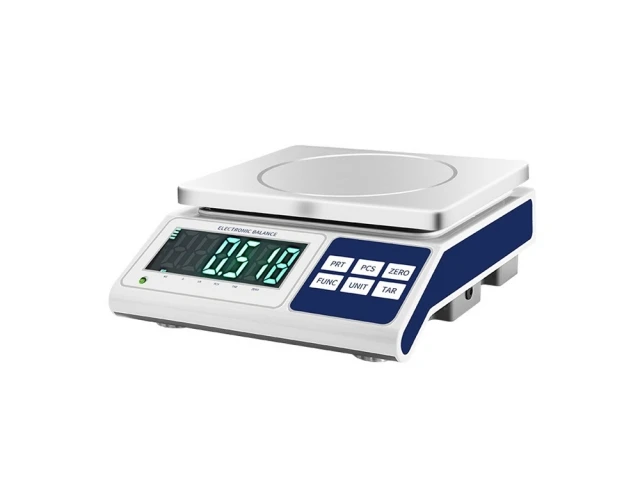
In the field of precision measurement, consistent and reliable weighing results form the foundation of industrial production, laboratory research, quality inspection and daily operational testing. All weighing instruments, from high-sensitivity analytical balances in research laboratories to heavy-duty platform scales in manufacturing workshops, are prone to minor measurement deviations after long-term use, frequent vibration, environmental changes and daily wear. These subtle deviations can gradually accumulate and evolve into noticeable errors, affecting the consistency of experimental data, the stability of product quality and the validity of inspection results. Custom calibration weights emerge as a practical and targeted solution to address the limitations of standard calibration tools, providing personalized mass reference standards for non-conventional weighing scenarios and specialized equipment calibration. Unlike universal standard weights that follow fixed specifications, custom calibration weights are designed and manufactured according to specific usage scenarios, equipment parameters and environmental conditions, filling the gap that general calibration tools cannot cover in complex and differentiated measurement environments.
The core essence of custom calibration weights lies in personalized adaptation based on actual measurement demands. Standard calibration weights are produced in fixed mass values, shapes and sizes to meet mainstream conventional calibration needs, yet many industrial and research scenarios present unique requirements that fixed-specification products cannot satisfy. For instance, some compact precision weighing equipment is equipped with narrow weighing pans, making it impossible to place conventional block or cylindrical standard weights stably; some large-scale industrial weighing devices need segmented calibration with non-standard mass combinations to complete full-range accuracy verification; certain special production environments with limited installation space or specific operating structures also require calibration tools with adjusted outlines and structures. Custom calibration weights break through the constraints of unified specifications, with every parameter including mass value, external shape, overall dimension, surface treatment and structural design adjusted and optimized according to user-specific application conditions, ensuring perfect matching with target weighing equipment and calibration environments.
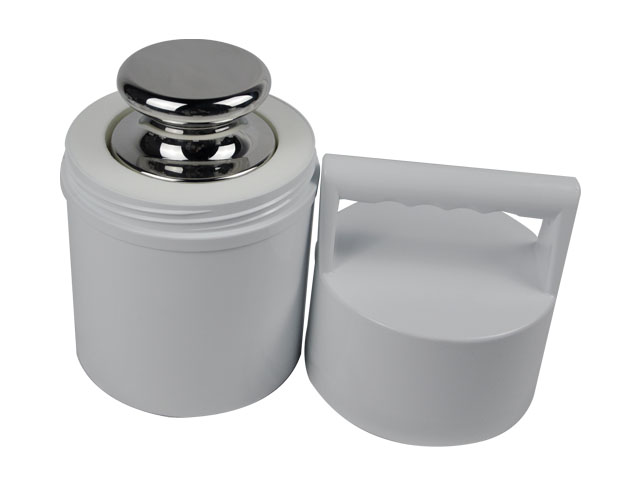
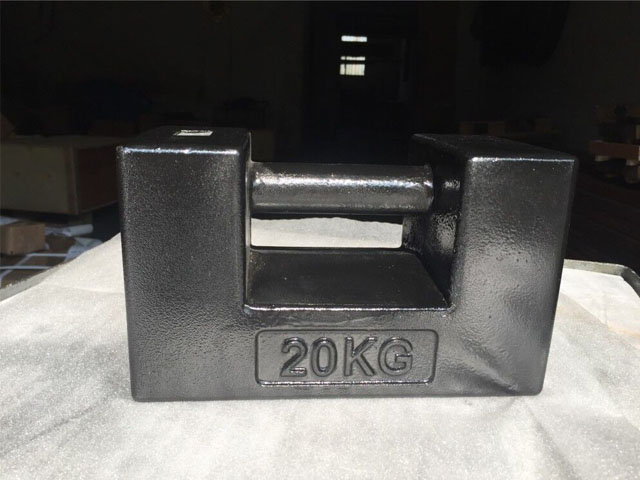
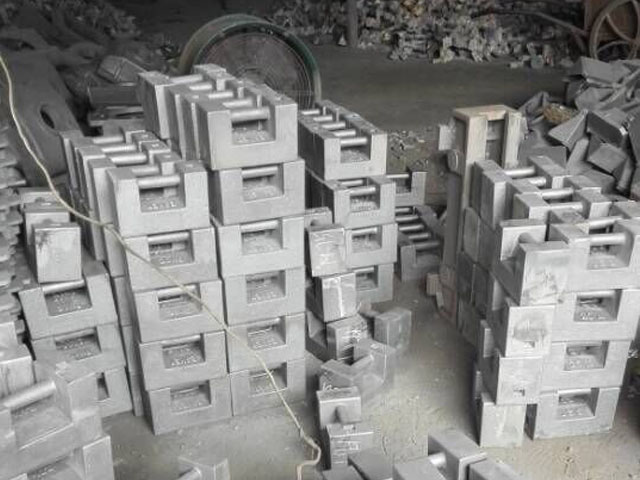
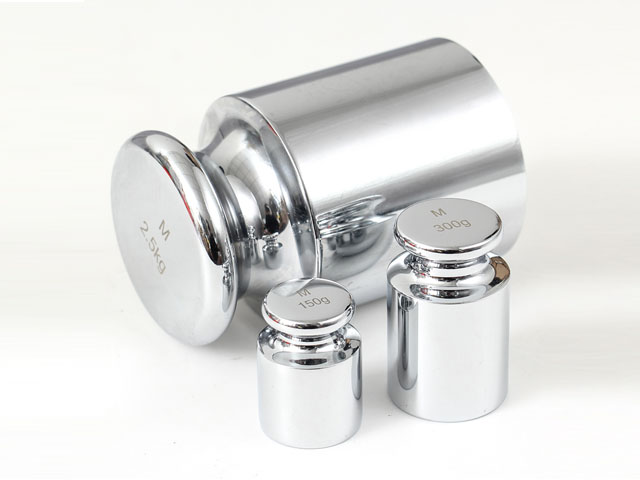
Material selection is a critical link that determines the performance and service life of custom calibration weights, directly affecting the stability of mass reference and the accuracy of long-term calibration work. Common manufacturing materials for custom calibration weights are selected based on environmental adaptability, density stability and anti-interference performance, with stainless steel and cast iron being the most widely used options for different application scenarios. High-quality stainless steel materials feature excellent corrosion resistance, low magnetic susceptibility and stable physical properties, resisting oxidation, moisture erosion and chemical slight corrosion in conventional laboratory and indoor industrial environments. This material maintains stable mass status for a long time, with minimal mass loss caused by surface wear or environmental erosion, making it suitable for manufacturing high-precision custom weights used in fine chemical testing, pharmaceutical formulation calibration and scientific research experiments. Cast iron materials, on the other hand, have high overall density and strong structural stability, capable of bearing frequent handling and heavy-load calibration operations. They are often used to produce medium and large mass custom calibration weights for industrial bulk weighing equipment, achieving stable calibration effects in harsh environments with dust, vibration and variable temperature conditions.
The structural customization of calibration weights covers multiple practical dimensions, fully considering the convenience of actual operation and the scientificity of calibration processes. In terms of shape design, besides conventional cylindrical and block structures, custom solutions can be made into sheet, ring, hook and special-shaped structures according to equipment structure and calibration methods. Sheet custom weights are suitable for ultra-thin weighing platforms and micro-precision calibration scenarios, avoiding the problem of excessive contact area affecting local stress balance of the weighing pan; ring-shaped custom weights can be sleeved on fixed measuring structures for targeted calibration of special tension and compression weighing equipment; hook-type custom weights adapt to suspension weighing instruments, completing vertical force calibration tests that conventional weights cannot support. In terms of internal structure, some custom weights adopt hollow adjustable structures, reserving fine-tuning spaces inside the weight body. In long-term use, when subtle mass changes occur due to external factors, staff can complete fine mass correction through internal filling and adjustment, avoiding frequent replacement of calibration tools and reducing the comprehensive cost of measurement maintenance. Integrated solid structures are also widely applied in high-stability customization demands, with overall one-piece molding process eliminating structural gaps, ensuring uniform internal stress and maintaining long-term mass stability.
The production and processing of custom calibration weights follow rigorous precision manufacturing processes, with every production link strictly controlling errors to ensure the accuracy of reference mass. The whole process starts from raw material screening, where materials with uniform density, stable texture and no internal impurities are selected to prevent mass deviation caused by material defects. After cutting and preliminary molding, rough machining is carried out to shape the basic outline, reserving reasonable processing margins for subsequent fine polishing and mass trimming. The core processing stage lies in precision grinding and mass calibration, where professional processing equipment is used for fine grinding of the weight surface to reduce surface roughness, minimize dust adhesion and wear loss in use. Meanwhile, repeated mass testing and fine trimming are conducted to control the mass error within the required range of customized precision. The final surface treatment process further optimizes the service performance of the weights: polished and passivated stainless steel custom weights improve surface finish and anti-oxidation ability; painted and sealed cast iron custom weights isolate air and moisture, preventing rust and corrosion in harsh industrial environments and extending service life effectively.
Custom calibration weights have extremely wide application coverage, penetrating multiple industries and fields that rely on precise weighing measurement. In pharmaceutical production, the calibration of micro-weighing instruments for drug ingredient proportioning requires custom micro-mass weights with high precision and anti-pollution performance. These customized tools ensure accurate proportioning of various raw materials in pharmaceutical formulas, maintaining the uniformity and safety of finished drugs, and meeting the strict measurement requirements of pharmaceutical quality control links. In food processing industry, different production links such as raw material weighing, ingredient blending and finished product packaging involve weighing equipment of different ranges and precision. Custom calibration weights with graded mass values can complete segmented calibration of full-range weighing equipment, avoiding product quality differences caused by weighing errors and ensuring consistent taste, specification and quality of batch-produced food products.
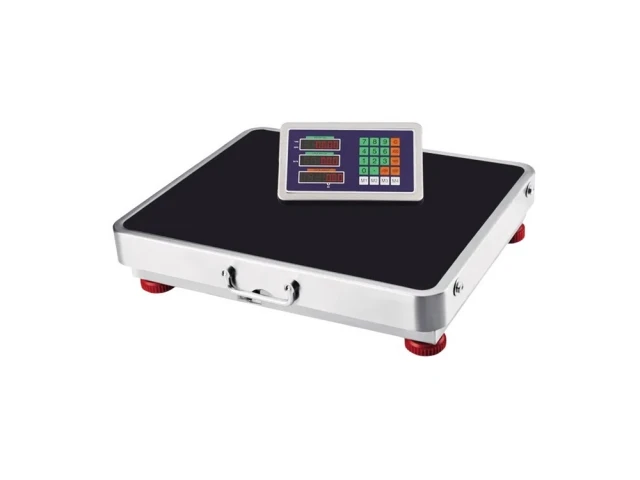
In mechanical manufacturing and metal processing fields, custom calibration weights adapt to the calibration needs of heavy-duty weighing equipment and special testing instruments. Many parts processing and finished product testing links need to use customized special-shaped weights to calibrate tension testers, pressure weighing devices and large platform scales, ensuring accurate detection of product weight parameters and mechanical bearing performance. In logistics and warehousing industries, large-scale weighing scales for cargo measurement need custom combined calibration weights to complete full-load and partial-load calibration tests, eliminating measurement deviations in different load states and ensuring accurate statistics of cargo weight and standardized settlement of logistics metering. In scientific research and environmental monitoring laboratories, various customized ultra-precision calibration weights provide stable mass references for experimental data measurement, supporting the development of material research, chemical analysis and environmental data monitoring experiments, and ensuring the repeatability and authenticity of experimental results.
The advantages of custom calibration weights in practical application are mainly reflected in targeted matching, high stability and strong adaptability. Standard calibration weights can only meet conventional calibration needs, while customized products can be precisely tailored according to the spatial size, weighing range, working environment and calibration frequency of user equipment, solving various calibration difficulties caused by mismatched specifications. For some special equipment with non-standard structure and limited installation space, customized structural design can realize stable placement and effective force bearing during calibration, ensuring the validity of calibration data. In terms of environmental adaptability, targeted material customization can be carried out according to actual working conditions: high-humidity, corrosive environments adopt anti-corrosion and anti-oxidation material configurations; high-frequency use scenarios adopt wear-resistant and structurally stable design schemes, enabling calibration weights to maintain stable working performance in complex environments and reduce the frequency of equipment calibration errors caused by tool failure.
Scientific use and standardized maintenance are key to maintaining the long-term precision and service life of custom calibration weights. In daily operation, staff should select customized weights with matching precision level and mass range according to the calibration requirements of different weighing equipment, avoiding low-precision weights being used for high-precision calibration scenarios or overloaded use of weights, which may cause structural deformation and mass deviation. Before each calibration operation, the surface of the weight should be checked and cleaned to remove attached dust, impurities and moisture, preventing foreign matter from affecting the true mass of the weight and leading to inaccurate calibration results. During placement and handling, collision and extrusion should be avoided, as violent impact may cause internal structural changes or surface wear of the weight, damaging long-term mass stability.
In terms of storage and maintenance, custom calibration weights need to be placed in dry, clean and constant-temperature storage environments to avoid long-term exposure to humid, high-temperature or corrosive gas environments. Professional storage tools such as special packaging boxes and storage racks can be used to isolate external environmental interference and prevent surface oxidation and contamination. For custom weights used in high-frequency calibration work, regular mass inspection and error detection should be arranged. Through periodic professional testing, subtle mass changes can be found in a timely manner, and fine adjustment or maintenance can be carried out to ensure that the reference mass is always within the qualified range. For adjustable hollow custom weights, professional personnel should be arranged to complete internal debugging and correction regularly to avoid inaccurate internal balance affecting calibration accuracy.
With the continuous upgrading of industrial manufacturing precision and the increasingly refined requirements of scientific research measurement, the market demand for custom calibration weights is showing a growing and diversified trend. Traditional unified-specification calibration tools can no longer fully adapt to the personalized and refined measurement needs of various industries. More enterprises and research institutions begin to pay attention to the matching degree between calibration tools and actual scenarios, and recognize the important value of customized calibration solutions in improving measurement accuracy and stabilizing product quality. The future development of custom calibration weights will further focus on precision upgrading, environmental adaptability optimization and structural innovation. More lightweight, high-stability and anti-interference customized products will be developed to adapt to emerging measurement scenarios such as micro-precision testing and extreme environment calibration, providing more solid basic support for the development of precision measurement industry.
In conclusion, custom calibration weights are indispensable personalized precision measurement tools in modern industrial production and scientific research. Through targeted customization of material, structure, specification and precision, they effectively solve the calibration pain points of non-standard and special weighing equipment, make up for the limitations of general standard calibration weights, and provide accurate and stable mass reference for various complex measurement scenarios. Standardized production, scientific use and reasonable maintenance can maximize the performance advantages of custom calibration weights, ensure the long-term accuracy and reliability of weighing instrument calibration, and provide strong guarantee for product quality stability, experimental data authenticity and industrial production standardization in various industries.
Custom Calibration Weight
https://www.veidtweighing.com/calibration-weights.html
Post Date: Jun 19, 2026
https://www.supplier-manufacturer.com/calibration-weight/custom-calibration-weight.html

![M1 Class Standard Weight]()
M1 Class Standard Weight
Mass measurement forms the foundational backbone of all industrial production, laboratory testing, commercial transaction, and quality control activities across every sect…![Industrial Scales]()
Industrial Scales
Industrial scale represents the fundamental transformation of human manufacturing and production activities, marking the shift from scattered, manual, small-batch handicra…![Cast Iron Weight For Precision Scales]()
Cast Iron Weight For Precision Scales
Precision weighing forms the foundational backbone of countless operational workflows across industrial production, laboratory research, commercial transaction management,…![Commercial Scales]()
Commercial Scales
Commercial scale represents the critical transition from experimental, small-batch, or prototype-based production to systematic, market-oriented operation that meets stead…![Working Principle of Cast Iron Weight]()
Working Principle of Cast Iron Weight
Cast iron weights stand as fundamental functional components widely applied in industrial measurement, mechanical calibration, weighing equipment debugging, and physical f…