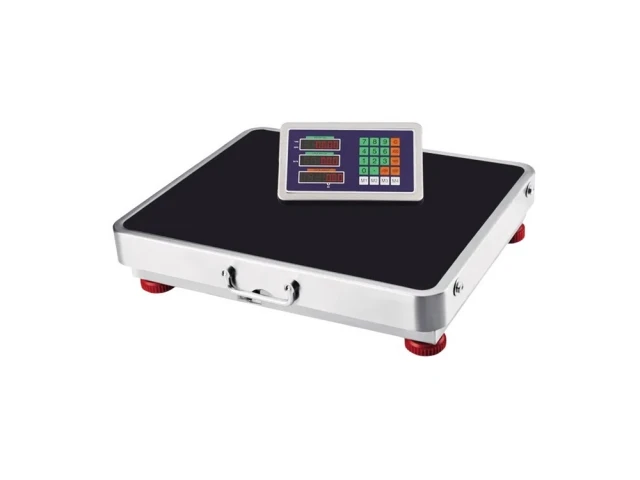
20kg M1 Heavy Duty Calibration Weight Weighbridge Use
Weighbridges serve as core weighing equipment in industrial production, logistics transportation, material trading, and resource statistical accounting, undertaking the critical task of converting physical mass data into standardized numerical readings. The accuracy and stability of weighbridge measurements directly affect the fairness of commercial transactions, the precision of production parameter control, and the compliance of industrial quality management systems. To maintain consistent measurement performance of weighbridges during long-term continuous operation, regular calibration with standard calibration weights becomes an indispensable operational link. The 20kg M1 heavy duty calibration weight stands out as a practical and widely adopted standard measuring tool, perfectly matching the daily calibration, periodic verification, and error correction needs of various medium and large-scale weighbridge equipment in industrial scenarios.
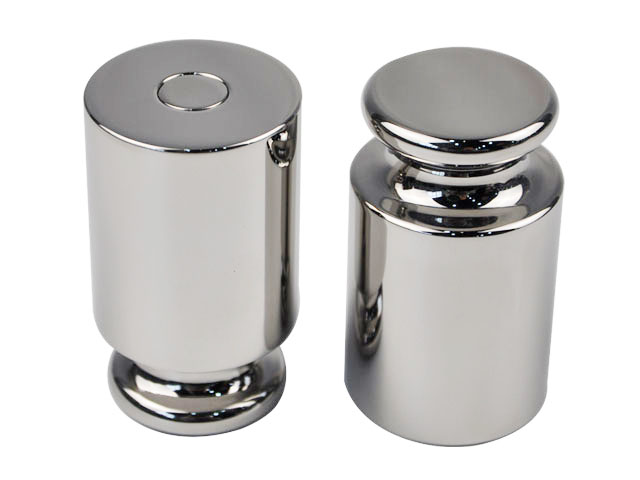
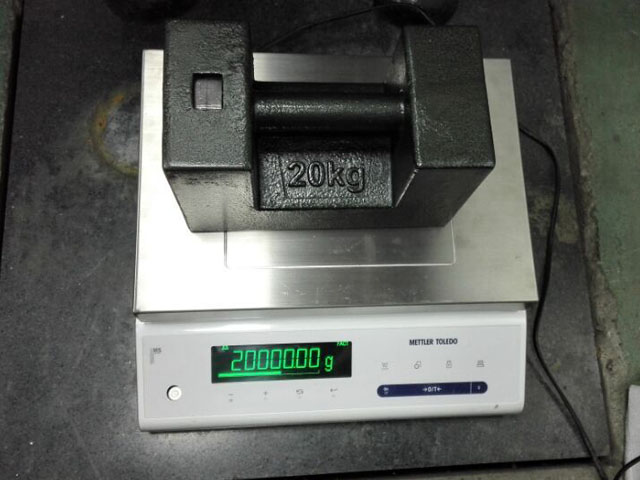
Manufactured with mature casting and finishing processes, this 20kg calibration weight adopts high-density cast iron as the core raw material, with a compact internal structure that avoids common casting defects such as pores, loose textures, and internal cracks. The overall structural design enhances structural stability, enabling the weight to resist slight deformation caused by long-term stacking, frequent handling, and environmental temperature changes. The surface is treated with a uniform protective coating, which effectively isolates air moisture, industrial dust, and corrosive substances present in factory and logistics sites, slowing down oxidation and wear on the weight surface. This structural and surface treatment design ensures that the weight can maintain stable mass parameters in complex industrial environments, providing reliable mass reference conditions for weighbridge calibration work.
The M1 accuracy level defines the precise mass tolerance range of the calibration weight, making it highly suitable for the metering characteristics of industrial weighbridges. Different from high-precision laboratory calibration weights that focus on ultra-fine tolerance control, M1-level weights balance practical usability and measurement accuracy, fully adapting to the working characteristics of weighbridges. Weighbridges are mostly used for heavy-load mass measurement, with their own allowable measurement error range matching the tolerance standard of M1-level calibration weights. The 20kg single-unit mass specification has strong flexibility in combined use. Staff can freely combine multiple 20kg weights according to the maximum weighing range and detection point requirements of different weighbridges, completing full-range coverage calibration from low load to medium load, and realizing comprehensive detection of the weighbridge’s linear measurement performance.
In actual weighbridge calibration operations, the application logic of 20kg M1 heavy duty calibration weights follows standardized metering operation norms. Before formal calibration, operators need to place the calibration weights in the working environment of the weighbridge for a period of time to achieve temperature balance with the on-site environment. Temperature differences between the weight itself and the working site will cause tiny changes in mass volume and surface stress, which may interfere with the accuracy of calibration data. Meanwhile, the surface of the weighbridge weighing platform and the bottom of the calibration weights need to be thoroughly cleaned to remove accumulated dust, debris, and oil stains. Foreign matter attachment will create virtual gaps between the weight and the weighing platform, affecting the tightness of contact and leading to deviation in measured data.
The calibration process is divided into multiple stages of no-load detection, light-load detection, medium-load detection and graded superposition detection. First, conduct no-load zero-point verification of the weighbridge to ensure that the instrument returns to zero stably and there is no zero drift fault. After confirming normal no-load performance, place a single 20kg calibration weight on the central position of the weighbridge platform to check the accuracy of low-load measurement data. On the basis of qualified low-load detection, gradually increase the number of calibration weights to form different load combinations, and conduct multi-point detection in the front, middle, rear and left and right areas of the weighing platform. This multi-point and multi-load detection method can effectively identify regional measurement deviations of the weighbridge caused by uneven stress, platform deformation, or sensor sensitivity differences, helping operators comprehensively judge the overall operating state of the equipment.
The application scenarios of 20kg M1 heavy duty calibration weights cover most industrial and commercial fields that rely on weighbridge measurement. In grain purchasing and storage bases, weighbridges are used to measure the weight of grain in and out of the warehouse, and regular calibration with standard weights ensures the accuracy of grain quantity statistics and avoids measurement deviations in material warehousing and outgoing settlement. In mining and building materials industries, large-tonnage raw materials and finished products need to be weighed by weighbridges, and stable calibration work can guarantee the consistency of production data and provide accurate data support for production scheduling and cost accounting. In logistics and freight transportation, vehicle-mounted weighbridges and fixed ground weighbridges undertake the weighing and inspection of goods transportation, and standardized calibration helps standardize transportation metering and avoid economic disputes caused by inaccurate weighing data.
Compared with calibration weights of other specifications, the 20kg M1 heavy duty calibration weight has prominent practical advantages in on-site operation. Weights with too small single mass require frequent stacking and combination during large-range calibration, which increases operation steps and cumulative errors. Weights with too large single mass are bulky and heavy, inconvenient for manual handling and position adjustment, and easy to cause accidental collision damage to the weighbridge platform. The 20kg specification achieves a reasonable balance between single weight and combination flexibility. It is convenient for single-person or two-person cooperative handling, can quickly complete single-point calibration, and can also form large calibration load through superposition, greatly improving the efficiency of on-site calibration operations. In addition, the integrated structural design of the weight is convenient for daily stacking and storage, does not occupy excessive storage space, and is suitable for long-term repetitive use in industrial sites.
Standardized maintenance and management are key to maintaining the long-term accuracy of 20kg M1 heavy duty calibration weights and ensuring the reliability of weighbridge calibration results. In daily use, direct hand contact with the weight surface should be avoided as much as possible. Sweat and grease on human hands will adhere to the surface, causing slow corrosion and tiny mass changes over time. Operators can use auxiliary handling tools such as insulating gloves and special clamps to complete weight placement and movement. After each use, the weights need to be cleaned of surface dust and stains, dried and placed in a dry, ventilated and stable storage area, avoiding long-term exposure to humid, high-temperature or corrosive gas environments.
Regular routine inspection of the calibration weights is also essential. Operators need to regularly check the surface integrity of the weights, observe whether there are peeling coatings, obvious scratches, impact deformation and other problems, and check whether the overall mass state is stable. Once abnormal surface damage or structural deformation is found, the weights should be stopped from use in time to avoid inaccurate calibration data caused by changed mass parameters. At the same time, it is necessary to arrange regular professional verification of the calibration weights to ensure that their mass tolerance always meets the M1 level standard, forming a complete closed-loop management of "use-inspection-maintenance".
The stability of weighbridge measurement data is closely related to the standardized operation of the entire industrial and commercial metering system. As a basic mass reference tool, the 20kg M1 heavy duty calibration weight undertakes the important function of transmitting mass values and correcting equipment errors. Its stable performance and flexible application characteristics make it an essential supporting tool for daily maintenance of weighbridge equipment in various industries. In the continuous operation of industrial production and commercial trade, long-term adherence to standardized calibration with qualified M1-level calibration weights can effectively reduce measurement errors of weighbridges, avoid data deviation problems caused by equipment aging, vibration, environmental changes and other factors, and ensure that all weighing work is carried out within a standardized and accurate range.
In practical industrial application, the matching use of 20kg M1 calibration weights also helps enterprises establish a sound equipment metering management system. Regular calibration records can form continuous equipment operation data, which is convenient for technical personnel to track the performance change trend of weighbridges, predict potential equipment faults in advance, and carry out targeted maintenance and debugging. This proactive maintenance mode not only improves the measurement stability of the equipment but also extends the service life of the weighbridge, reducing the operating cost of enterprise equipment management. For industrial enterprises and trading institutions that take weighing data as the basis for settlement and production, the standardized application of such standard calibration weights provides basic guarantee for standardized operation and data credibility of the whole business link.
To sum up, the 20kg M1 heavy duty calibration weight, with its reasonable specification design, stable physical performance and wide application adaptability, has become a core conventional tool in weighbridge calibration work. Whether it is daily routine error correction, regular professional verification, or performance detection after equipment maintenance and debugging, it can provide accurate and reliable mass reference support. Standardized use, scientific maintenance and standardized management of this type of calibration weight are crucial to maintaining the long-term accurate and stable operation of weighbridge equipment, standardizing industrial metering behavior, and ensuring the fairness and accuracy of commercial measurement and production data statistics.
20kg M1 Heavy Duty Calibration Weight Weighbridge Use
https://www.veidtweighing.com/calibration-weights.html
Post Date: Jun 19, 2026

![Cast Iron Weight For Bench Scales]()
Cast Iron Weight For Bench Scales
Cast iron weights serve as fundamental auxiliary components for bench scale operation, playing an indispensable role in daily weighing verification, scale debugging, and m…![M3 Class Standard Weight]()
M3 Class Standard Weight
Within the entire framework of industrial weighing and daily commercial measurement operations, standard weights serve as the foundational cornerstone that maintains the u…![Cattle Scales]()
Cattle Scales
The development of modern animal husbandry has shifted extensively from traditional extensive breeding to refined and scientific management, and the standardized breeding …![M1 Class Standard Weight]()
M1 Class Standard Weight
Mass measurement forms the foundational backbone of all industrial production, laboratory testing, commercial transaction, and quality control activities across every sect…![Industrial Scales]()
Industrial Scales
Industrial scale represents the fundamental transformation of human manufacturing and production activities, marking the shift from scattered, manual, small-batch handicra…