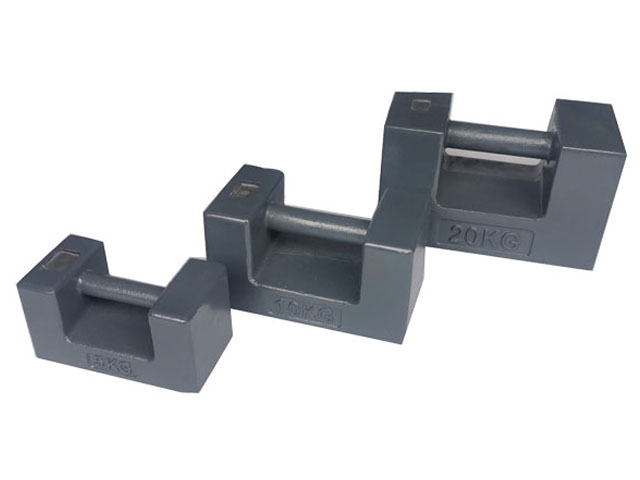
Hanging Calibration Weight
In the intricate and interconnected world of industrial measurement, laboratory experimentation, and mechanical performance verification, the consistency and reliability of every numerical reading stand as the foundational backbone of operational stability and data credibility. All forms of measuring instruments, tension testing equipment, hanging weighing devices, and mechanical load detection tools rely on a stable and consistent mass reference to maintain their normal working performance and accurate data output over long-term use. Without a reliable and traceable mass reference basis, even the most sophisticated measuring machinery will gradually produce subtle deviations in daily operation, repeated use, and changing environmental conditions, and these small deviations will gradually accumulate over time, eventually evolving into obvious measurement errors that affect production judgment, experimental conclusions, and equipment safety operation. Among all the common mass reference tools used for daily calibration and regular verification, hanging calibration weight occupies an irreplaceable and unique position, different from flat calibration weights placed on the surface of weighing equipment and slotted calibration weights used for stacked incremental testing. The structural design and usage mode of hanging calibration weight are specially optimized for suspension force bearing and tension calibration scenarios, enabling it to directly simulate real suspended load states, apply stable and uniform tension force to various suspended measuring and testing equipment, and complete accurate calibration, performance verification, and error detection work in a way that fits the actual working conditions of the equipment under test. This kind of calibration tool does not rely on complex electronic components, does not require external power supply support, and will not be affected by signal fluctuation, circuit aging, or electronic parameter drift that often trouble electronic measuring equipment. Its core value lies in relying on physical mass stability and standardized structural design to provide a continuous, stable, and repeatable force source for all links requiring suspended load calibration, becoming an essential basic tool for maintaining measurement accuracy in various professional fields.
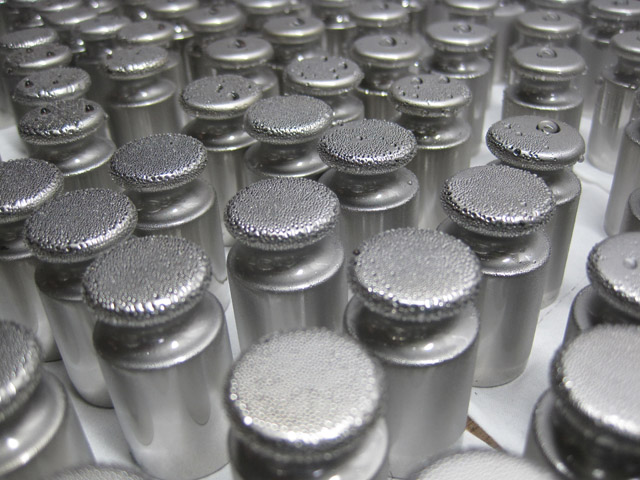
To fully understand the practical value and working logic of hanging calibration weight, it is necessary to start with the basic working principle behind its simple appearance, which is rooted in the most basic physical relationship between mass and gravitational force that runs through all mechanical measurement scenarios. Any object with a fixed mass will generate a corresponding stable gravitational force under the action of the local gravitational field, and the magnitude of this force is directly proportional to the mass of the object, with the only variable being the slight difference in gravitational acceleration caused by different geographical locations and environmental altitudes. Hanging calibration weight takes this basic physical rule as the core design basis, with its overall mass strictly controlled within a stable and fixed range during production and processing, and its overall structure designed to ensure uniform mass distribution and stable stress bearing during suspension. When the hanging calibration weight is hung on the hook, shackle, or suspension connection point of the equipment to be calibrated, the gravitational force generated by its fixed mass is completely transmitted to the internal force sensing or mechanical stress bearing structure of the equipment under test in the form of pure tension without additional lateral pressure, friction interference, or external force disturbance. This pure force transmission state is very critical for calibration work, because most suspended weighing and tension testing equipment are designed to bear unidirectional tension force in actual work, and only by using hanging calibration weight for suspension calibration can the real working stress state of the equipment be truly simulated, avoiding calibration deviation caused by inconsistent stress modes. Compared with other calibration tools that may produce contact friction or uneven force bearing during use, the suspension working mode of hanging calibration weight ensures that each calibration process can present the same force transmission effect, making the obtained calibration data have high repeatability and comparability, which lays a solid foundation for judging the working state and measurement accuracy of the equipment under test.
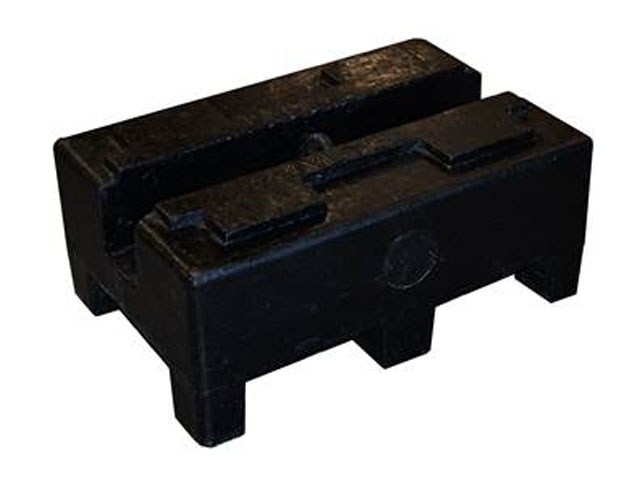
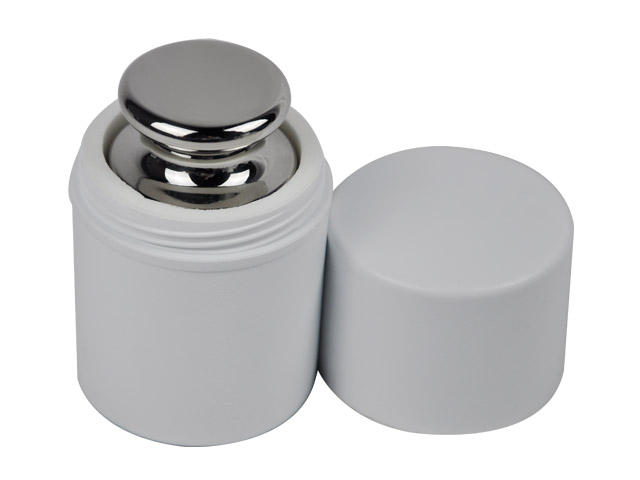
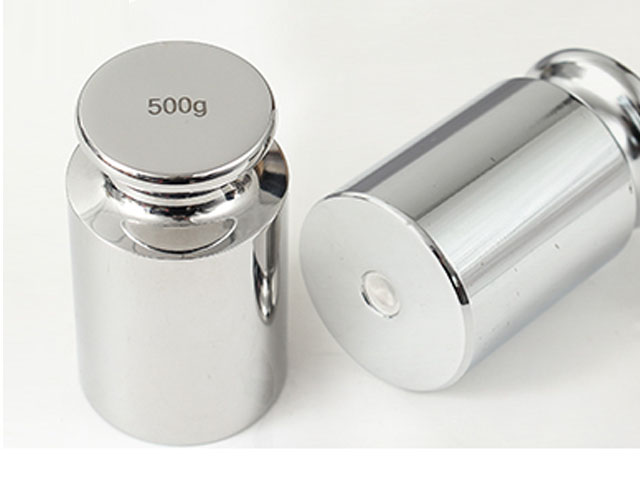
The structural design details of hanging calibration weight are carefully polished around the dual core demands of long-term use stability and convenient suspension operation, and every part of the design is to avoid measurement interference and maintain mass permanence. The main body of the weight is usually made of dense, stable, and corrosion-resistant metal materials, which can effectively resist the influence of daily temperature changes, air humidity fluctuation, and slight environmental contact on the overall mass of the weight. The surface of the weight is treated with smooth and compact processing technology to reduce surface roughness, prevent dust, moisture, and corrosive substances from adhering and penetrating, and avoid subtle mass changes caused by surface oxidation, corrosion, or dirt accumulation after long-term placement and repeated use. The top of each hanging calibration weight is equipped with an integrated and sturdy suspension connecting part, which is processed into a smooth and rounded structure without sharp edges or protruding corners. This design not only facilitates quick and stable hanging and disassembly during calibration operation but also prevents local stress concentration at the connection point during long-term suspension use, avoiding structural deformation or local wear of the weight caused by long-term tension. The overall shape of the main body is designed to be compact and symmetrical, ensuring that the center of gravity of the entire weight is concentrated at the vertical centerline of the suspension point. This symmetrical center of gravity design can prevent the weight from swinging, tilting, or rotating during suspension calibration. Once the weight swings or tilts, it will generate additional lateral centrifugal force and shear force, which will interfere with the unidirectional tension calibration effect, lead to inaccurate calibration data, and affect the accurate judgment of the equipment's working performance. Therefore, the symmetrical structural design and reasonable center of gravity layout are important structural guarantees for hanging calibration weight to maintain stable calibration effect in each use.
In actual industrial production, scientific research experimentation, and equipment maintenance work, the application scenarios of hanging calibration weight cover a wide range of fields, almost covering all professional links that require suspended load measurement and tension performance testing. In industrial manufacturing workshops, various hanging scales used for weighing raw materials, semi-finished products, and finished products in the production process need regular calibration and daily verification. These hanging scales work in a suspended state all year round, bearing different loads every day, and their internal mechanical sensing structures and force transmission parts are prone to subtle performance changes due to long-term load bearing and frequent use. Regular calibration with hanging calibration weight can timely detect whether the weighing data of the hanging scale has deviation, ensure that the weighing data of materials and products in the production process is consistent and accurate, avoid production quality problems and material waste caused by inaccurate weighing, and maintain the standardized operation of the entire production process. In the field of material performance testing, many tension testing machines and mechanical load testing equipment used to detect the tensile resistance, bearing capacity, and structural stability of materials and finished products need to use hanging calibration weight for static force calibration. These testing equipment need to obtain accurate force value data when detecting the mechanical properties of materials, and static calibration with hanging calibration weight can provide a stable and standard force source for the testing equipment, verify the accuracy of the equipment's force value display and data output, ensure that the material test results truly reflect the actual mechanical properties of materials, and provide reliable data support for material research and development, product structure optimization, and production process improvement.
In professional laboratory scientific research work, hanging calibration weight is an indispensable basic auxiliary tool for many physical experiments and precision measurement researches. Many scientific experiments involve the research of gravitational force, tension transmission, mechanical balance, and structural stress change, which require fixed and accurate mass objects as the basic reference standard for experimental data. The stable mass and reliable suspension performance of hanging calibration weight can provide a fixed mass reference for these precision experiments, ensure that the variable settings in the experiment are accurate and controllable, make the experimental data have high repeatability and scientific validity, and enable researchers to obtain accurate experimental conclusions and research results. In the field of mechanical equipment maintenance and safety inspection, many large mechanical facilities, lifting equipment, and tension bearing structures need regular load performance detection and safety assessment. During the detection process, hanging calibration weight is used to apply standard suspended load to the key stress parts of the equipment, detect whether the equipment has structural deformation, stress unbalance, or performance attenuation under the set load, judge the safety working state and service life of the equipment, and eliminate potential safety hazards caused by equipment performance attenuation in advance. Whether it is daily production measurement, professional scientific research experimentation, or equipment safety detection and maintenance, hanging calibration weight can adapt to different use environments and calibration demands, and play an irreplaceable basic supporting role.
The influence of external environmental conditions on the use effect and long-term performance of hanging calibration weight cannot be ignored, and understanding the environmental adaptation rules is an important prerequisite to ensure the calibration accuracy and service life of the weight. Among all environmental factors, air temperature and humidity are the most common and influential key factors. Too high ambient temperature will cause slight thermal expansion of the weight material, and although the mass of the weight itself will not change due to temperature changes, thermal expansion may cause subtle changes in the surface structure and local stress of the weight, affecting the stability of the suspension state in the calibration process. Long-term high humidity environment will easily cause slight oxidation and moisture adhesion on the surface of the weight, and long-term accumulation will lead to subtle changes in the surface state of the weight, even causing local corrosion and affecting the overall mass stability of the weight. On the contrary, too low temperature will also cause thermal contraction of the material, making the connecting part of the weight slightly hard, affecting the flexibility of hanging operation, and even causing structural brittleness of the connecting part in severe cases. In addition, dust, corrosive gas, and mechanical vibration in the working environment will also have adverse effects on the hanging calibration weight. Excessive dust accumulation on the surface of the weight will increase the surface attachment substances, resulting in slight changes in the actual effective mass of the weight and affecting the calibration accuracy. Corrosive gas in the industrial environment will slowly corrode the surface and internal structure of the weight, damaging the structural stability and mass uniformity of the weight. Long-term mechanical vibration will cause subtle friction and collision between the weights or between the weight and the storage container, resulting in surface wear and local mass loss, gradually reducing the calibration stability of the weight.
Therefore, in different use scenarios, corresponding environmental control and protective measures need to be matched according to actual conditions. When using hanging calibration weight for precision calibration in the laboratory, it is necessary to keep the indoor temperature and humidity within a relatively stable range, avoid rapid temperature change and excessive humidity, keep the working environment clean and dust-free, and reduce the interference of external environmental factors on calibration work. When used in industrial production workshops with complex environments, it is necessary to minimize the direct exposure of the weight to corrosive gas and excessive dust, and wipe and clean the weight in time after each use to keep the surface clean and dry. In outdoor temporary calibration work, it is necessary to avoid using the weight in bad weather such as strong wind, rain, and extreme temperature, prevent the weight from being affected by wind force swing interference and rain erosion, and ensure that each calibration work is carried out under relatively stable environmental conditions. Only by reasonably controlling the use environment and reducing the adverse effects of external factors can the hanging calibration weight maintain stable calibration performance for a long time and ensure the accuracy and reliability of each calibration result.
Standardized operation steps in the actual calibration process are crucial to giving full play to the performance of hanging calibration weight and obtaining accurate calibration data. Any irregular operation and random use mode may lead to unnecessary calibration errors and affect the correct judgment of the working state of the equipment under test. Before starting each calibration work, preliminary preparation and inspection work must be completed first. Operators need to carefully check the overall state of the hanging calibration weight to be used, including whether the surface is clean and free of dirt, whether the suspension connecting part is intact and free of deformation, wear, and damage, and whether the overall structure of the weight is symmetrical and free of obvious collision marks and structural changes. At the same time, it is necessary to check the state of the equipment to be calibrated, ensure that the suspension connection part of the equipment is stable and normal, the internal stress sensing structure is in a standby working state, and the equipment is placed in a horizontal and stable overall state to avoid calibration deviation caused by the tilt of the equipment itself. After the inspection is completed, the hanging calibration weight should be gently and stably hung on the suspension point of the equipment under test, and violent throwing, rapid hanging, and random collision should be avoided in the whole process. Violent operation will cause instantaneous impact force on the equipment and the weight, resulting in instantaneous stress fluctuation, which cannot simulate the stable load state required for static calibration, and will also cause unnecessary wear and deformation of the weight and the equipment connection part.
After the hanging calibration weight is stably suspended, it is necessary to wait for a period of time to keep the weight in a completely static and balanced state, waiting for the slight swing and vibration generated during the hanging process to completely disappear. Only in a completely static state can the gravitational force generated by the weight be completely and uniformly transmitted to the equipment under test in the form of standard tension, and the equipment can output accurate and stable measurement data. After the data displayed by the equipment is stable, operators can record the relevant measurement data, compare it with the standard theoretical value corresponding to the hanging calibration weight, calculate the deviation range of the equipment measurement data, and judge whether the equipment meets the normal working accuracy requirements. If the deviation is within the allowable range, it means that the equipment has stable performance and normal working state and can continue to be put into subsequent production and testing work. If the deviation exceeds the normal range, it is necessary to adjust and correct the equipment according to the actual deviation situation, and repeat the calibration operation again after the adjustment until the measurement data of the equipment returns to the normal accurate range. After the calibration work is all completed, the hanging calibration weight should be gently removed in the correct order, and placed in the designated storage position in time. Random stacking and messy placement are not allowed to avoid collision and extrusion damage between weights.
Long-term scientific maintenance and standardized storage management are key links to prolong the service life of hanging calibration weight and maintain long-term mass stability and calibration accuracy. Hanging calibration weight is a kind of precision measuring auxiliary tool, not a conventional industrial mechanical part, so its maintenance and storage cannot follow the management mode of ordinary mechanical parts, and targeted fine management is required. Daily maintenance work mainly focuses on regular cleaning and surface protection. After each use, the surface of the weight should be wiped with a soft and clean cleaning tool to remove surface dust, stains, and moisture, keep the surface dry and smooth, and avoid long-term adhesion of dirt and moisture to cause surface oxidation and corrosion. It is not allowed to use corrosive cleaning agents and hard cleaning tools to wipe the weight, so as to prevent chemical corrosion and surface scratch damage to the weight surface, avoid affecting the surface flatness and mass stability of the weight. Regular regular inspection and maintenance should be carried out every fixed cycle, checking whether the suspension connecting part of each weight is worn or deformed, whether the main body has collision damage and structural changes, and whether the surface has obvious oxidation and corrosion marks. If subtle damage or deformation is found, the weight should be marked and isolated in time, and no longer used for formal calibration work, to avoid calibration errors caused by damaged weights affecting production and experimental work.
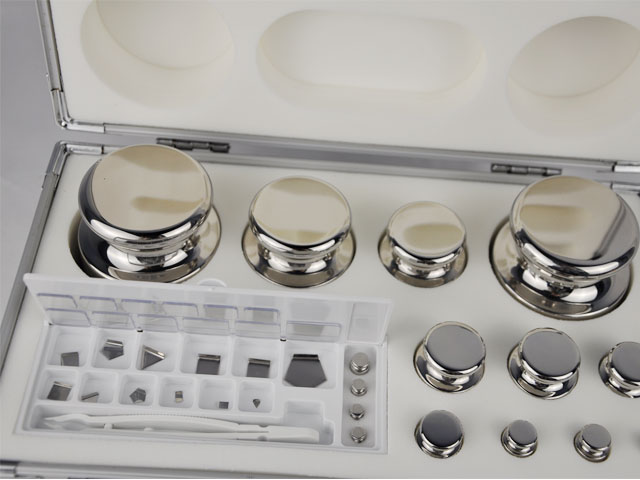
In terms of storage management, hanging calibration weight needs to be stored in a special dry, dust-proof, and stable storage space, avoiding long-term placement in high humidity, high temperature, dust, and corrosive gas environments. The storage space should be kept ventilated and dry, with stable internal temperature and no obvious temperature fluctuation. Special storage racks or storage containers should be equipped to place the weights separately, avoiding mutual collision, extrusion, and friction between multiple weights during storage and handling, preventing surface wear and structural deformation of the weights. Different specifications of hanging calibration weight should be placed in classified and partitioned areas, with clear and distinguishable marking management, to avoid mixing different specifications of weights and affecting the convenience of use and the accuracy of calibration. In addition, the handling work of hanging calibration weight should be standardized. Professional handling tools should be used for handling and movement, and violent throwing and random carrying are not allowed. During the handling process, collision and extrusion with other hard objects should be avoided to ensure that the structure and surface of the weight are not damaged. Good maintenance and storage management can make the hanging calibration weight always maintain stable mass and structural performance, reduce the frequency of performance attenuation and damage, prolong the service cycle of the weight, and ensure that each use can provide accurate and reliable calibration reference effect.
The value of hanging calibration weight is also reflected in its important role in the whole measurement traceability system and the normalization of industrial measurement management. All measurement work in industrial production and scientific research needs to be based on unified and traceable mass standards, and the accurate calibration of various measuring equipment is the basic link to ensure the unity and consistency of measurement data in all links. As a physical mass reference tool with stable performance and convenient use, hanging calibration weight undertakes the important work of transferring mass value to various suspended measuring and testing equipment at the grassroots level. Through regular calibration and use of hanging calibration weight, the measurement data of various production and testing equipment can be kept consistent with the unified mass standard, avoiding measurement confusion and data inconsistency caused by different equipment performance differences, and ensuring the coordination and uniformity of measurement work in the whole production chain and scientific research link. In the daily management of industrial enterprises and scientific research institutions, the regular calibration and maintenance of measuring equipment equipped with hanging calibration weight has become a necessary standardized management work. Regular calibration can timely find potential performance problems of equipment, avoid measurement errors accumulating over time, ensure the stability of production product quality and the accuracy of scientific research experimental data, and help enterprises and institutions maintain standardized and orderly operation.
With the continuous progress of industrial production technology and the continuous improvement of scientific research precision requirements, the performance requirements for hanging calibration weight in various application fields are also constantly improving, and the development direction of hanging calibration weight is gradually moving towards more stable material performance, more reasonable structural design, more convenient operation and use, and longer service life. In the early stage, the production and processing of hanging calibration weight only met the basic mass calibration demand, with simple structural design and single material selection, which could only adapt to conventional ordinary calibration scenarios. With the diversification of industrial production types and the refinement of scientific research experimental requirements, the application environment of hanging calibration weight is becoming more and more complex, and the calibration scenarios are becoming more and more diverse. Higher requirements are put forward for the material corrosion resistance, structural impact resistance, environmental adaptability, and long-term mass stability of hanging calibration weight. Modern hanging calibration weight adopts more high-quality and stable metal materials and more refined processing technology, with more precise structural design and stricter mass control in the production process, which can adapt to high humidity, multi-dust, and frequent use scenarios, and maintain long-term calibration accuracy and structural stability.
At the same time, the matching use mode of hanging calibration weight is also constantly optimized. More reasonable use specifications and maintenance management systems have been formed in various industries, making the use and management of hanging calibration weight more standardized and systematic. The continuous optimization and upgrading of hanging calibration weight and its supporting management methods further consolidate its important position in the field of measurement calibration, and provide solid basic support for the high-quality development of industrial production and the in-depth progress of scientific research experiments. In the future, as the demand for measurement precision in various fields continues to increase, hanging calibration weight will continue to play its irreplaceable basic role, continuously adapt to new use environments and calibration demands through continuous technological optimization and structural upgrading, and always maintain stable and reliable calibration performance, escorting the accuracy and stability of various measurement and testing work.
Hanging Calibration Weight
https://www.veidtweighing.com/calibration-weights.html
Post Date: Apr 28, 2026
https://www.supplier-manufacturer.com/calibration-weight/hanging-calibration-weight.html

![Test Weight Vender In China]()
Test Weight Vender In China
The global industrial and commercial operation system relies heavily on accurate weighing measurement in every production, circulation, and quality control link, and test …![1kg Stainless Steel Calibration Weight]()
1kg Stainless Steel Calibration Weight
In the intricate and interconnected world of modern measurement and industrial operation, consistent and reliable mass reference stands as an unshakable backbone for every…![Specifications of Calibration Weight]()
Specifications of Calibration Weight
Calibration weights serve as fundamental physical references for all types of weighing and measuring equipment, forming the foundational basis for maintaining consistent a…![What Is Calibration Weight]()
What Is Calibration Weight
A calibration weight is a precisely fabricated standard mass designed to act as a stable and reliable reference for all kinds of weighing equipment. Unlike ordinary common…![F2 Class Test Weight]()
F2 Class Test Weight
In the entire system of mass measurement and weighing calibration, F2 class test weight occupies an irreplaceable middle core position, connecting high-precision reference…