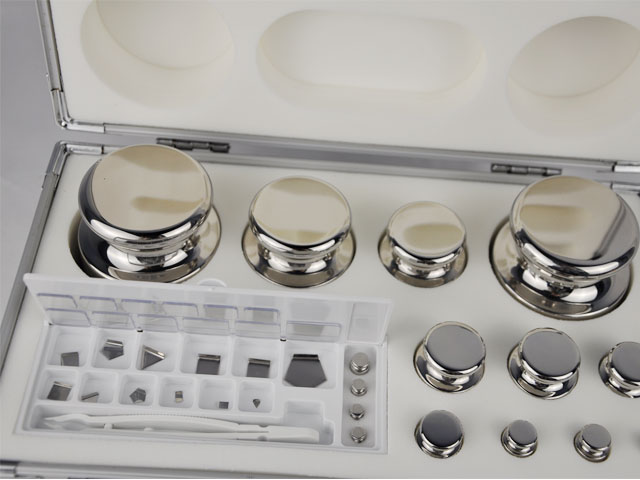
Oiml Cast Iron Weight
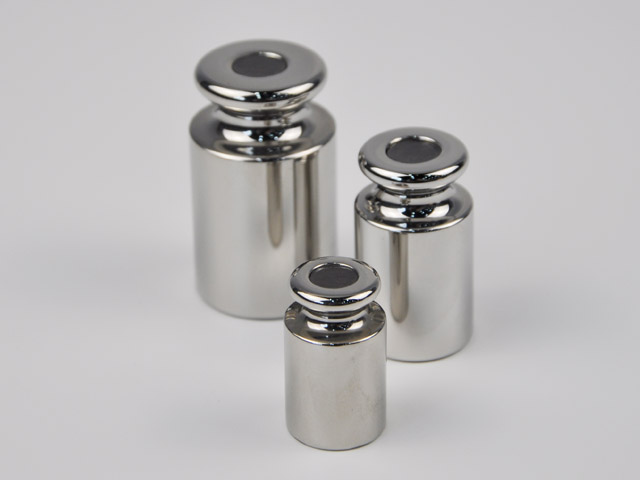
In the intricate ecosystem of industrial weighing and mass measurement operations, cast iron weights engineered for consistent dimensional stability and reliable mass performance stand as foundational components that underpin the credibility of all weighing-related workflows across countless sectors. These robust mass artifacts, widely utilized in routine scale verification, equipment calibration, and industrial load testing, are crafted from carefully selected fine-grained cast iron materials that strike an ideal balance between structural solidity, long-term wear resistance, and stable physical properties that remain unaltered under regular operational and environmental fluctuations. Unlike lightweight precision measuring tools designed exclusively for laboratory environments, these cast iron mass pieces are purpose-built to withstand the rigorous demands of on-site industrial work, frequent handling, stacking, and prolonged exposure to varying ambient conditions, making them an indispensable staple for any facility that relies on accurate weighing data to maintain smooth operational processes and standardized production protocols. The core design philosophy behind these cast iron weights centers on practicality, consistent mass retention, and adaptability, ensuring that every unit maintains steady performance throughout years of regular use without unnecessary fluctuations in mass or structural deformation that could compromise measurement consistency.
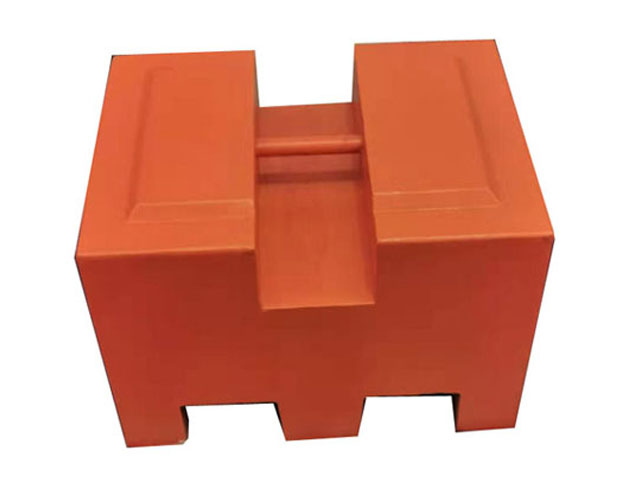
The selection of raw materials serves as the fundamental cornerstone for the overall performance and service life of every cast iron weight, with high-quality fine-grained gray cast iron being the primary material chosen for production due to its unique physical and mechanical properties well-suited for mass measurement applications. This specific type of cast iron features a carefully balanced carbon content structure that delivers excellent compressive strength, outstanding shock absorption capacity, and remarkable resistance to daily wear and surface abrasion, all of which are essential qualities for weights that endure repeated placement, movement, and stacking over extended periods. The internal molecular structure of fine-grained gray cast iron is uniform and dense, with no loose internal pores or structural gaps that could lead to gradual mass changes or structural damage over time. Such material characteristics ensure that each finished weight maintains stable internal density and uniform overall structure, avoiding the subtle mass deviations that often occur with inferior casting materials prone to internal shrinkage or structural inconsistency during the melting and forming process. The material also boasts suitable surface hardness levels that prevent easy denting, scratching, or chipping during routine handling and on-site use, preserving both the external integrity of the weight and the accuracy of its core mass value for a prolonged period.
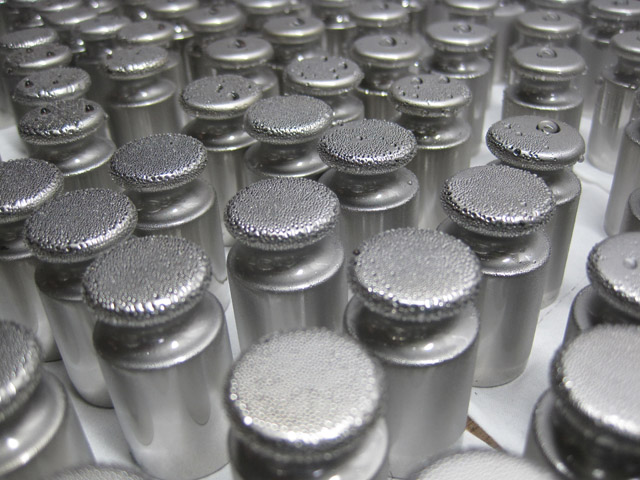
The entire manufacturing process of these cast iron weights follows refined and systematic casting and post-processing procedures, each step meticulously executed to guarantee uniform shape, precise dimensional conformity, and stable inherent mass for every finished unit. The production journey begins with the precise proportioning of raw cast iron materials, where different raw iron components are blended in accurate ratios to achieve the ideal material composition required for consistent density and structural performance. After proportioning, the raw materials are placed in high-temperature furnaces for thorough melting, ensuring all components fuse evenly into a homogeneous liquid iron solution free of impurities, bubbles, or unmelted residues that could affect the quality of the final cast product. Once the molten iron reaches the optimal temperature and fluidity, it is carefully poured into professionally crafted molds designed with precise internal contours to form the basic shape of each weight, whether in rectangular block, cylindrical, or other practical structural designs suited for stacking and handling. The molds are engineered to deliver smooth inner surfaces, preventing the formation of rough edges, surface pits, or irregular protrusions on the outer shell of the cast weights after cooling and forming.
Following the pouring stage, the newly formed cast iron weights undergo a gradual and controlled cooling and curing process, a critical step that relieves internal casting stress and enhances the overall structural stability of each unit. Rapid or uneven cooling often leads to internal structural tension, subtle dimensional warping, or hidden micro-cracks inside the cast iron, all of which can cause slow mass changes or structural damage during long-term use. By adopting slow, staged cooling in a controlled temperature environment, the internal structure of each weight settles evenly, eliminating potential structural defects and ensuring long-term dimensional stability. After complete cooling and demolding, each weight undergoes rigorous preliminary surface finishing work, including the removal of casting burrs, trimming of sharp edges, and polishing of contact surfaces to create smooth, flat exterior surfaces. This finishing work not only improves the overall appearance of the weights but also ensures stable stacking without tilting, reliable contact with weighing equipment during calibration and testing, and easy daily cleaning to remove dust and surface debris that might accumulate over time.
An essential part of the production process involves the creation of a dedicated adjusting cavity on the upper portion of each cast iron weight, a practical structural design that supports long-term mass fine-tuning and routine maintenance throughout the product’s service cycle. Despite the high precision of initial casting production, subtle mass variations may naturally occur due to minor surface wear, long-term environmental exposure, or regular handling over years of use. The reserved adjusting cavity provides a convenient space for professional operators to make small and precise mass corrections when needed, ensuring each weight maintains steady and compliant mass performance for ongoing measurement work. After the necessary fine adjustment work is completed, the cavity is properly sealed with durable protective materials to prevent dust, moisture, or external impurities from entering the interior and affecting the internal structure and mass stability of the weight. This thoughtful structural design extends the practical service life of each cast iron weight significantly, avoiding the need for frequent replacement and supporting continuous, reliable use in long-term industrial and measurement scenarios.
Surface protection treatment is another vital production step that directly determines the corrosion resistance, weather resistance, and appearance retention of cast iron weights used in diverse working environments. All finished cast iron weight units undergo professional surface coating treatment using high-quality, environmentally friendly coating materials that form a tough, protective outer layer covering the entire surface of each weight. This protective coating effectively isolates the cast iron base material from direct contact with external air, moisture, dust, and various minor corrosive substances commonly found in industrial workshops, port yards, mining sites, and other working areas where the weights are regularly deployed. Without this reliable surface protection, cast iron materials are prone to rusting, surface oxidation, and gradual material loss over time, which would directly lead to inaccurate mass values and shortened service life. The applied coating also features scratch-resistant and impact-resistant properties, resisting minor surface scratches and abrasions caused by daily handling, stacking, and transportation, while maintaining a smooth surface texture that is easy to wipe clean and keep hygienic for long-term use. The uniform coating application also ensures consistent surface appearance across all weights, making visual management and classification of different weight units simple and intuitive for on-site staff.
Cast iron weights of this type serve a wide and diverse range of application scenarios, covering nearly all industrial and commercial fields that require regular weighing equipment calibration, scale performance testing, and mechanical load balancing work. In general industrial manufacturing plants, these weights are routinely used to calibrate various types of industrial weighing scales, including floor scales, platform scales, and electronic weighing devices that support daily production material proportioning, finished product weighing, and raw material inventory management. Regular calibration with standard cast iron weights ensures that all on-site weighing equipment delivers consistent and accurate measurement data, avoiding production errors, material waste, or product quality inconsistencies caused by inaccurate scale readings. In logistics and port operation areas, large-specification cast iron weights are widely used to test and verify the performance of heavy-duty weighing equipment for container cargo weighing, freight vehicle weighing, and port handling machinery load testing, ensuring the safe and efficient operation of all logistics and cargo measurement processes.
Beyond industrial weighing calibration, these cast iron weights also play a key role in mechanical equipment debugging, engineering machinery testing, and ship balance adjustment work. In machinery manufacturing and processing factories, the weights are used for load testing of mechanical equipment, balancing moving mechanical components, and verifying the structural stability of new machinery products before they leave production facilities. In mining and construction engineering fields, the weights support the testing of heavy-duty engineering equipment and the calibration of on-site temporary weighing devices, maintaining the safety and standardization of engineering construction and mining operation processes. Elevator manufacturing and maintenance industries also rely on these cast iron weights for load testing and safety performance verification of elevator equipment, ensuring elevators operate safely and stably under different load conditions for daily passenger and cargo transportation. Even in agricultural production and commodity trading markets, medium and small-sized cast iron weights are used for regular verification of trading weighing tools, safeguarding fair trading order and consistent measurement standards for bulk commodity transactions.
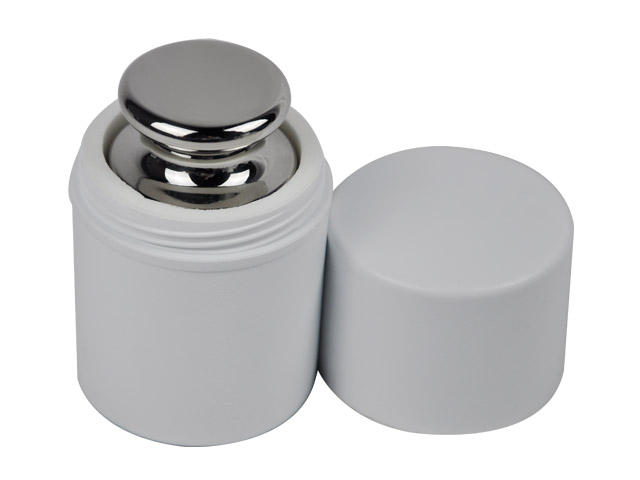
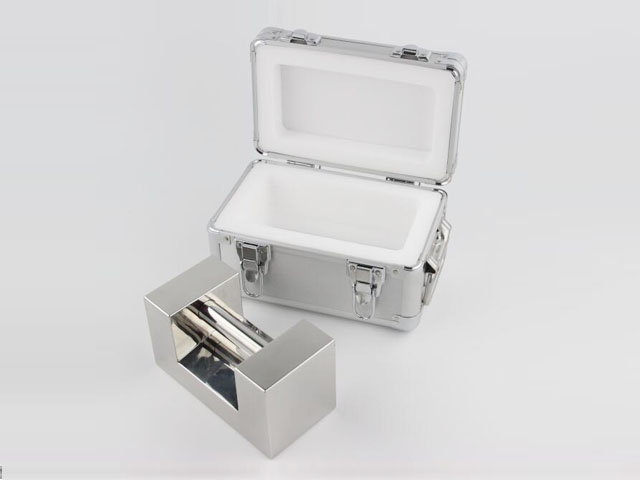
Daily maintenance and proper storage practices are essential to maximizing the service life and maintaining the long-term mass accuracy of cast iron weights, with simple, standardized management methods delivering significant long-term benefits for measurement reliability. For daily use, operators should avoid violent dropping, harsh collision, or excessive impact during weight handling and movement, as strong external force may cause structural deformation, surface coating damage, or internal structural changes that affect mass stability. When not in use, cast iron weights should be stored in dry, well-ventilated storage areas away from humid conditions, corrosive chemical substances, and direct long-term exposure to extreme weather elements such as strong sunlight or heavy rain. Humid storage environments can lead to coating damage and base material rusting, while prolonged exposure to harsh weather may accelerate surface aging and material wear. Regular routine cleaning work is also recommended, with staff wiping the surface of each weight with dry or slightly soft cloths to remove accumulated dust, dirt, and surface stains, preventing long-term dirt buildup from affecting weight cleanliness and surface protection performance.
Periodic regular inspection and mass recheck work should be arranged for all cast iron weights according to actual use frequency and working environment conditions, ensuring any subtle mass changes or surface damage are detected and addressed in a timely manner. During inspection, staff can check the surface coating integrity for peeling, rust spots, or damage, examine the overall structural shape for deformation or cracks, and verify the sealing condition of the adjusting cavity to ensure no external impurities have entered the interior. If minor mass deviations are found during recheck testing, professional staff can conduct precise fine-tuning through the reserved adjusting cavity to restore the weight’s standard mass value promptly. For weights used in high-frequency working environments or harsh industrial conditions, more frequent inspection and maintenance cycles are advisable to keep measurement performance stable at all times. Scientific and standardized maintenance management not only maintains the accurate measurement performance of cast iron weights but also reduces the frequency of replacement and lowers overall operational management costs for enterprises and measurement institutions.
The inherent advantages of cast iron weights make them a highly practical and reliable mass measurement solution for long-term industrial and commercial use, standing out for their stable physical properties, strong structural durability, and convenient daily operation and management. Compared with other types of measuring mass tools, cast iron weights offer excellent structural robustness that adapts well to complex and harsh working sites, withstanding the impact of frequent on-site use and environmental changes without obvious performance degradation. Their reasonable structural design with integrated handles or stacking contours makes daily movement, carrying, and stacking simple and labor-saving for operators, improving the efficiency of calibration and testing work across all application scenarios. The combination of high-quality raw materials, refined casting production processes, and reliable surface protection treatment ensures that these weights maintain consistent mass performance and structural integrity over many years of service, delivering steady and dependable support for all weighing and measurement related work.
As industrial production, commodity trading, and engineering construction industries continue to develop and upgrade, the demand for standardized and accurate mass measurement work keeps rising steadily, further highlighting the important role of qualified cast iron weights in supporting standardized measurement management. Every link from raw material selection, precision casting processing, surface protective treatment to daily use and later maintenance collectively determines the overall performance and service life of these essential weighing accessories. By adhering to scientific production standards in manufacturing and implementing standardized management and maintenance in application, cast iron weights can always maintain stable and reliable working performance, providing solid foundational support for accurate weighing data, standardized production operations, and safe engineering construction across all walks of life. Regardless of changes in industrial development trends and updating of weighing equipment technology, these practical and durable cast iron mass measurement tools will remain an indispensable basic guarantee for maintaining the accuracy and uniformity of various mass measurement work in all industries.
Oiml Cast Iron Weight
https://www.veidtweighing.com/cast-iron-weights.html
Post Date: May 4, 2026
https://www.supplier-manufacturer.com/cast-iron-weight/oiml-cast-iron-weight.html

![1kg Calibration Weight]()
1kg Calibration Weight
In the intricate and interconnected world of modern measurement science and industrial production, the pursuit of consistent and reliable mass measurement forms the invisi…![Rust Proof Standard Weight]()
Rust Proof Standard Weight
Rust proof standard weight represents a specialized material configuration that balances consistent structural weight distribution and reliable anti-corrosion performance,…![Stainless Steel Weight For Digital Scale Regular Calibration]()
Stainless Steel Weight For Digital Scale Regular Calibration
In the modern era of precision measurement, digital scales have become indispensable tools across countless industries and daily applications, ranging from laboratory scie…![Standard Weight For Industrial Scales]()
Standard Weight For Industrial Scales
In modern industrial production, commercial trade, and quality inspection systems, the accuracy and stability of weighing measurements serve as the fundamental guarantee f…![Oiml Calibration Weight Set]()
Oiml Calibration Weight Set
In the field of precision measurement and industrial metrology, accurate mass reference serves as the fundamental foundation for all quantitative weighing operations, and …