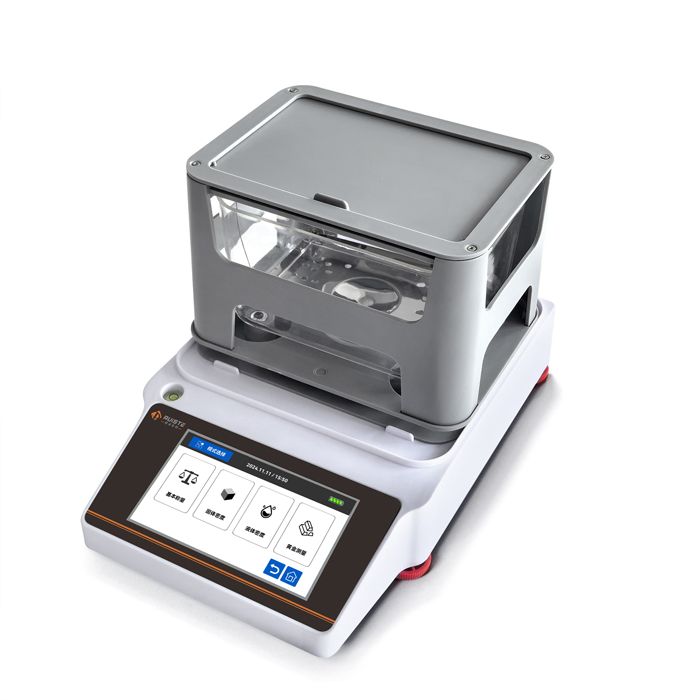
High-capacity Analytical Balance
In modern laboratory operations, industrial formulation processes, material research and quality control workflows, accurate mass measurement stands as one of the most foundational and indispensable basic links that determine the reliability of subsequent experimental data, product formulation stability and overall testing result consistency. Among various precision weighing instruments available for professional use, the high-capacity analytical balance occupies a unique and irreplaceable position, perfectly balancing extended weighing load ranges and fine measurement readability that traditional standard analytical balances and ordinary industrial weighing scales cannot achieve simultaneously. Unlike conventional analytical balances that are limited to small sample loads for micro-scale precision weighing and basic industrial scales that prioritize load bearing capacity while sacrificing subtle measurement accuracy, this type of weighing equipment is engineered to meet the dual core demands of handling relatively heavy bulk samples, large-batch raw material preparations and high-precision quantitative detection, filling the long-standing gap between high-precision micro-weighing and heavy-load macro-weighing in professional working environments. Its rational structural layout, mature internal sensing and control technology, and adaptive environmental anti-interference design enable it to maintain stable and repeatable weighing performance in diverse complex working conditions, becoming a core supporting tool for scientific research exploration, pharmaceutical production, food processing, chemical raw material deployment and new material development fields.
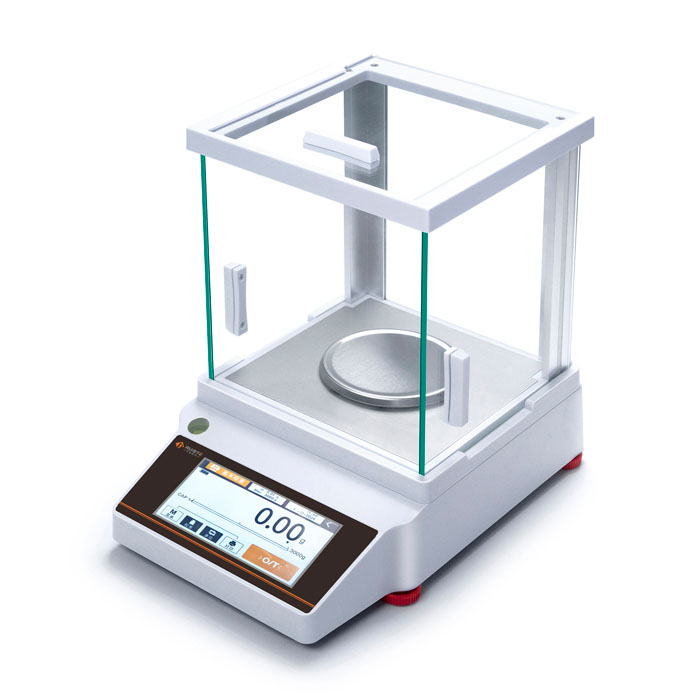
The core working mechanism of the high-capacity analytical balance relies on mature and reliable electromagnetic force balance sensing technology, a scientific principle that has been continuously optimized and upgraded for decades to adapt to different load levels and precision measurement requirements. At the heart of the entire instrument lies a high-sensitivity sensing component matched with the extended load demand, which works in coordination with a closed-loop electronic control system and high-resolution signal processing modules to complete the entire mass conversion and data output process. When a sample or raw material is placed steadily on the weighing pan of the balance, the gravitational force generated by the object’s mass acts directly on the internal mechanical transmission structure of the sensing unit, causing an extremely tiny and controllable displacement of the internal coil and force-bearing assembly. This subtle displacement is instantly captured by a high-precision photoelectric position detection component, which immediately transmits the displacement variation signal to the built-in microprocessor for real-time analysis and calculation. The intelligent control system then dynamically adjusts the current passing through the internal coil in real time, generating a corresponding electromagnetic force that counteracts the gravitational force of the measured object, gradually restoring the force-bearing structure to its original preset zero balance position. Once the internal force reaches a dynamic equilibrium state with the external load, the system converts the stable current value corresponding to the electromagnetic force into accurate mass data through professional algorithm processing, and finally presents clear and intuitive digital readings on the display interface. The whole measurement process is completed in a short response cycle, with no complicated mechanical weight matching operations required by traditional mechanical balances, effectively reducing human operation intervention and avoiding manual reading errors that often occur in traditional weighing methods.
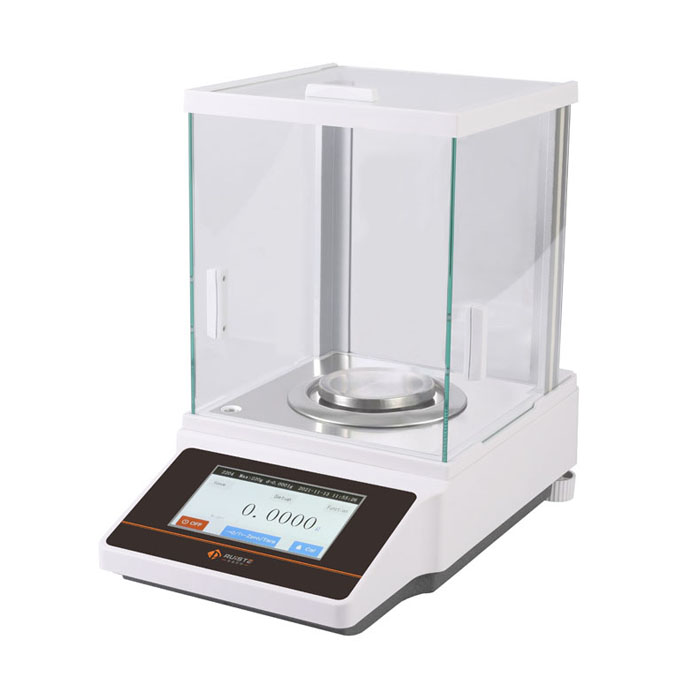
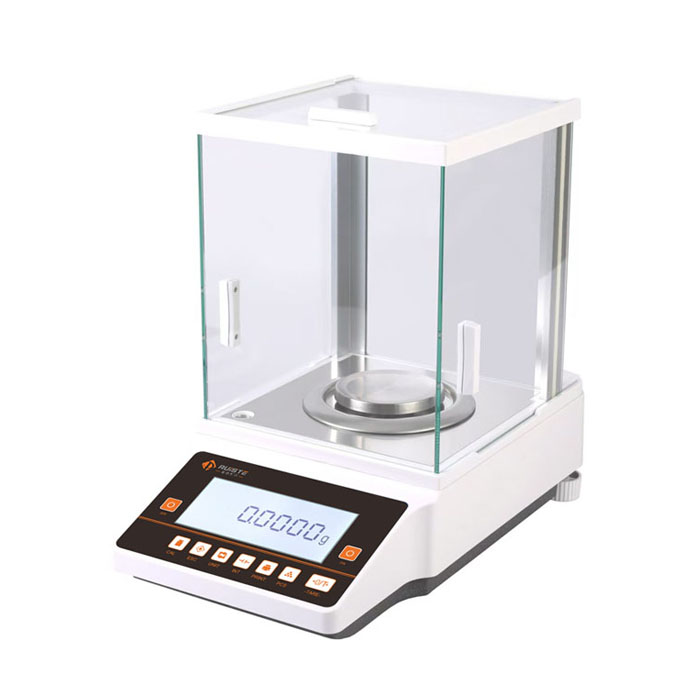
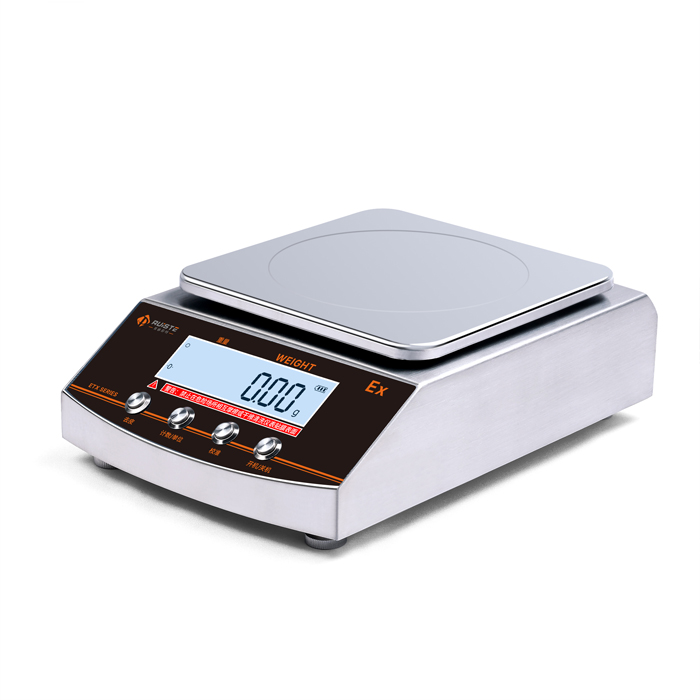
The structural design of high-capacity analytical balances is fully optimized around the dual attributes of large load bearing and long-term measurement stability, with every component tailored to adapt to the mechanical stress and environmental interference challenges brought by long-term heavy-load weighing work. The external shell of the instrument is made of high-rigidity and anti-deformation metal composite materials, which can effectively resist slight structural deformation caused by long-term placement of heavy samples, ensuring the overall structural stability of the equipment during long-term continuous use. The weighing pan adopts a thickened and reinforced corrosion-resistant metal structure, with a reasonable surface area design that can accommodate samples of different shapes and volumes, from single solid block materials and stacked particle raw materials to container-held liquid preparations, without affecting the stable placement of samples or causing local stress concentration that impacts weighing accuracy. The internal mechanical transmission structure adopts an integrated integrated design, reducing the number of connecting mechanical parts, minimizing mechanical friction and wear during repeated weighing processes, and lowering the impact of mechanical aging on long-term measurement repeatability. In addition, the key internal sensing and circuit components are equipped with targeted shielding and shockproof protection structures, which can isolate slight vibration interference from the surrounding working environment and prevent external electromagnetic signal fluctuations from affecting the normal operation of the internal control circuit, ensuring that the weighing state remains stable even in busy laboratory or production workshop environments with frequent equipment operation and personnel movement.
Environmental adaptability is a key performance advantage of high-capacity analytical balances in practical professional applications, as most professional weighing scenarios are not in strictly constant-temperature and vibration-independent ideal laboratory environments, but in comprehensive working spaces with variable temperature and humidity and occasional external interference. This type of balance is equipped with built-in temperature drift compensation and humidity adaptive adjustment functions, which can automatically sense real-time changes in ambient temperature and humidity through internal sensing elements, and automatically correct minor measurement deviations caused by environmental climate changes through internal algorithms. In different seasons and different regional working environments, even with continuous fluctuations in indoor temperature and humidity throughout the day, the balance can maintain consistent weighing accuracy without frequent manual debugging by operators. For airflow interference that easily affects precision weighing, the equipment is usually matched with a reasonable windproof structure design, which can block the impact of indoor natural convection airflow and personnel walking-induced airflow on the weighing pan and light samples, avoiding real-time data jumping and unstable readings during the weighing process. At the same time, the anti-vibration base design at the bottom of the instrument can buffer slight ground vibration generated by surrounding mechanical equipment operation, effectively preventing vibration from causing subtle shaking of the internal force-bearing structure and ensuring that each weighing data has good stability and reproducibility.
In scientific research and laboratory research and development work, high-capacity analytical balances play an irreplaceable basic role in promoting the progress of experimental research and the accuracy of research data. Many material science, chemical synthesis and environmental monitoring experiments require not only precise weighing of trace experimental reagents for core reaction configuration, but also accurate measurement of large-quality experimental raw materials, experimental auxiliary materials and bulk sample substrates. Traditional small-range analytical balances cannot meet the load requirements of large-quality sample weighing, while ordinary large-scale weighing tools cannot provide the precision required for experimental data recording. The high-capacity analytical balance perfectly connects these two experimental links, enabling researchers to complete the weighing of heavy raw materials and fine trace reagents on one piece of equipment, avoiding measurement errors caused by switching different weighing instruments for different samples. In new material development research, researchers often need to proportion various bulk powder and granular raw materials according to fixed mass ratios, and slight deviations in the proportion of each component will directly affect the physical and chemical properties of the final synthesized material. The stable and accurate weighing performance of the high-capacity analytical balance ensures that the raw material proportioning data is highly in line with the experimental design scheme, providing reliable basic data support for subsequent material performance testing and experimental result analysis and verification. In environmental sample detection work, a large number of collected soil samples, water body sediment samples and industrial waste residue samples need to be weighed in batches for pretreatment and component analysis, and the large load capacity and efficient weighing speed of the balance can meet the needs of batch sample processing in detection work, improving the overall efficiency of experimental pretreatment while ensuring the accuracy of sample mass recording.
The pharmaceutical and life health industry is another core application field for high-capacity analytical balances, where the accuracy of raw material weighing and sample preparation is closely related to the safety and effectiveness of related products and experimental research results. In pharmaceutical research and drug formulation development, the preparation of drug intermediate preparations, auxiliary material proportioning and bulk drug sample testing all require both large-load weighing capacity and high-precision measurement standards. Various medicinal powders, granular raw materials and liquid medicinal preparations need to be accurately weighed according to formulation formulas, and any subtle deviation in the mass ratio of each component may affect the stability of drug efficacy and the safety of clinical use. High-capacity analytical balances can complete the accurate weighing of large-batch medicinal raw materials and trace functional additives, ensuring that each batch of experimental formulations and trial-produced samples maintains consistent component proportions and laying a solid foundation for the stability of subsequent drug research progress and product batch production. In biological research and laboratory cell culture and microbial culture work, the preparation of large-capacity culture media, the weighing of biological reagents and the configuration of buffer solutions all rely on the stable performance of such balances. The accurate weighing of culture media raw materials directly affects the growth environment of microorganisms and cells, and stable and reliable weighing data ensures the repeatability of biological experiments and the comparability of research data, providing reliable basic conditions for life science research and related medical testing work.
In the food production and daily chemical product processing industry, high-capacity analytical balances are important basic equipment for production quality control and formula standardization management. Food processing and daily chemical product production involve complex raw material proportioning processes, including bulk basic raw materials and trace functional additives, colorants and preservatives. The quality and performance stability of final products depend largely on the accurate proportioning of various raw materials in the production formula. In the food production link, the accurate weighing of flour, sugar, oil and other bulk raw materials, as well as trace food additives, ensures the consistent taste, texture and shelf life of each batch of food products, avoiding product quality differences caused by uneven raw material proportioning. In the production of skin care products, cleaning supplies and other daily chemical products, the proportioning of chemical raw materials and functional additives needs to meet strict precision requirements, and inaccurate weighing will lead to unstable product performance, reduced use effect and even quality fluctuations in different production batches. High-capacity analytical balances can adapt to the weighing work of various solid and liquid raw materials in the production process, maintain stable weighing accuracy in long-term continuous production and use, help production enterprises realize standardized management of production formulas, and ensure the long-term stability of product quality and good market consistency of products.
Standardized operation and daily scientific maintenance are crucial to maintaining the long-term performance stability and service life of high-capacity analytical balances, and reasonable use habits can effectively keep the instrument in a good working state for a long time and avoid measurement deviations caused by improper operation or daily neglect. Before each use, operators need to place the balance on a horizontal and stable working platform, check the level state of the instrument and ensure that the internal force-bearing structure is in a natural unstressed state, which is the basic prerequisite for accurate weighing. It is necessary to preheat the instrument for a certain period of time according to the working requirements, so that the internal circuit and sensing components reach a stable working temperature state, reducing measurement errors caused by temperature changes of internal components after startup. During the sample placement process, operators should handle samples gently to avoid violent impact on the weighing pan, prevent instantaneous impact force from causing damage to the internal sensing structure, and place samples in the center of the weighing pan to avoid weighing deviation caused by eccentric load. After the daily weighing work is completed, the surface of the weighing pan and the internal windproof and structural parts should be cleaned in time to remove residual sample dust, particles and liquid stains, preventing corrosive substances from corroding the instrument structure and affecting the sensitivity of internal components. Regular routine calibration should be carried out according to the frequency of use and working environment, and minor measurement deviations generated during long-term use should be corrected in a timely manner to ensure that the weighing data of each use maintains high accuracy and repeatability.
With the continuous development of scientific research technology and industrial production upgrading, the demand for precision weighing in various professional fields is constantly improving, and the application value of high-capacity analytical balances in professional work is becoming increasingly prominent. It not only undertakes the basic weighing work in laboratory research and industrial production, but also provides accurate and reliable basic data support for experimental research innovation, product quality improvement and production process optimization. Its unique design that combines large load capacity and high measurement precision, excellent environmental adaptability and stable long-term working performance make it gradually become essential basic equipment in more and more professional scenarios. In future scientific research exploration and industrial production practice, high-capacity analytical balances will continue to rely on continuous technological optimization and reliable practical performance, assist various industries to complete more accurate quantitative work, promote the steady progress of related research and production work, and lay a solid foundation for the continuous improvement of experimental research level and product quality standardization development.
High-capacity Analytical Balance
https://www.pruiste.com/analytical-balance.html
Post Date: May 5, 2026
https://www.supplier-manufacturer.com/analytical-balance/high-capacity-analytical-balance.html

![Calibrated Analytical Balance]()
Calibrated Analytical Balance
A calibrated analytical balance stands as an essential precision measuring instrument widely utilized in scientific laboratories, industrial production sectors, and academ…![Semi-micro Precision Balance]()
Semi-micro Precision Balance
In modern laboratory environments that pursue rigorous data accuracy, semi-micro precision balance stands as an indispensable weighing instrument for handling tiny and tra…![Precision Balance Wholesale]()
Precision Balance Wholesale
In modern industrial production, scientific research experimentation, and daily quality inspection workflows, precision measuring instruments serve as the fundamental corn…![Precision Balance Supplier]()
Precision Balance Supplier
In modern industrial production and scientific research systems, precision measuring instruments form an indispensable foundational support, among which precision balances…![Electronic Balance Price]()
Electronic Balance Price
In modern industrial production, scientific research, and daily analytical work, electronic balances have become indispensable measuring instruments that underpin the accu…