Electronic Balance JA SERIES
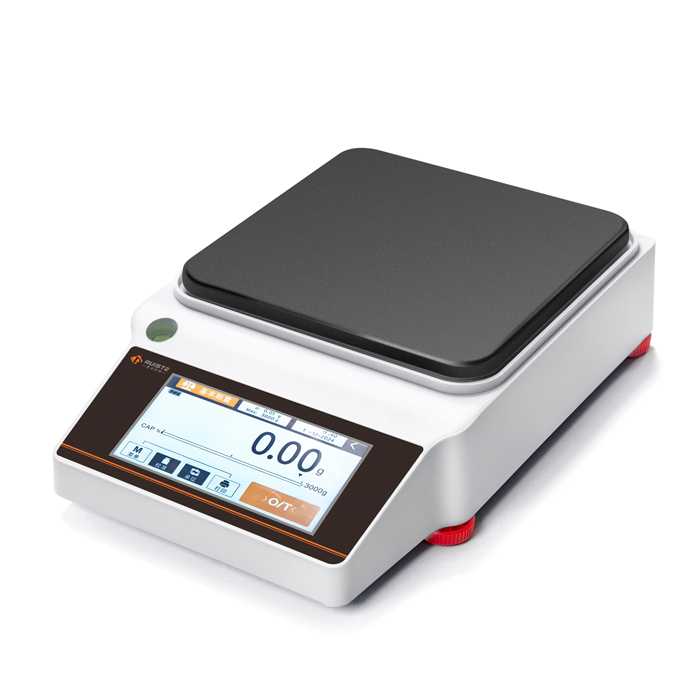
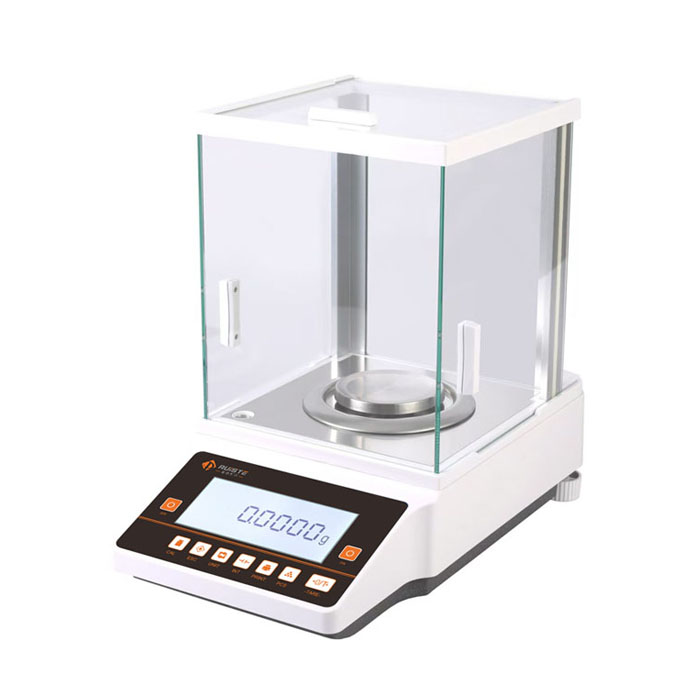
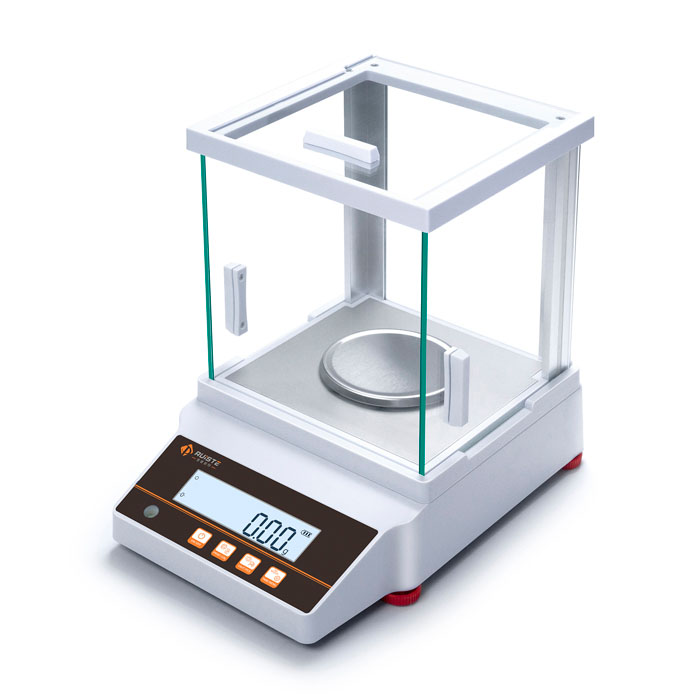
The JA series uses high-definition buttons, and the entire series of balances uses Nuosheng sensors and brand sensors to ensure high accuracy and stability of weighing results. This series of precision casting ABS Environmental protection materials are designed, with one-key switching mode of Chinese and English interface, high-efficiency die-cast aluminum alloy base, stable and solid bearing base, clear and visible samples of fully transparent glass windshield, stainless steel countertop and stainless steel weighing pan, resolution as high as 1.2 million, high-speed 24bitsad, anti-interference ability, anti-radiation, anti-static and high-efficiency, and weighing, counting and weighing modes.
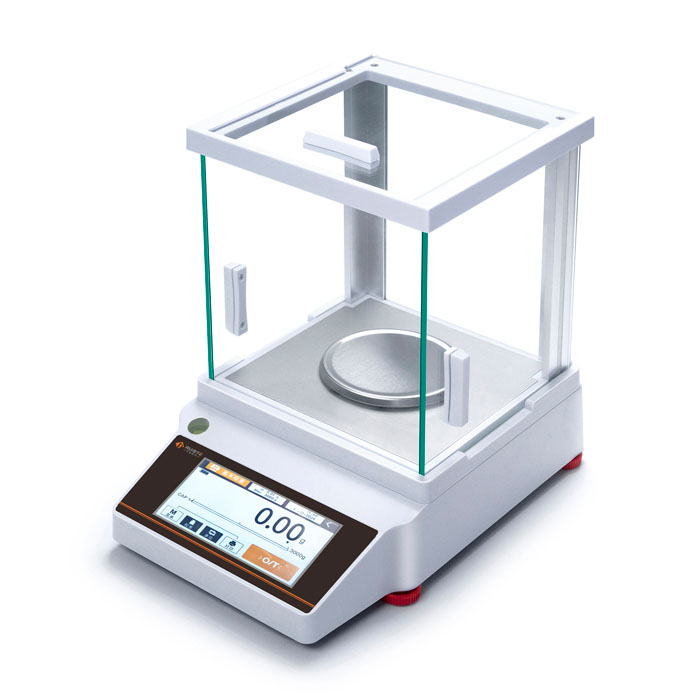
The electronic balance stands as a fundamental precision measuring instrument widely adopted in modern scientific research, industrial production, quality inspection, and academic experimentation. Distinct from traditional mechanical balancing devices that rely on manual weight calibration and lever mechanical principles, this equipment leverages electronic sensing technology and intelligent signal processing to complete mass measurement, delivering stable, repeatable, and convenient detection results for various accurate weighing scenarios. Its core value lies in converting mechanical pressure generated by measured objects into identifiable electrical signals, realizing automated measurement and digital data output, which greatly optimizes the efficiency and stability of precision weighing work compared with conventional mechanical equipment.
The working mechanism of electronic balances is mainly based on electromagnetic force compensation and strain sensing principles, two mature technical paths that support different precision grading and application scenarios. Most medium and high-precision electronic balances adopt the electromagnetic force compensation principle. When an object is placed on the weighing pan, the gravity of the object causes slight displacement of the pan and the connected mechanical transmission structure. The internal displacement sensor captures this tiny positional change in real time and transmits the signal to the control circuit. The system then adjusts the current in the built-in electromagnetic coil, generating a corresponding electromagnetic force to offset the gravity of the measured object and restore the weighing structure to its initial balanced position. Since the magnitude of electromagnetic force is positively correlated with the current intensity, the system can calculate the accurate mass of the object by converting the current signal, and finally present the data through the digital display screen.
For general-precision electronic balance products, the strain gauge sensing structure is more commonly applied. The core component of this structure is the load cell equipped with strain gauges. When bearing the pressure of a measured object, the elastic metal part of the load cell produces micro elastic deformation, which drives the strain gauges attached to its surface to change resistance values. The circuit system converts this resistance change into a continuous electrical signal, amplifies and filters the signal through a dedicated processing module, and eliminates interference signals generated by external subtle vibration and temperature changes. After algorithm calibration and data correction, the effective weighing data is outputted. This working mode features simple structural logic, stable operation, and good environmental adaptability, meeting the basic precision weighing needs of most industrial and conventional laboratory scenarios.
The overall structural design of electronic balances focuses on precision control and anti-interference performance, with each functional module cooperating closely to ensure measurement stability. The external part is composed of a weighing pan, windproof cover, and base. The weighing pan is usually made of corrosion-resistant and high-rigidity metal materials, which can uniformly bear the weight of objects and avoid measurement errors caused by structural deformation. The windproof cover is a key structural accessory for high-precision models, which can block the influence of ambient air flow on the weighing process, effectively reducing data fluctuation caused by subtle air disturbance. The base adopts a weighted and stable structural design, matched with adjustable foot pads, which can correct the horizontal state of the equipment according to the placement environment and avoid measurement deviation caused by inclined placement.
The internal core structure includes sensing components, circuit processing modules, microprocessor units, and power supply stabilization modules. The sensing components undertake the core task of force-electric signal conversion and are the key to determining the basic precision of the equipment. The circuit processing module is responsible for signal amplification, filtering, and noise reduction, screening effective measurement signals from complex environmental interference. The microprocessor acts as the control core of the entire equipment, executing data calculation, zero-point calibration, tare clearing, and data storage functions, and realizing intelligent control of the weighing process. The power supply stabilization module ensures the stability of operating voltage and current, avoiding data drift caused by power fluctuation and providing continuous and stable power support for long-term weighing work.
In actual operation, electronic balances show obvious advantages in convenience and intelligence compared with traditional mechanical balances. The equipment is equipped with automatic zero-tracking function, which can automatically correct the tiny zero-point drift generated by environmental changes and equipment aging during operation, ensuring the consistency of the initial measurement state. The tare clearing function is one of the most commonly used practical functions, which can deduct the mass of containers, packaging materials, and auxiliary tools, directly measuring the net mass of the sample, simplifying the operation steps of repeated weighing and calculation. In addition, most electronic balance devices support real-time data locking, delayed reading, and data transmission functions, which can fix unstable fluctuating data after the weighing state is stable and transmit effective data to external terminal equipment, facilitating subsequent data recording, sorting, and analysis.
Environmental adaptability is an important factor affecting the measurement performance of electronic balances, and standard use environment can maintain long-term stable measurement accuracy. Temperature change is the main environmental influencing factor. Too high or too low ambient temperature will cause slight thermal expansion and contraction of internal metal structures and sensing components, affecting the accuracy of force-electric signal conversion. It is suitable to work in a constant temperature environment with mild temperature changes, avoiding long-term placement in high temperature, low temperature, or alternating hot and cold environments. Humidity also has a certain impact on the equipment. Excessively humid air may cause dampness and short circuit of internal circuit components, while too dry environment is prone to static interference, which will interfere with the stability of electrical signals. Keeping dry and ventilated placement environment can effectively extend the service life of the equipment and maintain measurement stability.
Vibration and air flow interference cannot be ignored in the use of electronic balances. Slight ground vibration and table vibration will cause continuous micro-shaking of the weighing pan, making it difficult for the equipment to stabilize the signal and resulting in fluctuating measurement data. Therefore, the equipment needs to be placed on a stable horizontal tabletop, avoiding placement near mechanical operation equipment and pedestrian dense passages with frequent vibration. For high-precision weighing work, it is necessary to close the windproof cover during operation to prevent indoor air flow, fan air supply, and personnel breathing air flow from affecting the balance state of the weighing pan and ensuring the repeatability of measurement data.
Electronic balances cover a wide range of application scenarios, penetrating into multiple fields of scientific research, production, and testing. In chemical and biological laboratories, they are used for accurate weighing of experimental reagents, culture samples, and standard substances. Many chemical reaction experiments and biological culture tests have strict requirements on sample dosage, and tiny mass deviations will affect the final experimental results. The high-precision measurement capability of electronic balances provides reliable data support for experimental repeatability and result verification.
In the food and daily chemical industry, electronic balances are applied in raw material proportioning, finished product sampling inspection, and packaging quality detection. In the production process of food additives, cosmetic raw materials, and detergent products, accurate proportioning of various raw materials is the key to ensuring product quality and performance. The equipment can complete rapid and accurate weighing of various solid and partial liquid raw materials, realizing standardized production proportioning. In the finished product inspection link, it is used to detect whether the net content of packaged products meets the specified standards, effectively controlling product quality consistency.
In the pharmaceutical industry, the application of electronic balances involves drug research and development, raw material testing, and finished drug inspection. The production and research of pharmaceutical products require high precision and safety in raw material dosage. Accurate weighing of medicinal raw materials and auxiliary materials can avoid product quality problems caused by dosage deviation and ensure the safety and effectiveness of pharmaceutical products. At the same time, in the drug stability test and ingredient analysis work, electronic balances provide accurate mass data for sample changes, supporting the progress of drug research and experimental verification.
In industrial manufacturing and material testing fields, electronic balances undertake the weighing work of precision parts, new material samples, and experimental test pieces. With the continuous development of precision manufacturing technology, the mass precision of small parts and new material samples is increasingly strict. The stable measurement performance of electronic balances can meet the detection needs of small-mass and high-precision samples, providing effective data basis for material performance analysis, product quality screening, and process optimization. In addition, in the fields of environmental monitoring and agricultural testing, the equipment is also used for weighing soil samples, water quality precipitates, and crop samples, supporting the data collection of environmental detection and agricultural experimental research.
Daily maintenance and standardized maintenance are crucial to maintain the long-term performance of electronic balances and extend their service life. In daily use, the weighing pan and windproof cover should be kept clean at all times. Residual samples, dust, and stains left after weighing should be cleaned up in time to avoid long-term adhesion causing corrosion of the weighing pan or affecting the sensitivity of the sensing structure. It is necessary to avoid placing corrosive, volatile, and super-heavy objects on the equipment to prevent damage to internal sensing components and structural deformation caused by overload pressure.
Regular calibration is an essential maintenance link for electronic balances. After long-term use, external environmental changes and internal component aging will cause subtle zero-point deviation and precision attenuation of the equipment. Regular manual calibration can correct measurement errors and restore the equipment’s accurate measurement performance. Before daily use, simple zero-point reset operation can eliminate the influence of subtle environmental changes; regular professional calibration can ensure the long-term stability of equipment precision and meet the requirements of continuous and accurate measurement work.
The placement state of the equipment needs regular inspection. The horizontal bubble device equipped on the balance can intuitively reflect the placement level. The foot pads should be adjusted regularly to keep the equipment in a horizontal state, preventing long-term inclined placement from causing structural fatigue and measurement deviation. When the equipment is not in use for a long time, it should be powered off and covered with a dust cover to avoid dust accumulation entering the internal circuit and sensing structure, preventing static interference and component aging caused by long-term idle state.
With the continuous progress of electronic technology and intelligent control algorithms, the performance of electronic balances is constantly optimized and upgraded. Modern electronic balance products are developing towards higher stability, stronger anti-interference ability, and more diversified intelligent functions. The optimization of sensing components and signal processing algorithms enables the equipment to adapt to more complex use environments, reducing the impact of external temperature, vibration, and air flow on measurement results. The expansion of intelligent functions such as data automatic recording, statistical analysis, and remote transmission further improves the automation level of weighing work, reduces manual operation errors, and improves the overall work efficiency of precision measurement.
Compared with traditional mechanical weighing equipment, electronic balances have irreplaceable advantages in operation convenience, data stability, and functional diversity. They do not need complex manual weight matching and mechanical balancing adjustment, and can quickly obtain stable and readable digital data. The good repeatability of measurement data ensures the consistency of multiple weighing results of the same sample, which provides reliable guarantee for experimental research, industrial production, and quality inspection work. As an indispensable basic precision measuring instrument in modern science and industry, electronic balances will continue to play an important role in various fields, providing accurate and stable mass measurement support for technological innovation and industrial upgrading.
Electronic Balance JA SERIES
https://www.pruiste.com/ajxl/dztpja
Post Date: Jun 7, 2026
https://www.supplier-manufacturer.com/counting-weighing-balance/electronic-balance-ja-series.html

![Weighing Scale Vender In China]()
Weighing Scale Vender In China
China has established a solid and influential position in the global weighing scale manufacturing sector, with numerous dedicated vendors covering diverse production scale…![Weighing Scale Manufacturer]()
Weighing Scale Manufacturer
The weighing scale manufacturing sector stands as an indispensable segment within the global industrial and consumer manufacturing landscape, quietly supporting the operat…![Moisture Analyzer DHS Series]()
Moisture Analyzer DHS Series
DHS series adopts the Internet of Things 5 inch color TFT control system integrated touch HD screen, and the whole series moisture meter adopts German HBM sensor and brand…![Counting Scale Manufacturer]()
Counting Scale Manufacturer
Counting scales have become indispensable measuring equipment in modern industrial production, commercial circulation, and material management, serving as a reliable tool …![Dual-range Counting Scale]()
Dual-range Counting Scale
In modern industrial production, inventory management, and material sorting processes, the demand for accurate and efficient quantitative measurement continues to grow ste…