Laboratory Digital Viscometer
Viscosity stands as one of the most fundamental physical properties of fluid substances, reflecting the internal friction and flow resistance that occurs when a liquid or semi-liquid material undergoes shear movement. In modern laboratory research, material analysis, and industrial formulation development, accurate viscosity measurement serves as a critical basis for evaluating material stability, processing adaptability, and product consistency. Traditional viscosity testing tools rely on manual observation and mechanical reading, which are susceptible to human operation errors, environmental interference, and inconsistent testing standards, making them difficult to meet the precise and repeatable testing requirements of contemporary laboratories. Laboratory digital viscometers have gradually become mainstream testing equipment in fluid property analysis by virtue of digital signal processing, precise mechanical control, and intuitive data output, providing reliable technical support for scientific research experiments, formula optimization, and quality analysis across multiple industries.
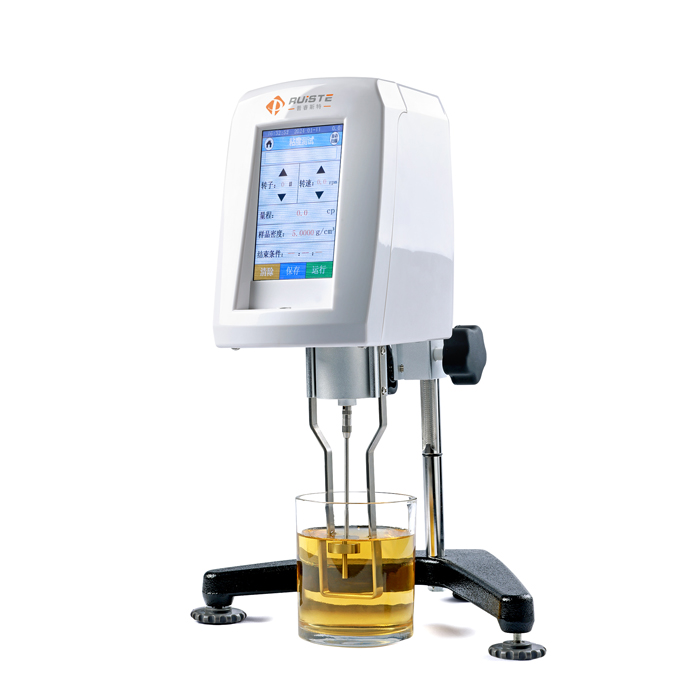
The working logic of laboratory digital viscometers is built on the basic laws of fluid mechanics, following the core principle that the viscous resistance of a fluid is positively correlated with its viscosity under fixed shear conditions. Most conventional laboratory digital viscometers adopt rotational testing structures, which consist of a precision drive module, torque sensing unit, detachable testing spindles, digital data processing system, and display interaction module. During operation, the drive system outputs stable and adjustable rotational power to drive the spindle immersed in the fluid sample to rotate at a constant speed. When the spindle rotates, it is subjected to viscous resistance from the surrounding fluid, and this resistance acts on the torque sensing unit connected to the spindle. The sensor converts the mechanical torque signal generated by resistance into a continuous electrical signal, which is then transmitted to the internal data processing system for filtering, calibration, and algorithm calculation. After eliminating interference signals such as mechanical vibration and minor environmental fluctuations, the system converts the effective torque data into standard viscosity values and presents the results in real time through the digital display interface.
Different from mechanical viscometers that only support single fixed-speed testing, laboratory digital viscometers are designed with multi-speed adjustment functions, which can adapt to the testing needs of diverse fluid samples. Fluids are divided into Newtonian fluids and non-Newtonian fluids according to their flow characteristics. Newtonian fluids maintain stable viscosity values under different shear rates, with their internal friction remaining consistent regardless of changes in rotation speed or stirring intensity, including common aqueous solutions, low-viscosity oils, and dilute solvent liquids. Non-Newtonian fluids exhibit variable viscosity characteristics, where their apparent viscosity changes with adjustments in shear rate, shear time, and ambient temperature, covering most colloidal solutions, emulsions, pastes, and high-viscosity semi-fluid materials used in industrial and laboratory scenarios. The adjustable speed function of digital viscometers allows laboratory personnel to set different shear rates according to sample properties, observe the viscosity change trend of non-Newtonian fluids under dynamic shear conditions, and comprehensively record the rheological characteristics of samples, rather than obtaining a single static viscosity data. This dynamic testing capability enables the equipment to provide more comprehensive data support for in-depth fluid property analysis.
The structural design of laboratory digital viscometers fully considers the accuracy and standardization of laboratory testing. The precision drive motor ensures stable rotation speed output with minor speed fluctuation, avoiding data deviation caused by uneven rotation during testing. The matching testing spindles are designed with different sizes and structural specifications, corresponding to different viscosity testing ranges. Low-viscosity fluid samples require spindles with small contact areas to capture subtle viscous resistance changes, while high-viscosity pasty samples adapt to large-size spindles to generate effective shear signals and ensure the authenticity and validity of test data. The torque sensing unit adopts high-sensitivity induction components, which can capture tiny resistance changes during spindle rotation and convert them into accurate electrical signals, reducing data delay and distortion in the signal transmission process. The built-in data processing program is calibrated based on standard fluid viscosity parameters, which can automatically correct systematic errors generated by mechanical operation and environmental factors, ensuring that each test result maintains high repeatability and stability.
Standardized operation procedures are key to ensuring the accurate output of laboratory digital viscometer test results, and each testing link needs to follow standardized laboratory operation specifications. Before testing, the equipment should be placed on a horizontal stable workbench to avoid data errors caused by equipment tilt. The surface of the spindle and testing container needs to be thoroughly cleaned with a suitable solvent to remove residual samples, dust, and grease from previous tests, preventing impurity interference with the viscous resistance of the current sample. Meanwhile, the ambient temperature of the laboratory and the temperature of the sample itself need to be controlled within a stable range, as fluid viscosity is highly sensitive to temperature changes—most fluids show a gradual decrease in viscosity as temperature rises, and high-viscosity materials experience more significant viscosity fluctuations with temperature variation. For precise experimental testing, it is usually necessary to place the sample in a constant-temperature water bath for temperature balancing to ensure the sample temperature remains consistent during testing.
In the formal testing stage, laboratory personnel need to select a suitable spindle and rotation speed combination according to the pre-judged viscosity range of the sample. Excessively low matching degree between spindle, speed, and sample viscosity will lead to too small or overloaded torque signals, resulting in invalid test data. After installing the spindle and pouring the sample into the standard testing container, the liquid level must reach the calibrated scale line to ensure the spindle is immersed in the sample to the specified depth and maintain a fixed contact state with the fluid. After starting the equipment, it is necessary to wait for the spindle to rotate stably and the data to stabilize before recording the viscosity value. For non-Newtonian fluid samples with thixotropy, multiple groups of tests with different rotation speeds and different shear times are required to record the viscosity change curve, so as to fully analyze the shear thinning or shear thickening characteristics of the sample and the stability of the internal structure of the fluid.
Laboratory digital viscometers are widely applied in multiple professional fields involving fluid material research and quality detection. In the chemical industry, they are used to test the viscosity of coatings, inks, adhesives, and resin materials. The viscosity of these materials directly affects their construction performance, film-forming effect, and bonding strength. By detecting viscosity changes in the material formulation process, researchers can adjust the ratio of raw materials, optimize product formula parameters, and ensure the uniformity and stability of batch products. In the food processing and food research field, the equipment is applied to the detection of dairy products, beverages, sauces, and starch pastes. The viscosity index is closely related to the taste, texture, and storage stability of food products, and stable viscosity parameters can effectively control the sensory quality and shelf life of food.
In the cosmetic and daily chemical industry, digital viscometers test the viscosity of creams, lotions, shampoos, and cleaning solutions. The viscosity of daily chemical products affects their ductility, use feel, and emulsification stability. Reasonable viscosity control can avoid product stratification, precipitation, and poor spreading during use. In the petrochemical field, the equipment is used to detect the viscosity of lubricating oil, hydraulic oil, and crude oil products. Viscosity is an important indicator for evaluating the lubricating performance and fluidity of oil products, providing a basis for judging the service state and applicability of oil products. In pharmaceutical laboratories, digital viscometers detect the viscosity of liquid medicines, ointments, and pharmaceutical solvents, ensuring the uniformity of pharmaceutical preparations and the stability of drug efficacy, and meeting the standardized requirements of pharmaceutical research and production.
In addition to conventional sample testing, laboratory digital viscometers also play an important role in scientific research and experimental data accumulation. In material rheology research, repeated viscosity tests under different temperature, speed, and time conditions can summarize the rheological rules of new fluid materials, providing basic data for the development and performance improvement of new materials. In product quality control experiments, regular viscosity sampling and testing can track the performance changes of materials during storage, analyze the factors causing material performance attenuation, and provide technical support for improving material storage conditions and product durability. Compared with traditional manual testing methods, digital testing equipment can automatically store test data, which is convenient for laboratory personnel to sort, compare, and trace experimental data, improving the standardization and informatization level of laboratory experimental records.
Daily maintenance and standardized maintenance are essential to maintain the long-term stable operation and testing accuracy of laboratory digital viscometers. After each test, the spindle must be cleaned thoroughly in a timely manner. Residual high-viscosity samples attached to the spindle surface will solidify over time, affecting the surface smoothness of the spindle and leading to inaccurate viscous resistance induction in subsequent tests. When cleaning, it is necessary to use a soft tool to wipe gently, avoiding scratching the spindle surface and damaging the structural precision of the testing component. The equipment should be placed in a dry, dust-free, and constant-temperature laboratory environment for long-term storage, avoiding long-term exposure to humid air, corrosive gas, or direct strong light irradiation, so as to prevent aging and damage of internal circuit components and mechanical structures.
Regular equipment calibration is also a key link in laboratory quality management. After long-term operation, the mechanical rotation structure and sensing components of the viscometer may have minor parameter drift due to mechanical wear and component aging. Regular calibration with standard viscosity fluids can correct systematic errors, ensure that the equipment always maintains accurate testing performance, and meet the precision requirements of laboratory scientific research and detection. In the process of use, sudden overload operation, violent vibration, and excessive temperature environment changes should be avoided to prevent damage to the precision sensing unit and drive structure, extending the service life of the equipment.
With the continuous development of laboratory analysis technology, the performance of digital viscometers is also constantly optimized and upgraded. Modern laboratory digital viscometers gradually integrate intelligent data processing functions, realizing automatic speed matching, real-time data curve drawing, and batch test data statistical analysis, which further simplifies the experimental operation process and improves testing efficiency. The optimized structural design reduces the volume of the equipment, improves the stability of mechanical operation, and can adapt to more complex laboratory testing environments and diversified sample testing requirements. As an indispensable basic testing equipment in fluid property analysis, laboratory digital viscometers provide accurate, stable, and repeatable viscosity data for material research, formula optimization, and quality detection in various industries, laying a solid foundation for the standardized development of laboratory testing work and the innovative research and development of fluid materials.
Laboratory Digital Viscometer
https://www.pruiste.com/digital-viscometer.html
Post Date: May 23, 2026
https://www.supplier-manufacturer.com/digital-viscometer/laboratory-digital-viscometer.html

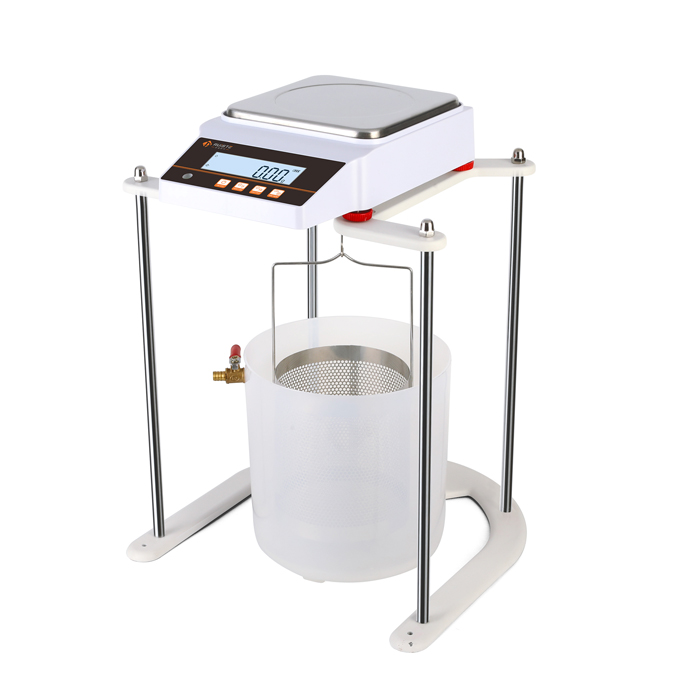
![Hydrostatic Balance JY SERIES]()
Hydrostatic Balance JY SERIES
The entire series of JY balances uses branded sensors to ensure high accuracy and stability of weighing results. This series of precision casting ABS Environmental protect…![Digital Viscometer Exporter]()
Digital Viscometer Exporter
Viscosity stands as one of the most fundamental physical properties of fluid materials, reflecting the internal friction and flow resistance of substances during movement.…![Digital Viscometer For Sale]()
Digital Viscometer For Sale
Viscosity serves as one of the most fundamental physical properties of fluid substances, reflecting the internal friction and flow resistance of liquids during movement. I…![Industrial Digital Viscometer]()
Industrial Digital Viscometer
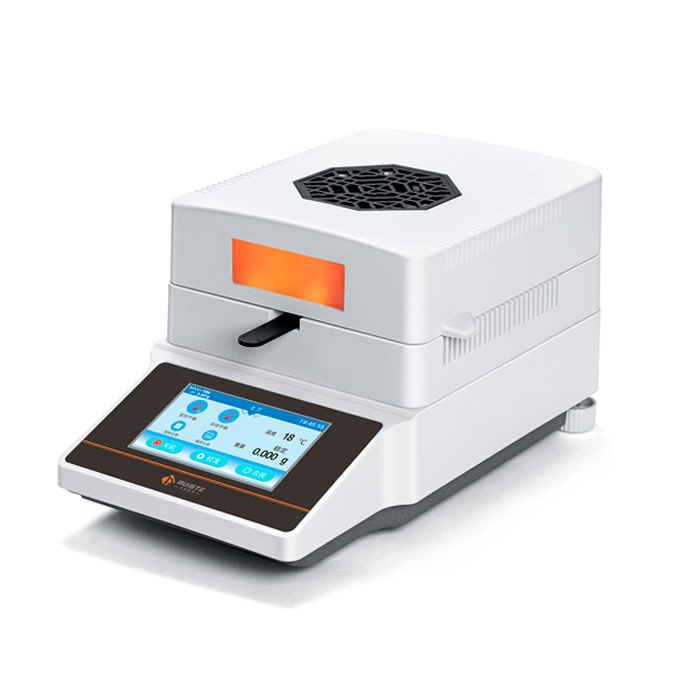
Viscosity stands as one of the most critical physical properties of fluid materials, reflecting the internal frictional resistance that occurs when a fluid undergoes flow …![Gravimetric Moisture Analyzer]()
Gravimetric Moisture Analyzer
Moisture content stands as one of the most critical physical parameters that define the quality, stability, and processing performance of diverse materials across industri…