Portable Digital Viscometer
Viscosity stands as one of the most fundamental physical properties of fluid substances, reflecting the internal friction and flow resistance that occurs when liquids move or deform. For industrial production, scientific research, and daily manufacturing processes, the stable detection and real-time monitoring of fluid viscosity play a vital role in maintaining product consistency, standardizing production procedures, and optimizing material performance. Traditional viscosity testing equipment is mostly designed for fixed laboratory scenarios, featuring bulky structures, complicated operation steps, and long detection cycles, which cannot adapt to the rapid testing needs of on-site production, outdoor sampling, and mobile inspection. In response to the evolving demands of modern industrial and research scenarios, portable digital viscometers have gradually become mainstream testing tools, integrating miniaturized structural design, digital signal processing technology, and intelligent data analysis functions to break the spatial and operational limitations of traditional testing equipment. This type of instrument realizes efficient, convenient, and accurate viscosity measurement in diverse complex scenarios, providing reliable data support for fluid property analysis in multiple industries.
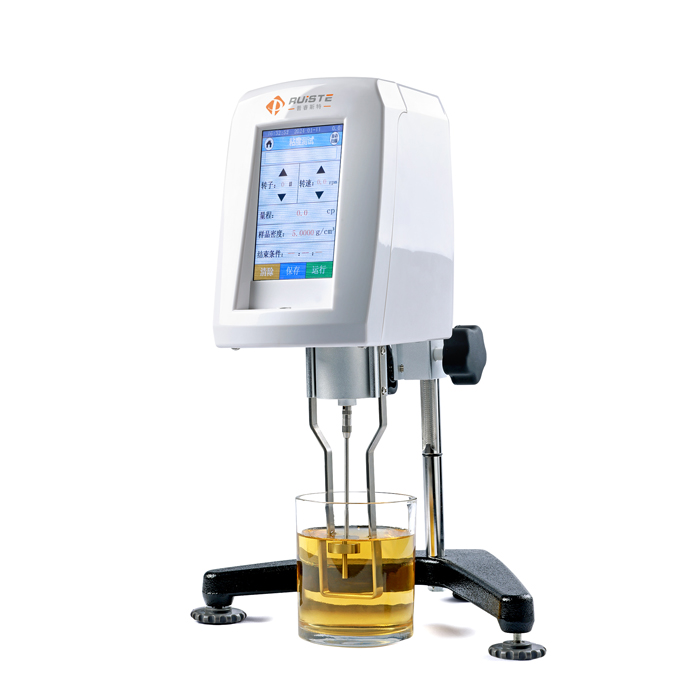
The working mechanism of portable digital viscometers is derived from the classic rotational viscosity measurement principle, optimized and upgraded through modern microelectronic technology to adapt to miniaturized portable design. The core operation logic relies on the stable rotation of a precision rotor immersed in the tested fluid. When the instrument operates, the built-in micro control system drives the rotor to rotate at a constant and stable speed. During the rotation process, the viscous resistance generated by the fluid on the rotor will produce a corresponding torque feedback. The high-sensitivity sensing module inside the instrument captures this torque signal in real time, converts the mechanical signal into a digital electrical signal, and completes data calibration, calculation, and compensation through the embedded program. Finally, the accurate viscosity value of the fluid is presented on the digital display screen. Different from traditional mechanical viscometers that rely on manual observation and pointer reading, the digital processing system effectively avoids reading errors caused by human vision differences and mechanical pointer jitter, improving the stability and repeatability of test results. Most portable digital viscometers support multiple rotation speed gears and matching rotors, which can adjust the shear rate according to the viscosity range of different fluids, realizing effective measurement of both low-viscosity solvents and high-viscosity pasty fluids.
In terms of structural design, portable digital viscometers fully prioritize field usability and portability, abandoning the bulky and fixed structure of laboratory bench-top equipment. The overall body adopts a compact and lightweight integrated design, with a streamlined outer shell that is convenient for handheld holding and mobile carrying. The internal structure is highly integrated, combining a miniature precision drive motor, high-stability torsion sensing unit, temperature detection module, and data processing chip into a small volume, while ensuring the structural stability of the equipment during mobile use. The rotor assembly adopts a quick-installation structure, enabling users to complete assembly and disassembly without complex tools and professional operation steps, which greatly shortens the pre-test preparation time. In addition, the equipment is equipped with a high-definition digital display screen with clear and intuitive data presentation, which can simultaneously display core parameters such as real-time viscosity value, fluid temperature, and running speed. The simple key layout and humanized operation logic allow operators to master the testing process in a short time, reducing the threshold for professional operation. The built-in high-capacity rechargeable power supply supports long-term outdoor battery operation, getting rid of the dependence on fixed power sockets, which is the core advantage for it to adapt to field mobile testing scenarios.
Compared with traditional laboratory viscosity testing methods and mechanical testing equipment, portable digital viscometers have prominent application advantages in efficiency, flexibility, and data practicability. In terms of testing efficiency, the equipment realizes rapid detection, with a single test process completed within a short time, eliminating the tedious steps of sample delivery, laboratory registration, and centralized testing required by traditional methods. It effectively shortens the data feedback cycle and enables staff to adjust production parameters and control product quality in a timely manner. In terms of sample utilization, portable digital viscometers have lower requirements for sample volume, completing accurate measurement with a small amount of fluid samples, which reduces the waste of precious raw material samples and lowers the testing cost of batch sampling inspection. For production enterprises that need frequent sampling and testing, this feature can bring long-term cost optimization effects while meeting daily quality monitoring needs.
In terms of scenario adaptability, the portable design enables the equipment to move freely between laboratories, production workshops, outdoor operation sites, and storage environments. It can complete real-time testing on production lines, raw material incoming inspections, finished product sampling, and outdoor fluid sampling, avoiding data deviation caused by sample transportation, temperature changes, and property changes during the transfer process. Traditional laboratory testing often requires samples to be transported to a fixed testing room, and the physical properties of some temperature-sensitive, volatile, and easily oxidized fluids are prone to change during transportation, resulting in inconsistent test data with the actual production state. Portable digital viscometers perfectly solve this problem by realizing on-site sampling and on-site testing, ensuring that the obtained viscosity data can truly reflect the fluid state in actual production and application scenarios. At the same time, the equipment has good environmental adaptability, with stable operating performance in conventional temperature and humidity environments, and can resist slight vibration and dust interference in workshop environments, adapting to complex on-site production conditions.
Data management and expansion functions are another important feature of modern portable digital viscometers. Different from traditional mechanical equipment that can only read single real-time data, digital viscometers are equipped with intelligent data storage and recording functions, which can automatically store test data, test time, temperature parameters, and equipment operating status after each measurement. The stored data can be sorted and queried according to time and batch, facilitating subsequent data sorting, quality traceability, and experimental analysis. Some optimized models support data export and remote transmission functions, which can synchronize test data to terminal equipment, realizing unified management of batch test data and providing complete data support for enterprise production quality records, experimental research archives, and process optimization analysis. The temperature sensing module equipped with the equipment can monitor the fluid temperature in real time during the testing process. Since the viscosity of most fluids is highly sensitive to temperature changes, the synchronous collection of temperature and viscosity data helps users accurately analyze the fluid viscosity characteristics under different temperature conditions, which is of great significance for formulating standardized production processes and stabilizing product quality.
Portable digital viscometers have been widely applied in multiple industrial and research fields, covering chemical manufacturing, coating and ink production, cosmetic processing, food production, petroleum industry, and material research. In the chemical industry, they are used to detect the viscosity of polymer solutions, emulsions, adhesives, and solvent materials. The viscosity of chemical fluids directly affects the mixing uniformity, reaction efficiency, and product stability of production processes. Real-time on-site detection helps enterprises control the proportion of raw materials and reaction progress, avoiding product performance fluctuations caused by unqualified viscosity. In the coating and ink industry, viscosity is a key indicator affecting coating uniformity, spraying effect, and printing quality. Too high or too low viscosity will lead to product defects such as uneven coating, paint sagging, and blurred printing. Portable digital viscometers can complete frequent sampling tests on the production line, helping workers adjust solvent addition and stirring time in real time to ensure the consistency of batch coating and ink products.
In the daily chemical and cosmetic industry, raw materials such as hand cream, toothpaste, lotion, and gel cosmetics are all typical non-Newtonian fluids with complex viscosity characteristics. The viscosity stability of these products directly determines their texture, usability, and storage stability. On-site testing by portable digital viscometers can monitor the viscosity changes in the emulsification, stirring, and filling stages of production, ensuring that the product texture meets the design standards and avoiding quality problems such as delamination and uneven consistency during product storage. In the food processing industry, the equipment is applied to the viscosity detection of dairy products, beverages, sauces, and syrup materials. Fluid viscosity affects the taste, uniformity, and production filling efficiency of food products. Real-time detection helps enterprises standardize production processes and maintain stable food quality and taste.
In the petroleum and lubricant industry, fluid viscosity is a core indicator for evaluating oil quality and lubrication performance. The viscosity of crude oil, refined oil, and lubricating oil will change with temperature and component differences, which directly affects the fluid transportation efficiency and equipment lubrication effect. Portable digital viscometers can complete on-site detection of oil viscosity in outdoor mining, pipeline transportation, and equipment maintenance scenarios, providing accurate data for oil quality evaluation and equipment operation status judgment. In the field of scientific research and new material development, researchers use portable digital viscometers to conduct rapid viscosity testing of new polymer materials, biological fluids, and environmental water samples. The portable and efficient testing method accelerates the progress of material performance research and experimental data accumulation, providing effective support for the optimization and upgrading of new materials and new processes.
To ensure the stability and accuracy of test results, standardized operation and daily maintenance are essential during the use of portable digital viscometers. Before testing, operators need to select a matching rotor and rotation speed according to the estimated viscosity range of the sample to avoid inaccurate data caused by mismatched parameters. The rotor should be cleaned and kept dry before use to prevent residual impurities from affecting the fluid contact state and test results. During the test, the rotor needs to be vertically and accurately immersed in the sample to the specified liquid level position, keeping the testing environment stable and avoiding external vibration and airflow interference. After the test is completed, the rotor should be cleaned in a timely manner, and the residual sample on the surface should be completely removed to prevent material adhesion and solidification from affecting the sensitivity and service life of the rotor and equipment. In terms of daily maintenance, the equipment should be placed in a dry and clean storage environment to avoid long-term exposure to humid and dusty environments. Regular equipment calibration is required according to the use frequency to ensure the long-term stability of test accuracy. The rechargeable battery should be charged and discharged regularly to maintain battery activity and ensure stable power supply for outdoor use.
With the continuous progress of industrial intelligent manufacturing and testing technology, portable digital viscometers are evolving towards higher precision, stronger intelligence, and wider scenario adaptation. The continuous optimization of sensing technology and algorithm programs further improves the resolution and anti-interference ability of the equipment, enabling it to complete accurate measurement of micro-viscosity changes. The intelligent algorithm can automatically identify fluid characteristics, match optimal testing parameters, and reduce manual operation errors. The continuous miniaturization and lightweight optimization of the structure further improves the portability of the equipment, making it adaptable to more extreme outdoor and narrow operation scenarios. At the same time, the continuous expansion of data intelligent analysis functions enables the equipment to realize real-time comparison of test data, trend analysis, and abnormal data reminder, helping enterprises quickly discover production process problems and realize proactive quality control.
In modern industrial production and scientific research systems, fluid viscosity testing runs through the whole process of raw material inspection, production monitoring, finished product inspection, and experimental research. As a convenient and efficient testing tool, portable digital viscometers make up for the shortcomings of traditional testing equipment in flexibility and timeliness, realizing the transformation of viscosity testing from fixed laboratory testing to full-scene real-time testing. It not only improves the efficiency and convenience of daily testing work, but also provides accurate and timely data support for production process optimization, product quality stability, and new material research and development. With the continuous upgrading of industrial production standards and the increasing demand for refined testing, portable digital viscometers will gain broader application space in more fields, becoming an indispensable basic testing equipment for fluid property research and industrial quality control.
Portable Digital Viscometer
https://www.pruiste.com/digital-viscometer.html
Post Date: May 23, 2026
https://www.supplier-manufacturer.com/digital-viscometer/portable-digital-viscometer.html

![Analytical Precision Balance]()
Analytical Precision Balance
In every modern laboratory setting where quantitative measurement forms the foundational backbone of experimental work, material research, and routine analytical procedure…![What is Digital Viscometer]()
What is Digital Viscometer
In the entire process of modern industrial production, scientific research experiments and quality control, fluid viscosity is a core key indicator for measuring the physi…![Digital Viscometer NDJ SERIES]()
Digital Viscometer NDJ SERIES
NDJ series viscometer has 2 optional keys and touch screen. The whole series balance adopts high precision sensor, microcomputer control and one key fast measurement. The …![Electronic Balance JA SERIES]()
Electronic Balance JA SERIES
The JA series uses high-definition buttons, and the entire series of balances uses Nuosheng sensors and brand sensors to ensure high accuracy and stability of weighing res…![Online Digital Viscometer]()
Online Digital Viscometer
Viscosity stands as one of the most fundamental physical properties of fluid substances, reflecting the internal frictional resistance that occurs when a fluid flows and d…