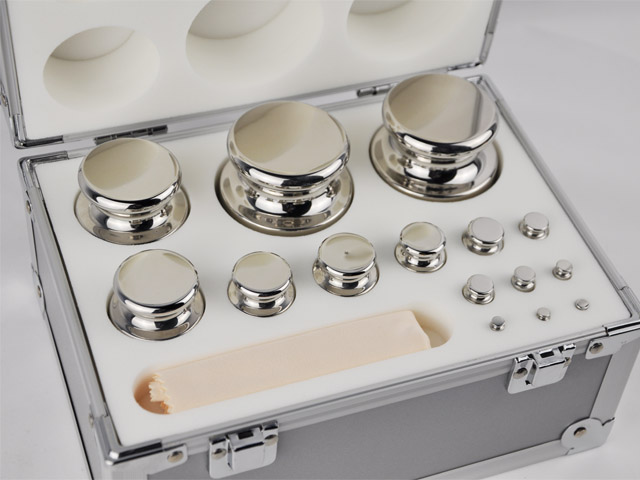
Precision Stainless Steel Laboratory Weight
In every modern laboratory setting where accurate mass measurement forms the foundational backbone of experimental research, material testing, quality verification, and routine analytical work, precision stainless steel laboratory weights stand as indispensable fundamental tools that uphold the integrity and consistency of all weighing-related operations. Mass measurement is one of the most basic and widely applied physical measurement activities across scientific research, industrial production, pharmaceutical development, environmental monitoring, and academic experimental teaching, and the reliability of every weighing result ultimately relies on the stable performance and consistent physical properties of the laboratory weights used for instrument calibration and measurement verification. Unlike ordinary common weights used for rough daily weighing scenarios, precision stainless steel laboratory weights are meticulously engineered and processed to meet the rigorous demands of high-precision weighing environments, where even minor fluctuations in mass, surface condition, or material stability can lead to cumulative deviations in experimental data and subsequent affect the accuracy of entire research conclusions and production quality control processes. The selection of high-quality stainless steel as the core manufacturing material for these professional laboratory weights is not a random choice but a scientific decision based on long-term practical application experience and in-depth material performance research, as this specific metal material combines excellent physical stability, reliable chemical inertness, and durable structural toughness that other common metal materials cannot match, making it perfectly suited for long-term repeated use in complex laboratory atmospheric environments and frequent contact with various experimental samples and laboratory reagents.
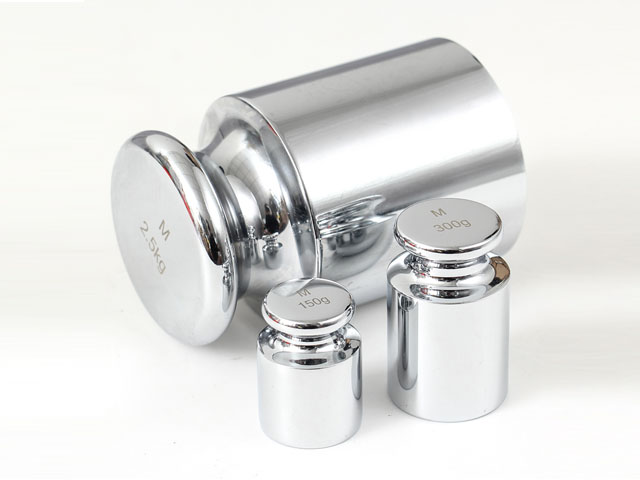
The inherent material characteristics of the stainless steel used for crafting precision laboratory weights lay a solid foundation for their long-term stable working performance and extended service life. This specialized stainless steel material features a refined internal metal structure with uniform density distribution throughout the entire body of each weight, which effectively avoids the internal density inconsistency that often occurs in ordinary cast metal weights. Uniform density is a critical basic attribute for precision laboratory weights, as uneven internal material density can cause subtle mass deviation during long-term placement and regular handling, gradually affecting the effective calibration effect on precision balances and analytical weighing instruments over time. Beyond stable density performance, the stainless steel material boasts outstanding corrosion resistance, a key advantage for laboratory environments where humidity levels fluctuate regularly and trace amounts of acidic, alkaline, or oxidative volatile substances often exist in the air. Many laboratories conduct chemical reaction experiments, sample dissolution tests, and reagent preparation work on a daily basis, and tiny corrosive particles floating in the air can easily adhere to the surface of weighing tools; common iron-based or low-quality metal weights are prone to oxidation, rusting, and surface corrosion under such conditions, which not only changes the surface smoothness of the weights but also directly alters their actual mass and damages measurement consistency. In contrast, the stainless steel used for precision laboratory weights resists oxidation and chemical corrosion effectively, maintaining a complete and stable surface state even after years of placement in conventional laboratory atmospheric conditions and avoiding mass changes caused by external chemical erosion. Additionally, this stainless steel material exhibits low magnetic susceptibility, a valuable property that eliminates the interference of magnetic attraction during the weighing process. High-precision analytical balances and micro-weighing instruments are extremely sensitive to magnetic influences, and weights made from magnetically susceptible materials can generate subtle magnetic interactions with the internal components of weighing equipment, resulting in unstable weighing readings and invisible measurement errors. The low-magnetism design of the stainless steel material ensures that each weight maintains neutral magnetic properties during use, keeping the entire weighing process free from magnetic interference and ensuring every calibration and measurement operation proceeds under stable physical conditions.
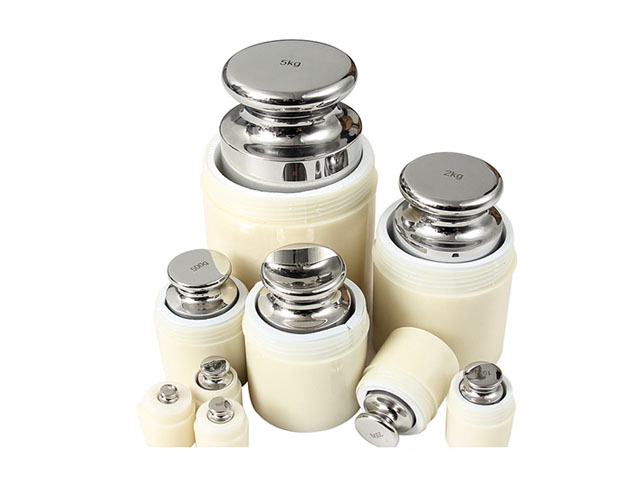
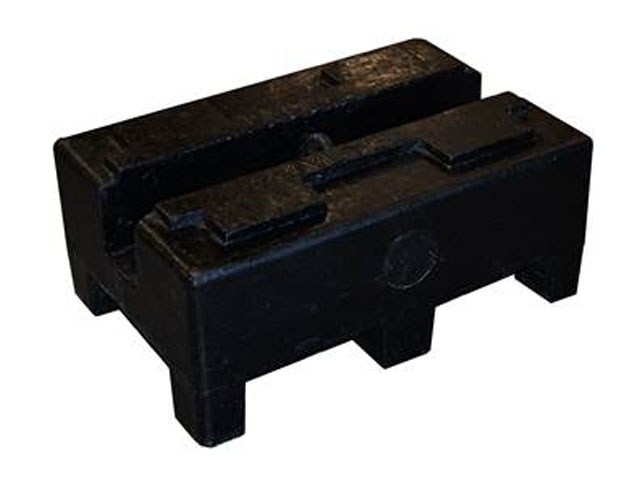
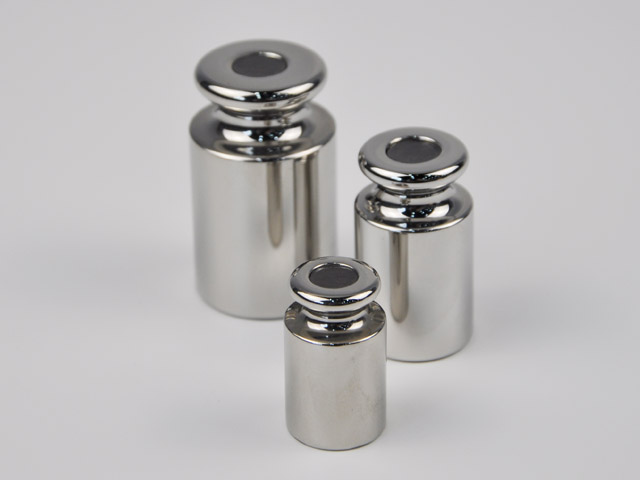
The manufacturing and surface finishing processes of precision stainless steel laboratory weights are carried out under strict production control standards, with every processing step refined to optimize overall performance and practical usability. After initial cutting and integral forming according to standard nominal mass specifications, each weight undergoes multiple stages of fine grinding and precise dimensional trimming to ensure its overall shape, surface flatness, and edge smoothness meet unified processing requirements. The overall structural design of these laboratory weights follows ergonomic and practical storage principles, with mainstream cylindrical and block configurations that fit well with the placement structure of various laboratory balances and weighing instruments. The surface of each weight is polished repeatedly to achieve a smooth and flawless finish without sharp edges, rough burrs, or surface depressions; this fine polishing treatment serves multiple practical purposes beyond improving appearance quality. A smooth polished surface greatly reduces the contact area for external dust, fine particulate matter, and tiny experimental residues to adhere to the weight surface, making daily cleaning and routine maintenance simple and efficient. In laboratory work, fine dust and sample debris can easily settle on the surface of weighing tools during long-term placement and frequent use, and rough weight surfaces are prone to hiding stubborn dirt that is difficult to clean thoroughly. Accumulated dirt on the weight surface will gradually increase the actual mass of the weight and introduce fixed deviations to calibration work, while the smooth polished surface of stainless steel weights allows quick and thorough cleaning with simple soft wiping, effectively keeping the surface clean and avoiding mass changes caused by dirt accumulation. At the same time, the rounded and smooth edge design prevents accidental scratches to laboratory operators during handling and avoids surface wear and chipping caused by frequent collision and friction between weights during daily access and storage, further maintaining the long-term structural integrity and surface stability of each weight.
Precision stainless steel laboratory weights play a core and irreplaceable role in the daily calibration and regular verification of various laboratory weighing instruments. All types of weighing equipment, from high-sensitivity micro-analytical balances used for trace sample weighing to medium-precision top-loading balances for conventional sample preparation and industrial laboratory testing, require regular calibration with standard weights to ensure the accuracy and stability of weighing readings. Weighing instruments will produce subtle mechanical wear and sensor sensitivity attenuation after long-term continuous use, frequent startup and shutdown, and repeated weighing operations; external environmental changes such as temperature differences, air pressure fluctuations, and ground vibration can also cause slight drift in the zero point and measurement baseline of weighing equipment. Without regular calibration with standard precision weights, the weighing data obtained by the instrument will gradually deviate from the true mass value, and this deviation will continue to accumulate with prolonged use, eventually affecting the accuracy of all subsequent experimental testing and sample detection work. Precision stainless steel laboratory weights provide a unified and stable mass reference standard for this calibration work, enabling laboratory staff to regularly check and adjust the operating status of weighing instruments, correct baseline drift and measurement deviation in a timely manner, and ensure that each weighing instrument maintains consistent and accurate measurement performance during daily use. Whether in daily routine laboratory testing, long-term continuous scientific research experiments, or repeated batch sample testing work in industrial quality control laboratories, these standard weights ensure that all mass measurement data has unified reference basis and good repeatability, allowing experimental data obtained at different times, by different operators, and in different testing links to be compared and analyzed effectively.
The application scope of precision stainless steel laboratory weights covers multiple professional fields involving high-precision mass measurement, covering basic scientific research laboratories, pharmaceutical research and development and testing laboratories, environmental monitoring and pollutant detection institutions, food quality inspection laboratories, and industrial product quality control workshops. In chemical and biological scientific research laboratories, researchers often need to accurately weigh trace chemical reagents, biological samples, culture medium raw materials, and experimental standard substances; the accuracy of these sample and reagent weighing directly affects the success rate of chemical reaction experiments, the authenticity of biological culture results, and the validity of experimental data analysis. The use of precision stainless steel laboratory weights to calibrate analytical balances ensures that the weighing of experimental raw materials is accurate and reliable, providing a solid data foundation for exploring chemical reaction laws, studying biological growth characteristics, and verifying scientific research hypotheses. In pharmaceutical laboratories, the preparation of drug raw materials, the testing of finished drug products, and the stability monitoring of pharmaceutical preparations all require strict mass measurement control; subtle differences in the mass of pharmaceutical raw materials may affect the efficacy and safety of final pharmaceutical products, and regular calibration of pharmaceutical weighing equipment with stainless steel precision weights ensures that every link in pharmaceutical research and quality inspection meets consistent measurement requirements, maintaining the stability and safety of pharmaceutical product quality.
In environmental monitoring and food safety testing laboratories, precision mass measurement is crucial for accurate detection of pollutant content and nutritional component ratios. Environmental testing personnel need to weigh water sample pretreatment reagents, soil sample detection materials, and pollutant standard samples accurately to calculate the content of harmful substances in the environment; food safety inspectors need to weigh food samples and detection reagents to determine the content of additives, heavy metals, and nutritional components in food products. The stable performance of precision stainless steel laboratory weights ensures that the weighing links in these testing work are error-free, enabling the final detection results to truly reflect the actual situation of environmental quality and food safety, and providing reliable data support for environmental protection governance and food safety supervision work. In industrial production and product quality control laboratories, many industrial products have strict requirements for raw material proportioning and finished product quality indicators; precise proportioning of production raw materials directly affects the performance and quality stability of industrial products, and regular calibration of production weighing equipment with stainless steel precision weights ensures the consistency of raw material proportioning in batch production, effectively avoiding product quality fluctuations caused by inaccurate weighing and improving the overall quality stability of industrial batch products.
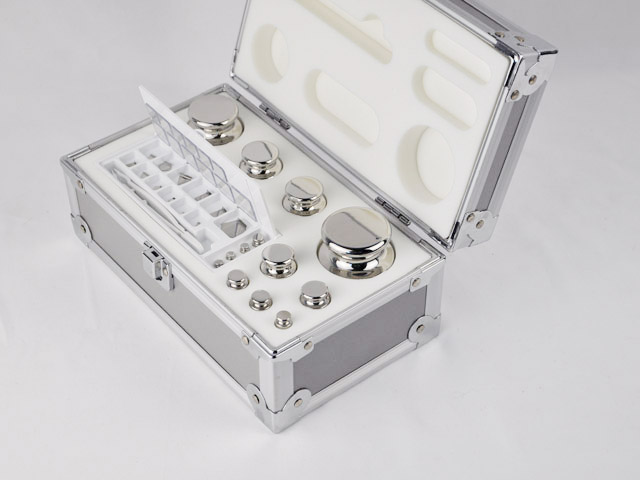
Proper daily maintenance and standardized storage management are essential to maintain the long-term precision performance and extend the service life of precision stainless steel laboratory weights. Although stainless steel materials have good corrosion resistance and structural stability, these precision measuring tools still need careful maintenance to avoid unnecessary human-caused damage and performance attenuation. In daily laboratory work, operators should avoid direct hand contact with the surface of the weights as much as possible; the sweat, oil stains, and fine impurities on human hands will adhere to the weight surface after contact, forming invisible dirt that is not easy to clean in a short time, which will gradually affect the surface cleanliness and actual mass of the weights over time. It is recommended to use special soft tweezers or clean soft gloves to take and place weights during use, ensuring that the weight surface is always kept away from human hand contamination. After each use, the weights should be gently wiped with a clean, soft, lint-free cloth to remove tiny dust and sample residues that may adhere to the surface, and then placed in a dedicated dry storage container for sealed storage. The storage environment for precision stainless steel laboratory weights should be kept dry, clean, and away from direct sunlight, high temperature heat sources, and corrosive reagent placement areas; long-term exposure to high temperature environments will cause subtle thermal expansion and contraction of the weight material, and long-term placement in humid and corrosive environments will still affect the long-term surface state of the weights even with good corrosion resistance.
In addition, collision, dropping, and heavy extrusion of precision stainless steel laboratory weights should be strictly avoided during use and storage; although the stainless steel material has good structural toughness, strong external impact and collision will cause subtle deformation of the weight shape and local surface wear, which will affect the dimensional stability and mass accuracy of the weights. Weights of different nominal mass specifications should be stored separately in the storage container to avoid mutual friction and collision between weights, and regular regular inspection and cleaning should be carried out every certain period of use to check whether the weight surface is worn, deformed, or contaminated, and whether the nominal mass mark on the surface is clear and complete. Through standardized daily use and scientific maintenance management, precision stainless steel laboratory weights can maintain stable precision performance for a long time, avoid frequent performance attenuation caused by improper use and storage, and reduce the frequency of replacement and repeated debugging, providing long-term stable measurement support for laboratory daily work.
Behind every accurate laboratory weighing result and every reliable set of experimental data, there is the silent guarantee provided by precision stainless steel laboratory weights. These seemingly simple and unremarkable laboratory basic measuring tools carry the important responsibility of maintaining mass measurement consistency and ensuring experimental and testing accuracy, and are an indispensable basic part of the entire laboratory measurement system. With the continuous progress of scientific research technology and the continuous improvement of industrial production quality requirements, the requirements for mass measurement accuracy in various laboratory fields are constantly increasing, and the importance of high-performance precision stainless steel laboratory weights is becoming more and more prominent. They not only provide stable calibration standards for various precision weighing instruments but also build a reliable foundation for the authenticity, accuracy, and repeatability of all laboratory measurement work. Adhering to excellent material selection and precise manufacturing technology, cooperating with standardized use and scientific daily maintenance, precision stainless steel laboratory weights can always maintain stable working performance in long-term laboratory application scenarios, continuously meet the high-precision measurement needs of different professional fields, and escort the smooth development of scientific research experiments, quality testing work, and industrial production quality control for a long time.
Precision Stainless Steel Laboratory Weight
https://www.veidtweighing.com/laboratory-weights.html
Post Date: May 4, 2026

![Heavy Duty Stainless Steel Large Industrial Test Weight]()
Heavy Duty Stainless Steel Large Industrial Test Weight
Heavy duty stainless steel large industrial test weights are essential precision components tailored for heavy-load industrial calibration and load testing scenarios, serv…![Standard Weight For Bench Scales]()
Standard Weight For Bench Scales
Bench scales serve as fundamental weighing instruments across industrial production, laboratory testing, commercial transactions, and quality inspection fields, delivering…![Stackable Cast Iron Weight]()
Stackable Cast Iron Weight
Stackable cast iron weights stand as a foundational and versatile tool across industrial, commercial, and residential functional scenarios, earning long-standing popularit…![F1 Class Calibration Weight]()
F1 Class Calibration Weight
Precision mass measurement forms the foundational pillar of modern scientific research, industrial manufacturing, quality control, and material testing, where even minor d…![25kg Oiml Standard Calibration Weight Crane Scale Test]()
25kg Oiml Standard Calibration Weight Crane Scale Test
Industrial weighing operations rely heavily on the stable and consistent performance of crane scales, which undertake weight measurement tasks for suspended loads in manuf…