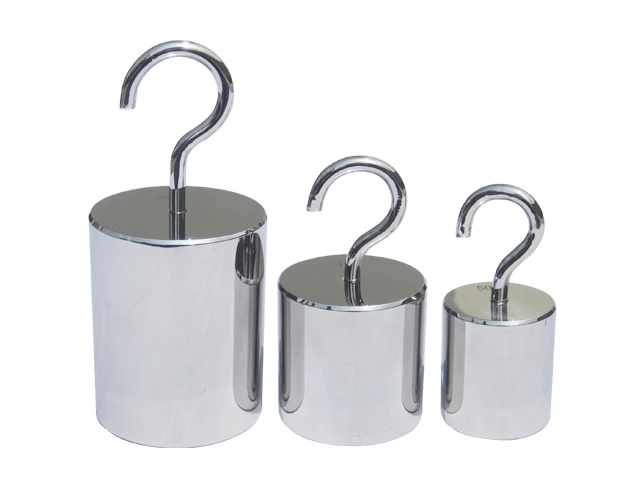
E2 Class Standard Weight
In the intricate and foundational field of modern mass metrology, the maintenance of accurate and consistent weight measurement forms the bedrock of countless industrial production processes, scientific research experiments, pharmaceutical manufacturing workflows, and laboratory analytical operations. Every reliable weighing result obtained from high-precision measuring instruments relies on stable and accurate reference benchmarks, and E2 class standard weight stands as one of the most essential and widely applied mass reference tools in the middle-to-high precision tier of the global metrology system. Unlike ordinary weighing tools used for daily rough measurement or low-precision industrial batching, this type of standard weight is specially designed and manufactured to meet stringent metrological requirements, focusing on maintaining long-term mass stability, minimizing environmental interference impact, and supporting multi-level calibration and verification work across different measurement scenarios. It serves as a critical connecting link between the highest-level mass reference standards and various on-site precision weighing equipment, ensuring that all mass measurement data generated in production, research, and quality control links maintain uniformity, consistency, and credibility across different regions, institutions, and time periods. Without the reliable support of E2 class standard weight, even the most sophisticated high-resolution analytical balances and precision weighing instruments cannot deliver accurate and repeatable measurement results, and the entire metrological traceability system that underpins modern industrial and scientific development will lack a solid and dependable intermediate support foundation.
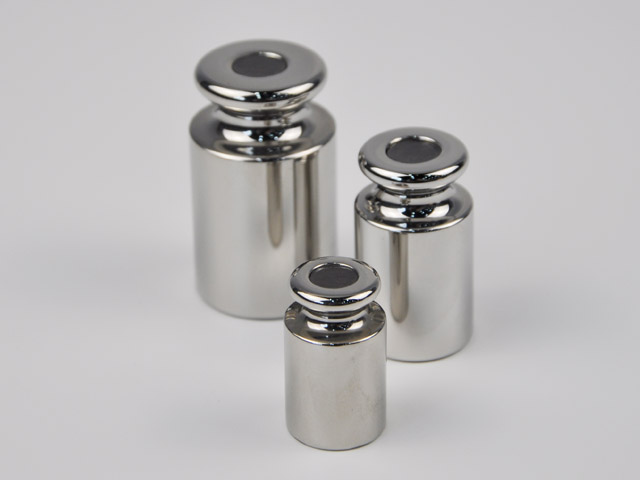
The design and production of E2 class standard weight follow unified and standardized metrological specifications that govern dimensional accuracy, surface finish, material selection, and mass deviation control throughout the entire manufacturing process. The core material chosen for crafting these standard weights is carefully selected for its inherent physical and chemical properties that adapt to complex long-term use and storage environments. Premium stainless steel with excellent anti-corrosion performance, stable density characteristics, and low magnetic susceptibility is the primary material adopted, as this material can effectively resist daily oxidation, moisture erosion, and subtle chemical contact that may occur in laboratory and industrial working environments. Such material properties are vital because any slight corrosion, surface wear, or magnetic adsorption on the surface of a standard weight will directly cause subtle changes in its actual mass value, which in turn leads to deviation in subsequent calibration work and affects the accuracy of all follow-up weighing tests. During the production process, every E2 class standard weight undergoes fine polishing and precise dimensional processing, ensuring a smooth and uniform surface structure that reduces the accumulation of dust, moisture, and tiny particulate matter. Even the overall shape and structural design are optimized scientifically, not only to facilitate stable placement on weighing instruments and measurement comparators but also to minimize the contact area with external surfaces during use and storage, further reducing the risk of surface abrasion and mass change caused by frequent handling and placement. Every processing step is strictly controlled to keep the initial mass deviation within a tiny permissible range, laying a solid physical foundation for its long-term stable use as a precision mass reference.
In the hierarchical system of mass metrology standards, E2 class standard weight occupies a pivotal intermediate position that bridges top-level reference benchmarks and practical application equipment. The highest-tier mass standards are reserved for top-level metrological research institutions, mainly used for the preservation and transmission of core national mass reference values, and are not suitable for frequent movement and daily repeated calibration operations. Lower-level common standard weights are mostly applied in conventional industrial weighing and general commercial measurement scenarios, with relatively loose tolerance requirements and insufficient precision to meet the needs of high-precision laboratory and sophisticated production links. E2 class standard weight perfectly fills the gap between these two tiers, possessing both high enough precision to undertake secondary transmission of top-level mass standard values and good environmental adaptability and durability to support daily frequent calibration, testing, and verification work in various professional scenarios. It can be used for the routine adjustment and periodic verification of class I precision weighing instruments and high-resolution analytical balances, which are widely deployed in core links requiring accurate mass data output. At the same time, it also supports the calibration and value correction of lower-tier standard weights, forming a complete and orderly metrological traceability chain from top-level national mass standards down to on-site actual weighing equipment. This hierarchical transmission mode ensures that every weighing instrument in use, whether in professional scientific research laboratories, pharmaceutical production workshops, or fine chemical processing plants, can be traced back to unified and authoritative mass reference values, avoiding measurement chaos and data inconsistency caused by different reference benchmarks.
Laboratories engaged in analytical testing and scientific research are the most typical and core application scenarios for E2 class standard weight. In chemical analysis, material component testing, and biomedical experimental research, even tiny mass measurement deviations can lead to completely different experimental conclusions and research results. Many advanced analytical experiments require preparing samples and reagents with extremely accurate mass ratios, and the slightest error in the weighing process will affect the chemical reaction progress, material composition analysis data, and subsequent experimental data statistics and result verification. High-precision analytical balances used in these laboratories need regular calibration and daily testing to ensure stable and reliable reading accuracy, and E2 class standard weight is the ideal reference tool for this work. Laboratory metrology personnel will regularly place E2 class standard weights with different nominal values on analytical balances to check the reading response status of the equipment, correct subtle measurement deviations caused by long-term use, environmental temperature changes, and equipment component aging, and ensure that every sample and reagent weighing operation in the laboratory maintains high accuracy and repeatability. In long-term multi-batch comparative experiments and scientific research projects that require data continuity, the stable mass performance of E2 class standard weight also ensures that measurement data in different experimental stages and different test periods maintain consistent reference benchmarks, making research conclusions more credible and experimental data more valuable for follow-up research and academic exchanges.
The pharmaceutical and fine chemical industries also rely heavily on the accurate performance of E2 class standard weight in daily production and quality control management. In pharmaceutical manufacturing, the proportioning of raw medicinal materials, the addition of active pharmaceutical ingredients, and the testing of finished drug content all require ultra-precise mass measurement links. Any inaccuracy in raw material weighing may affect the efficacy and safety of drugs, and unqualified measurement data in finished product testing will fail to guarantee the stable quality of marketed drugs. All precision weighing equipment used in pharmaceutical production workshops and quality inspection laboratories needs regular metrological verification and calibration, and E2 class standard weight provides reliable reference support for these mandatory quality control and metrological management work. Similarly, in the fine chemical industry, the production of high-purity chemical reagents, special synthetic materials, and precision chemical additives has strict requirements on the accuracy of raw material ratio and finished product component detection. Subtle mass changes will affect the chemical properties and application effects of final products. By using E2 class standard weight to calibrate production and testing weighing equipment regularly, chemical enterprises can effectively control measurement risks in the production process, maintain stable product quality, and ensure that each batch of products meets industry production specifications and quality control standards. This standardized metrological management mode supported by E2 class standard weight helps high-precision manufacturing industries maintain stable production quality and reduce product quality fluctuations caused by measurement deviations.
Beyond laboratory and industrial production applications, E2 class standard weight also plays an indispensable role in professional metrological verification institutions and measurement management work. Metrological institutions responsible for regional equipment verification and instrument testing need to conduct periodic performance testing and accuracy calibration for various precision weighing instruments from different enterprises, laboratories, and research institutions. Faced with various types of high-precision weighing equipment put into use in different scenarios, metrological verification personnel need unified and stable reference standards to complete fair and accurate verification work, and E2 class standard weight becomes the core working standard for these verification activities. It can not only complete the accuracy detection and deviation correction of various precision balances and weighing scales but also carry out value transmission and performance testing for other lower-level standard weights, ensuring that the entire regional metrological measurement system operates in a standardized and unified manner. Through the standardized application of E2 class standard weight, metrological management work can effectively unify measurement standards across different industries and different units, avoid measurement disputes and quality assessment differences caused by inconsistent measurement benchmarks, and provide solid metrological guarantee for fair market operation and standardized industrial production management.
Although E2 class standard weight is manufactured with high-strength and high-stability materials and undergoes precise processing and strict quality control in the production stage, long-term stable maintenance of its accuracy performance still depends on scientific and standardized daily use and professional storage management. Proper operation and maintenance habits can effectively extend the service life of the standard weight, keep its mass value stable for a long time, and avoid frequent mass deviation caused by human operation negligence or improper storage environment. In daily use, personnel need to avoid direct hand contact with the surface of E2 class standard weight, as the sweat, grease, and tiny impurities on human hands will adhere to the weight surface, causing subtle mass changes and even local corrosion of the surface material over time. It is necessary to use special non-contact handling tools to take and place the standard weight, and avoid collision, friction, and drop during the handling process, preventing surface wear and structural deformation that affect mass accuracy. The storage environment for E2 class standard weight also needs to be kept dry, clean, constant in temperature, and free from strong magnetic interference and corrosive gas erosion. Excessive humidity will cause surface moisture condensation and oxidation, drastic temperature changes will lead to slight expansion and contraction of the weight material and affect structural stability, and strong magnetic fields will cause magnetic adsorption on the weight surface, interfering with subsequent weighing calibration accuracy.
Regular professional re-calibration is also an essential part of maintaining the long-term performance of E2 class standard weight. Even with the most careful use and storage, long-term placement and repeated use will bring tiny unavoidable mass changes to the standard weight. Regular professional re-calibration by metrological professionals can detect subtle mass deviations in a timely manner, make accurate adjustment and correction, and ensure that the mass value of each E2 class standard weight is always within the permissible metrological deviation range. This regular maintenance and re-calibration mechanism not only guarantees the continuous and reliable performance of the standard weight itself but also ensures the accuracy and effectiveness of all calibration and verification work based on it, forming a virtuous cycle of metrological value transmission and performance maintenance. Many enterprises and laboratories have formulated targeted use and maintenance management systems for E2 class standard weight, arranging special personnel to be responsible for daily management, use records, and regular maintenance work, which effectively guarantees the long-term stable play of its metrological role and avoids measurement errors and economic losses caused by neglected maintenance.
Looking at the overall development of modern precision metrology and high-end manufacturing industry, the importance of E2 class standard weight is always reflected in its silent and solid basic supporting role. It does not directly appear in final industrial products or scientific research achievements, but all accurate measurement data and reliable quality control work are inseparable from its support and guarantee. With the continuous progress of industrial manufacturing technology and scientific research level, the requirements for mass measurement accuracy in various fields are constantly improving, and the application scope and use frequency of E2 class standard weight are also expanding day by day. From cutting-edge scientific research experiments to people's livelihood-related pharmaceutical production, from fine chemical manufacturing to professional metrological verification management, E2 class standard weight always maintains stable and reliable performance, undertakes the important task of mass value transmission and measurement accuracy guarantee, and lays a solid and reliable metrological foundation for the steady development of various industries and the continuous innovation of scientific research. In the future, as metrological technology continues to iterate and upgrade, the manufacturing process and performance indicators of E2 class standard weight will also be continuously optimized, and its core status as an indispensable basic precision metrological tool will remain unchanged, continuing to provide accurate and consistent mass reference support for all fields that rely on precision weighing measurement.In the intricate and foundational field of modern mass metrology, the maintenance of accurate and consistent weight measurement forms the bedrock of countless industrial production processes, scientific research experiments, pharmaceutical manufacturing workflows, and laboratory analytical operations. Every reliable weighing result obtained from high-precision measuring instruments relies on stable and accurate reference benchmarks, and E2 class standard weight stands as one of the most essential and widely applied mass reference tools in the middle-to-high precision tier of the global metrology system. Unlike ordinary weighing tools used for daily rough measurement or low-precision industrial batching, this type of standard weight is specially designed and manufactured to meet stringent metrological requirements, focusing on maintaining long-term mass stability, minimizing environmental interference impact, and supporting multi-level calibration and verification work across different measurement scenarios. It serves as a critical connecting link between the highest-level mass reference standards and various on-site precision weighing equipment, ensuring that all mass measurement data generated in production, research, and quality control links maintain uniformity, consistency, and credibility across different regions, institutions, and time periods. Without the reliable support of E2 class standard weight, even the most sophisticated high-resolution analytical balances and precision weighing instruments cannot deliver accurate and repeatable measurement results, and the entire metrological traceability system that underpins modern industrial and scientific development will lack a solid and dependable intermediate support foundation.
The design and production of E2 class standard weight follow unified and standardized metrological specifications that govern dimensional accuracy, surface finish, material selection, and mass deviation control throughout the entire manufacturing process. The core material chosen for crafting these standard weights is carefully selected for its inherent physical and chemical properties that adapt to complex long-term use and storage environments. Premium stainless steel with excellent anti-corrosion performance, stable density characteristics, and low magnetic susceptibility is the primary material adopted, as this material can effectively resist daily oxidation, moisture erosion, and subtle chemical contact that may occur in laboratory and industrial working environments. Such material properties are vital because any slight corrosion, surface wear, or magnetic adsorption on the surface of a standard weight will directly cause subtle changes in its actual mass value, which in turn leads to deviation in subsequent calibration work and affects the accuracy of all follow-up weighing tests. During the production process, every E2 class standard weight undergoes fine polishing and precise dimensional processing, ensuring a smooth and uniform surface structure that reduces the accumulation of dust, moisture, and tiny particulate matter. Even the overall shape and structural design are optimized scientifically, not only to facilitate stable placement on weighing instruments and measurement comparators but also to minimize the contact area with external surfaces during use and storage, further reducing the risk of surface abrasion and mass change caused by frequent handling and placement. Every processing step is strictly controlled to keep the initial mass deviation within a tiny permissible range, laying a solid physical foundation for its long-term stable use as a precision mass reference.
In the hierarchical system of mass metrology standards, E2 class standard weight occupies a pivotal intermediate position that bridges top-level reference benchmarks and practical application equipment. The highest-tier mass standards are reserved for top-level metrological research institutions, mainly used for the preservation and transmission of core national mass reference values, and are not suitable for frequent movement and daily repeated calibration operations. Lower-level common standard weights are mostly applied in conventional industrial weighing and general commercial measurement scenarios, with relatively loose tolerance requirements and insufficient precision to meet the needs of high-precision laboratory and sophisticated production links. E2 class standard weight perfectly fills the gap between these two tiers, possessing both high enough precision to undertake secondary transmission of top-level mass standard values and good environmental adaptability and durability to support daily frequent calibration, testing, and verification work in various professional scenarios. It can be used for the routine adjustment and periodic verification of class I precision weighing instruments and high-resolution analytical balances, which are widely deployed in core links requiring accurate mass data output. At the same time, it also supports the calibration and value correction of lower-tier standard weights, forming a complete and orderly metrological traceability chain from top-level national mass standards down to on-site actual weighing equipment. This hierarchical transmission mode ensures that every weighing instrument in use, whether in professional scientific research laboratories, pharmaceutical production workshops, or fine chemical processing plants, can be traced back to unified and authoritative mass reference values, avoiding measurement chaos and data inconsistency caused by different reference benchmarks.
Laboratories engaged in analytical testing and scientific research are the most typical and core application scenarios for E2 class standard weight. In chemical analysis, material component testing, and biomedical experimental research, even tiny mass measurement deviations can lead to completely different experimental conclusions and research results. Many advanced analytical experiments require preparing samples and reagents with extremely accurate mass ratios, and the slightest error in the weighing process will affect the chemical reaction progress, material composition analysis data, and subsequent experimental data statistics and result verification. High-precision analytical balances used in these laboratories need regular calibration and daily testing to ensure stable and reliable reading accuracy, and E2 class standard weight is the ideal reference tool for this work. Laboratory metrology personnel will regularly place E2 class standard weights with different nominal values on analytical balances to check the reading response status of the equipment, correct subtle measurement deviations caused by long-term use, environmental temperature changes, and equipment component aging, and ensure that every sample and reagent weighing operation in the laboratory maintains high accuracy and repeatability. In long-term multi-batch comparative experiments and scientific research projects that require data continuity, the stable mass performance of E2 class standard weight also ensures that measurement data in different experimental stages and different test periods maintain consistent reference benchmarks, making research conclusions more credible and experimental data more valuable for follow-up research and academic exchanges.
The pharmaceutical and fine chemical industries also rely heavily on the accurate performance of E2 class standard weight in daily production and quality control management. In pharmaceutical manufacturing, the proportioning of raw medicinal materials, the addition of active pharmaceutical ingredients, and the testing of finished drug content all require ultra-precise mass measurement links. Any inaccuracy in raw material weighing may affect the efficacy and safety of drugs, and unqualified measurement data in finished product testing will fail to guarantee the stable quality of marketed drugs. All precision weighing equipment used in pharmaceutical production workshops and quality inspection laboratories needs regular metrological verification and calibration, and E2 class standard weight provides reliable reference support for these mandatory quality control and metrological management work. Similarly, in the fine chemical industry, the production of high-purity chemical reagents, special synthetic materials, and precision chemical additives has strict requirements on the accuracy of raw material ratio and finished product component detection. Subtle mass changes will affect the chemical properties and application effects of final products. By using E2 class standard weight to calibrate production and testing weighing equipment regularly, chemical enterprises can effectively control measurement risks in the production process, maintain stable product quality, and ensure that each batch of products meets industry production specifications and quality control standards. This standardized metrological management mode supported by E2 class standard weight helps high-precision manufacturing industries maintain stable production quality and reduce product quality fluctuations caused by measurement deviations.
Beyond laboratory and industrial production applications, E2 class standard weight also plays an indispensable role in professional metrological verification institutions and measurement management work. Metrological institutions responsible for regional equipment verification and instrument testing need to conduct periodic performance testing and accuracy calibration for various precision weighing instruments from different enterprises, laboratories, and research institutions. Faced with various types of high-precision weighing equipment put into use in different scenarios, metrological verification personnel need unified and stable reference standards to complete fair and accurate verification work, and E2 class standard weight becomes the core working standard for these verification activities. It can not only complete the accuracy detection and deviation correction of various precision balances and weighing scales but also carry out value transmission and performance testing for other lower-level standard weights, ensuring that the entire regional metrological measurement system operates in a standardized and unified manner. Through the standardized application of E2 class standard weight, metrological management work can effectively unify measurement standards across different industries and different units, avoid measurement disputes and quality assessment differences caused by inconsistent measurement benchmarks, and provide solid metrological guarantee for fair market operation and standardized industrial production management.
Although E2 class standard weight is manufactured with high-strength and high-stability materials and undergoes precise processing and strict quality control in the production stage, long-term stable maintenance of its accuracy performance still depends on scientific and standardized daily use and professional storage management. Proper operation and maintenance habits can effectively extend the service life of the standard weight, keep its mass value stable for a long time, and avoid frequent mass deviation caused by human operation negligence or improper storage environment. In daily use, personnel need to avoid direct hand contact with the surface of E2 class standard weight, as the sweat, grease, and tiny impurities on human hands will adhere to the weight surface, causing subtle mass changes and even local corrosion of the surface material over time. It is necessary to use special non-contact handling tools to take and place the standard weight, and avoid collision, friction, and drop during the handling process, preventing surface wear and structural deformation that affect mass accuracy. The storage environment for E2 class standard weight also needs to be kept dry, clean, constant in temperature, and free from strong magnetic interference and corrosive gas erosion. Excessive humidity will cause surface moisture condensation and oxidation, drastic temperature changes will lead to slight expansion and contraction of the weight material and affect structural stability, and strong magnetic fields will cause magnetic adsorption on the weight surface, interfering with subsequent weighing calibration accuracy.
Regular professional re-calibration is also an essential part of maintaining the long-term performance of E2 class standard weight. Even with the most careful use and storage, long-term placement and repeated use will bring tiny unavoidable mass changes to the standard weight. Regular professional re-calibration by metrological professionals can detect subtle mass deviations in a timely manner, make accurate adjustment and correction, and ensure that the mass value of each E2 class standard weight is always within the permissible metrological deviation range. This regular maintenance and re-calibration mechanism not only guarantees the continuous and reliable performance of the standard weight itself but also ensures the accuracy and effectiveness of all calibration and verification work based on it, forming a virtuous cycle of metrological value transmission and performance maintenance. Many enterprises and laboratories have formulated targeted use and maintenance management systems for E2 class standard weight, arranging special personnel to be responsible for daily management, use records, and regular maintenance work, which effectively guarantees the long-term stable play of its metrological role and avoids measurement errors and economic losses caused by neglected maintenance.
Looking at the overall development of modern precision metrology and high-end manufacturing industry, the importance of E2 class standard weight is always reflected in its silent and solid basic supporting role. It does not directly appear in final industrial products or scientific research achievements, but all accurate measurement data and reliable quality control work are inseparable from its support and guarantee. With the continuous progress of industrial manufacturing technology and scientific research level, the requirements for mass measurement accuracy in various fields are constantly improving, and the application scope and use frequency of E2 class standard weight are also expanding day by day. From cutting-edge scientific research experiments to people's livelihood-related pharmaceutical production, from fine chemical manufacturing to professional metrological verification management, E2 class standard weight always maintains stable and reliable performance, undertakes the important task of mass value transmission and measurement accuracy guarantee, and lays a solid and reliable metrological foundation for the steady development of various industries and the continuous innovation of scientific research. In the future, as metrological technology continues to iterate and upgrade, the manufacturing process and performance indicators of E2 class standard weight will also be continuously optimized, and its core status as an indispensable basic precision metrological tool will remain unchanged, continuing to provide accurate and consistent mass reference support for all fields that rely on precision weighing measurement.
E2 Class Standard Weight
https://www.veidtweighing.com/standard-weights.html
Post Date: May 3, 2026
https://www.supplier-manufacturer.com/standard-weight/e2-class-standard-weight.html

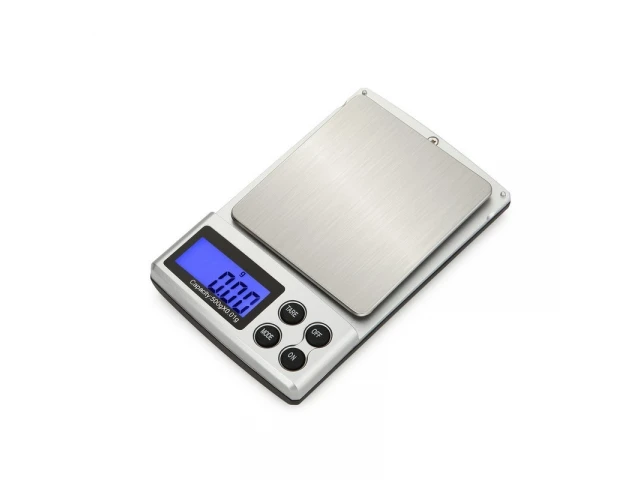
![Pocket Scales]()
Pocket Scales
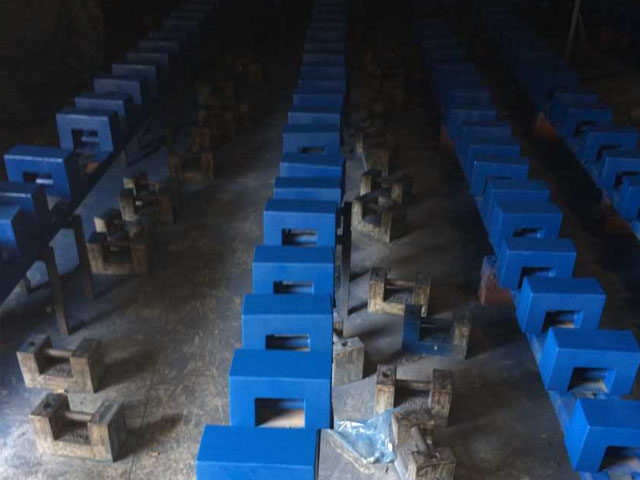
In an era where portability and precision have become essential elements of modern life, compact weighing devices have emerged as practical tools that bridge the gap betwe…![Painted Cast Iron Weight]()
Painted Cast Iron Weight
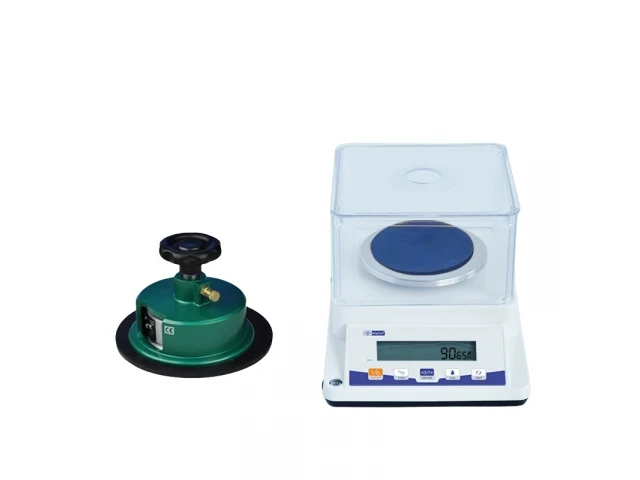
Painted cast iron weight stands as a fundamental and reliable physical object deeply integrated into industrial production, daily operational debugging, mechanical balanci…![Textile Balances]()
Textile Balances
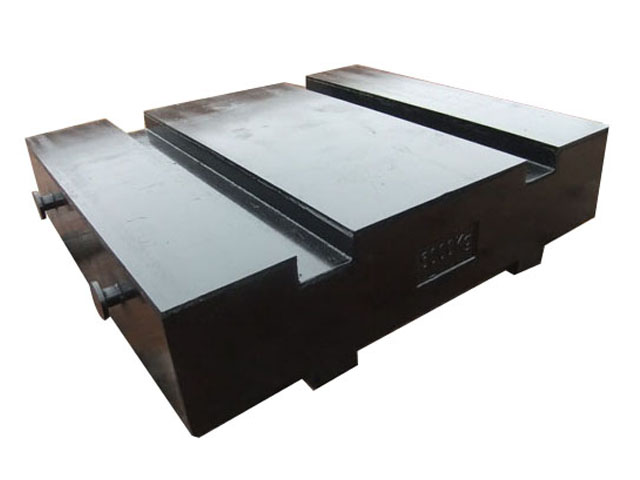
Textile balance stands as one of the most fundamental and profound concepts within the entire textile industry, weaving through every stage of fiber processing, fabric for…![Cast Iron Weight For Weighing]()
Cast Iron Weight For Weighing
Cast iron weight for weighing stands as one of the most fundamental and time-tested measuring essentials across all kinds of weighing and metering work, serving as a stead…![Slot Hook Weights]()
Slot Hook Weights
Slot hook weights are essential load-bearing and calibration accessories widely used in industrial production, mechanical debugging, physical testing, and daily rigging op…