Square Standard Weight
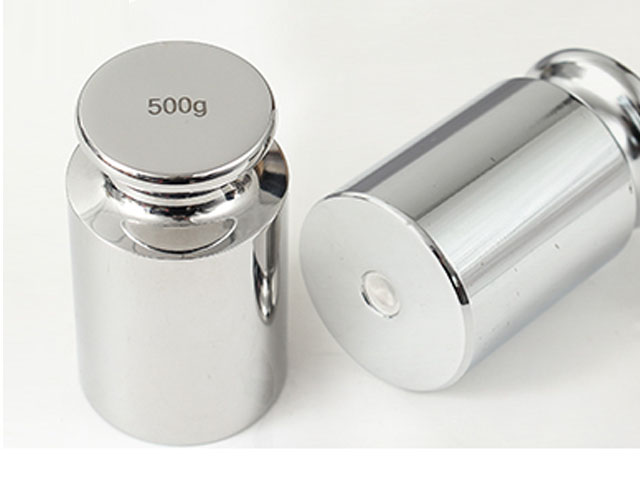
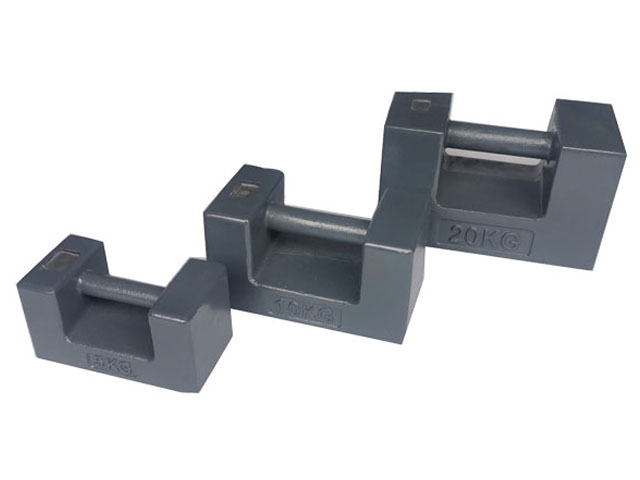
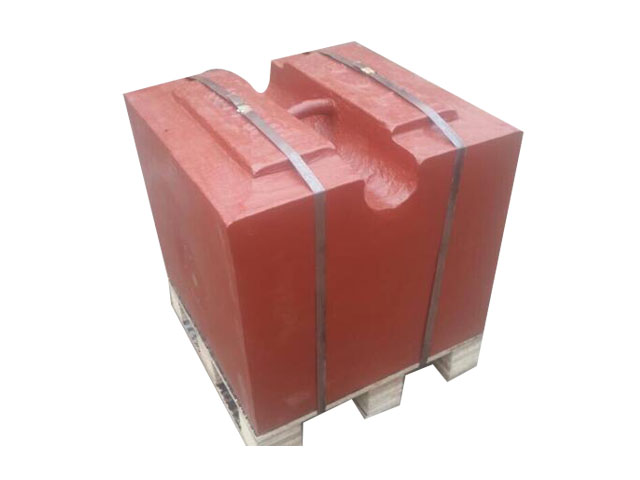
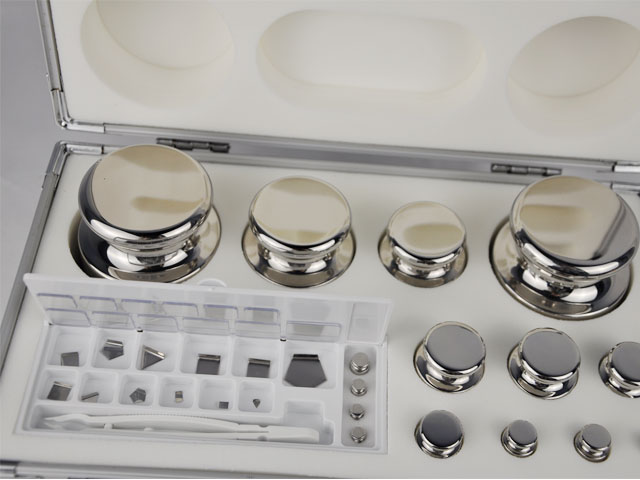
Square standard weight serves as a fundamental measuring and balancing component widely adopted in industrial production, physical training, experimental testing, and daily precision measurement scenarios. Its unique square structural design and unified weight calibration standards distinguish it from irregular and round weight bodies, delivering stable performance, convenient operation, and consistent measurement effects in long-term use. Unlike traditional weight designs that prioritize simple mass bearing, square standard weight integrates structural rationality and numerical standardization, forming a mature weight calibration system that adapts to diverse modern application demands. The core value of this type of weight lies in its ability to unify mass reference standards in different scenarios, eliminate measurement deviations caused by structural differences, and provide reliable data support for standardized operation in various industries and daily practice.
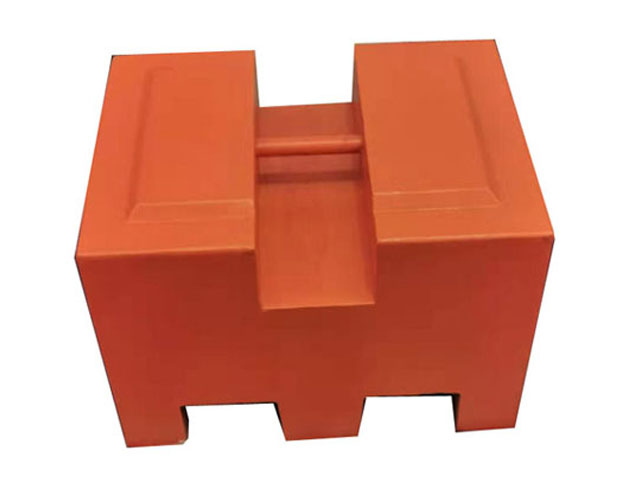
The structural characteristics of square standard weight lay a solid foundation for its wide applicability. The regular square outline enables every side of the weight body to maintain uniform stress and contact area, avoiding the tilting and rolling problems that frequently occur with circular weight bodies during placement and stacking. This structural stability ensures that the mass load acts vertically and evenly on the bearing surface during measurement and balancing processes, effectively reducing systematic errors generated by unstable placement. In addition, the flat and neat surface of square weight bodies allows for close stacking and orderly arrangement, optimizing space utilization in storage and transportation. When multiple weight units need to be combined for use, the square structure can achieve seamless fitting between adjacent weight bodies, preventing lateral displacement and superposition deviations, and ensuring the accuracy of combined mass values. This inherent structural advantage makes square standard weight more suitable for high-frequency, high-precision superposition measurement scenarios compared with other shaped weights.
The formulation of square standard weight specifications follows unified mass calibration logic, which takes material density, structural volume, and environmental adaptation as core reference factors. In the production process, the mass of each square weight unit is calculated and corrected based on standardized volume parameters and material density indicators, ensuring that the actual mass of each finished product stays within a reasonable error range of the standard value. The volume design of square weight bodies follows fixed dimensional proportions, with side lengths and thicknesses matched in a standardized manner according to different mass grades. This standardized dimensional matching not only facilitates batch production and size classification but also simplifies the matching and combination logic of different weight units in practical use. Users can complete mass adjustment through simple superposition of square weight units, realizing flexible switching of different mass ranges, which greatly improves the convenience of precision measurement and load balancing work.
Material selection is a key factor determining the performance and service life of square standard weight. Most qualified square standard weights are made of high-density, stable physical property materials, which can resist the influence of conventional environmental changes on mass stability. High-quality metal materials are commonly used for manufacturing, featuring uniform internal texture, low porosity, and stable density, which can maintain consistent mass status for a long time. Some composite materials with good weather resistance and density uniformity are also applied in specific scenarios, meeting the lightweight and anti-corrosion use demands of special environments. In the production process, the material surface will undergo fine processing to reduce surface roughness, avoid dust and moisture adhesion caused by uneven textures, and reduce mass changes induced by external attachments. At the same time, the internal structure of the weight body is compact and uniform, without hollow gaps or uneven density distribution, ensuring that the center of mass of the square weight body is located at the geometric center, further improving the stability and accuracy of measurement and balancing work.
Square standard weight plays an indispensable role in industrial manufacturing and engineering testing. In mechanical processing and equipment debugging, it is used for load testing and balance calibration of mechanical equipment, helping staff detect the load-bearing capacity and operating stability of equipment components. Many mechanical parts and finished products need to undergo static load and dynamic load tests with standard weights to verify whether their structural performance meets design requirements. The stable structure and accurate mass of square standard weight ensure the authenticity and repeatability of test data, providing effective basis for product quality inspection and performance optimization. In construction and metal processing industries, square standard weight is often used for theoretical weight verification of square profiles, bar materials, and structural components. By comparing the actual mass of materials with the standard mass calculated by square volume parameters, staff can judge the uniformity of material specifications and the rationality of production processes, ensuring the consistency of engineering material quality.
In the field of experimental testing and precision measurement, square standard weight provides a unified mass reference benchmark for daily calibration of measuring instruments. Various weighing devices, from small household measuring tools to large industrial weighing equipment, need regular calibration with standard weights to eliminate measurement errors caused by long-term use and mechanical wear. The standardized characteristics of square standard weight make it a universal calibration tool, which can adapt to different types of weighing equipment and maintain the uniformity of measurement standards in different use scenarios. In physical experiments and scientific research projects, accurate mass data is the premise of reliable experimental results. Square standard weight can provide stable and accurate mass variables for experimental operation, ensuring that experimental data is not affected by weight structure deviation or mass instability, and improving the scientificity and accuracy of experimental research.
Physical exercise and fitness training are also common application scenarios of square standard weight. In daily strength training, square weight bodies are used as auxiliary load-bearing equipment for muscle strength exercise and physical quality improvement. Its compact structure and stable placement effect avoid safety risks such as sliding and tipping during exercise, bringing stable load experience for trainers. Different mass grades of square standard weight can meet the progressive training needs of different groups, from basic strength adaptation for beginners to high-intensity strength enhancement for professional trainers. Moreover, the standardized mass setting enables trainers to accurately grasp the training load, formulate scientific training plans according to their physical conditions, and avoid excessive load or insufficient training volume caused by unclear mass parameters. The stackable feature of square weights also facilitates flexible adjustment of training load, making daily fitness training more standardized and efficient.
Environmental adaptability and daily maintenance are crucial to maintaining the long-term performance of square standard weight. Although high-quality square standard weight materials have good stability, long-term exposure to humid, dusty, or corrosive environments will still affect their surface state and mass accuracy. Daily maintenance work mainly includes regular surface cleaning, environmental storage management, and periodic mass inspection. Cleaning can remove surface dust, stains, and moisture attachments to prevent surface oxidation and material corrosion. Storing square standard weights in a dry, ventilated, and stable temperature environment can reduce the impact of temperature and humidity changes on material density and structural stability. Regular mass detection and error correction can timely find subtle mass changes caused by long-term use, ensuring that the weight always maintains standard mass parameters and meets the requirements of high-precision use scenarios.
With the continuous development of modern industrial technology and precision measurement standards, the production process and performance parameters of square standard weight are also constantly optimized and upgraded. Traditional production processes are gradually replaced by fine processing technologies, which further improve the dimensional accuracy and mass uniformity of square weight bodies. The continuous innovation of material technology also enhances the environmental adaptability and durability of square standard weight, enabling it to maintain stable performance in high temperature, low temperature, and high humidity special working environments. At the same time, the specification system of square standard weight is becoming more and more complete, with more detailed mass grade division and dimensional parameter settings, which can meet the personalized use needs of different industries and different precision scenarios.
The popularization and application of square standard weight essentially reflect the standardized development trend of modern measurement and load balancing work. In all links involving mass measurement, load test, and gravity balance, standardized weight tools are the core guarantee of data consistency and work accuracy. Compared with custom irregular weights, square standard weight has unified production standards, stable performance, strong versatility, and convenient management, which can effectively reduce measurement errors caused by tool differences and improve the overall standardization level of industry work. Whether in industrial production, scientific research experiments, or daily life and fitness scenarios, square standard weight provides basic and reliable support for standardized operation with its unique structural advantages and standardized mass attributes.
In practical application, the correct selection and use of square standard weight are also important links to ensure measurement accuracy. Users need to select weight units of corresponding mass grades according to actual use needs and scenario precision requirements, avoiding the use of ultra-range weights that may cause measurement errors or equipment damage. Before use, it is necessary to check the surface integrity and placement stability of the weight body to ensure no foreign matter attachment, structural deformation, or surface damage. During superposition use, the fitting tightness between square weight bodies should be guaranteed to avoid lateral gaps and displacement affecting the accuracy of combined mass. After use, timely cleaning and standardized storage can effectively extend the service life of the weight and maintain its long-term measurement stability. Standardized use and maintenance habits can maximize the performance advantages of square standard weight and ensure the reliability of each measurement and balancing work.
Looking at the overall application value of square standard weight, its importance lies not only in the realization of basic mass measurement functions but also in the promotion of standardized and precise development of various industries. As a basic standardized component, it connects different measurement links and application scenarios, unifies scattered mass reference standards, and provides a stable technical foundation for industrial production, scientific research, and daily life. With the continuous improvement of social production precision requirements and the continuous expansion of application scenarios, square standard weight will continue to optimize in structure, material, and specification, adapt to more high-precision and special working environments, and maintain its important position in the field of standard measurement and load balancing for a long time. Its stable performance, standardized parameters, and versatile application characteristics will always make it an indispensable basic tool in modern social production and life.
Square Standard Weight
https://www.veidtweighing.com/standard-weights.html
Post Date: Jun 7, 2026
https://www.supplier-manufacturer.com/standard-weight/square-standard-weight.html

![Calibration Weight Manufacturer]()
Calibration Weight Manufacturer
In the modern industrial and scientific measurement ecosystem, accurate mass measurement stands as the most fundamental and indispensable foundation for all production, re…![10kg Test Weight]()
10kg Test Weight
In the intricate and interconnected framework of modern industrial production, commercial trade, scientific laboratory research, and daily public service operations, the c…![M2 Class Test Weight]()
M2 Class Test Weight
In the complex and interconnected system of modern industrial production, commercial circulation and daily operational measurement management, standardized mass measuremen…![Precision Standard Weight]()
Precision Standard Weight
In every corner of modern production, scientific research, commercial circulation, and daily quality supervision, the consistency and credibility of numerical measurement …![Industrial Test Weight]()
Industrial Test Weight
In the complex and interconnected landscape of modern industrial production, material circulation, and mechanical operation, accurate weight measurement stands as one of t…