Standard Weight For Digital Scales
Digital scales have become indispensable precision measuring tools across civilian, commercial, industrial, and scientific research fields, valued for their high sensitivity, intuitive readouts, and stable operational performance. Unlike traditional mechanical scales that rely on lever balance principles, digital scales convert gravity signals into electronic data through internal sensors, circuit systems, and signal processing modules, delivering fast and accurate weighing results. However, the long-term accuracy and reliability of digital scale measurements cannot be maintained by the device itself alone. Standard weights, as the core metrological standard for digital scale calibration and verification, play an irreplaceable foundational role in unifying weighing standards, eliminating systematic errors, and ensuring traceable measurement data. Every precise reading from a digital scale is essentially a comparison result between the measured object and the standardized mass of standard weights, making the scientific selection, correct use, and standardized maintenance of standard weights the key premise for valid digital scale measurement work.
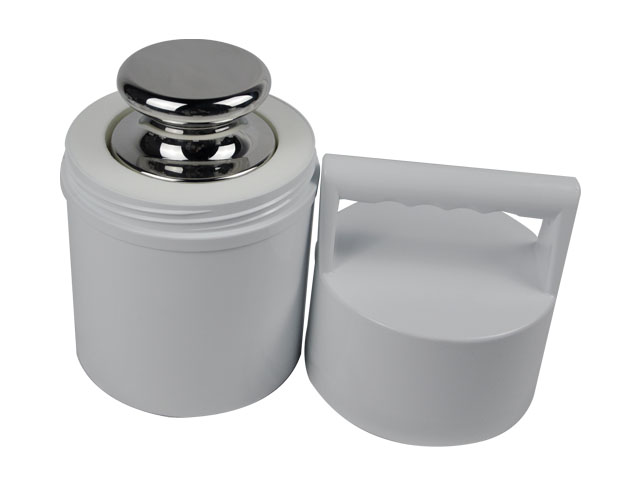
The essential value of standard weights for digital scales stems from the basic attributes of metrology, which requires all measurement results to be traceable to international unified mass standards. The global mass measurement system has undergone rigorous iterative updates, abandoning the physical international prototype kilogram and adopting a fixed fundamental physical constant definition, which further raises the precision requirements for standard weight manufacturing and application. As physical carriers of standardized mass values, standard weights are manufactured through ultra-precision processing and strict metrological testing, with extremely low mass deviation and stable physical properties. For digital scales, which are susceptible to external interference and component aging, standard weights provide a fixed, reliable reference benchmark. In daily use, digital scales will gradually produce measurement deviations due to multiple factors: long-term vibration and extrusion during use, aging and drift of internal pressure sensors and circuit components, changes in ambient temperature, humidity, and air pressure, as well as dust accumulation and slight structural deformation. These subtle changes cannot be identified by naked-eye observation or daily weighing, but regular calibration with qualified standard weights can accurately capture tiny errors and complete parameter correction, ensuring that the scale always maintains qualified measurement accuracy within the specified tolerance range.
Standard weights for digital scales follow unified international and national metrological classification standards, with grading systems directly corresponding to the precision level of applicable digital scales. The mainstream classification systems include the OIML standard formulated by the International Organization of Legal Metrology and the ASTM standard widely used in North American regions. Under the OIML system, standard weights are divided into multiple precision grades ranging from high-precision laboratory grades to general industrial and commercial grades, each with clear specifications for maximum permissible error, surface quality, material stability, and environmental adaptability. High-grade standard weights feature ultra-tiny mass tolerance, smooth and corrosion-resistant surfaces, and excellent anti-oxidation and anti-wear properties, suitable for calibrating high-precision analytical digital scales used in laboratories, pharmaceutical research, and precision ingredient testing. Medium and low-grade standard weights are designed for ordinary commercial weighing, industrial batching, and household digital scales, with reasonable error ranges that fully meet the accuracy requirements of daily and conventional industrial measurement scenarios. Each grade of standard weight has a fixed applicable load range, and mismatching the weight grade with the scale precision will lead to ineffective calibration: using low-precision standard weights to calibrate high-precision digital scales cannot eliminate subtle measurement errors, while using ultra-high-precision weights for ordinary scales causes unnecessary resource waste and cannot further improve measurement accuracy.
The selection of standard weights for digital scale calibration follows strict scientific principles, with core reference factors including the scale’s maximum weighing capacity, scale division value, and accuracy grade. Professional metrological specifications clearly stipulate the minimum calibration load requirements for different grades of digital scales. For high-precision analytical scales with extremely small scale division values, the recommended minimum calibration load is relatively large to avoid the influence of micro-environmental interference on calibration results; for medium-precision commercial and industrial scales, the calibration load can be appropriately adjusted according to the mid-range and full-range weighing characteristics of the scale. In actual operation, the most standardized calibration method is to select multiple standard weights of different specifications for segmented verification, covering the low-load, medium-load, and full-load stages of the digital scale’s weighing range. Low-load calibration detects the sensitivity and zero-point stability of the scale, effectively solving the problem of inaccurate weighing of light objects caused by zero drift; medium-load calibration verifies the linearity of the scale’s sensor response, ensuring stable and consistent measurement results in the conventional weighing interval used most frequently in daily work; full-load calibration checks the structural stability and load-bearing performance of the scale under maximum load, avoiding measurement deviation caused by structural deformation or sensor saturation during heavy-load weighing. Single-specification weight calibration can only verify local accuracy, while segmented calibration with multi-specification standard weights can comprehensively evaluate the overall performance of the digital scale.
Material selection is a critical factor determining the quality and service life of standard weights for digital scales, and high-quality materials are the foundation of long-term stable mass accuracy. Premium standard weights are mostly made of high-purity stainless steel alloy, which has outstanding advantages such as high density, uniform texture, strong corrosion resistance, and good oxidation resistance. This material can effectively resist the erosion of humid air, chemical dust, and trace corrosive substances in the working environment, avoiding mass changes caused by surface oxidation, rust, or corrosion. In addition, stainless steel has high hardness and strong wear resistance, and its surface will not produce obvious abrasion or mass loss after long-term handling and use, maintaining long-term mass stability. Some low-grade standard weights adopt cast iron or ordinary steel materials with surface anti-rust coating, which are low in cost but poor in stability. They are prone to rust, peeling coating, and surface wear in humid or complex environments, leading to gradual changes in actual mass and failure to meet long-term calibration accuracy requirements. Therefore, in precision measurement scenarios, stainless steel standard weights are always the primary choice, while cast iron weights are only suitable for low-accuracy industrial weighing verification with low frequency of use and low environmental requirements.
Standardized use and scientific maintenance of standard weights are essential to maintain their metrological performance and ensure the accuracy of digital scale calibration results. In terms of use specifications, operators must first ensure that the standard weights are clean and dry before calibration, removing surface dust, oil stains, and water stains with clean soft tools, because tiny attachments on the weight surface will directly change the actual mass and cause calibration errors. During the calibration process, standard weights should be placed gently and flatly on the center of the digital scale’s weighing pan, avoiding collision, sliding, and tilting placement. Collision will cause internal structural damage or surface deformation of the weight, and eccentric placement will trigger the scale’s eccentric load error, both of which will affect the authenticity of calibration data. It is also forbidden to touch the surface of standard weights directly with hands, as sweat, grease, and fine impurities on human skin will adhere to the weight surface, causing subtle mass changes and even local corrosion over time. Professional operators usually use clean tweezers or non-slip soft gloves to take and place standard weights to isolate human contact interference.
Daily maintenance and regular verification of standard weights cannot be ignored, as they determine the long-term reliability of calibration work. Standard weights should be stored in a dry, clean, constant-temperature professional storage box, placed in a stable indoor environment away from direct sunlight, high temperature, humidity, and corrosive gases. Long-term exposure to variable temperature and humidity environments will cause subtle thermal expansion and contraction of the weight material, and accelerated aging of surface protection performance, affecting mass stability. In addition to daily storage protection, standard weights must undergo regular metrological verification by professional institutions in accordance with national metrological regulations. Even high-precision standard weights with stable performance will produce tiny mass changes after long-term use, and regular verification can timely detect and eliminate unqualified weights, ensuring that each calibration reference standard is traceable and accurate. The verification cycle is determined according to the weight grade and use frequency: high-precision laboratory standard weights require annual verification, while medium and low-grade industrial and commercial weights can adopt a biennial verification cycle for conventional use scenarios. Once standard weights exceed the error range specified by the grade or have surface damage, deformation, and corrosion, they must be immediately withdrawn from use and replaced to prevent continuous generation of inaccurate measurement data.
The matching use of standard weights and digital scales is also crucial for error control in the entire measurement system. In actual calibration work, environmental factors need to be comprehensively controlled while selecting qualified standard weights. Air buoyancy is a common interference factor in precision weighing, and high-precision calibration scenarios need to calculate and correct air buoyancy errors according to ambient air density, making the calibration results more accurate. For portable digital scales and household electronic scales used in mobile scenarios, environmental vibration and horizontal placement will also affect calibration effects. Therefore, calibration must be carried out on a stable horizontal countertop, eliminating the influence of tilt and vibration on sensor signal acquisition. In addition, digital scales need to be preheated and zeroed before calibration to ensure that the internal circuit and sensor are in a stable working state, avoiding zero-point drift and unstable signal output from affecting the matching effect of standard weight calibration.
The popularization and standardized application of standard weights for digital scales are of great significance to the standardized development of the entire measurement industry and the quality control of various industries. In the food processing, pharmaceutical manufacturing, and chemical production industries, accurate digital scale weighing data is directly related to product formula accuracy, product quality stability, and production safety. Uncalibrated digital scales with inaccurate readings will lead to inaccurate ingredient ratios, resulting in unqualified product quality and even potential safety hazards in chemical and pharmaceutical production. In commercial trading scenarios, standardized calibration of digital scales with qualified standard weights ensures fair and accurate trading measurement, effectively avoiding measurement disputes caused by inaccurate weighing equipment and maintaining the fairness of market trading order. In scientific research and experimental teaching fields, traceable and accurate weighing data is the basic guarantee for experimental repeatability and data authenticity, and standard weights provide a solid standard foundation for scientific research data accumulation and academic research innovation.
With the continuous improvement of metrological precision requirements and the iterative upgrading of digital scale technology, the manufacturing process and application standards of standard weights are also constantly optimized and improved. Modern precision standard weights adopt ultra-fine polishing technology and strict quality control systems in the production process, with more accurate mass control and more stable physical and chemical properties. At the same time, the industry’s requirements for standardized calibration operations are becoming more standardized, promoting the formation of a complete closed-loop management system including weight selection, standardized use, daily maintenance, and regular verification. For all users of digital scales, establishing a correct understanding of standard weights and mastering scientific calibration and maintenance methods is not only a basic requirement for standardized operation but also a key measure to ensure long-term stable and accurate equipment performance, reduce measurement errors, and improve work quality and efficiency. In the field of modern precision measurement, standard weights, as the invisible benchmark of digital weighing, will always underpin the accuracy, fairness, and professionalism of all weighing work.
Standard Weight For Digital Scales
https://www.veidtweighing.com/standard-weights.html
Post Date: Jul 25, 2026
https://www.supplier-manufacturer.com/standard-weight/standard-weight-for-digital-scales.html

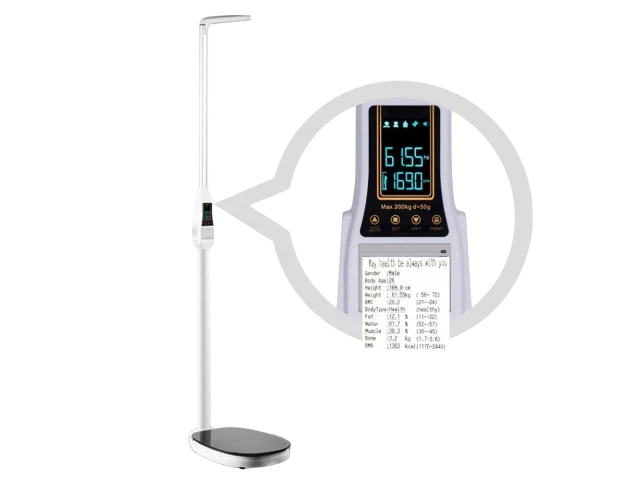
![Height Weight Scales]()
Height Weight Scales
In modern daily life and public health management, the height weight scale stands as a fundamental and indispensable measuring device, serving as a basic tool for people t…![Cast Iron Weight Vender In China]()
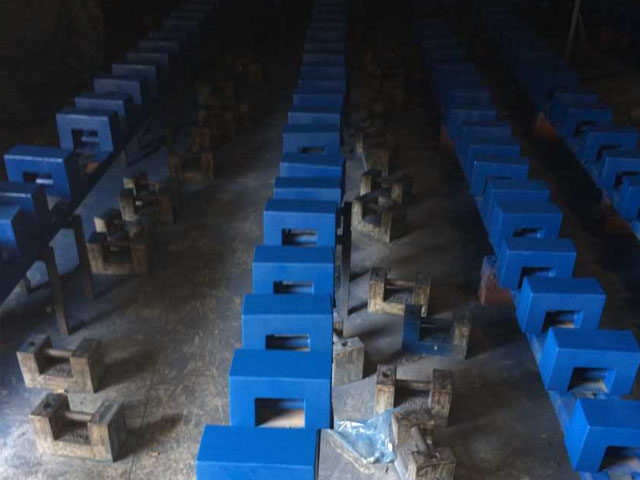
Cast Iron Weight Vender In China
The cast iron weight sector stands as a fundamental and indispensable segment within China’s broader casting and metal manufacturing landscape, serving as a core supporti…![Spoon Scales]()
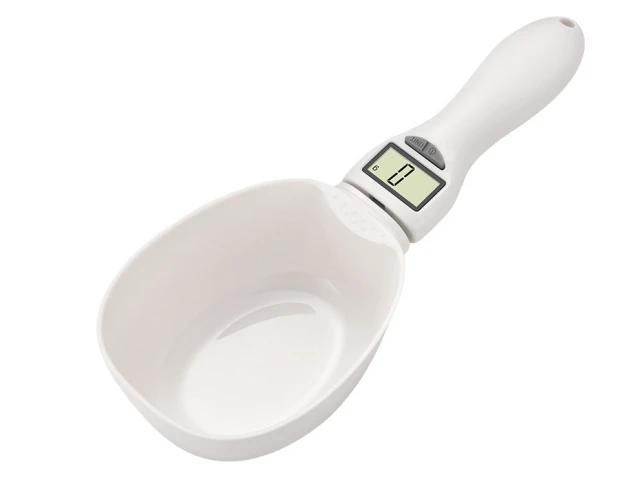
Spoon Scales
In daily cooking, baking, and ingredient preparation, the accuracy of ingredient measurement often determines the final quality of food and beverage. Many people rely on t…![Cast Iron Weight With Handle]()
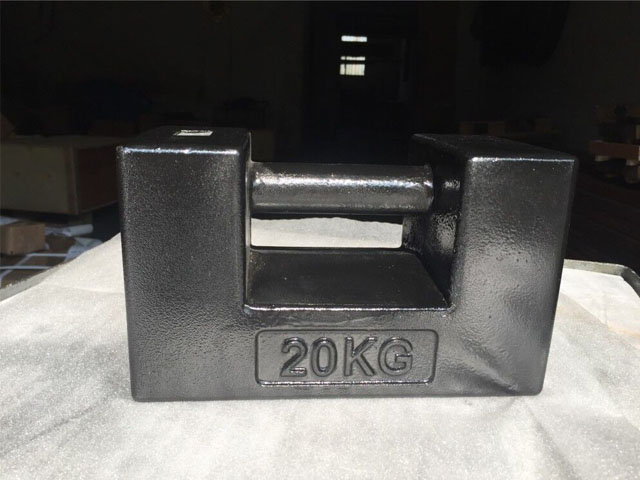
Cast Iron Weight With Handle
Cast iron weight with handle stands as a fundamental and reliable tool widely adopted across industrial production, commercial operation, daily maintenance work and variou…![Moisture Analyzers]()
Moisture Analyzers
Moisture content stands as one of the most critical physical attributes of solid, liquid, and granular materials across diverse industrial and research fields. Subtle vari…