Height Weight Scales
In modern daily life and public health management, the height weight scale stands as a fundamental and indispensable measuring device, serving as a basic tool for people to understand physical conditions and track health changes. Different from single-function measuring equipment, this integrated device combines height detection and weight measurement in one compact structure, realizing synchronous or independent detection of two core physical indicators that reflect human growth status and physical condition. It has gradually moved beyond professional medical and fitness scenarios, becoming a common health auxiliary device in families, schools, communities, and various public service spaces, providing reliable data support for daily health monitoring of people of all age groups.
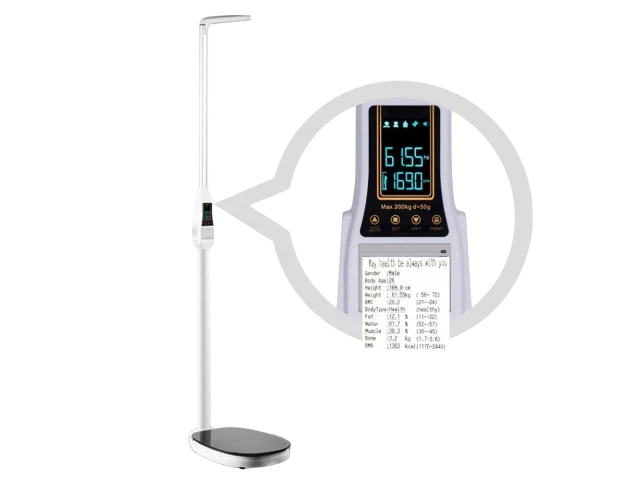
The basic design and working principle of the height weight scale are derived from mature physical measurement technologies, which ensure stable and consistent measurement effects in long-term use. For the weight measurement module, the core relies on high-sensitivity induction components that can perceive subtle pressure changes generated by the human body standing on the bearing platform. When the human body stands steadily on the scale’s flat bearing surface, the internal induction structure converts pressure signals into readable digital signals, which are then processed and calculated by the internal operation system to form accurate weight data. This induction mode effectively avoids the data deviation caused by manual reading errors in traditional mechanical measuring tools and maintains stable detection performance under conventional use environments.
In terms of height measurement, modern height weight scales adopt two mainstream detection modes, including mechanical telescopic induction and non-contact ultrasonic detection. The mechanical structure is equipped with a stable vertical support rod and a horizontal measuring probe. By adjusting the probe to fit the top of the user’s head, the scale can capture height data through the scale calibration on the support rod and internal induction recognition. The ultrasonic detection mode realizes non-contact measurement through sound wave induction technology. The device emits and receives ultrasonic signals, calculates the vertical distance from the equipment sensing end to the top of the user’s head through signal transmission and feedback time difference, and completes height measurement automatically. Both modes can adapt to the height measurement needs of adults, teenagers and children, and maintain stable detection accuracy in daily use scenarios.
With the continuous upgrading of public health awareness, the functions of traditional height weight scales have been continuously enriched, breaking through the single data output mode of simply displaying height and weight values. Most of the mainstream devices currently on the market are equipped with automatic calculation functions for body mass index. The system can automatically calculate the corresponding BMI value according to the user’s real-time height and weight data after each measurement, providing a intuitive reference basis for judging physical body state. BMI, as a universal basic health evaluation standard in the public health field, can reflect the balance between human body weight and height, helping users preliminarily judge whether their physical condition is in a reasonable range, and providing basic data for subsequent diet adjustment and exercise planning.
In addition to basic data measurement and index calculation, many updated height weight scale models have added intelligent data management functions, which greatly improves the practical value of the device in long-term health monitoring. These devices can record each measurement data automatically, form continuous personal health data archives, and track the dynamic changes of users’ height and weight over weeks, months or even years. For users who need long-term physical condition monitoring, this continuous data recording function can clearly show the growth changes of adolescents, the weight fluctuation of adults, and the physical state changes of the elderly, avoiding the omission and confusion of manual recording data.
The data interconnection function further optimizes the user experience of the height weight scale. Through wireless signal connection technology, the measured height, weight and corresponding index data can be synchronously transmitted to mobile intelligent terminals and health management platforms. Users can view historical measurement records, data change curves and trend analysis results at any time on mobile devices, and systematically grasp their physical state changes. This convenient data transmission and viewing mode makes daily health monitoring no longer limited to single instantaneous data reading, but forms a systematic and continuous health tracking system, helping users establish long-term healthy living habits.
The application scenarios of height weight scales cover multiple fields closely related to public health, showing strong practicality and universality. In school scenarios, regular height and weight detection for students is an important part of adolescent growth and development monitoring. Schools are equipped with such measuring devices to regularly detect the physical development data of students of all grades, track the growth rate and physical development status of teenagers, and provide data support for teachers and parents to adjust students’ diet, exercise and rest arrangements. For growing teenagers, regular height and weight measurement can timely find the problems of slow growth or abnormal weight change, so as to intervene and adjust in advance.
In professional medical and health institutions, height weight scales are the basic supporting equipment for physical examination and patient condition monitoring. Height and weight data are important basic indicators for doctors to evaluate patients’ physical conditions, formulate diagnosis and treatment plans, and judge physical metabolism levels. In physical examination projects of all age groups, height and weight measurement is the first basic link, and the accurate data obtained is the premise for subsequent physical index evaluation, disease screening and health risk assessment. For patients with chronic diseases, postoperative recovery groups and people with physical metabolism disorders, regular height and weight monitoring can help medical staff track physical changes and adjust rehabilitation and treatment plans in a targeted manner.
In community health service and public fitness spaces, height weight scales provide convenient self-service health detection conditions for residents. Public welfare measuring equipment placed in community activity centers, fitness venues and public service halls allows residents to complete physical data detection independently at any time without professional operation guidance, realizing daily self-health monitoring. This convenient detection mode enables more people to pay attention to their physical state, enhance daily health management awareness, and lay a foundation for preventing sub-health problems caused by long-term unbalanced diet and insufficient exercise.
Family scenarios are the most widely used scenarios for civilian height weight scales. With the improvement of family health management awareness, more families are equipped with small and easy-to-store height weight measuring devices, realizing regular physical detection for all family members. For children at the growth stage, family regular measurement can track growth changes in real time, grasp the growth cycle rules, and provide basis for supplementing nutrition and arranging outdoor sports. For adults in working state, long-term weight tracking can effectively monitor the physical changes caused by sedentary work, irregular diet and high pressure life, and remind individuals to adjust their living habits in time. For the elderly, regular physical data detection can help family members pay attention to physical changes and prevent health risks caused by sudden weight loss or gain.
To obtain stable and accurate measurement data, standardized use methods and daily maintenance of the height weight scale are essential, and reasonable operation habits can effectively extend the service life of the equipment and ensure data stability. First of all, the placement environment of the equipment has a direct impact on the measurement effect. The scale needs to be placed on a hard, flat and stable ground, avoiding soft ground such as carpets and spongy cushions. Soft ground will buffer the pressure induction of the equipment and interfere with ultrasonic signal transmission, resulting in inaccurate measurement data. Keeping the placement position fixed for a long time can also reduce the data deviation caused by repeated movement of the equipment.
Standard standing posture and body state during measurement are also key factors to ensure data accuracy. Users need to keep their feet clean and dry, stand steadily on the center of the scale’s bearing platform with their weight evenly distributed on both feet, keep their body upright, head flat and eyes looking straight ahead, and avoid shaking, tiptoeing or leaning during measurement. When measuring height, the body should be kept close to the vertical measuring structure, and the hair on the top of the head should be kept flat to avoid affecting the fitting of the measuring probe or the transmission of ultrasonic signals. It is recommended to complete the measurement in a fixed time period every day, such as on an empty stomach in the morning, to avoid data fluctuation caused by food intake, water drinking and physical activity differences, so as to ensure the comparability of long-term measured data.
Daily maintenance and maintenance work can effectively maintain the working performance of the height weight scale. In daily use, keep the equipment surface clean and dry, wipe the dust and stains on the bearing platform and measuring structure regularly, and avoid liquid infiltration and long-term damp environment to prevent internal circuit and induction components from being affected with damp. For mechanical measuring structures, regular inspection of the flexibility of the telescopic rod and the measuring probe can ensure the smooth operation of the mechanical structure and avoid jamming affecting the measurement effect. For intelligent models with wireless connection functions, keep the system running normally, update the matching program in time, and ensure the stable synchronization of data transmission and recording.
Understanding the data changes brought by height and weight measurement and forming scientific health cognition is the core value of using height weight scales. A single height and weight data can only reflect the instantaneous physical state, while continuous data changes can reflect the dynamic balance of human metabolism, nutritional intake and physical exercise. Slow weight growth in teenagers may indicate insufficient nutritional intake or lack of exercise, while excessive weight fluctuation in adults may be related to irregular work and rest and unbalanced diet. By recording and analyzing these data changes, users can formulate more scientific diet plans, exercise rhythms and work and rest rules, and gradually adjust their physical state to a balanced and healthy level.
It is worth noting that height weight scale data is a basic health reference index, not a single standard for judging physical health. Human body state is affected by age, gender, physical constitution, muscle content and many other factors, so the evaluation of personal health needs to combine multiple dimensional indicators and personal physical characteristics. Muscle-rich groups may have higher weight data but better physical fitness, while some people with standard weight may have problems of insufficient exercise and unbalanced nutrition. Therefore, users should view the measured data rationally, take it as a basic reference for health management, and avoid excessive obsession with single data values.
With the continuous development of health technology and the continuous improvement of public health needs, the functional design and user experience of height weight scales are also constantly optimized. The equipment is developing towards miniaturization, intelligence and humanization. The simplified operation process enables all age groups to use it independently, the optimized induction technology further improves the stability of measurement data, and the diversified data analysis functions provide more comprehensive reference for personal health management. As a basic health measuring device that is close to people’s life, the height weight scale will continue to play an important role in public health monitoring, family health management and adolescent growth tracking, helping more people establish positive health management awareness and form healthy living habits through daily trivial data monitoring.
https://www.veidtweighing.com/HouseholdScale/HeightWeightScale
Post Date: Jun 7, 2026
https://www.supplier-manufacturer.com/weight-balance-scale/height-weight-scales.html

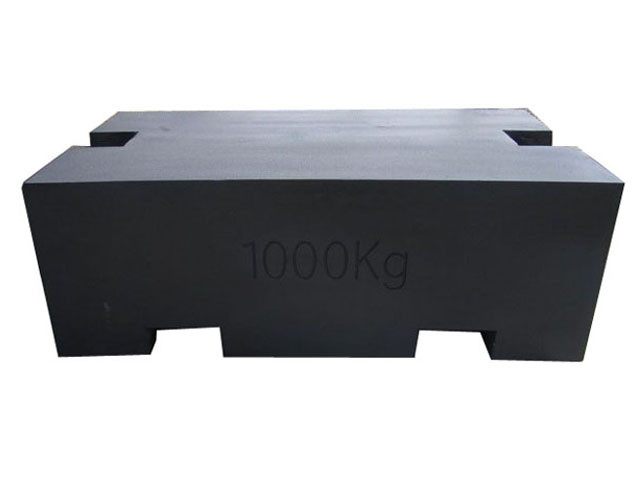
![1000kg Large Calibration Weight Port Weighbridge Use]()
1000kg Large Calibration Weight Port Weighbridge Use
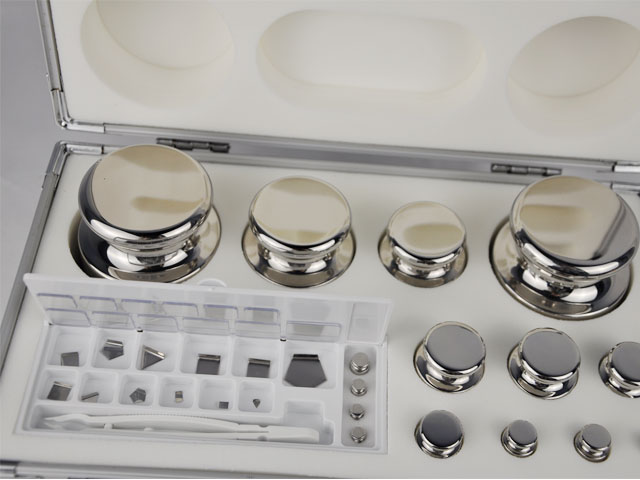
In modern port logistics and cargo management, accurate weight measurement serves as the fundamental foundation for efficient cargo circulation, safe shipping operation, a…![Types of Standard Weight]()
Types of Standard Weight
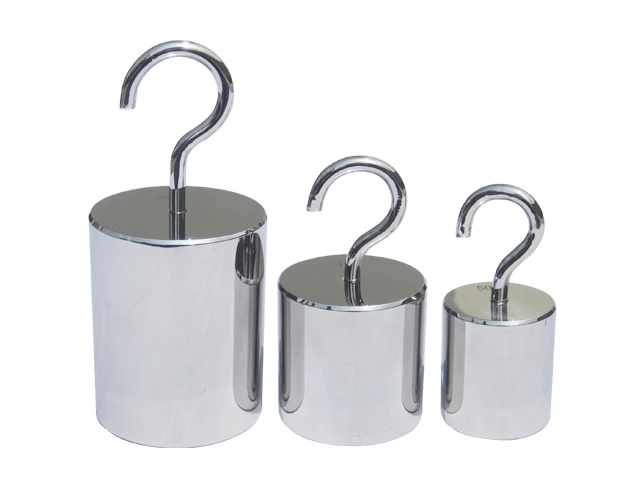
Standard weights serve as the foundational physical reference tools for all mass measurement activities across industrial production, laboratory research, commercial trade…![Hooked Standard Weight]()
Hooked Standard Weight
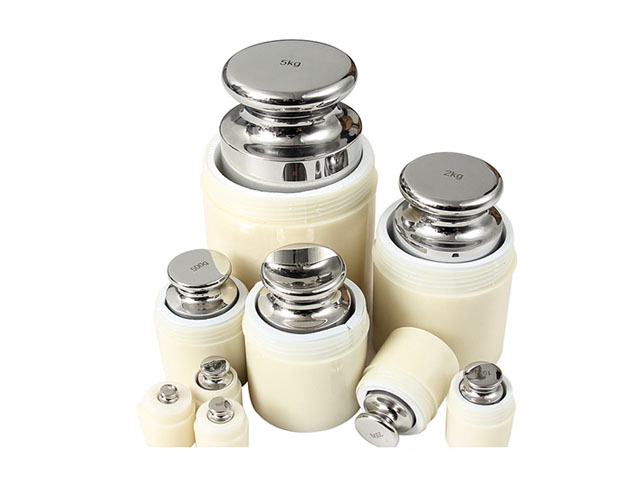
Hooked standard weights are essential foundational tools widely utilized in experimental research, teaching demonstrations, and routine mechanical calibration scenarios. D…![10g Standard Weight]()
10g Standard Weight
In the quiet and intricate world of measurement, every small unit of mass carries profound significance that connects human daily life, professional production, and scient…![Cast Iron Weight For Bench Scales]()
Cast Iron Weight For Bench Scales
Cast iron weights serve as fundamental auxiliary components for bench scale operation, playing an indispensable role in daily weighing verification, scale debugging, and m…