Moisture Analyzers
Moisture content stands as one of the most critical physical attributes of solid, liquid, and granular materials across diverse industrial and research fields. Subtle variations in moisture levels can significantly alter material stability, physical properties, chemical reactivity, and even the final quality of finished products. In raw material processing, production quality control, and laboratory research procedures, accurate detection and stable monitoring of moisture content have become essential links to ensure standardized production and consistent product performance. A moisture analyzer is a specialized testing instrument designed to achieve precise and rapid moisture measurement, serving as a fundamental tool for quantitative analysis of water content in various substances, and it has been widely adopted in modern manufacturing and scientific research systems.
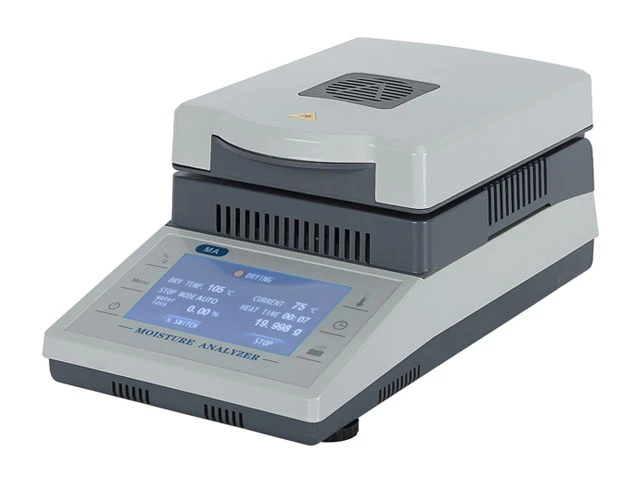
The core working logic of a moisture analyzer relies on thermogravimetric analysis, also commonly defined as the loss-on-drying method, a mature and reliable testing principle recognized in material detection. The basic operational mechanism follows a consistent physical law: the moisture contained in a material sample will gradually evaporate under continuous and stable heating conditions, and the moisture content of the sample can be calculated accurately by measuring the weight difference of the sample before and after the drying process. This working principle originates from the basic physical property of water, which has a relatively low boiling point and can completely separate from most solid and partial liquid materials under controlled heating, leaving dry solid components with stable weight. Compared with indirect moisture detection methods that rely on chemical reactions or conductivity changes, the thermogravimetric method adopted by mainstream moisture analyzers features intuitive detection logic, stable data correlation, and strong adaptability to most conventional materials.
A standard moisture analyzer is composed of two core functional modules that coordinate with each other to complete the entire detection process: a high-precision weighing unit and a controllable heating unit. The weighing unit undertakes the task of real-time weight monitoring of the sample throughout the test, capturing subtle weight changes during sample drying with high sensitivity. It records the initial weight of the sample placed in the instrument and continuously tracks weight fluctuations caused by moisture evaporation in real time during the heating process, forming a complete data curve of weight change over time. The heating unit is responsible for providing uniform, stable, and adjustable thermal energy required for sample drying. Common heating forms include infrared radiation heating and halogen heating, both of which can achieve rapid and uniform heat distribution, avoiding local overheating or uneven heating that may lead to sample decomposition, carbonization, or incomplete moisture volatilization. The matching operation of the two modules ensures that each moisture detection process maintains high stability and reproducibility of data.
The complete detection process of a moisture analyzer follows standardized and orderly steps, with each link affecting the accuracy of the final test result. Before testing, sample preparation is the primary prerequisite for reliable data. Samples need to be treated according to their physical characteristics: solid block materials require crushing and grinding to form uniform particles, granular materials need to be evenly spread to avoid stacking and agglomeration, and liquid materials need to be evenly distributed on the bearing dish to ensure consistent heating area. Uniform sample treatment can prevent incomplete internal moisture evaporation caused by excessive sample thickness or uneven placement, effectively reducing detection errors. After sample preparation, a certain amount of the treated sample is placed on a clean, dry bearing dish inside the instrument, and the initial weight data is automatically collected and stored by the weighing unit.
Subsequently, the heating unit starts to work according to the preset temperature parameters. The instrument supports flexible temperature setting within a conventional range, which can be adjusted according to the thermal stability and moisture volatilization characteristics of different materials. For heat-sensitive materials with low thermal stability, low-temperature gradual heating is adopted to prevent material deterioration and failure of detection results; for stable inorganic and high polymer materials, appropriate high-temperature heating can accelerate moisture evaporation and shorten detection cycles. During the entire heating and drying process, the weighing unit maintains uninterrupted real-time monitoring, recording weight changes at regular intervals. As the internal moisture of the sample continuously evaporates, the sample weight decreases gradually. When the weight of the sample remains stable for a certain period with no obvious fluctuations, it indicates that the free moisture and surface moisture in the sample have been completely volatilized, and the drying process reaches the end state.
After the system confirms the completion of drying, it automatically calculates the moisture content of the sample based on the recorded initial weight and final dry weight data. The calculation logic covers multiple conventional data presentation forms, including the percentage of lost moisture relative to the initial sample weight and the proportion of dry matter in the total sample weight, meeting different data statistical needs in production and research. The entire testing process is completed automatically by the instrument, reducing manual operation intervention and avoiding human errors caused by manual timing, weighing, and calculation in traditional drying and weighing methods. While improving detection efficiency, it also enhances the consistency and objectivity of test data.
Moisture analyzers exhibit extremely high application versatility, covering almost all industries that require moisture control of materials. In the food processing industry, moisture content is a key indicator affecting food shelf life, taste, and storage stability. Excess moisture in grain, flour, nuts, and dried fruits can easily lead to microbial growth, mildew, and deterioration during storage; insufficient moisture will affect the taste and processing performance of baked and puffed foods. By using moisture analyzers to detect raw materials and finished products in real time, food production enterprises can adjust processing parameters and storage conditions in a targeted manner to ensure product quality stability and extend the effective storage period of products.
In the pharmaceutical and chemical industry, material moisture control is closely related to product purity and production safety. Many pharmaceutical raw materials, auxiliary materials, and chemical powders have strict moisture limit standards. Excessive moisture will affect the chemical stability of materials, cause component degradation, and reduce the purity and efficacy of finished products; in some chemical reaction processes, abnormal moisture content will interfere with reaction progress, lead to unstable product quality, and even trigger potential safety hazards. Moisture analyzers can conduct precise detection of raw materials before production and finished products after processing, providing accurate data support for standardized production and quality screening.
In the fields of plastic, rubber, and new material manufacturing, moisture content directly affects the processing performance and mechanical properties of materials. Resin particles, plastic raw materials, and rubber compounds with unqualified moisture content are prone to bubbles, cracks, and uneven texture during molding and processing, resulting in reduced product strength, poor surface finish, and shortened service life. Before material processing, enterprises use moisture analyzers to detect raw material moisture, eliminate unqualified materials in advance, and optimize drying pretreatment processes, which effectively improves the yield of finished products and ensures the mechanical stability of material products.
Agricultural and construction fields also rely heavily on moisture detection data provided by such instruments. In agricultural production, the moisture of soil, seeds, and forage determines planting adaptability, seed germination rate, and forage storage effect. Real-time moisture monitoring helps agricultural personnel formulate scientific sowing, irrigation, and storage plans. In construction engineering, the moisture content of building materials such as cement mortar, concrete, wood, and insulation materials affects the bonding strength, thermal insulation performance, and structural stability of buildings. Excessive moisture in building materials may cause wall cracking, insulation failure, and structural damp damage, and regular moisture detection can effectively guarantee construction quality and engineering durability.
To maintain the long-term stable operation of a moisture analyzer and ensure the accuracy and repeatability of test data, standardized daily operation and routine maintenance are essential. In terms of operation, operators need to keep the internal cavity of the instrument clean and dry before each test, remove residual sample debris and dust left by previous tests, and avoid residual substances affecting the weighing accuracy and heating uniformity. The sample placement should be flat and uniform, with a reasonable sample dosage; excessive sample volume will lead to incomplete internal drying, while too little sample volume will increase data random errors and reduce detection representativeness. Meanwhile, the instrument should be placed in a stable, flat, and dry working environment, avoiding vibration, direct strong light, and severe temperature and humidity fluctuations in the external environment, which may interfere with the weighing system and heating system.
In terms of daily maintenance, regular inspection of the heating unit and weighing unit is required to ensure normal heating function and sensitive weighing response. The bearing dish used for holding samples needs regular cleaning and drying to keep its surface clean and free of attachments, preventing residual substances from affecting the weight measurement results. After long-term use, fine dust and impurities may accumulate inside the instrument, which needs to be cleaned regularly to maintain smooth internal air circulation and uniform heating effect. In addition, the instrument should be kept in a dry storage environment when not in use for a long time to prevent internal components from damp and aging, extending the service life of the equipment.
Compared with traditional manual moisture detection methods that rely on constant temperature drying ovens and analytical balances, moisture analyzers integrate heating, weighing, and data calculation functions into one device, realizing integrated and automated detection. Traditional detection methods require manual weighing, timing, repeated drying and weighing operations, which are cumbersome in steps, long in detection cycle, and easily affected by manual operation differences. Moisture analyzers simplify the entire detection process, shorten the test cycle significantly, and can complete a full moisture detection in a short time. More importantly, the automated operation mode avoids human operational errors, making the test data more stable and reliable, and the detection results have better repeatability and comparability, which is conducive to the unified standard management of production and experimental data.
With the continuous upgrading of industrial production standards and the continuous improvement of scientific research precision requirements, the importance of moisture detection in material performance evaluation is becoming increasingly prominent. As a convenient, efficient, and accurate detection tool, moisture analyzers have gradually become standard configuration in industrial production lines, quality inspection laboratories, and scientific research institutions. It provides reliable basic data for raw material screening, production parameter adjustment, finished product quality inspection, and material performance research for various industries. In the future, with the continuous optimization of structural design and control technology, moisture analyzers will develop towards more intelligent operation, wider material adaptability, and more stable detection performance, further meeting the increasingly refined moisture detection needs of various fields and providing strong technical support for standardized production and high-quality material research and development.
https://www.veidtweighing.com/Balance/MoistureAnalyzer
Post Date: Jun 7, 2026
https://www.supplier-manufacturer.com/weight-balance-scale/moisture-analyzers.html

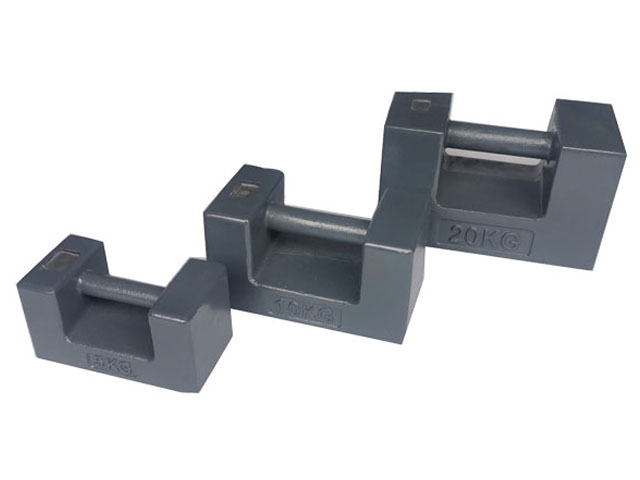
![10kg Test Weight]()
10kg Test Weight
In the intricate and interconnected framework of modern industrial production, commercial trade, scientific laboratory research, and daily public service operations, the c…![M2 Class Test Weight]()
M2 Class Test Weight
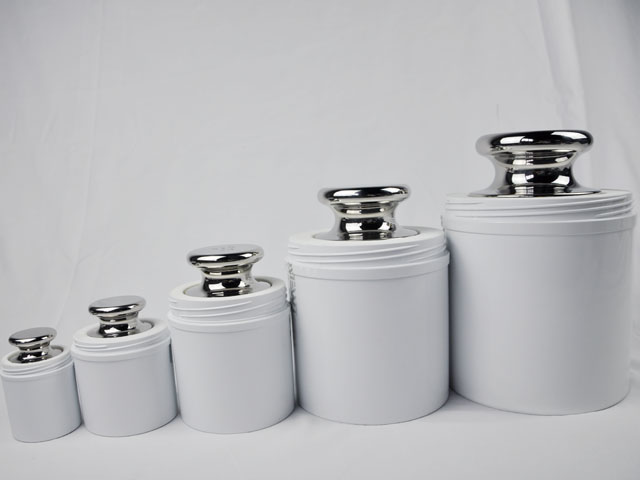
In the complex and interconnected system of modern industrial production, commercial circulation and daily operational measurement management, standardized mass measuremen…![Precision Standard Weight]()
Precision Standard Weight
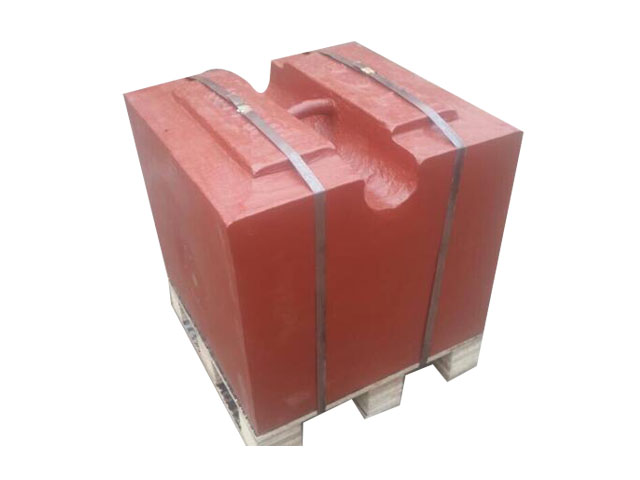
In every corner of modern production, scientific research, commercial circulation, and daily quality supervision, the consistency and credibility of numerical measurement …![Industrial Test Weight]()
Industrial Test Weight
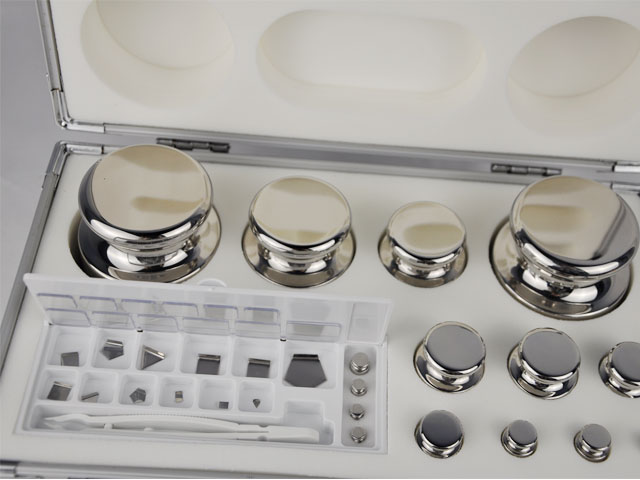
In the complex and interconnected landscape of modern industrial production, material circulation, and mechanical operation, accurate weight measurement stands as one of t…![Stainless Steel Calibration Weight]()
Stainless Steel Calibration Weight
In every field that relies on consistent and trustworthy mass measurement, the role of stainless steel calibration weights remains irreplaceable, serving as the fundamenta…