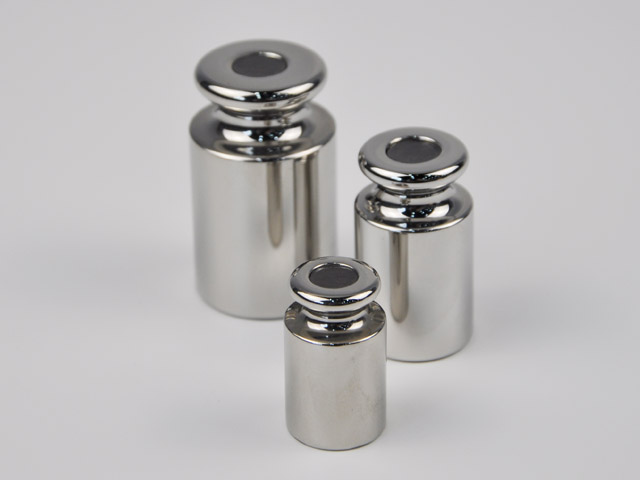
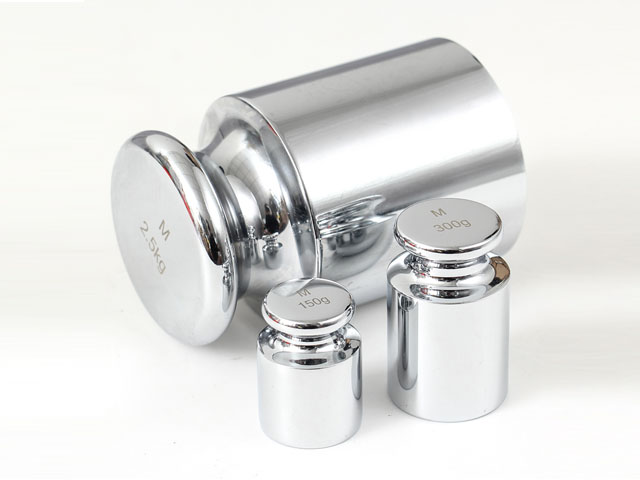
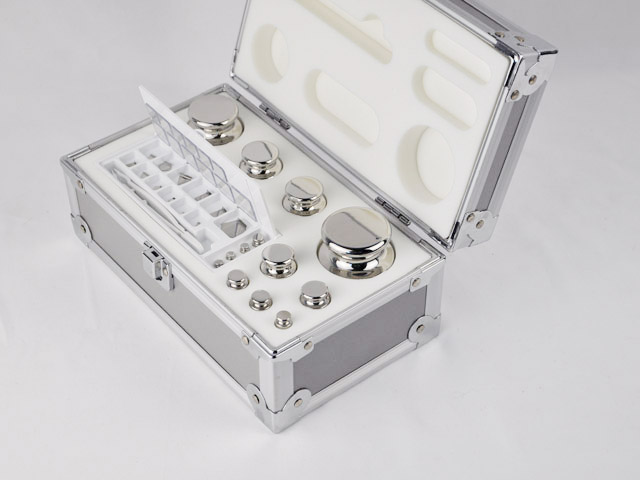
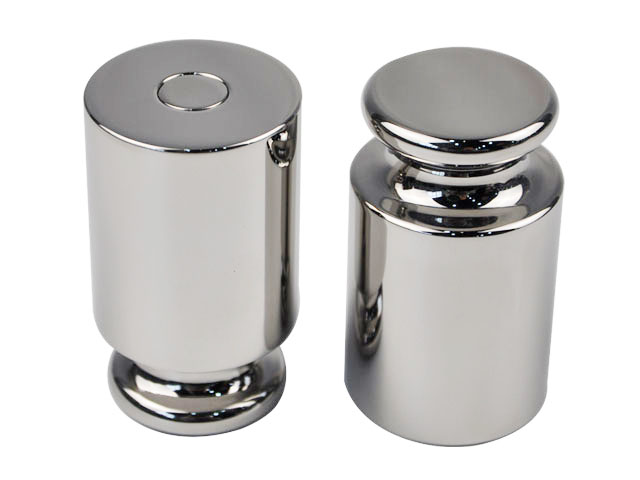
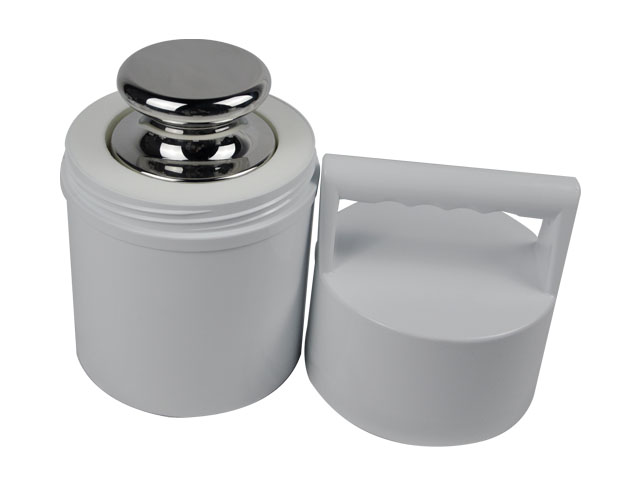
Standard Weight For Platform Scales
In industrial production, commercial trading, logistics warehousing, and quality inspection industries, platform scales serve as one of the most fundamental and indispensable weighing devices, undertaking the core task of accurately measuring the mass of various goods, materials, and products. The accuracy, stability, and reliability of platform scale measurements are not only related to the standardized operation of enterprise production and business activities but also directly affect the fairness of market transactions, the authenticity of product quality detection data, and the compliance of industrial measurement processes. Among all the factors that determine the weighing performance of platform scales, standard weights stand out as the most critical benchmark tool, which is the core basis for scale calibration, error detection, and performance verification. Without qualified and standardized standard weights, all weighing data obtained by platform scales will lack credibility and traceability, and the entire measurement system will lose its scientific and standardized foundation.

Standard weights for platform scales are a series of metering tools specially designed and manufactured in accordance with national and international metrological standards, dedicated to calibrating, testing, and verifying the measurement accuracy of platform scales of different ranges and precision levels. Unlike ordinary weighing objects, standard weights have extremely strict requirements on material density, surface finish, dimensional tolerance, mass stability, and environmental adaptability. They are not simple mass carriers but professional metrological standard artifacts that can transfer mass values accurately. The core function of these standard weights is to transmit the unified mass benchmark from national metrological institutions to various terminal platform scales, realizing the unification of weighing data in different scenarios, different regions, and different equipment, and ensuring that all platform scale measurement results meet the unified metrological specifications.
The classification of standard weights for platform scales follows strict metrological grading standards, which are mainly divided according to precision level, mass range, and application scenarios, forming a complete and systematic standard weight system. In terms of precision grading, mainstream international and national metrological standards divide standard weights into multiple grades, ranging from high-precision laboratory grades to industrial ordinary grades, each with clear tolerance error ranges and applicable calibration objects. High-precision standard weights are usually used for the calibration of high-precision electronic platform scales, which are widely used in pharmaceutical manufacturing, fine chemical industry, precision parts processing, and laboratory detection fields that require extremely strict weighing accuracy. Their mass error is controlled within an extremely tiny range, and they can capture subtle measurement deviations of precision platform scales, ensuring that the weighing accuracy of precision equipment meets the requirements of industrial refined production and scientific research detection.
Medium-precision standard weights are the most widely used type in the market, mainly applicable to ordinary industrial platform scales, commercial trading platform scales, and warehousing logistics weighing equipment. This type of standard weight balances precision performance and environmental adaptability, can adapt to complex industrial production environments, and meets the daily calibration and regular verification needs of most platform scales. Low-grade standard weights are mostly used for preliminary error detection and daily inspection of low-precision platform scales in ordinary scenarios such as construction sites, agricultural product acquisition, and ordinary cargo weighing, which can meet the basic accuracy verification requirements of conventional weighing equipment. This hierarchical classification system enables different types of platform scales to be matched with corresponding standard weights, avoiding the waste of high-precision resources in low-precision scenarios and preventing the problem of insufficient calibration accuracy caused by mismatched grades, forming a scientific and reasonable calibration matching mechanism.
In terms of mass range, the standard weights supporting platform scales cover a complete gradient from small mass to large mass, which is consistent with the capacity specification of mainstream platform scales. The common mass specifications start from small unit weights and extend to large tonnage weights, covering all conventional platform scale capacity ranges including 10kg, 20kg, 50kg, 100kg, 250kg, 500kg, 1000kg and above. The setting of mass gradient follows the principle of scientific measurement superposition, which can realize the calibration of full-range measurement points of platform scales. In the actual calibration process, single standard weight can be used for single-point calibration, and multiple standard weights can be superimposed for multi-point continuous calibration, so as to detect the measurement accuracy of platform scales from no-load, light-load, medium-load to full-load state comprehensively, and find out the linear error, repeatability error and deviation error of the scale in different load states. This full-range calibration mode ensures that the platform scale can maintain accurate measurement performance in all conventional weighing ranges, avoiding local accuracy deviation in individual load sections.
The material selection of standard weights for platform scales is a key factor determining their metrological performance and service life, and all qualified standard weights must be made of high-stability, low-consumption, anti-corrosion and high-density professional materials. High-precision standard weights are mostly made of special stainless steel materials with high density and ultra-low thermal expansion coefficient. This material has excellent chemical stability, is not easy to oxidize and corrode in conventional atmospheric environments, and will not produce mass loss or quality change due to environmental humidity, temperature change and slight chemical erosion. At the same time, the ultra-low thermal expansion coefficient ensures that the volume and mass of the standard weight will not change significantly with the fluctuation of ambient temperature, avoiding measurement errors caused by thermal expansion and contraction. The surface of high-precision standard weights is polished and sealed by special processes, with smooth and non-porous surface, which effectively prevents dust, moisture and impurities from adhering, and maintains long-term mass stability.
Medium and large-mass standard weights used for industrial heavy-duty platform scales are usually made of high-quality cast iron materials with surface anti-rust and anti-corrosion treatment. Cast iron materials have the advantages of high density, uniform texture, low cost and good overall stability, which can meet the mass stability requirements of medium and low-precision calibration scenarios. In order to adapt to industrial harsh environments such as dust, humidity and frequent handling, the surface of cast iron standard weights will be coated with special anti-rust paint and protective layers, which can effectively resist oxidation, rust and mechanical wear. Some heavy standard weights are also designed with integrated pouring structures, which avoid mass deviation caused by loose internal structure, and ensure the overall uniformity and stability of the weight. Whether it is stainless steel or cast iron standard weights, they need to undergo strict density detection and mass screening in the production process to ensure that the mass of each finished weight meets the standard tolerance range and has consistent and stable physical properties.
The structural design of standard weights for platform scales fully considers the practical application needs of calibration work, forming a humanized and functional structural system. Small and medium-sized standard weights adopt a compact block structure, with regular and smooth appearance, uniform stress, convenient stacking and placement, and no tilting or deviation during placement on the platform scale, ensuring the vertical and uniform action of gravity on the scale surface, which is the premise of accurate calibration. Large-tonnage standard weights adopt a reinforced integral structure, and are equipped with standardized lifting holes or carrying structures. Considering the large mass of heavy weights, the professional lifting structure design avoids the structural deformation and mass change caused by uneven stress during handling and stacking, and also facilitates the mechanical handling and placement of weights in industrial calibration scenarios. At the same time, all standard weights are marked with clear mass specification, precision grade, production batch and metrological verification mark on the surface, which is convenient for staff to identify, classify and use, and ensures the traceability of standard weight use and management.
The core application value of standard weights for platform scales lies in realizing the regular calibration, error correction and performance verification of platform scales, which runs through the whole life cycle of platform scale use. Newly installed platform scales must undergo full-range calibration and verification with qualified standard weights before they are put into use. After the installation of the scale, the levelness of the platform, the sensitivity of the load cell, the stability of the display system and the rationality of the mechanical structure will affect the weighing accuracy. Through the step-by-step calibration of standard weights from light load to full load, the installation error and initial system error of the equipment can be eliminated, so that the weighing data of the new scale meets the national metrological standards and obtains the qualified use qualification.
In the daily use process of platform scales, affected by mechanical vibration, environmental changes, material abrasion, load cell aging and other factors, the weighing accuracy will gradually drift and deviate. Long-term uncalibrated use will lead to increasing measurement errors, which will not only cause economic losses such as inaccurate cargo weighing in trading links, but also lead to unqualified product quality detection data in production links, affecting product quality control and industrial standardization production. Therefore, regular calibration with standard weights is an essential daily maintenance work for platform scales. The calibration cycle is determined according to the use frequency and use environment of the scale. Platform scales used in high-frequency trading, precision production and formal detection scenarios need short-cycle calibration and verification, while equipment used in ordinary low-frequency industrial scenarios can adopt appropriate long-cycle calibration to ensure the long-term stable and accurate operation of the equipment.
In addition to daily calibration and regular verification, standard weights also play an important role in fault detection and maintenance of platform scales. When the platform scale has abnormal data fluctuation, repeated measurement inconsistency, obvious deviation of weighing results and other faults, professional staff can use standard weights for point-by-point detection and troubleshooting. By comparing the standard mass value of the weight with the display value of the scale, the error range and deviation type of the equipment can be accurately judged, so as to distinguish whether the fault is caused by mechanical structure loosening, load cell failure, circuit system abnormality or environmental interference, providing accurate data support for equipment maintenance and fault repair. This detection mode based on standard weight benchmark greatly improves the accuracy and efficiency of platform scale fault maintenance, and avoids the blindness of equipment debugging.
The standardized management and correct use of standard weights are crucial to maintain the accuracy of metrological values. As a metrological standard artifact, standard weights themselves have strict service and management specifications and need regular metrological verification by professional metrological institutions. With the passage of service time, factors such as surface wear, slight oxidation, external impact and structural aging will cause tiny mass changes of standard weights. Regular professional verification can timely detect the mass deviation of weights, and perform correction, maintenance or elimination of unqualified weights to ensure that the standard weights used for calibration are always in a qualified state. If the standard weights themselves have accuracy errors, all the calibrated platform scales will have systematic errors, which will lead to large-scale deviation of subsequent weighing data and seriously affect the standardized operation of measurement work.
In terms of daily use and maintenance, standard weights need to be placed in a dry, constant-temperature, dust-proof and corrosion-proof professional storage environment to avoid long-term exposure to humid, high-temperature, low-temperature and corrosive environments. Humid environment will cause oxidation and rust of metal weights, resulting in mass increase or decrease; extreme temperature changes will cause thermal expansion and contraction of weights, affecting structural stability; dust and impurity adhesion will also interfere with the accurate mass of weights. During the handling and use process, collision, drop and violent friction should be avoided to prevent structural deformation and surface damage of weights, which will change the standard mass. After each use, the standard weights need to be cleaned and dried in time, and placed in a classified and fixed manner to ensure neat management and convenient secondary use.
From the perspective of industrial metrological system construction, standard weights for platform scales are an important link in the mass value transmission system, undertaking the important task of connecting national metrological benchmarks and terminal weighing equipment. The unified standard specification of standard weights realizes the consistency of mass measurement values in different industries, different regions and different equipment, which is the basic guarantee for market transaction fairness, industrial quality control and metrological supervision. In commercial trading, accurate platform scale weighing based on standard weight calibration avoids trading disputes caused by inaccurate weighing and maintains the order of market economic transactions. In industrial production, stable and accurate weighing data helps enterprises realize precise batching, quantitative production and quality screening, improve production efficiency and product qualification rate, and promote the standardized and refined development of industrial production.
With the continuous upgrading of industrial intelligence and metrological technology, the performance requirements for platform scales are constantly improving, and the standard system of supporting standard weights is also constantly optimized and improved. Modern standard weights are developing towards higher precision, better stability, stronger environmental adaptability and more intelligent management. Some new standard weight products adopt integrated anti-interference structure and intelligent identification technology, which can realize automatic recording of use times, calibration records and storage environment monitoring, further improving the standardization and intelligence level of standard weight management and use. At the same time, the continuous improvement of national and international metrological standards also makes the production, calibration, use and management of standard weights more standardized and systematic, providing a more solid technical foundation for the accurate operation of platform scale measurement systems.
In conclusion, standard weights are the core benchmark and technical guarantee for the normal and accurate operation of platform scales, and play an irreplaceable important role in industrial production, commercial transactions, quality detection and social metrological supervision. The rational selection of precision grade and mass specification of standard weights, standardized use and operation, scientific daily maintenance and regular metrological verification are the key to ensure the long-term accurate and stable performance of platform scales. In the context of increasingly standardized industrial measurement and increasingly precise market transactions, attaching importance to the management and application of standard weights for platform scales is not only a basic requirement for enterprise equipment management, but also an important guarantee for complying with metrological regulations, ensuring product quality and maintaining market fairness. Only by relying on qualified, standardized and stable standard weight benchmarks can platform scales give full play to their weighing functions, provide accurate and reliable mass measurement data for all walks of life, and support the standardized, efficient and high-quality development of various industries.
Standard Weight For Platform Scales
https://www.veidtweighing.com/standard-weights.html
Post Date: Jul 25, 2026
https://www.supplier-manufacturer.com/standard-weight/standard-weight-for-platform-scales.html

![200g F2 Precision Calibration Weight Quality Control Lab]()
200g F2 Precision Calibration Weight Quality Control Lab
In modern quality control laboratory operations, accurate and repeatable mass measurement serves as the foundational pillar of reliable experimental data, product testing,…![Laboratory Weight For Weighing Scale]()
Laboratory Weight For Weighing Scale
In every scientific laboratory, industrial testing facility, and research workspace where precise mass measurement serves as the foundation of reliable experimental data a…![Jewelry Standard Weight]()
Jewelry Standard Weight
Weight stands as one of the most fundamental and consistent benchmarks in the creation, evaluation, and circulation of jewelry, serving as a universal language that connec…![Standard Weight Manufacturer]()
Standard Weight Manufacturer
The production of standard weights stands as a foundational pillar supporting the normal operation of modern industrial production, laboratory metrological testing, commer…![Analytical Balance Weight]()
Analytical Balance Weight
Analytical balance weight measurement stands as a foundational practice in modern laboratory science, serving as the backbone of quantitative analysis across chemistry, bi…