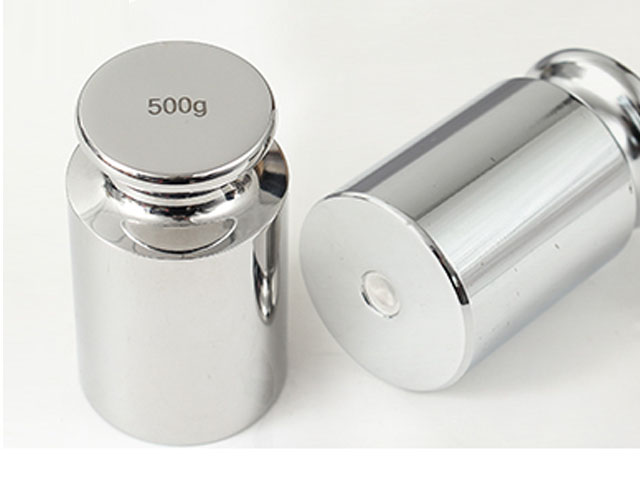
Chrome Steel Weights
In the field of precision measurement and industrial calibration, the stability and accuracy of standard weights serve as the fundamental guarantee for reliable data acquisition and standardized production. Among various mainstream weight manufacturing materials, chromium steel has gradually become a preferred option for making high-performance standard weights by virtue of its balanced mechanical properties, stable physical characteristics and excellent environmental adaptability. Different from ordinary carbon steel and common alloy steel materials, chromium steel incorporates chromium elements into the steel matrix, which optimizes the internal organizational structure of the material and endows finished weights with unique advantages in wear resistance, structural stability and corrosion resistance. These comprehensive properties enable chromium steel weights to adapt to complex industrial environments and long-term repeated use scenarios, meeting the precise measurement demands of multiple industries.
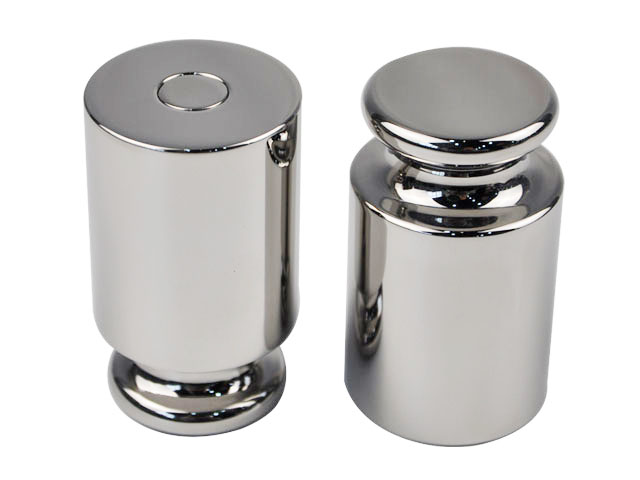
The unique performance of chromium steel weights originates from the special material composition and organizational characteristics of chromium alloy steel. Chromium elements fused into the steel structure can form dense and stable chromium carbide compounds in the smelting and forging process. These fine and uniform distributed carbides effectively improve the hardness and structural compactness of the steel material, enhancing the overall wear resistance of the weight blank. In the daily use process of standard weights, frequent handling, contact with detection equipment and mutual friction inevitably occur. Ordinary steel materials are prone to surface abrasion, metal loss and dimensional deviation after long-term use, which will directly affect the quality accuracy of weights. In contrast, chromium steel materials can effectively resist micro-abrasion caused by long-term friction, maintain complete surface flatness and stable overall volume, and avoid subtle quality changes caused by surface metal loss. Meanwhile, the addition of chromium elements optimizes the toughness of the steel material, enabling chromium steel weights to maintain good structural toughness while possessing high hardness, and effectively reduce the risk of surface chipping and internal structural damage caused by accidental collision and extrusion during use and transportation.
In terms of environmental adaptability, chrome steel weight shows obvious advantages over traditional carbon steel weights. Chromium elements in the material can form a thin, self-healing chromium oxide passive film on the surface of the steel body. This dense protective layer can isolate air, moisture and trace corrosive substances in the external environment from contacting the internal metal matrix, slowing down the oxidation and rusting process of the material. In industrial production environments with high air humidity, frequent temperature changes and trace chemical vapor existence, ordinary steel weights are easy to oxidize and corrode, resulting in surface rust spots and structural corrosion. This not only affects the appearance of the weights, but more importantly, the corrosion products attached to the surface will change the actual quality of the weights, leading to measurement errors and affecting the accuracy of calibration work. The passive protective layer of chromium steel has excellent stability and self-repairing ability. When the surface is slightly scratched in daily use, the oxide film can quickly regenerate and cover the damaged part, continuing to play a protective role, so that the weights can maintain stable physical properties in long-term complex environmental conditions.
The physical stability of chromium steel materials lays a solid foundation for the long-term precision maintenance of standard weights. In industrial measurement work, the consistency of material density and the stability of thermal expansion performance are key factors affecting weight accuracy. Chromium steel has uniform internal structure and stable density distribution, avoiding the quality deviation caused by uneven material texture existing in ordinary cast steel weights. Its thermal expansion coefficient is relatively stable within conventional temperature fluctuation ranges. When the ambient temperature changes, the volume deformation of chromium steel weights is extremely small, and the quality change caused by thermal expansion and cold contraction can be basically ignored, which ensures that the weights can maintain accurate calibration effects in different seasonal environments and different production workshop temperature conditions. In addition, chromium steel has good pressure resistance and structural stability, and will not produce internal structural deformation or quality attenuation under long-term static placement and frequent load-bearing calibration use, realizing long-term stable use and reducing the frequency of accuracy correction caused by material performance attenuation.
The production and processing process of chromium steel weights follows rigorous precision manufacturing standards, and each processing link is designed to maximize the material advantages of chromium steel. The whole process starts from the smelting and purification of chromium steel raw materials. High-purity raw materials are selected and smelted through precise proportioning to ensure the stable content of chromium elements and uniform internal structure of the steel material, avoiding performance differences caused by raw material fluctuations. After blank forging and forming, the weights will undergo multiple heat treatment processes, including quenching and tempering. The heat treatment process can further optimize the internal metal structure of chromium steel, eliminate internal stress generated in the forging process, improve the overall structural uniformity and dimensional stability of the weights, and prevent structural deformation in subsequent use. After heat treatment, the weights will go through multiple precision grinding and polishing processes. Fine processing removes tiny burrs and uneven textures on the surface, making the surface smooth and flat, reducing the contact area with external air and impurities, and further improving the anti-corrosion and anti-wear performance of the weights.
In the finishing stage, chromium steel weights will undergo strict dimensional screening and quality fine adjustment. According to the standard specifications of different weight grades, professional equipment is used for precise trimming and debugging to ensure that the actual quality, dimensional tolerance and surface flatness of each finished product meet the standard requirements. Different from rough-processed ordinary steel weights, the finishing process of chromium steel weights focuses on controlling micro-quality differences, eliminating tiny errors caused by processing techniques, and making the weight accuracy more stable and reliable. The processed chromium steel weights have smooth and delicate surfaces, no obvious pores and cracks, uniform overall texture, and excellent consistency in appearance and performance of products of the same specification.
Chromium steel weights are widely used in multiple industrial fields and precision measurement scenarios due to their excellent comprehensive performance. In mechanical manufacturing and processing industry, they are used for regular calibration of various precision weighing equipment, including electronic balances, mechanical scales and high-precision measuring instruments. The stable quality and high precision of chromium steel weights can ensure the accurate measurement of parts processing size and weight, provide reliable data support for product quality inspection, and help enterprises control processing errors and improve product consistency. In the field of laboratory precision research and testing, various experimental data acquisition and reagent proportioning work need the support of accurate weighing data. Chromium steel weights can maintain stable performance in long-term laboratory environment, avoid measurement errors caused by material changes, and ensure the authenticity and repeatability of experimental data.
In addition, chromium steel weights also play an important role in pharmaceutical manufacturing, food processing, chemical production and other industries with high requirements for measurement accuracy and environmental sanitation. These industries have strict standards for the stability and sanitation of measuring tools. The smooth and dense surface of chromium steel weights is not easy to adhere to dust, impurities and residual chemical substances, which is convenient for daily cleaning and maintenance, and can keep the surface clean for a long time. At the same time, its good corrosion resistance can adapt to the relatively complex production environment of chemical and pharmaceutical industries, avoid performance degradation caused by environmental factors, and ensure the continuous and stable operation of production and testing work. In the field of measurement verification and quality inspection, chromium steel weights, as standard measuring tools, undertake the work of regular verification and calibration of various weighing equipment, providing a unified measurement standard for industrial production and market transactions, and maintaining the standardization and accuracy of the whole measurement system.
Compared with weights made of other materials, chromium steel weights have more balanced comprehensive performance. Pure copper weights have good corrosion resistance but low hardness, which are easy to wear and deform in frequent use, and their own density is unstable, resulting in poor long-term accuracy maintenance effect. Ordinary stainless steel weights have good corrosion resistance, but their hardness and wear resistance are insufficient, and they are prone to surface abrasion after long-term friction use. Carbon steel weights have low production cost and high hardness, but their poor corrosion resistance makes them easy to rust and corrode in humid environments, which greatly limits their service life and use effect. Chromium steel materials perfectly balance hardness, toughness, corrosion resistance and structural stability. While ensuring high wear resistance and structural firmness, they avoid the brittleness problem of high-hardness materials and the easy corrosion defect of ordinary carbon steel materials, and have stronger environmental adaptability and longer service cycle.
Daily maintenance and scientific storage can further extend the service life and maintain the accuracy stability of chromium steel weights. In daily use, it is necessary to avoid violent collision and falling of weights, so as to prevent local structural deformation and surface damage caused by external impact, which may affect the overall balance and quality accuracy. When handling weights, it is recommended to use professional clamping tools or wear clean soft gloves to avoid direct contact between hands and the weight surface, preventing sweat, grease and other impurities from adhering to the surface and causing subtle corrosion or contamination. After each use, the surface of the weights should be cleaned with clean soft cloth to remove surface dust and residual impurities, and placed in a dry, ventilated and dust-proof storage environment.
For long-term stored chromium steel weights, regular inspection and maintenance are required. Regularly check whether there are tiny scratches, corrosion spots and dimensional changes on the surface, and conduct accuracy calibration according to the use frequency and environmental conditions. Timely cleaning and maintenance can keep the surface protective layer of chromium steel in a good state, ensure the long-term stability of material performance, and make the weights maintain high-precision measurement effect for a long time. In addition, it is necessary to avoid placing chromium steel weights in high temperature, high humidity and strong corrosive gas environment for a long time, so as to prevent the external environment from accelerating material aging and affecting the service performance of the weights.
With the continuous improvement of industrial production precision and the continuous upgrading of measurement standards, the market demand for high-stability and long-life standard weights is increasing day by day. As a high-performance measuring tool, chromium steel weights rely on their unique material advantages and stable use performance to gradually replace traditional ordinary steel weights in more and more precision measurement scenarios. In the future, with the continuous optimization of chromium steel smelting technology and processing technology, the performance of chromium steel weights will be further improved, with more stable material structure, higher processing precision and stronger environmental adaptability. They will provide more reliable basic support for precision manufacturing, experimental research, quality inspection and other fields, and play an increasingly important role in promoting the standardized and precise development of industrial measurement work.
In general, the excellent performance of chromium steel weights is derived from the unique alloy composition and structural characteristics of chromium steel materials. Through scientific smelting, precise processing and standardized post-treatment, chromium steel weights realize the organic combination of high wear resistance, good corrosion resistance, stable physical properties and long-term accuracy maintenance. They make up for the performance defects of traditional single-material weights, adapt to the diversified and high-precision use demands of modern industrial measurement, and have outstanding practical value and broad application prospects. Reasonable use and standardized maintenance can give full play to the performance advantages of chromium steel weights, ensure the long-term stability of measurement accuracy, and provide solid guarantee for the smooth development of various industrial production and precision measurement work.
https://www.veidtweighing.com/ssweight/ChromeSteelWeight
Post Date: Jun 7, 2026
https://www.supplier-manufacturer.com/weight-balance-scale/chrome-steel-weights.html

![Cast Iron Weight For Laboratory]()
Cast Iron Weight For Laboratory
Within every laboratory environment where physical measurement consistency and reliable experimental baseline data form the foundation of daily operations, cast iron weigh…![Laboratory Calibration Weight For Electronic Precision Balance]()
Laboratory Calibration Weight For Electronic Precision Balance
In modern laboratory quantitative analysis and experimental research, the accuracy of electronic precision balance measurement data is the core foundation of reliable expe…![Lock Type Cast Iron Weight]()
Lock Type Cast Iron Weight
Lock type cast iron weight stands as a fundamental and indispensable component within the fields of industrial weighing calibration, mechanical load testing, engineering c…![Laboratory Metrology Standard Calibration Weight]()
Laboratory Metrology Standard Calibration Weight
Laboratory metrology standard calibration weights are fundamental physical measuring tools designed for mass value replication, transmission, and instrument calibration in…![Oiml Laboratory Weight]()
Oiml Laboratory Weight
In every modern laboratory that relies on consistent and dependable mass measurement work, Oiml laboratory weight stands as an indispensable foundational tool that underpi…