Cast Iron Weights
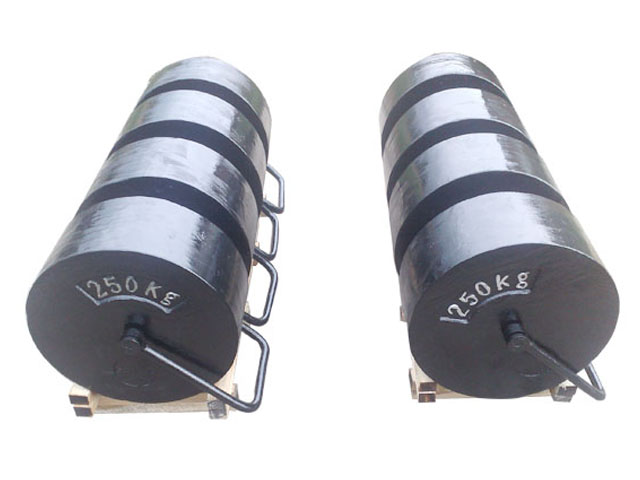
Cast iron weight stands as a fundamental functional component widely utilized across industrial production, mechanical operation, fitness training, and infrastructure construction. For decades, this traditional metal weight component has maintained steady application value, relying on the inherent physical and mechanical properties of cast iron materials, as well as mature and stable manufacturing techniques. Unlike lightweight metal materials and synthetic weight accessories, cast iron weight features compact structure, stable mass performance and strong environmental adaptability, which enables it to adapt to complex working scenarios and long-term continuous use requirements in various fields. Its core value lies in providing accurate, stable and reliable mass balance and calibration support for all kinds of mechanical equipment and weighing systems, becoming an indispensable basic part in modern industrial and daily operation systems.
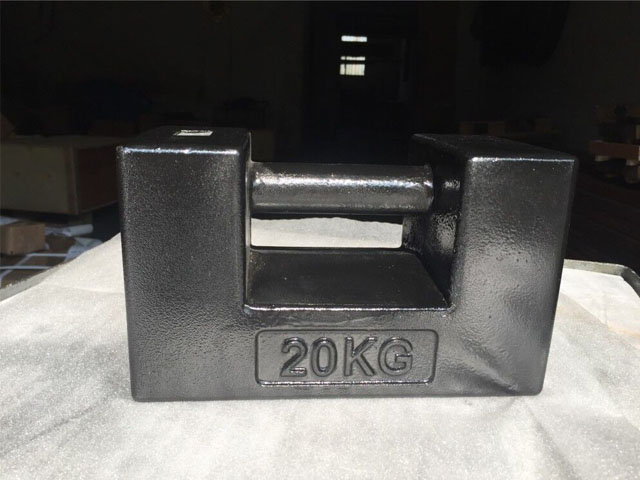
The excellent performance of cast iron weight originates from the unique material characteristics of cast iron. Cast iron is an alloy material dominated by iron, containing a certain proportion of carbon, silicon and trace mineral elements, with a dense internal metal structure and uniform material distribution. Different types of cast iron materials, including gray cast iron and ductile cast iron, present slight differences in density and mechanical properties, all of which can meet the basic use demands of weight components. The density of conventional cast iron materials ranges from 6.8 to 7.3 grams per cubic centimeter, achieving high mass density per unit volume. This feature allows cast iron weight to obtain stable mass output with a small structural volume, avoiding the bulky and bloated structure problems caused by low-density materials when providing the same mass. In addition, cast iron has good compressive resistance and structural stability, which is not easy to produce plastic deformation under long-term static pressure and conventional mechanical vibration, ensuring that the mass state and structural shape of the weight remain unchanged for a long time.
The production process of cast iron weight follows mature and standardized casting and post-treatment procedures, which lays a solid foundation for its stable performance. The whole production process starts from raw material proportioning, where high-purity iron materials and auxiliary alloy elements are proportioned scientifically to ensure uniform material texture and consistent density of finished products. After high-temperature melting, the molten metal is poured into customized molds for integral casting. The integral casting molding method avoids structural gaps and loose areas inside the weight, effectively guaranteeing the uniformity of internal mass distribution. After casting and cooling, the weight will go through multiple processes such as surface polishing, burr removal and flatness correction to make the overall structure smooth and regular with standard dimensional parameters. Subsequent surface treatment can enhance the surface durability of the product, reducing the impact of external environmental factors on the structure and mass. Every processing link focuses on controlling the consistency of product specifications, so that each finished cast iron weight can maintain stable mass parameters and good structural coordination.
In industrial operation scenarios, cast iron weight plays a key role in equipment balance and weighing calibration. Many large mechanical equipment and operating devices will generate unbalanced force during operation due to structural asymmetry or load changes, leading to equipment vibration, operation deviation and even accelerated component wear. By installing cast iron weight with corresponding specifications, the unbalanced force of the equipment can be effectively offset, maintaining the overall balance and stable operation of the mechanical system. This balance adjustment mode is widely applied to mechanical bases, rotating equipment, lifting devices and automated production equipment, reducing equipment operation noise and vibration amplitude, and extending the service life of mechanical components. At the same time, cast iron weight is also an important auxiliary component for weighing equipment calibration. In port logistics, mining and metallurgy, building materials and chemical industries, various weighing devices need regular parameter verification to ensure the accuracy of measurement data. Cast iron weight provides stable mass reference standards for these verification works, helping the weighing system maintain accurate measurement status in long-term use, and ensuring the standardized development of material metering and transaction settlement in industrial production.
The application of cast iron weight in the fitness industry is also extremely common, becoming a basic supporting facility for strength training. In gym venues and daily family fitness scenarios, cast iron weight plates and matching weight components are used in various strength training equipment. Relying on stable mass and high structural firmness, these weight components can adapt to frequent load-bearing and impact in fitness training. The surface of professionally processed cast iron weight usually presents a matte and textured state, which increases the friction with the contact parts of the equipment, effectively preventing sliding and displacement during use. Meanwhile, the durable metal structure can withstand long-term repeated use without mass attenuation and structural damage, adapting to the high-frequency use needs of commercial fitness places and daily personal training. With diverse specification options, cast iron weight can meet the gradual load adjustment needs of different training stages, providing reliable load support for body strength training and muscle exercise.
In infrastructure and engineering construction fields, cast iron weight undertakes the functions of pressure fixing and structural stabilization. In road foundation construction, bridge engineering and temporary building structure fixing, cast iron weight is often used as a pressure component to compact foundation materials, fix temporary facilities and balance structural tension. Its high-density and stable-pressure characteristics can effectively resist slight displacement and deformation of the structure caused by external force and environmental changes, ensuring the stability and safety of engineering structures during construction and use. In addition, in the operation of water conservancy equipment, port handling equipment and mining machinery, cast iron weight also provides stable counterweight support, helping large equipment maintain a balanced posture in complex working environments such as high load and frequent operation, and reducing operation risks caused by structural imbalance.
Compared with weight components made of other materials, cast iron weight shows obvious comprehensive advantages in practical application. Synthetic materials and partial light alloy weights are prone to structural aging, mass loss and deformation after long-term use, and are sensitive to temperature and humidity changes in the external environment. In contrast, cast iron materials have strong environmental adaptability, can maintain stable physical properties in high temperature, low temperature, humid and dry environments, and will not produce obvious mass changes and structural failure due to environmental fluctuations. Moreover, cast iron weight has good wear resistance and impact resistance, and can still maintain complete structure and accurate mass after long-term static placement and frequent dynamic use. The production cost of cast iron weight is reasonable, and the material recycling rate is high, which conforms to the environmental protection and economical use principles of modern industrial production. Its simple and compact structural design is convenient for transportation, installation, disassembly and maintenance, and can adapt to various installation spaces and use scenarios.
Daily maintenance and reasonable storage can further extend the service life and use stability of cast iron weight. Although cast iron materials have strong durability, long-term exposure to humid air and corrosive environments may cause slight surface oxidation. Regular surface cleaning and dry storage can effectively reduce the occurrence of oxidation phenomena and keep the surface structure intact. In the process of use, avoiding violent collision and excessive extrusion can prevent local structural deformation of the weight, so as to ensure the long-term stability of mass parameters. For cast iron weights used for weighing calibration and equipment balance, regular parameter inspection can eliminate tiny mass deviations caused by long-term use, ensuring that they always meet the use standard requirements. Simple and convenient maintenance methods make cast iron weight have lower use cost and higher practicability in long-term application.
With the continuous development of modern manufacturing technology, the production precision and structural design of cast iron weight are also constantly optimized. Modern casting technology and precision processing equipment make the dimensional accuracy and mass uniformity of finished products further improved, and the structural design is more in line with the ergonomics and equipment matching standards of different industries. The optimized surface treatment technology enhances the surface anti-oxidation and anti-wear ability of the product, making the product adapt to more harsh working environments. While inheriting the stable performance of traditional cast iron materials, the continuously upgraded manufacturing process endows cast iron weight with higher application value and wider application space. From basic industrial calibration and mechanical balance to daily fitness training and engineering stabilization, cast iron weight always relies on reliable performance to provide basic guarantee for the operation of various fields.
In general, cast iron weight is a practical and durable functional component formed by the combination of mature material performance and standardized manufacturing technology. Its stable mass output, excellent structural strength and strong environmental adaptability make it irreplaceable in many professional fields. Whether in high-precision industrial metering scenarios, high-frequency fitness use environments, or complex engineering construction scenarios, cast iron weight can always maintain stable working state and provide reliable balance and calibration support. With the progress of industrial technology and the continuous improvement of application demands, cast iron weight will continue to realize technological innovation and performance optimization, and maintain stable application vitality in more emerging fields, providing basic and powerful support for the development of modern production and life systems.
https://www.veidtweighing.com/ssweight/CastIronWeight
Post Date: Jun 7, 2026
https://www.supplier-manufacturer.com/weight-balance-scale/cast-iron-weights.html

![Stainless Steel Standard Weight For Weighing Instrument Verification]()
Stainless Steel Standard Weight For Weighing Instrument Verification
Stainless steel standard weights serve as fundamental precision tools for the verification and calibration of all types of weighing instruments, laying a solid foundation …![Standard Weight For Hanging Scales]()
Standard Weight For Hanging Scales
Standard weights for hanging scales are fundamental metrological reference tools that underpin the accuracy, consistency, and reliability of suspended weighing operations …![Standard Weight For Analytical Balances]()
Standard Weight For Analytical Balances
In precision laboratory measurement, analytical balances stand as foundational instruments that deliver highly accurate mass readings for chemical analysis, pharmaceutical…![Oiml F2 Calibration Standard Weight]()
Oiml F2 Calibration Standard Weight
Mass measurement forms the foundational backbone of all quantitative scientific research, industrial production, and commercial transaction activities. Every data result o…![Analytical Balance Calibration Weight]()
Analytical Balance Calibration Weight
Analytical balance calibration weights serve as fundamental reference tools in precision weighing operations, forming the core foundation for maintaining the accuracy and …