Printer Scales
A printer scale represents a sophisticated integrated device that merges electronic weighing technology with embedded printing functionality, serving as a fundamental tool for quantitative measurement and data documentation in modern commercial and industrial operations. Unlike traditional standalone weighing devices that only display numerical weight data on a screen, this integrated unit captures physical weight readings and generates tangible printed records on-site, creating a seamless connection between physical measurement and data archiving. The core design logic of the device focuses on operational efficiency and data standardization, solving the disconnection between weighing detection and record keeping that exists in conventional manual operation modes, and adapting to the standardized management needs of various industries for transaction data, inventory statistics, and quality inspection records.
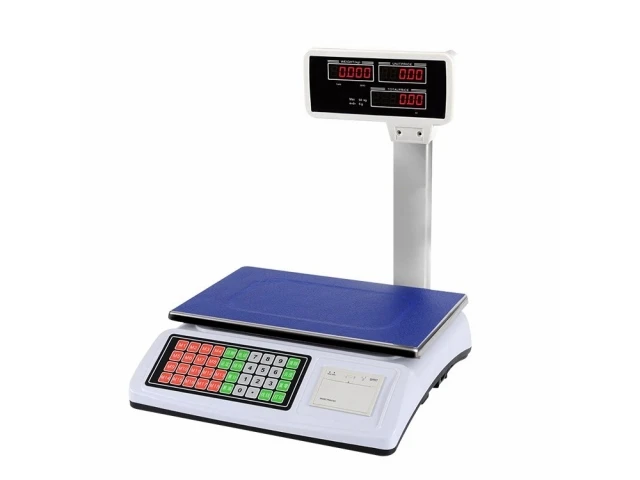
The working mechanism of the printer scale follows a complete and systematic technological process, starting from physical weight induction to final data output and printing. At the core of the weighing module are high-sensitivity sensing components, which bear the pressure of measured objects and convert subtle mechanical deformation generated by gravity into continuous electrical signal changes. These original electrical signals are often affected by minor environmental interference and require subsequent processing by internal circuit systems. Built-in signal amplification and filtering modules stabilize fluctuating signals, eliminate interference factors from ambient temperature, slight vibration, and circuit voltage deviation, and convert analog signals into accurate digital data that can be identified and calculated by the central control unit. After data calibration and algorithm correction, the effective weight value is presented on the digital display interface for real-time viewing by operators.
The printing module, as the key extended component of the equipment, works in synchronous coordination with the weighing module. Once stable weight data is confirmed and locked by the system, the internal control program automatically transmits the measured data to the embedded printing unit. Most mainstream printer scale devices adopt advanced thermal printing structures, which operate with low noise and fast response speed, and can complete content output within a short time after weighing stabilization. The printing content covers diversified core information required for daily business operations, including measured weight data, accurate recording time, basic product attribute notes, and transaction-related auxiliary information. In practical use, the system also supports manual parameter input, allowing operators to supplement category codes, batch numbers, and operator information as needed to make printed records more complete and traceable.
The overall structural design of the printer scale balances practicality, stability, and durability, adapting to complex and diverse use environments. The bearing platform is usually made of sturdy and corrosion-resistant metal materials, with a smooth and flat surface that not only ensures uniform stress during weighing and avoids measurement deviation caused by uneven placement of objects but also facilitates daily cleaning and maintenance, effectively adapting to sanitary management requirements in food, retail, and processing industries. The body structure adopts an integrated and compact layout, which saves placement space and enhances the overall stability of the equipment during operation, preventing data errors caused by slight shaking. The display area is equipped with a high-definition backlight screen, which maintains clear visual effects in environments with strong light or dim light, ensuring operators can quickly read accurate data.
In terms of functional expansion, modern printer scales have broken through the single weighing and printing mode of early products and realized multi-dimensional data management capabilities. The equipment is equipped with stable data transmission interfaces, which can establish connection channels with terminal management systems, inventory statistical systems, and front-end sales systems. When weighing and printing operations are completed, the generated data can be synchronously uploaded to the central database to realize real-time data synchronization. This synchronous transmission mode avoids data delay and omission caused by manual entry, ensures the consistency of on-site printed records and background system data, and provides reliable data support for enterprise inventory sorting, account checking, and operational data analysis. Meanwhile, the device supports automatic data storage, which can retain a certain amount of historical weighing records, facilitating subsequent data query, verification, and sorting.
The application scenarios of printer scales cover multiple fields of commercial circulation, industrial processing, and logistics warehousing, showing strong scene adaptability. In retail and fresh commodity sales scenarios, the equipment is used for weighing bulk commodities such as fruits, vegetables, and meat products. After completing accurate weighing, it can print standardized labels with weight information and transaction time, which are attached to commodity packaging to standardize commodity metering and sales behaviors, facilitate consumer viewing and subsequent merchant reconciliation, and standardize the entire sales link of bulk commodities. In food processing and catering prefabrication industries, the device is applied to the weighing and batching of raw materials. Accurate weighing data and printed batch records ensure the standardization of product batching ratios, provide effective basis for product quality traceability, and help enterprises standardize production processes.
In logistics and warehousing links, printer scales play an important role in cargo weighing and parcel sorting. Staff can complete weight detection of parcels and goods through the equipment and generate printed weighing documents, which serve as important basis for cargo warehousing registration, outbound inspection, and freight settlement. The standardized printed records effectively reduce disputes caused by inconsistent weight data records in the handover links of warehousing, transportation, and receiving. In industrial production and processing fields, the equipment is used for sampling inspection of semi-finished products and finished products, weighing of auxiliary materials, and counting of packaged products. Accurate weighing data and archived printed records help enterprises control product quality, optimize material usage, and form standardized production operation logs.
The prominent value of printer scales in industrial and commercial operations is reflected in the optimization of operational processes and the reduction of human error. In traditional operation modes, weighing recording and data printing require two independent steps. Operators need to manually record the displayed weight data and then input the information into printing equipment for output. This manual intervention process is prone to errors such as data reading deviation and input typos, and the whole operation process consumes more time and human resources. The integrated design of the printer scale realizes one-step completion of weighing and recording, eliminates intermediate manual operation links, reduces the probability of human error in data processing, and significantly improves the efficiency of single operation while ensuring data accuracy.
In terms of standardized management, the unified printed content and format of printer scales make enterprise business records more standardized and unified. Different operators may have different writing habits and recording standards when keeping manual accounts, leading to irregular record formats and scattered information, which is not conducive to subsequent sorting and querying. The fixed printing template of the equipment ensures that each weighing record contains complete and unified key information, forming standardized paper archives. These printed records can be directly used for daily account checking, financial reconciliation, and industry supervision inspection, improving the standardization and rigor of enterprise internal management.
The equipment also shows good adaptability in long-term continuous operation. The optimized internal circuit and structural design reduce the failure rate of long-term operation, and the stable sensing and printing modules can maintain consistent working performance in frequent start-stop and continuous working states. The equipment is equipped with effective power supply protection and anti-interference settings, which can resist the impact of slight voltage fluctuation and environmental electromagnetic interference on measurement accuracy, ensuring stable and reliable operation in busy commercial scenes and continuous production industrial scenes. In addition, the equipment has a friendly human-computer interaction design, with simple and intuitive operation keys and a clear operating interface. New operators can quickly master the use methods after simple training, reducing the threshold of equipment operation and the cost of enterprise personnel training.
Daily maintenance and standardized use are key to maintaining the long-term performance stability of printer scales. In daily use, the bearing platform needs to be kept clean and flat to avoid the accumulation of dust, stains, and sundries affecting the contact state of measured objects and further interfering with weighing accuracy. Operators should avoid placing overweight objects on the equipment beyond the bearing range for a long time, so as to prevent permanent deformation of the sensing components and affect subsequent measurement accuracy. For the printing module, regular replacement of printing consumables and cleaning of the printing head can ensure clear and complete printing content and avoid blurred or missing printed information caused by aging consumables or blocked printing heads.
Regular calibration is an essential link to ensure the accuracy of the printer scale. Affected by long-term use, environmental changes, and mechanical wear, the measurement data of the equipment may have subtle deviation after a period of operation. Regular professional calibration can correct data deviation, restore the accurate measurement performance of the equipment, and ensure that all weighing and printing records are true and effective. At the same time, the equipment should be placed in a flat, dry, and stable working environment, avoiding long-term exposure to humid, high-temperature, or strongly vibrating environments, so as to extend the service life of internal circuits and mechanical structures.
With the continuous upgrading of commercial and industrial intelligent management systems, printer scale technology is also constantly iterating and optimizing. Modern products are developing towards intellectualization and networking, supporting more diversified data editing and output modes, and can generate two-dimensional codes and barcode information containing weighing data and batch information while printing text content. This enables subsequent staff to quickly query corresponding weighing records and product information through scanning identification, further improving the efficiency of data sorting and traceability. The continuous optimization of wireless connection technology also makes the equipment more flexible in layout, realizing free networking of multiple devices in the same working area and facilitating unified data management and centralized control by enterprises.
In general, the printer scale is a practical and efficient integrated measuring device tailored to the standardized and intelligent management needs of modern industries. It integrates accurate weighing, real-time data recording, and standardized document output, effectively solving many pain points in traditional weighing and recording work such as low efficiency, easy error, and irregular records. It provides basic and reliable technical support for daily operation, quality management, and data archiving of retail sales, food processing, logistics and warehousing, industrial production, and other fields. With the continuous improvement of enterprise refined management requirements, the application value and popularization significance of printer scales will be further highlighted, becoming an indispensable basic equipment for standardized operation of various industries.
https://www.veidtweighing.com/CommercialScale/PrinterScale
Post Date: Jun 7, 2026
https://www.supplier-manufacturer.com/weight-balance-scale/printer-scales.html

![Cast Iron Weight For Floor Scales]()
Cast Iron Weight For Floor Scales
Floor scales serve as foundational weighing equipment across a vast range of industrial, commercial, and logistics operations, tasked with measuring heavy loads reliably a…![Laboratory Weight Manufacturer]()
Laboratory Weight Manufacturer
Laboratory weights serve as fundamental physical tools for mass measurement, laying a solid foundation for accurate data acquisition in scientific research, industrial pro…![Precision Stainless Steel Laboratory Weight]()
Precision Stainless Steel Laboratory Weight
In every modern laboratory setting where accurate mass measurement forms the foundational backbone of experimental research, material testing, quality verification, and ro…![100g Stainless Steel Weight]()
100g Stainless Steel Weight
In the intricate and interconnected world of measurement and precision balancing, small yet fundamental tools play an irreplaceable role in maintaining the consistency and…![Kilogram Stainless Steel Weight Set 1kg To 25kg]()
Kilogram Stainless Steel Weight Set 1kg To 25kg
The kilogram stainless steel weight set ranging from 1kg to 25kg serves as a fundamental and practical weighing accessory widely utilized in industrial production, laborat…