Digital Viscometer Supplier
Viscosity stands as one of the most fundamental physical properties of fluid materials, reflecting the internal frictional resistance that occurs when a fluid flows or undergoes deformation under external force. In modern industrial production, material research and product quality control, accurate viscosity measurement has become an indispensable technical link, as it directly affects the processing performance, finished product quality, storage stability and service life of various fluid products. Traditional manual viscosity measurement tools rely on visual observation and manual timing, which are susceptible to human operation errors, environmental interference and inconsistent testing standards, making it difficult to meet the refined and standardized testing needs of contemporary industries. With the continuous upgrading of industrial testing technology, digital viscometers have gradually replaced traditional testing equipment and become mainstream testing tools in various fields, driving the standardized development of fluid material detection across multiple industries. Professional digital viscometer suppliers play a core role in the industrial chain, focusing on the research, development, optimization and supply of viscosity testing equipment, and provide reliable technical support and equipment solutions for enterprises and research institutions worldwide.
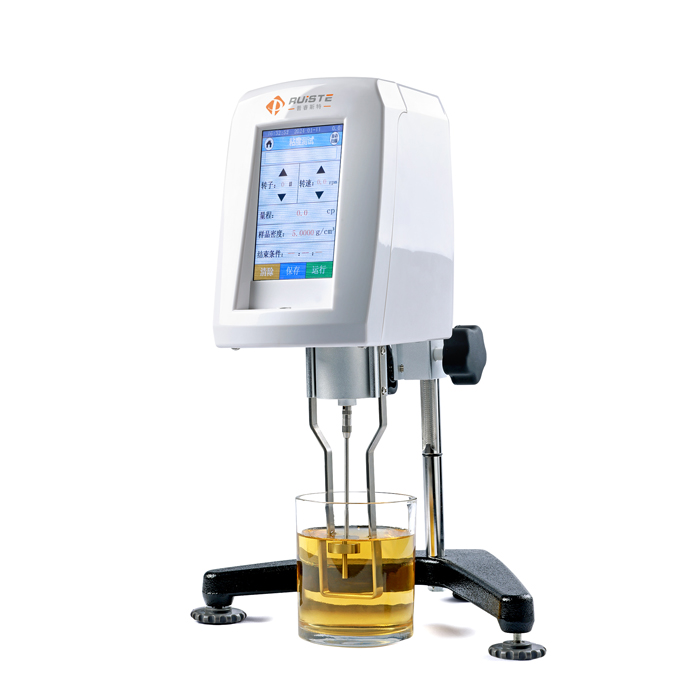
A digital viscometer is a precision testing instrument that converts fluid viscosity resistance into digital signals through electronic sensing technology and calculates and displays accurate viscosity data through intelligent operation systems. Different from traditional mechanical viscometers that rely on mechanical pointer transmission and manual reading, digital viscometers integrate sensor technology, microprocessor control technology and digital display technology, realizing automated testing, data digitization and intelligent data recording throughout the whole process. The core working principle of most mainstream digital viscometers is based on the basic law of fluid viscosity. When a standard rotor or sensing component is immersed in a fluid sample and rotates or vibrates at a set stable state, it will be affected by the viscous resistance of the fluid. The instrument captures the torque change or vibration attenuation degree generated by this resistance, converts the physical signal into an electronic signal through internal sensors, and then calculates the dynamic viscosity value of the fluid through built-in algorithm programs, finally presenting intuitive and accurate digital data on the display screen. This working mode effectively avoids subjective errors caused by manual reading and improves the consistency and repeatability of test results.
In practical industrial application scenarios, fluids are divided into Newtonian fluids and non-Newtonian fluids, and digital viscometers can adapt to the testing needs of these two types of fluids with stable performance. Newtonian fluids such as pure water, low-viscosity lubricating oil and solvent solutions maintain stable viscosity values under fixed temperature and pressure conditions, and digital viscometers can quickly obtain accurate and fixed test data. For non-Newtonian fluids that are widely used in industry, including coatings, inks, adhesives, food slurries and cosmetic emulsions, their viscosity values will change with the adjustment of shear rate and testing time. Digital viscometers can adjust rotor specifications and operating speeds according to the characteristics of different samples, simulate actual industrial shear environments, and detect the apparent viscosity changes of materials under different working conditions, which provides important data support for the formula optimization and process adjustment of non-Newtonian fluid products.
Compared with traditional mechanical testing equipment, digital viscometers have prominent technical advantages in structural design, testing performance and operational experience. In terms of testing accuracy, digital viscometers adopt high-sensitivity sensing components and precise signal processing systems, which can capture subtle viscous resistance changes of fluids and output stable and accurate test data. The equipment supports multi-gear speed adjustment and multi-specification rotor matching, which can cover low-viscosity to high-viscosity fluid testing ranges and adapt to diverse testing scenarios in different industries. In terms of operation, the intelligent control system simplifies the testing process. Operators only need to place the sample, set basic parameters and start the equipment, and the instrument will automatically complete testing, data calculation and result display, reducing the threshold of manual operation. In addition, digital viscometers have good data expansion functions, which can store historical test data, support data viewing and derivation, and facilitate enterprises to establish product quality tracking files and complete batch data comparison analysis. In terms of structural stability, the optimized mechanical structure and circuit design enable the equipment to maintain stable working performance in long-term continuous testing, reducing equipment failure rates and ensuring the continuity of industrial production testing.
According to different testing principles and structural forms, digital viscometers on the market are mainly divided into rotational digital viscometers, capillary digital viscometers and vibration digital viscometers, each with unique application advantages and applicable scenarios. Rotational digital viscometers are the most widely used type, which measure fluid viscosity by detecting the torque required to maintain the stable rotation of the rotor. They are suitable for most industrial fluids, especially for the viscosity testing of non-Newtonian fluids such as coatings, adhesives and pastes, and can well simulate the shear state of materials during brushing, spraying and stirring production processes. Capillary digital viscometers calculate viscosity by detecting the time required for a fixed volume of fluid to pass through a standard capillary tube. They are more suitable for low-viscosity fluid testing with small sample volumes, and are often used in petroleum product detection and fine chemical solution analysis. Vibration digital viscometers rely on the vibration attenuation effect of sensing components in fluids to judge fluid viscosity. They have fast testing speed and small sample demand, and are suitable for real-time online monitoring of fluid viscosity in continuous production lines, realizing dynamic detection in the production process.
Digital viscometers have penetrated into almost all industrial fields involving fluid material processing and detection, and their application value is prominent in quality control, process optimization and new product research and development. In the coating and ink industry, viscosity is a key indicator affecting product construction performance and film forming effect. Too high viscosity will lead to poor fluidity, uneven coating and difficult spraying, while too low viscosity will cause sagging, thin film layer and poor color uniformity. By using digital viscometers to detect viscosity in real time during production, enterprises can adjust solvent ratio and raw material proportion in a timely manner, ensure the consistency of batch product viscosity, and thus stabilize the construction effect and surface quality of coating and ink products.
In the chemical adhesive industry, the viscosity of adhesives, glues and sealants directly affects bonding strength and construction efficiency. Different application scenarios require adhesives with specific viscosity characteristics. High-viscosity adhesives are suitable for gap filling and fixed bonding, while low-viscosity adhesives are suitable for rapid penetration and uniform bonding. Digital viscometers help chemical enterprises accurately control product viscosity indicators, optimize production formulas according to market demand, and ensure that adhesive products maintain stable bonding performance and construction adaptability in different usage environments.
The petroleum and lubricant industry is also one of the core application fields of digital viscometers. The viscosity of lubricating oil, hydraulic oil and crude oil determines the fluidity, wear resistance and pressure resistance of oil products. During equipment operation, lubricating oil with stable viscosity can form a uniform oil film on the surface of mechanical parts, reduce friction and wear, and extend the service life of mechanical equipment. Petroleum processing enterprises use digital viscometers to detect the viscosity of oil products at different temperatures, master the viscosity-temperature characteristics of products, classify oil product specifications, and provide reliable basis for product grading and industrial application matching.
In the food and daily chemical industry, digital viscometers are used to control the texture and taste stability of products. Food products such as beverage slurries, jam, cream and sauce have strict viscosity standards, which directly affect the mouthfeel, appearance and shelf stability of food. Too high viscosity will make food taste thick and difficult to swallow, while too low viscosity will lead to poor layering resistance and easy precipitation of products. In the daily chemical industry, cosmetic emulsions, shampoo, body lotion and detergent products rely on viscosity adjustment to ensure comfortable use experience and stable product state. Digital viscometers can accurately capture subtle viscosity changes of such products, help enterprises optimize production processes, maintain consistent texture of batch products, and improve product market competitiveness.
In the pharmaceutical and biological industry, the viscosity detection of medicinal solutions, biological reagents and ointment products is related to product safety and efficacy stability. The viscosity of liquid medicines affects the uniformity of drug distribution and absorption efficiency in the human body, while the viscosity of ointments and creams affects drug coating performance and skin fitting degree. Digital viscometers provide high-precision detection data for pharmaceutical production, help enterprises strictly control product quality indicators, ensure the stability and safety of pharmaceutical products in storage and use, and meet the strict quality control requirements of the pharmaceutical industry.
Professional digital viscometer suppliers focus on the full-cycle service of equipment research and development, production, matching and after-sales support, and always take adapting to industrial upgrading demand as the core development direction. In the process of equipment research and development, suppliers continuously optimize sensor sensitivity, algorithm program and structural design according to the differentiated testing needs of different industries. For high-precision testing scenarios in scientific research laboratories, they optimize equipment resolution and data stability to meet fine research and data analysis needs; for continuous industrial production scenarios, they enhance equipment anti-interference ability and continuous operation performance, adapt to complex production environments, and support online real-time monitoring and batch rapid detection.
In terms of equipment matching services, reliable digital viscometer suppliers can provide personalized configuration solutions according to customers' industry attributes, sample characteristics and testing standards. Different combinations of rotors, speed ranges and temperature control modules can be matched for high-viscosity pastes, low-viscosity solutions and temperature-sensitive fluids to ensure that the equipment can achieve the best testing effect for specific samples. At the same time, professional suppliers will provide standardized operation guidance, equipment debugging and technical training services to help users quickly master equipment operation skills, standardize testing processes, and avoid test errors caused by irregular operation.
Daily maintenance and standardized operation are key factors to ensure the long-term stable operation of digital viscometers and accurate test results. In the daily use process, the equipment needs to be placed in a flat, dry and dust-free environment to avoid vibration, high temperature and humid environment interference with sensor accuracy. Before testing, operators need to preheat the equipment, clean the rotor and testing container to avoid residual sample impurities affecting the test data. After the test is completed, the testing accessories should be cleaned in time and stored properly to prevent sample residue from corroding the rotor and affecting the subsequent testing accuracy. In addition, regular equipment calibration and performance detection can effectively maintain the stability of equipment testing performance and extend the service life of the instrument.
With the continuous development of industrial intelligent manufacturing and refined quality management, the market demand for digital viscometers is showing a trend of diversification and high precision. Traditional single-function testing equipment can no longer meet the integrated needs of real-time monitoring, data interconnection and intelligent analysis in modern production. Digital viscometers are gradually developing towards intelligent upgrading, with more powerful data processing functions, remote data transmission capabilities and automatic report generation functions, which can be connected with enterprise production management systems to realize integrated management of testing data and production processes. At the same time, miniaturized and portable digital viscometers are widely used in on-site sampling detection and mobile quality inspection, solving the limitations of traditional laboratory fixed testing equipment and improving the efficiency of production quality supervision.
As an important link connecting testing technology and industrial production, digital viscometer suppliers are constantly promoting the iterative upgrading of viscosity testing technology and equipment. Through continuous technical research and development and process optimization, they improve the accuracy, stability and intelligence level of equipment, and provide reliable basic equipment support for quality control and technological innovation in various industries. In the future, with the further improvement of industrial production standardization and the continuous emergence of new material products, digital viscometer technology will be more deeply integrated with intelligent manufacturing, and equipment performance and service modes will continue to innovate, helping various industries achieve more efficient, accurate and standardized fluid material detection and production management.
Digital Viscometer Supplier
https://www.pruiste.com/digital-viscometer.html
Post Date: May 23, 2026
https://www.supplier-manufacturer.com/digital-viscometer/digital-viscometer-supplier.html

![Portable Moisture Analyzer]()
Portable Moisture Analyzer
Moisture content stands as one of the most critical physical indicators that determine the quality, stability, and processing performance of diverse materials across indus…![Ultra-precision Laboratory Balance]()
Ultra-precision Laboratory Balance
Ultra-precision laboratory balances serve as foundational measuring instruments in modern scientific research, industrial analysis, and precision material testing, designe…![Laboratory Balance Factory]()
Laboratory Balance Factory
Laboratory balances stand as foundational analytical instruments across scientific research, industrial production, pharmaceutical development, environmental monitoring, a…![Laboratory Balance Manufacturer]()
Laboratory Balance Manufacturer
Laboratory balances stand as foundational precision instruments across scientific research, industrial production, quality inspection, and academic laboratory environments…![Benchtop Analytical Balance]()
Benchtop Analytical Balance
In modern experimental research, industrial production and quality inspection industries, precise mass measurement serves as an indispensable basic technical link. The ben…