E1 Class High Accuracy Laboratory Weight
In the intricate and rigorous world of laboratory metrology, the consistency and credibility of all experimental data and measurement outcomes hinge entirely on reliable mass reference carriers, and E1 class high accuracy laboratory weight stands as one of the most fundamental and essential foundational tools in this professional field. Every form of scientific research experimentation, industrial ingredient proportioning, pharmaceutical component testing, and material performance analysis relies on precise mass measurement data as the core support, and any subtle deviation in mass reference standards will be continuously amplified in subsequent testing, research, and production links, ultimately leading to distorted experimental conclusions, unstable product quality, and even deviations in technological research and development directions. Unlike ordinary conventional weighing tools used for daily rough measurement scenarios, this type of laboratory weight is specially crafted for high-precision measurement environments that demand extremely low error margins and long-term stable performance, focusing on maintaining consistent mass attributes under various complex laboratory environmental conditions and providing reliable reference benchmarks for the calibration and debugging of various high-end weighing and measuring equipment. Its core design and manufacturing logic revolve around long-term mass stability, minimal surface wear resistance, strong environmental interference resistance, and excellent measurement repeatability, enabling it to adapt to the stringent operating requirements of professional metrology environments and core research laboratories across multiple industries.
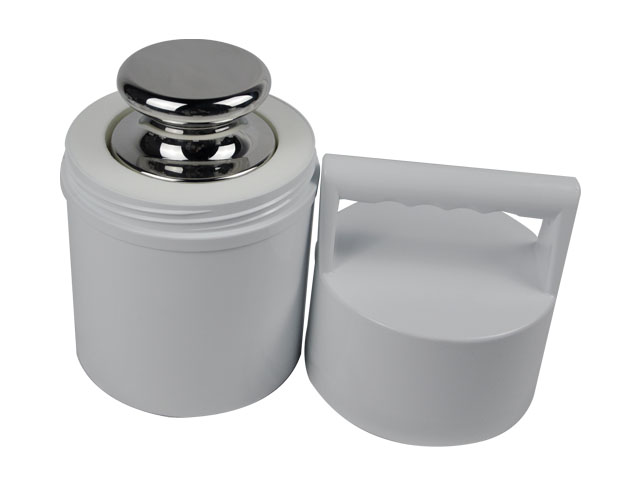
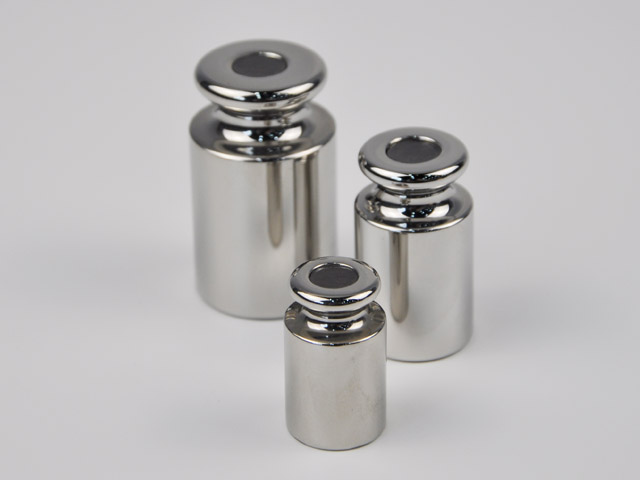
The material selection for E1 laboratory weight is the primary prerequisite for achieving stable and accurate mass performance, and every detail of material formulation and processing technology is strictly controlled to avoid any external factors that may cause mass change or measurement deviation. The base material adopted for this series of weights features low magnetic permeability and stable density characteristics, with the overall density maintained within a narrow and fixed range, effectively reducing the impact of magnetic field interference and air buoyancy changes on mass measurement results during long-term use. In laboratory measurement work, subtle magnetic induction effects or density fluctuations of weight materials can cause unignorable measurement errors when weighing trace samples or conducting high-precision balance calibration, so the selected raw materials undergo multiple rounds of purification and homogenization treatment in the production process to remove internal impurities and unstable components that may affect mass stability. The surface of each weight is processed through fine polishing and anti-corrosion treatment, forming a smooth and dense protective layer that effectively resists oxidation, moisture corrosion, and chemical erosion from trace volatile substances in the laboratory air. This special surface treatment not only prevents the weight from rusting, peeling, or surface quality loss due to long-term exposure to humid or chemically active laboratory environments but also avoids tiny surface bumps and depressions that may affect the contact state during weighing, ensuring that each contact with weighing equipment maintains a uniform and stable stress state and further reducing accidental measurement deviations caused by surface condition changes.
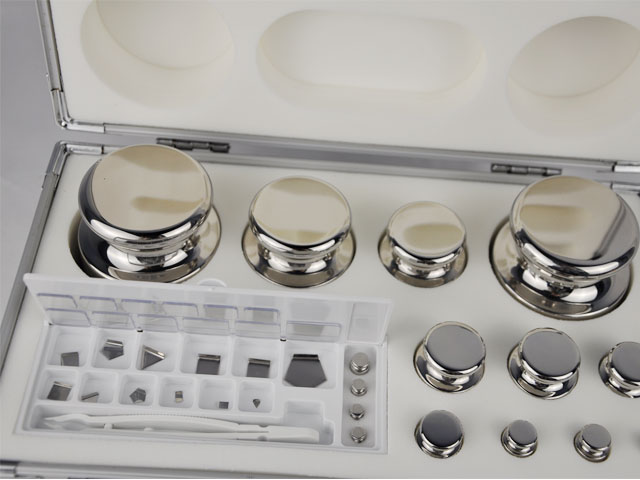
The structural design of E1 class high accuracy laboratory weight follows the core principle of centralized mass distribution and stable placement, with different structural forms adopted for weights of different specifications to adapt to diverse calibration and measurement operation habits. For small-specification weights used for trace mass calibration, an integrated one-piece forming structure is adopted, with no assembly gaps or loose parts inside the overall structure, eliminating mass changes caused by part loosening, falling off, or internal gap dust accumulation during long-term repeated use. For medium and large-specification laboratory weights, a reasonable two-piece structural design is applied, which facilitates fine mass fine-tuning in the production and later maintenance processes while ensuring overall structural firmness and tightness. All fine-tuning positions are strictly sealed and protected after mass debugging is completed, preventing external dust, moisture, and chemical pollutants from entering the interior and affecting the internal mass balance of the weight. The bottom and side contact parts of each weight are designed with smooth transition radian and flat surface precision processing, ensuring that the weight can be placed stably on the weighing pan of high-precision balances without tilting or shaking during use. A stable placement state is crucial for high-precision measurement, as even tiny tilting vibration will cause instantaneous fluctuation of balance sensor data, affecting the accuracy of calibration results and the consistency of repeated measurement data. Every structural detail optimization is carried out around reducing human operation interference and environmental placement interference, making the weight itself a highly stable mass reference carrier unaffected by external accidental factors.
The core application scenarios of E1 class high accuracy laboratory weight cover all professional links that require high-precision mass value traceability and accurate balance calibration, and it plays an irreplaceable basic role in the entire laboratory measurement system. The most common core application is the regular calibration and performance verification of high-resolution analytical balances and microbalances used in professional laboratories. These high-end weighing devices are widely used in pharmaceutical ingredient ratio testing, new material component analysis, chemical reagent trace proportioning, and scientific research sample precise weighing, requiring extremely high reading accuracy and data repeatability. After long-term continuous use, internal sensor sensitivity changes, slight mechanical structure wear, and environmental temperature and humidity changes will cause subtle deviations in balance weighing data. Regular calibration with E1 class high accuracy laboratory weight can correct these subtle deviations in time, restore the balance to an accurate working state, and ensure that all sample weighing data obtained through the balance is true, reliable, and consistent. Without the accurate calibration support of this high-level weight, even the most advanced weighing equipment will gradually have measurement drift, leading to inconsistent experimental data before and after, poor repeatability of research experiments, and inaccurate detection data of finished products.
In addition to direct calibration of high-precision weighing equipment, this type of laboratory weight also serves as an important intermediate mass reference standard for internal mass value transmission and traceability in metrology institutions and enterprise central laboratories. In the entire mass measurement work system, hierarchical transmission of mass values is required to ensure that all weighing tools and testing equipment used in production, testing, and research links can maintain unified and accurate measurement standards. E1 class high accuracy laboratory weight acts as a key bridge in this transmission link, responsible for transmitting accurate mass values to other lower-level working weights and conventional calibration weights, ensuring that all levels of measurement tools form a complete and consistent mass measurement system. This layered transmission mode can effectively avoid direct use of high-precision reference weights in frequent and complex on-site working scenarios, reducing wear and accidental damage to high-accuracy reference weights while ensuring that all on-site measurement work can still maintain a high degree of accuracy and consistency through secondary calibrated working weights. This application mode not only protects the service life and performance stability of high-precision reference weights but also realizes standardized and unified management of the entire enterprise and institutional measurement system, laying a solid foundation for the stability of product quality and the accuracy of experimental research.
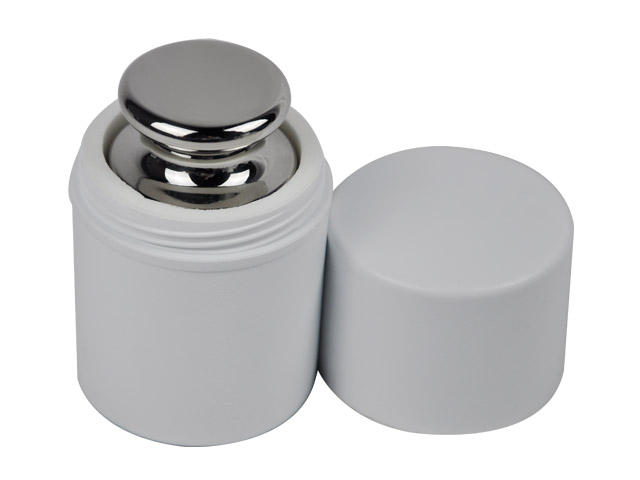
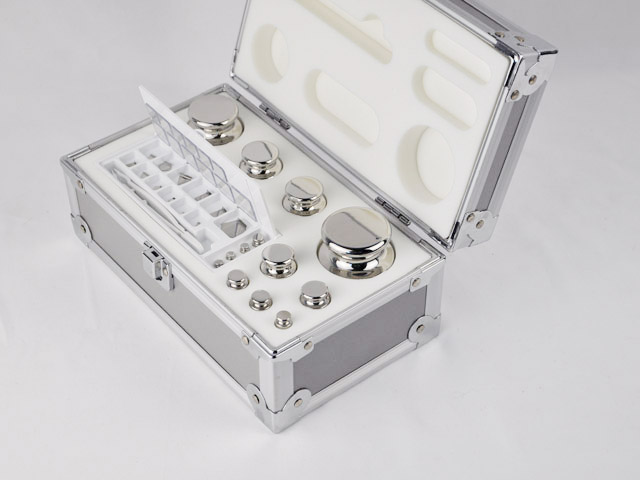
The use and daily maintenance management of E1 class high accuracy laboratory weight have strict standardized requirements, as its high-precision mass performance is easily affected by improper manual operation and poor storage environments, and standardized management is essential to maintain long-term stable performance. In daily laboratory operation, direct manual contact with the surface of the weight is strictly prohibited during all use processes, because sweat, grease, and tiny dust on human hands will adhere to the weight surface, causing subtle changes in surface mass and affecting measurement accuracy. Professional non-contact taking and placing tools are uniformly used to handle the weight, ensuring that the weight surface is always kept clean and free of foreign adhesion. After each use, the weight needs to be gently wiped with a professional non-corrosive cleaning tool to remove tiny dust and trace pollutants that may adhere to the surface during use, and then placed in a special sealed storage container for storage. The storage container is designed with moisture-proof, dust-proof, and shockproof functions, which can isolate the weight from the external laboratory's variable temperature and humidity environment, avoid long-term impact of air oxidation and moisture erosion on the weight, and prevent structural vibration and surface damage caused by accidental collision and extrusion.
The laboratory storage environment for E1 class high accuracy laboratory weight also needs to maintain stable temperature and humidity conditions, avoiding performance fluctuations caused by drastic environmental changes. Drastic temperature changes will cause slight thermal expansion and contraction of the weight material, leading to temporary mass measurement deviations and even subtle structural changes affecting long-term stability. Too high air humidity will easily cause oxidation and corrosion on the weight surface, while too dry environment will generate static electricity, adsorb tiny dust particles in the air, and affect the accuracy of mass reference. Therefore, the storage and use area of the weight needs to maintain a constant and stable environmental state, with regular monitoring and adjustment of temperature and humidity conditions to ensure that the weight is always in the most suitable environmental state. In addition, regular regular performance inspection and mass recheck work are required according to the actual use frequency and working environment. Through regular professional inspection, subtle mass changes and surface wear of the weight during long-term use can be detected in time, and necessary fine debugging and maintenance can be carried out to ensure that the weight always maintains stable and reliable mass performance during the entire service cycle.
In pharmaceutical research and production laboratories, the application value of E1 class high accuracy laboratory weight is particularly prominent, because pharmaceutical ingredient proportioning and finished product testing have extremely strict requirements on mass measurement accuracy, and any subtle measurement error may affect the safety and efficacy of pharmaceutical products. In the research and development of new pharmaceutical formulations, researchers need to accurately weigh trace active pharmaceutical ingredients and various auxiliary materials, and the proportion of each component directly determines the efficacy and safety of the final pharmaceutical preparation. Only with the support of high-precision calibrated weighing equipment and accurate E1 class laboratory weight calibration can the weighing data of pharmaceutical raw materials be kept accurate and consistent, ensuring the stability and uniformity of each batch of experimental formulations. In the conventional testing link of pharmaceutical finished products, various quality inspection indicators also rely on precise mass measurement data, and accurate weight calibration ensures the reliability of testing results, helping pharmaceutical production and research institutions strictly control product quality and maintain the stability of pharmaceutical production processes.
In the field of new material research and industrial advanced manufacturing, E1 class high accuracy laboratory weight also provides indispensable basic support for material performance testing and product precision processing. The research and development of new metal materials, composite materials, and electronic functional materials require accurate measurement of sample mass changes before and after various performance tests, including high-temperature resistance, corrosion resistance, and wear resistance tests. The subtle mass change data of samples is an important basis for judging material performance and optimizing material formulas, and all these data must be based on accurate mass measurement benchmarks. Advanced manufacturing industries such as precision electronic components and aerospace parts processing also need high-precision mass detection and calibration links to ensure that the quality of processed parts meets design standards. The calibration of weighing and testing equipment used in these links all rely on the stable reference performance of E1 class laboratory weight, ensuring that the mass detection data of parts is accurate and reliable, avoiding product performance defects and potential safety hazards caused by mass deviation of parts.
In environmental monitoring and chemical analysis laboratories, the application of E1 class high accuracy laboratory weight is also related to the accuracy of environmental data and chemical detection results. Environmental monitoring work includes the detection of trace pollutants in water bodies, air, and soil, and the content of these trace pollutants is usually calculated through precise mass measurement of samples and reagents. Accurate weighing of detection reagents and samples is the first step to ensure accurate detection data, and regular calibration of detection weighing equipment with high-accuracy laboratory weights can effectively avoid measurement errors in the detection process. In chemical quantitative analysis experiments, the accurate proportioning of chemical reagents and the accurate weighing of experimental samples directly affect the accuracy of chemical reaction results and data calculation conclusions. Stable and reliable mass reference standards ensure the repeatability and comparability of chemical analysis experiments, enabling experimental data between different laboratories and different experimental batches to maintain consistent reference standards, which is conducive to the smooth progress of chemical research and environmental monitoring work.
Looking at the entire field of laboratory metrology and industrial precision measurement, E1 class high accuracy laboratory weight is not a simple ordinary weighing accessory, but a core basic tool related to data credibility, product quality stability, and scientific research accuracy. Its excellent material performance, precise structural design, stable working state, and standardized use and maintenance requirements together build a solid foundation for high-precision mass measurement work. Whether in professional metrology management institutions, cutting-edge scientific research laboratories, pharmaceutical and chemical production testing departments, or new material research and advanced manufacturing fields, this type of high-accuracy laboratory weight silently provides stable and accurate mass reference benchmarks for all measurement and experimental work. With the continuous improvement of scientific research level and industrial production precision requirements, the importance of high-precision mass reference tools represented by E1 class high accuracy laboratory weight will become more prominent. Adhering to standardized use and scientific maintenance management, giving full play to its stable and accurate performance advantages, can effectively ensure the long-term reliability of laboratory measurement data and lay a solid foundation for the steady development of various scientific research experiments and industrial production work.
E1 Class High Accuracy Laboratory Weight
https://www.veidtweighing.com/laboratory-weights.html
Post Date: May 4, 2026

![Oiml F2 Calibration Standard Weight]()
Oiml F2 Calibration Standard Weight
Mass measurement forms the foundational backbone of all quantitative scientific research, industrial production, and commercial transaction activities. Every data result o…![Analytical Balance Calibration Weight]()
Analytical Balance Calibration Weight
Analytical balance calibration weights serve as fundamental reference tools in precision weighing operations, forming the core foundation for maintaining the accuracy and …![100g Calibration Weight For Pocket Scale Calibration]()
100g Calibration Weight For Pocket Scale Calibration
Pocket scales have become indispensable tools in countless daily and professional scenarios, favored for their compact size, portability, and ability to deliver fine weigh…![High Precision Laboratory Weight Set]()
High Precision Laboratory Weight Set
In every modern laboratory environment where quantitative measurement serves as the fundamental foundation for all experimental research, data recording, and material form…![Cylindrical Standard Weight]()
Cylindrical Standard Weight
Cylindrical standard weights are fundamental mass measurement tools widely adopted in metrology laboratories, industrial production lines, quality inspection procedures, a…