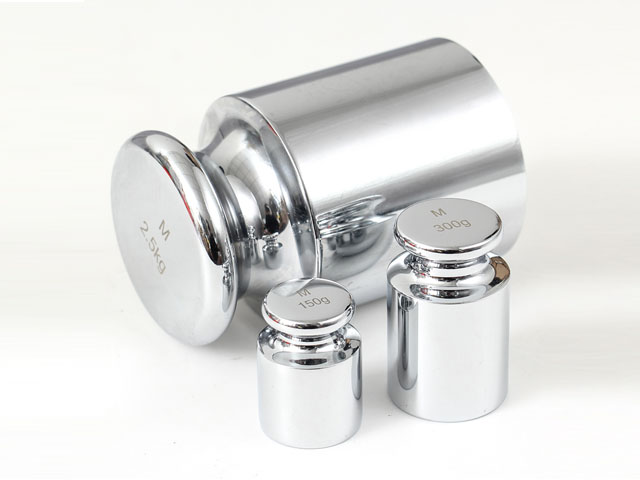
Laboratory Balance Check Weight Daily Calibration Use
In modern laboratory operations, accurate mass measurement serves as the foundational premise for all experimental analysis, sample testing, and data recording. Laboratory balances, as core precision measuring instruments, are widely applied in chemical analysis, pharmaceutical research, food testing, environmental monitoring, and material science experiments. The long-term and stable operation of balance equipment cannot be separated from daily weight check and routine calibration work, which effectively eliminates measurement errors caused by environmental changes, equipment aging, and operational factors, ensuring the authenticity, repeatability, and traceability of experimental data. Daily calibration and weight checking are not trivial repetitive operations but key standardized management procedures that run through the daily use of laboratory balances, helping staff capture subtle changes in instrument performance in a timely manner and avoid inaccurate measurement results affecting the entire experimental progress and conclusion judgment.
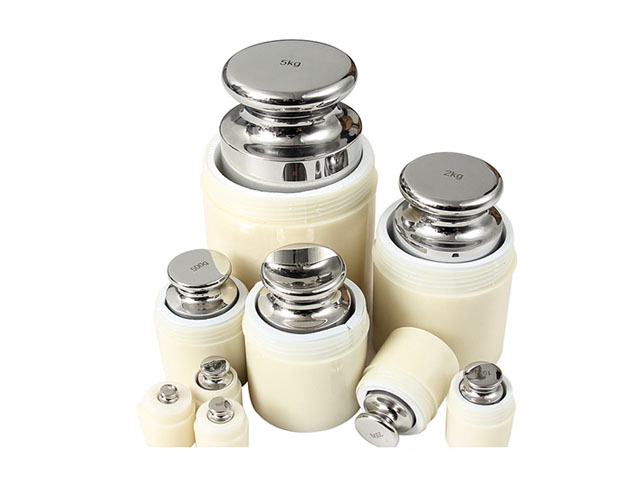
The working performance of laboratory balances is susceptible to a variety of external and internal factors during daily use. Environmental conditions are the most common influencing factors, including ambient temperature fluctuation, air humidity, ground vibration, and indoor air flow. Slight temperature changes will cause subtle thermal expansion and contraction of the balance’s internal mechanical structure and sensor components, changing the stress state of precision parts and leading to tiny deviations in mass induction. Excessively high or low air humidity may cause slight oxidation or moisture adsorption on the surface of internal components and calibration weights, altering the actual mass of weights and reducing the accuracy of calibration reference standards. In addition, continuous air flow generated by air conditioners and ventilation equipment will form unstable air pressure around the balance weighing pan, interfering with the stable placement of samples and weights, resulting in fluctuating weighing data. External vibration from laboratory equipment operation and personnel walking will also affect the balance’s static weighing state, making the instrument unable to complete stable data reading within a normal time.
Apart from environmental interference, internal equipment changes and human operational factors will also cause balance measurement deviation. With the increase of service time, the balance’s internal sensor, bearing and transmission parts will produce normal mechanical wear, and dust, residual sample particles and fine impurities accumulated on the weighing pan and internal cavity will affect the sensitivity of the instrument. In daily experimental operations, irregular placement of samples, excessive weighing range, and frequent sudden loading and unloading of heavy objects will cause fatigue loss of the balance’s precision components, gradually reducing the instrument’s measurement stability. Moreover, different operating habits of staff, such as failure to preheat the instrument in place, incomplete zero calibration before use, and non-standard placement of calibration weights, will also lead to inconsistent weighing results in different time periods, affecting the uniformity of laboratory test data. Daily weight check and calibration work is designed to target these variable factors, realizing real-time monitoring and correction of balance performance.
Daily calibration of laboratory balances based on standard check weights follows scientific and standardized operational logic, taking the stable mass of standard weights as a fixed reference to verify the instrument’s measurement accuracy and stability. Before starting daily calibration work, complete pre-operation preparation is required to create a suitable working environment and ensure effective calibration results. First, the balance instrument needs to be placed on a stable horizontal workbench, adjusting the horizontal foot pad according to the horizontal bubble indicator to keep the instrument in a fully horizontal state, which is the basic condition for accurate weighing. Tilting placement will cause uneven stress on the internal sensor, leading to systematic deviation of measurement data. After confirming the horizontal state, turn on the balance power supply and complete sufficient preheating according to the instrument’s operational requirements. Long-term shutdown of the balance will make the internal circuit and sensor in an unstable working state, and preheating can make the instrument’s operating parameters reach a constant level and ensure stable data output.
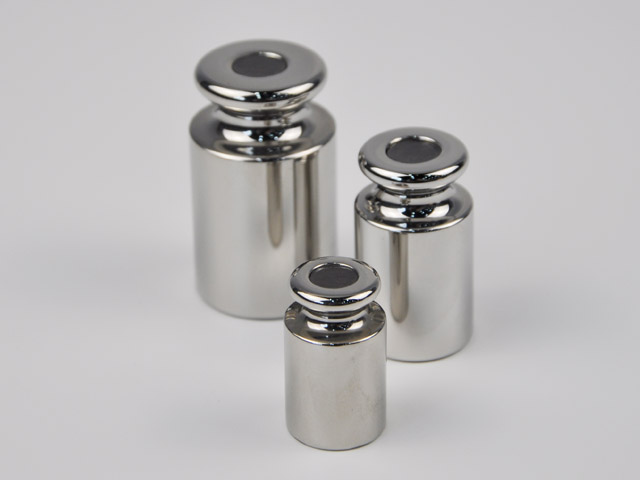
During the preheating period, staff need to inspect and clean the balance equipment and calibration check weights. Clean the weighing pan, weighing chamber and internal gap of the balance with soft dust-free tools to remove residual samples, dust and sundries, avoiding the interference of foreign matter on weighing contact and sensor induction. At the same time, inspect the surface state of daily check weights to confirm no obvious scratches, abrasion, adhesion of foreign substances and moisture residue. Place the cleaned weights in a clean and dry constant temperature environment for temporary placement, keeping them consistent with the ambient temperature of the laboratory, so as to avoid mass deviation caused by temperature difference between weights and the balance equipment. It is also necessary to close the doors and windows of the laboratory and reduce the start-stop frequency of ventilation and temperature control equipment during calibration, minimizing air flow and temperature fluctuation interference in the working area.
The formal daily calibration and weight checking process follows the principle from light weight to heavy weight and single-point to multi-point verification, covering the common weighing range of daily laboratory experiments. After the balance preheating is completed, perform manual zero clearing and tare operation first, waiting for the instrument’s display data to stabilize and confirm no zero drift phenomenon. Then select standard check weights of different specifications matching the balance’s measuring range for sequential detection. In the low-range detection stage, place small-specification standard weights in the center of the weighing pan, keep the weighing chamber closed, and record the stable display data of the instrument after the data is completely stable. After removing the small weights and waiting for the instrument to return to zero stably, replace with medium and large-specification standard weights for repeated detection, covering the low, medium and high sections of the balance’s effective weighing range.
In the calibration process, it is necessary to maintain standardized operating movements, hold the weights with clean tweezers or special weight-taking tools, and avoid direct contact between hands and the weight surface. Hand sweat, grease and fine dirt will adhere to the weight surface, causing subtle mass changes and affecting the accuracy of calibration reference. Each specification weight needs to be measured and recorded multiple times, and the fluctuation range of repeated measurement data is observed to judge the balance’s repeatability and stability. If the display data has small floating changes within a reasonable interval, it indicates that the instrument’s operating state is stable; if the data fluctuates greatly or cannot be stabilized for a long time, it means that the balance has abnormal performance, and subsequent inspection and debugging are required.
After completing multi-point weight detection, compare the measured data with the standard mass value of the check weight, calculate the deviation value of each detection point, and judge whether the balance is in normal working state according to the allowable error range of precision weighing. For slight deviation within the acceptable range, record the deviation data completely for subsequent experimental data reference and error correction; for deviation exceeding the normal range, stop the instrument from being put into experimental use immediately, conduct comprehensive inspection on the balance’s horizontal state, internal cleanliness, circuit operation and component state, and perform secondary calibration after eliminating potential interference factors. If the deviation still exists after repeated calibration, mark the instrument as abnormal and report it for professional maintenance, avoiding the use of faulty equipment for experimental testing.
Daily weight calibration work is not only to verify the accuracy of balance measurement data, but also an important part of laboratory equipment daily management and quality control. Long-term standardized daily calibration can form continuous equipment operation data records, helping laboratory staff track the performance change trend of each balance equipment. By sorting out daily calibration data for a long time, it is possible to find the slow performance attenuation of the instrument caused by component aging and long-term use in advance, realize predictive maintenance of equipment, and avoid equipment failure affecting experimental progress. At the same time, unified daily calibration standards make the weighing data of different time periods and different operators have consistent accuracy benchmarks, ensuring the comparability and credibility of experimental data in the whole laboratory.
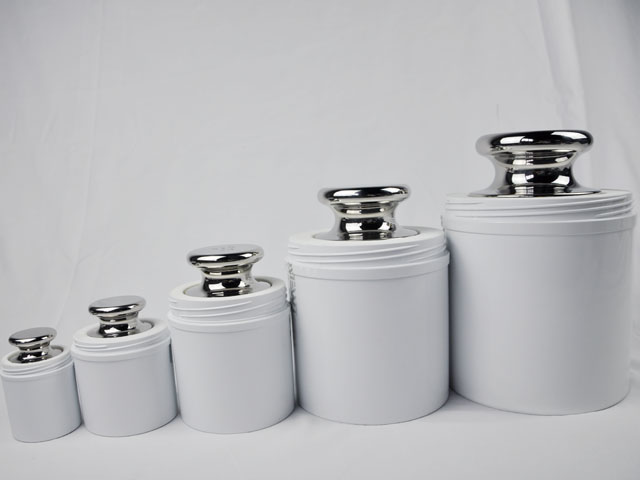
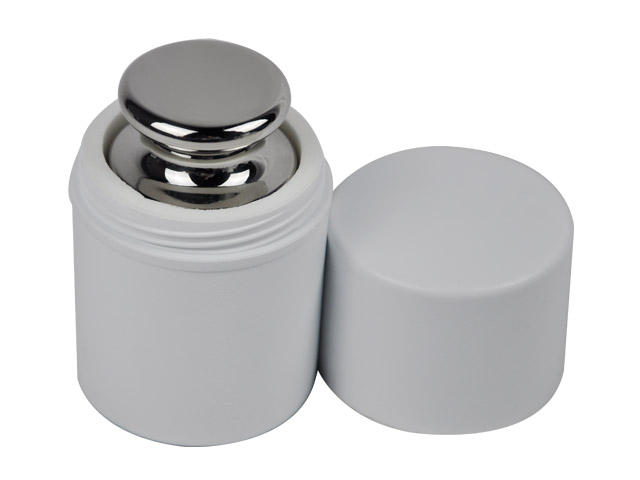
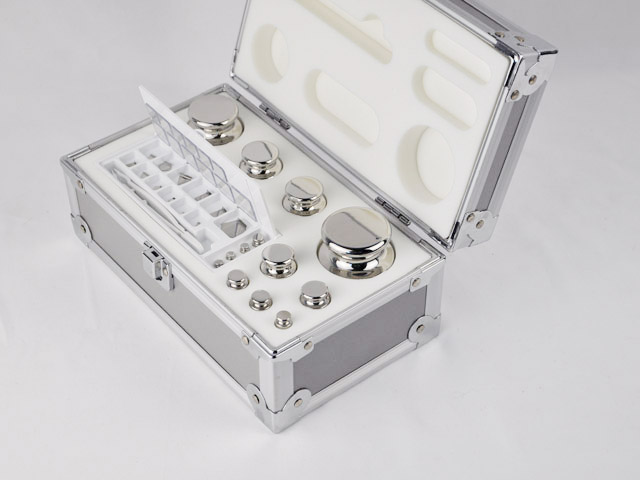
The daily maintenance and preservation of check weights also directly affect the effectiveness of balance calibration work. Standard check weights are precision measuring accessories, and their daily management needs to follow standardized storage and maintenance specifications. After completing the daily calibration work, clean the weights again with a soft clean cloth, remove possible residual dust and fine impurities on the surface, and place them in a special dry storage box for sealed storage. The storage environment needs to maintain constant temperature and low humidity, avoiding long-term exposure to humid air, corrosive gas and high-temperature environment, so as to prevent weight surface oxidation, corrosion and moisture absorption quality change. In daily management, avoid collision, friction and drop of weights, prevent physical damage and mass loss caused by mechanical impact, and regularly sort out and check the integrity of weight specifications to ensure complete matching of calibration tools.
In addition to fixed-point weight calibration, daily use management of balances also needs to cooperate with standardized operational specifications to maintain long-term measurement accuracy. After each experimental operation, clean the weighing pan and internal cavity of the balance in time to avoid long-term adhesion of corrosive, volatile and granular samples, which will corrode internal components and affect weighing sensitivity. Arrange special personnel to be responsible for the daily inspection and calibration of balance equipment, form fixed daily operation logs, record calibration time, environmental conditions, weight detection data and equipment operation status in detail, and realize traceable management of equipment daily use. For balances that are frequently used and bear heavy experimental tasks, appropriately increase the frequency of daily calibration inspection to eliminate cumulative errors caused by frequent use.
The value of daily balance weight calibration is reflected in every link of laboratory experimental research and testing work. In quantitative chemical analysis experiments, accurate mass data is the core basis for calculating solution concentration, sample content and reaction yield, and tiny weighing errors will be amplified in the subsequent calculation process, leading to wrong experimental results. In pharmaceutical and food testing, accurate weighing of samples and reagents is related to the accuracy of ingredient content detection and safety index judgment, and unqualified balance measurement will affect the authenticity of product testing reports. In material science research, the precise mass change of samples before and after the experiment is an important data basis for analyzing material properties and reaction mechanisms, and stable and accurate balance performance is the basic guarantee for smooth research.
Many subtle measurement errors are difficult to be found in a single experiment, but long-term lack of daily calibration will lead to continuous accumulation of errors, resulting in inconsistent experimental data, poor repeatability of research results, and even invalidation of entire experimental batches. Adhering to standardized daily weight check and calibration can eliminate these potential risks, maintain the stable working performance of balance equipment, and provide reliable data support for all laboratory testing and research work. In the daily operation of the laboratory, it is necessary to always take daily calibration as a key basic work, standardize operational processes, strict environmental control and equipment management, cultivate standardized operating habits of staff, and ensure that each weighing data is true, accurate and effective.
To sum up, daily calibration and weight checking of laboratory balances are indispensable basic work in laboratory quality control system. It takes standard check weights as the reference basis, comprehensively inspects and corrects the measurement errors caused by environment, equipment and operation factors, effectively guarantees the stability and accuracy of balance equipment operation, and provides a solid foundation for the standardization and scientization of laboratory experimental work. Only by persisting in rigorous daily calibration management and standardized equipment maintenance can we avoid experimental data deviation caused by instrument problems, ensure the reliability of laboratory research and testing results, and promote the stable development of various laboratory technical work.
Laboratory Balance Check Weight Daily Calibration Use
https://www.veidtweighing.com/laboratory-weights.html
Post Date: Jun 7, 2026

![2kg Stainless Steel Weight For Scale]()
2kg Stainless Steel Weight For Scale
In every sector that relies on dependable weighing operations, having reliable reference tools forms the backbone of consistent and trustworthy measurement workflows, and …![5kg Stainless Steel Heavy Duty Industrial Standard Weight]()
5kg Stainless Steel Heavy Duty Industrial Standard Weight
Industrial weighing operations form the backbone of modern manufacturing, processing, and quality control workflows, requiring consistent, reliable, and durable calibratio…![1kg Stainless Steel Weight]()
1kg Stainless Steel Weight
In the intricate and interconnected world of modern measurement operations, industrial production, laboratory research, and daily quality verification work, the 1kg stainl…![Stainless Steel Adjustable Calibration Weight For Testing]()
Stainless Steel Adjustable Calibration Weight For Testing
In modern metrology and industrial testing processes, consistent and reliable measurement accuracy serves as the foundational guarantee for qualified production, experimen…![Oiml Stainless Steel Weight]()
Oiml Stainless Steel Weight
In every sector that relies on accurate mass measurement to maintain operational consistency and reliable operational outcomes, stainless steel weights stand out as founda…