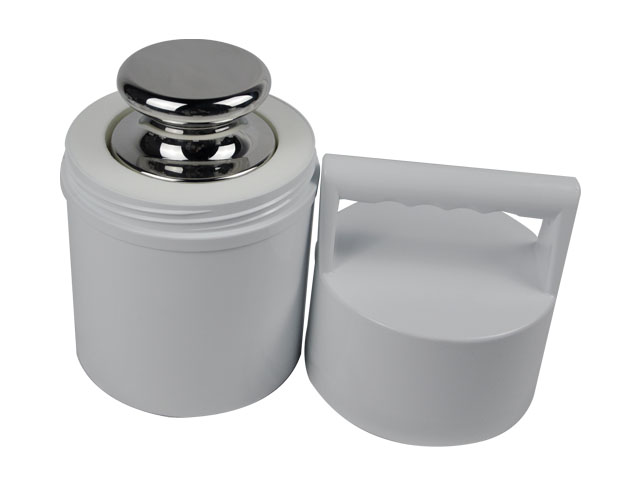
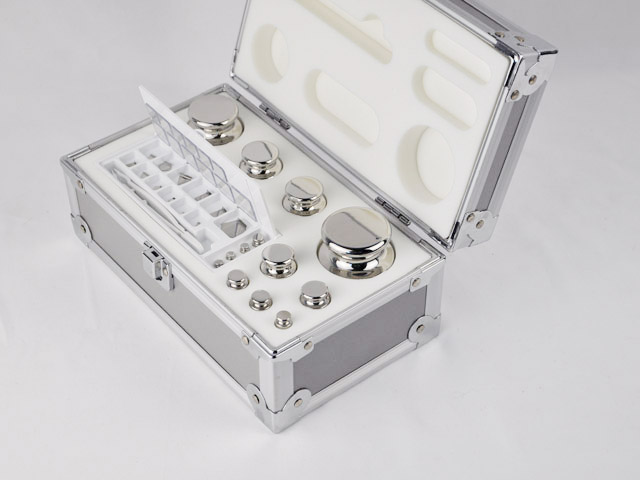
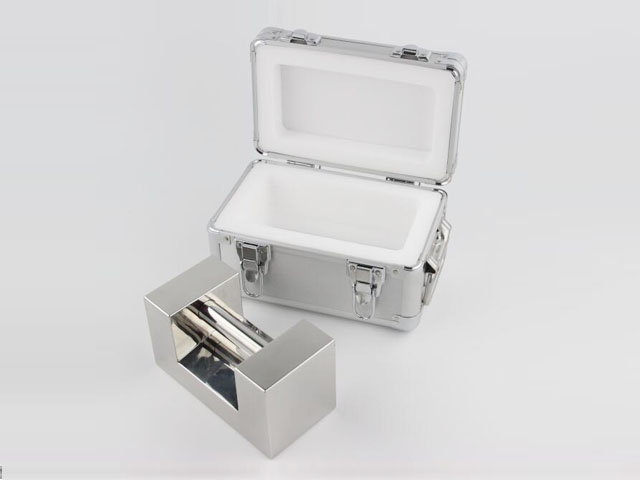
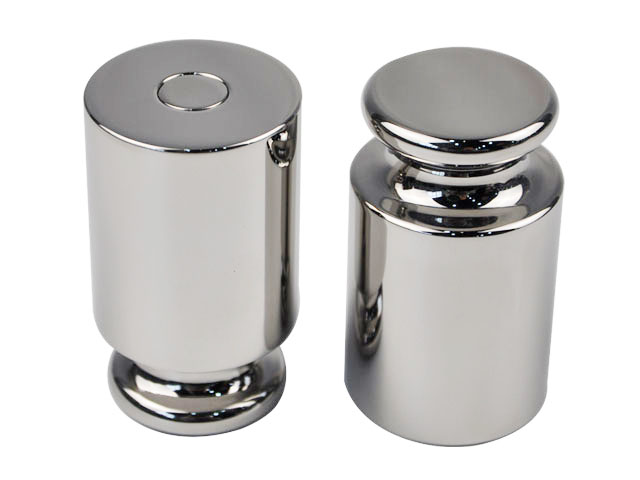
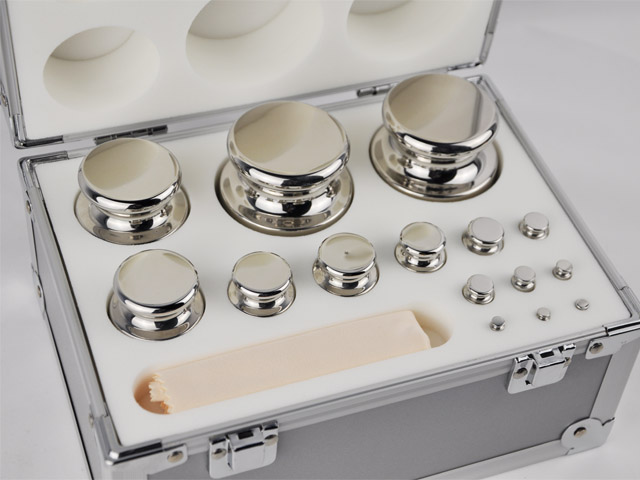
Polished Stainless Steel Precision Weighing Weight
Polished stainless steel precision weighing weights stand as essential foundational tools in the field of metrology, serving a core role in calibrating weighing equipment, verifying measurement accuracy, and maintaining consistent dimensional and mass standards across diverse industrial and scientific scenarios. Crafted with meticulous material selection and refined surface treatment processes, these weighing weights distinguish themselves from ordinary counterweights through their stable physical properties, smooth surface finish, and reliable mass consistency, making them indispensable for accurate mass measurement work in modern production, laboratory research, and quality inspection sectors. The integration of high-quality stainless steel raw materials and professional polishing techniques endows these precision weights with unique advantages in durability, anti-interference performance, and long-term service stability, meeting the rigorous measurement requirements of various sophisticated environments.
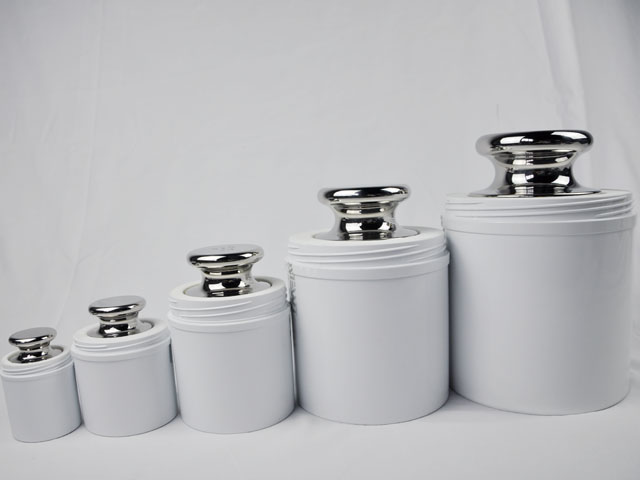
The core value of polished stainless steel precision weighing weights originates from the superior inherent characteristics of stainless steel materials paired with exquisite post-processing craftsmanship. Unlike traditional cast iron or carbon steel weighing tools that are prone to external environmental interference, stainless steel materials feature dense internal molecular structure, uniform texture distribution, and excellent physical and chemical stability. This material base effectively resists daily oxidation, moisture erosion, and minor chemical contact, avoiding the mass deviation caused by rust, corrosion, or surface wear that commonly occurs in low-grade weighing weights. The polishing process further optimizes the surface state of the stainless steel matrix, removing surface burrs, pits, uneven textures, and residual processing marks generated during cutting and forging. After multi-stage fine polishing, the surface of the weighing weight presents a smooth, compact, and uniform metallic luster, with significantly reduced surface roughness.
This refined surface treatment brings multiple practical benefits to the use of precision weighing weights. First, the smooth polished surface greatly reduces the adhesion of external substances such as dust, fine particles, oil stains, and moisture. In laboratory environments, industrial production workshops, and storage spaces with varying humidity and cleanliness levels, ordinary weighing tools are easy to accumulate tiny impurities on the surface, which will gradually change the actual mass of the weights and lead to inaccurate calibration results over time. The polished stainless steel surface effectively avoids such impurity accumulation, keeping the surface clean for a long time and ensuring that the mass state of the weights remains stable during repeated use. Second, the polishing process hardens and compacts the surface layer of stainless steel, enhancing the surface wear resistance and scratch resistance of the weights. In frequent handling, placement, and calibration operations, the weights are less likely to produce surface scratches, depressions, or material peeling, thus maintaining the integrity of the external structure and the accuracy of the standard mass for an extended period.
The production process of polished stainless steel precision weighing weights follows strict standardized processing procedures, covering raw material screening, precision forming, heat treatment, fine polishing, and mass fine adjustment. Each link is designed to eliminate mass errors and structural defects and ensure the consistency and stability of each finished weight. In the raw material screening stage, high-purity stainless steel with stable density and uniform composition is selected to avoid internal defects such as pores and inclusions that may affect mass accuracy. The density uniformity of the material is crucial for precision weighing weights, as uneven material density will cause subtle mass deviations in different parts of the weight, which will be amplified in high-precision measurement scenarios and affect the overall calibration effect.
In the precision forming stage, advanced mechanical processing equipment is used for integral cutting and forging, ensuring that the overall shape, size specification, and structural symmetry of the weight meet unified standards. Symmetrical structural design helps avoid mass center deviation, ensuring that the weight can be placed stably on the weighing platform during use, reducing measurement errors caused by placement tilt or unstable stress. The subsequent heat treatment process eliminates internal stress generated during mechanical processing, stabilizing the internal molecular structure of the stainless steel material. This process prevents the slow deformation or mass change of the weight caused by residual internal stress during long-term storage and use, further improving the long-term stability of the product.
The fine polishing stage is a key procedure that determines the surface quality and service performance of the precision weighing weight. Different from simple surface grinding, the precision polishing process adopts progressive polishing methods with different fineness abrasives, from rough grinding to remove large processing marks to fine grinding and mirror polishing to optimize surface flatness and smoothness. After repeated polishing and fine trimming, the surface flatness of the weight is highly optimized, and no uneven areas or microscopic protrusions exist. This not only improves the appearance texture of the product but more importantly, eliminates the microscopic structural defects that may cause impurity adsorption and surface corrosion, laying a solid foundation for long-term stable use.
The final mass fine adjustment link is the core step to realize the precision of the weighing weight. Professional metrology technicians conduct repeated mass detection and fine trimming on each processed weight, accurately adjusting the mass deviation within a tiny allowable range. Through precise material trimming and detection verification one by one, each polished stainless steel weighing weight can maintain accurate and reliable mass data, which can serve as a reliable reference standard for the calibration and detection of various weighing instruments.
Polished stainless steel precision weighing weights are widely applied in numerous fields that require high-precision mass measurement and calibration, covering scientific research laboratories, pharmaceutical manufacturing, food processing, chemical industry, electronic manufacturing, precision machinery processing, and quality inspection institutions. In scientific research laboratories, a large number of precision analytical balances and micro-weighing instruments need regular calibration to ensure the accuracy of experimental data. Experimental researches in chemistry, physics, biology, and material science all rely on accurate mass measurement data, and stable precision weighing weights provide a credible measurement benchmark for these experimental works, ensuring the repeatability and authenticity of experimental results.
In the pharmaceutical and food industries, production processes involve strict raw material proportioning, finished product testing, and packaging specification detection. The accurate weighing of raw materials directly affects the quality stability of pharmaceutical preparations and food products, while the detection of finished product weight specifications is an important part of product quality control. Polished stainless steel precision weighing weights can calibrate various electronic scales, analytical balances, and industrial weighing equipment used in production lines, ensuring that the weighing data in the production and detection process is consistent and standard, helping enterprises maintain stable product quality and standardized production processes.
The electronic manufacturing and precision machinery industries have extremely high requirements for component accuracy and product consistency. Many tiny precision parts and electronic components need to be screened and detected by mass, and the calibration of high-precision weighing equipment is essential to ensure the uniformity of product quality. The stable physical properties and accurate mass of polished stainless steel weighing weights can meet the long-term continuous calibration needs of industrial production equipment, adapt to the continuous production and detection rhythm of industrial workshops, and provide reliable technical support for standardized industrial production.
In professional quality inspection and metrology institutions, precision weighing weights are core standard measuring tools, undertaking the work of regular verification and calibration of various weighing instruments in the market and various industries. As a transfer standard of mass value, polished stainless steel precision weighing weights can realize the accurate transmission of mass measurement values, ensure the unified measurement standard of the whole industry, and avoid measurement errors caused by instrument deviation, which is of great significance to maintaining the standardized order of industrial measurement and commodity trading.
Compared with weighing weights made of other materials, polished stainless steel precision weighing weights show obvious comprehensive advantages in practical application. Cast iron weighing weights are low in cost but prone to rust and corrosion, with poor surface flatness, easy to adsorb dust and moisture, and their mass stability will decline rapidly after long-term use, requiring frequent replacement and calibration. Coated weighing weights can isolate external corrosion to a certain extent, but the surface coating is easy to fall off and wear after repeated friction and handling, resulting in direct exposure of the base material and rapid attenuation of use performance. In contrast, polished stainless steel precision weighing weights integrate the advantages of material stability and process optimization, with no need for surface coating protection, and the polished metal surface can maintain stable performance for a long time under normal use and storage conditions.
In terms of adaptability to the use environment, polished stainless steel precision weighing weights can adapt to conventional indoor environments, as well as environments with slight humidity and weak corrosive gas. In chemical laboratories and pharmaceutical production environments where trace volatile substances exist, ordinary weighing tools are easy to be corroded and deteriorated, while stainless steel materials with stable chemical properties can resist weak chemical erosion, and the smooth polished surface is not easy to retain chemical residues, which is convenient for daily cleaning and maintenance. This environmental adaptability makes it more versatile in complex industrial and experimental scenarios.
Daily maintenance and standardized storage are key factors to extend the service life and maintain the measurement accuracy of polished stainless steel precision weighing weights. Although the product has good anti-corrosion and wear resistance, improper use and storage will still cause subtle mass changes and structural damage. In daily use, it is necessary to avoid direct contact with hands as much as possible. The sweat, grease, and fine impurities on human hands will adhere to the polished surface, forming invisible residual layers after long-term contact, which will affect the accurate mass of the weights. It is recommended to use clean tweezers or special gloves to handle the weights to keep the surface clean and tidy.
When cleaning is required, use clean soft cotton cloth or professional dust-free wiping paper to gently wipe the surface. For slight oil stains and dust residues, it can be wiped with a small amount of neutral cleaning solution, and then dried with a dry soft cloth to ensure no water stains and residual cleaning agents on the surface. Avoid using corrosive cleaning agents such as strong acid and strong alkali, so as to prevent chemical damage to the stainless steel surface and affect the surface finish and structural stability. At the same time, avoid violent collision and friction between the weights and hard objects, so as to prevent surface scratches, depressions and material loss caused by impact, which will lead to mass deviation.
In terms of storage, polished stainless steel precision weighing weights need to be placed in a dry, clean, and constant-temperature storage environment, avoiding long-term exposure to humid air, high temperature, or dusty spaces. Humid environment will increase the risk of microscopic oxidation on the metal surface, while high temperature environment will affect the internal structural stability of the material. It is ideal to place the weights in a special sealed storage box with a shockproof and dustproof structure, which can effectively isolate external dust, moisture and mechanical impact, and keep the weights in a stable storage state for a long time. In addition, classified storage should be carried out according to different specifications and weights to avoid confusion and collision damage during access.
Regular professional calibration and detection are also essential to maintain the performance of precision weighing weights. After long-term repeated use, even high-stability polished stainless steel weighing weights will have tiny mass changes due to subtle surface wear and environmental influence. Regular professional metrology detection can timely grasp the mass deviation state of the weights, and carry out fine adjustment and correction when slight deviation occurs, ensuring that the weights always meet the precision requirements of measurement and calibration work. The cycle of professional detection can be adjusted according to the frequency of use and the use environment. Weights used frequently in industrial production and complex environments need shorter detection cycles, while weights used occasionally in standard laboratory environments can appropriately extend the detection cycle.
With the continuous improvement of industrial production precision and laboratory measurement standards, the market demand for high-stability and high-precision weighing standard tools is constantly upgrading. Polished stainless steel precision weighing weights, as mature and reliable mass measurement standard products, are constantly optimized in material formula and processing technology with the development of the industry. The continuous improvement of polishing technology further improves the surface finish and uniformity of the products, and the optimized material processing technology further enhances the structural stability and mass consistency of the weights. These progressive optimizations enable the products to better adapt to the increasingly stringent precision measurement requirements in modern industry and scientific research.
In practical application, the value of polished stainless steel precision weighing weights is reflected in the long-term stable and accurate measurement guarantee they provide. Every precise calibration of weighing equipment, every accurate experimental data acquisition, and every standardized product quality detection is inseparable from the reliable support of these basic metrology tools. Their excellent material performance, exquisite processing technology, and convenient use and maintenance characteristics make them occupy an irreplaceable position in the field of precision mass measurement. While meeting the basic calibration and detection needs of various industries, they also provide solid basic support for the standardized development of industrial production and the progress of scientific experimental research.
In conclusion, polished stainless steel precision weighing weights combine the advantages of high-quality stainless steel materials and fine polishing craftsmanship, with outstanding performance in mass stability, surface durability, environmental adaptability and daily maintenance convenience. As basic precision metrology tools, they serve numerous industries and fields, providing accurate and reliable mass standard references for measurement calibration and quality control work. With standardized use, scientific maintenance and regular professional detection, these weighing weights can maintain stable precision performance for a long time, continuously create value for industrial production, scientific research experiments and quality inspection work, and lay a solid foundation for the standardization and precision development of modern measurement work.
Polished Stainless Steel Precision Weighing Weight
https://www.veidtweighing.com/ssweight/StainlessSteelWeight
Post Date: May 28, 2026

![E1 Class High Accuracy Laboratory Weight]()
E1 Class High Accuracy Laboratory Weight
In the intricate and rigorous world of laboratory metrology, the consistency and credibility of all experimental data and measurement outcomes hinge entirely on reliable m…![Lab Stainless Steel Weight Kit]()
Lab Stainless Steel Weight Kit
In every laboratory environment where precise mass measurement serves as the core of daily experimental operations, quality inspection procedures, and routine metrology ma…![20kg Stainless Steel Crane Scale Lock Test Weight]()
20kg Stainless Steel Crane Scale Lock Test Weight
Industrial weighing accuracy serves as the foundational guarantee for standardized production, safe operation, and standardized measurement in various industrial sectors. …![10kg Stainless Steel Weight]()
10kg Stainless Steel Weight
In the modern industrial production, laboratory precision testing, daily equipment debugging and various professional weighing and balancing work scenarios, solid and reli…![Premium Stainless Steel E1 Class Precision Lab Weight]()
Premium Stainless Steel E1 Class Precision Lab Weight
In the intricate field of laboratory metrology, consistent and reliable mass reference serves as the fundamental foundation for all quantitative experimental research and …