Laboratory Weight For Sale
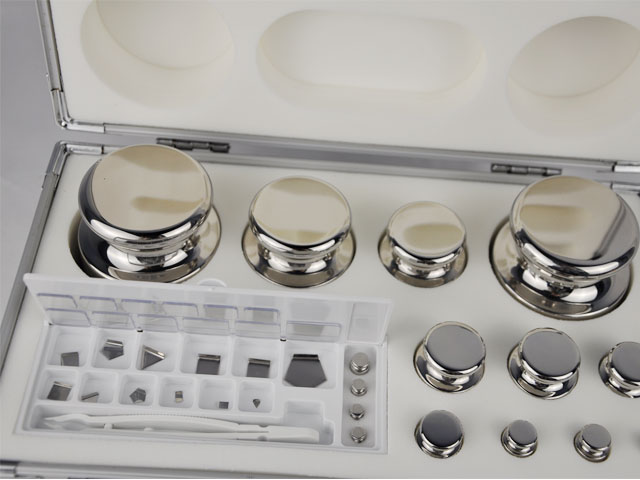
Laboratory weights stand as fundamental precision instruments in modern scientific research, industrial testing, and analytical measurement environments, serving as reliable mass references that underpin the accuracy and consistency of countless experimental and operational processes. Designed to deliver stable and consistent mass reference values, these specialized weights are essential accessories for all types of laboratory weighing equipment, supporting daily instrument verification, routine calibration, and precise sample measurement across diverse professional fields. In every scenario where accurate mass data is required, laboratory weights act as a foundational guarantee for credible experimental results and standardized operational procedures, making them a staple tool for laboratories, research institutions, and production testing departments worldwide.
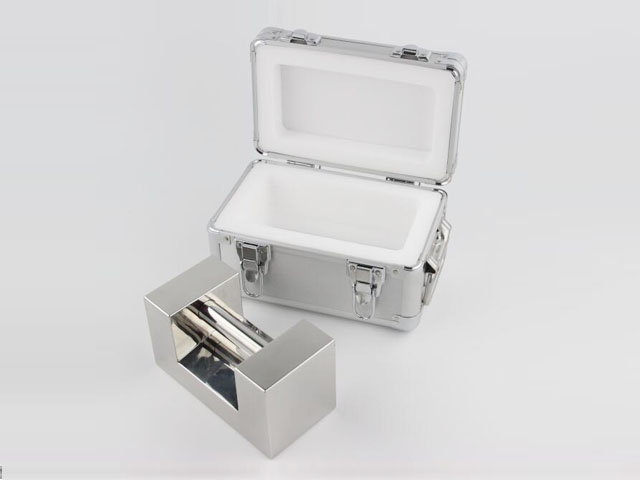
The core value of laboratory weights lies in their ability to provide standardized mass references for weighing systems. All precision weighing instruments used in laboratories, from compact analytical balances to large-scale precision weighing platforms, will experience subtle deviations in measurement performance after long-term use, frequent operation, or exposure to fluctuating environmental conditions. These minor deviations can gradually accumulate and affect the authenticity and repeatability of experimental data, which is unacceptable in rigorous scientific research and quality detection work. Laboratory weights solve this problem effectively by offering fixed, stable mass benchmarks. Technicians can compare the readings of weighing instruments with the standard mass of laboratory weights regularly, identify subtle measurement deviations in a timely manner, and adjust the equipment to restore normal and accurate measurement performance. This basic working mechanism maintains the overall precision of laboratory weighing systems and ensures that all mass-related experimental data remains consistent and traceable throughout repeated tests and long-term research cycles.
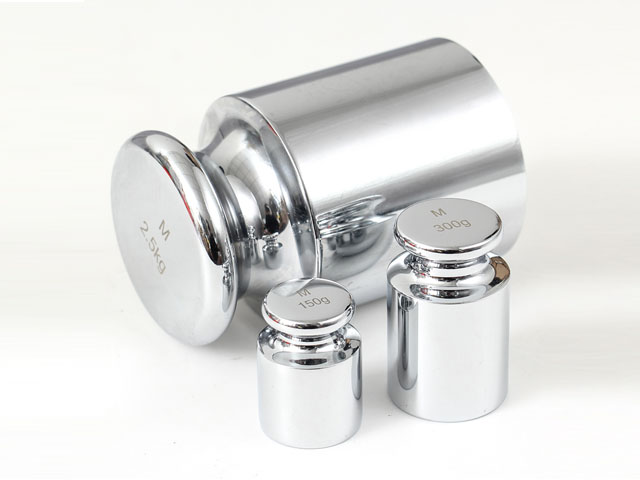
Material selection is a key factor that determines the performance and service life of laboratory weights, with high-quality materials laying the foundation for stable measurement performance. Most practical laboratory weights are crafted from high-density, anti-corrosion metal materials that undergo fine polishing and strict processing treatments. Such materials possess excellent structural stability, resisting minor deformation caused by conventional external pressure, temperature changes, and long-term placement. In laboratory environments where trace chemical vapors, humid air, and fine dust are common, the anti-corrosion and oxidation-resistant properties of these materials prevent surface deterioration, quality loss, or structural changes that could compromise measurement accuracy. Meanwhile, the uniform density of premium materials ensures consistent stress distribution inside each weight, avoiding unbalanced mass deviation caused by internal structural defects. Some lightweight micro weights used for ultra-precision measurement adopt refined processing techniques to achieve smoother surface finishes, reducing surface adhesion of dust and moisture and further stabilizing long-term measurement reliability.
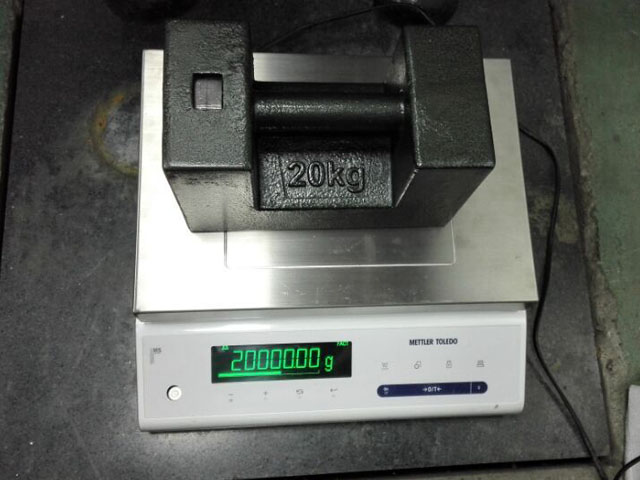
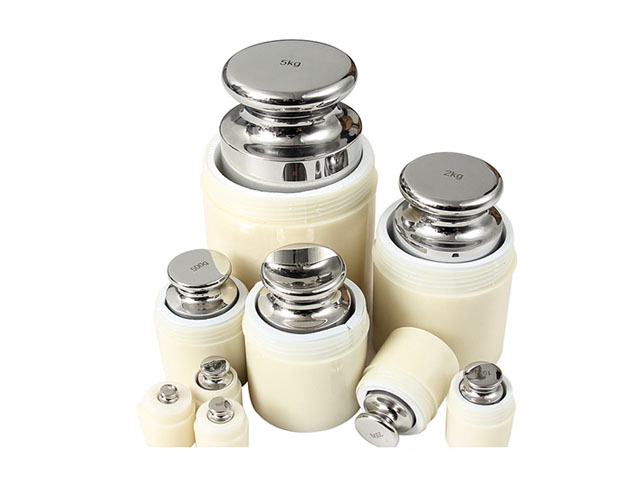
Laboratory weights cover a complete range of mass specifications to adapt to diversified measurement scenarios in different industries and research fields. From tiny micro weights used for trace sample detection to large-specification weights for verifying industrial precision weighing equipment, the complete specification range can meet the calibration and testing needs of various weighing instruments. In daily laboratory operations, small and medium-sized conventional weights are widely used for routine calibration of analytical balances and precision electronic scales, supporting conventional experiments in chemistry, biology, and environmental science. Ultra-small micro weights are applied in high-precision research scenarios such as genetic material testing, trace reagent analysis, and micro-component detection, where even minimal mass deviation will affect experimental conclusions. Large-specification laboratory weights are mainly used in industrial quality control and material testing laboratories to verify the accuracy of medium and large weighing equipment, ensuring the stability of product ingredient proportioning and material quality testing data.
The application scenarios of laboratory weights penetrate almost all fields that rely on precise mass measurement, showing extremely high practical value and universality. In chemical laboratories, accurate mass measurement of reagents and samples is the premise of quantitative analysis experiments, chemical reaction proportioning, and standard solution preparation. Slight errors in reagent weighing will directly change the concentration of prepared solutions and the progress of chemical reactions, leading to inaccurate experimental data and invalid research results. Laboratory weights calibrate weighing equipment before each batch of experiments, ensuring that the mass of weighed reagents and samples is accurate and providing reliable basic data for chemical quantitative analysis, reaction mechanism research, and material component testing.
In biological and medical research laboratories, the precision of laboratory weights is equally critical. Many biological experiments involve the preparation of culture media, biological reagents, and test samples, where strict mass proportion standards must be followed to ensure the normal growth of biological samples and the validity of experimental observations. In pharmaceutical research and testing links, the weighing of active ingredients and auxiliary materials requires high-precision mass control to maintain the stability of drug components and ensure the safety and effectiveness of finished products. Laboratory weights help medical and biological research personnel eliminate measurement errors of weighing equipment, maintain the consistency of sample preparation standards in repeated experiments, and support the smooth progress of drug development, biological genetic research, and medical sample detection work.
Environmental monitoring and food testing industries also depend heavily on qualified laboratory weights for daily testing work. Environmental laboratories need to weigh trace pollutants, water quality detection reagents, and soil sample components, and accurate mass data is essential for analyzing pollutant content and evaluating environmental quality. Food testing laboratories must strictly control the weighing of food samples and detection reagents to accurately detect nutrient content, additive dosage, and harmful substance residues in food materials, ensuring food quality and safety. The stable performance of laboratory weights ensures that the testing data of environmental and food samples is true and reliable, providing effective data support for environmental governance and food quality supervision.
Industrial production and quality inspection departments also take laboratory weights as an important tool for quality control. In the production of fine chemicals, new materials, and precision electronic accessories, the proportion of raw materials directly affects the performance and quality of finished products. Production and testing personnel use laboratory weights to regularly calibrate production weighing equipment and testing instruments, ensuring that raw material proportioning in the production process meets process standards and that finished product quality testing data is accurate. This standardized weighing management effectively reduces product quality fluctuations caused by measurement deviations, improves the overall stability of product quality, and helps enterprises maintain standardized production levels.
The rational selection and standardized use of laboratory weights are crucial to maintaining long-term measurement accuracy. When selecting suitable laboratory weights, users need to match the specification and precision level of the weights according to the measurement range and precision requirements of their existing weighing equipment. Using weights with mismatched precision levels cannot achieve effective calibration and may even cause unnecessary wear on weighing instruments. For high-precision analytical balances used for trace measurement, supporting high-precision small-specification weights are required to meet the needs of micro-calibration and trace testing. For industrial conventional weighing equipment, medium and large-specification conventional precision weights can meet daily calibration and verification needs.
Daily maintenance and proper storage of laboratory weights directly affect their service life and measurement stability. These precision instruments need to be placed in a dry, clean, and constant-temperature storage environment to avoid long-term exposure to humid, high-temperature, or dusty spaces, which may cause surface oxidation, dust accumulation, and subtle mass changes. During use, direct hand contact with the surface of the weights should be avoided, as sweat and oil stains on the skin will adhere to the surface, causing slow quality changes and affecting measurement accuracy. It is recommended to use professional tweezers or non-contact handling tools to take and place weights, ensuring the surface cleanliness and structural integrity of each weight. After each use, the weights should be gently cleaned of surface dust and stains and placed back in a dedicated storage box to prevent collision, extrusion, and friction damage that may cause structural deformation.
In the whole system of laboratory measurement work, laboratory weights are inconspicuous but indispensable basic tools. They do not directly participate in experimental research and product testing, but they underpin the accuracy, consistency, and traceability of all mass measurement data. Whether it is basic academic research in university laboratories, professional testing in scientific research institutions, or quality control in industrial production, standardized and high-performance laboratory weights are important guarantees for the smooth development of all work links involving mass measurement. With the continuous improvement of scientific research standards and industrial precision production requirements, the demand for stable-performance, high-precision, and durable laboratory weights is constantly increasing, making them essential supporting equipment for upgrading laboratory measurement systems and standardizing testing processes.
The laboratory weights available for general laboratory and industrial use feature stable physical properties, standardized specifications, and strong environmental adaptability, fully meeting the daily calibration, instrument verification, and auxiliary measurement needs of various conventional and high-precision scenarios. After fine processing and strict quality control during production, each weight maintains stable mass performance and uniform specifications, avoiding individual mass deviations caused by processing defects. The optimized structural design ensures convenient use and storage, while excellent material properties support long-term repeated use, reducing the frequency of equipment replacement and improving the overall efficiency of laboratory measurement work. For all institutions and enterprises that pursue accurate and standardized measurement data, selecting reliable laboratory weights is a necessary investment in maintaining experimental credibility and production quality stability.
Laboratory Weight For Sale
https://www.veidtweighing.com/laboratory-weights.html
Post Date: Jun 7, 2026
https://www.supplier-manufacturer.com/laboratory-weight/laboratory-weight-for-sale.html

![F Class Laboratory Calibration Standard Weight]()
F Class Laboratory Calibration Standard Weight
Precision measurement forms the foundational backbone of modern laboratory research, industrial production, and quality control operations, where even minor deviations in …![Cast Iron Weight For Floor Scales]()
Cast Iron Weight For Floor Scales
Floor scales serve as foundational weighing equipment across a vast range of industrial, commercial, and logistics operations, tasked with measuring heavy loads reliably a…![Laboratory Weight Manufacturer]()
Laboratory Weight Manufacturer
Laboratory weights serve as fundamental physical tools for mass measurement, laying a solid foundation for accurate data acquisition in scientific research, industrial pro…![Precision Stainless Steel Laboratory Weight]()
Precision Stainless Steel Laboratory Weight
In every modern laboratory setting where accurate mass measurement forms the foundational backbone of experimental research, material testing, quality verification, and ro…![100g Stainless Steel Weight]()
100g Stainless Steel Weight
In the intricate and interconnected world of measurement and precision balancing, small yet fundamental tools play an irreplaceable role in maintaining the consistency and…