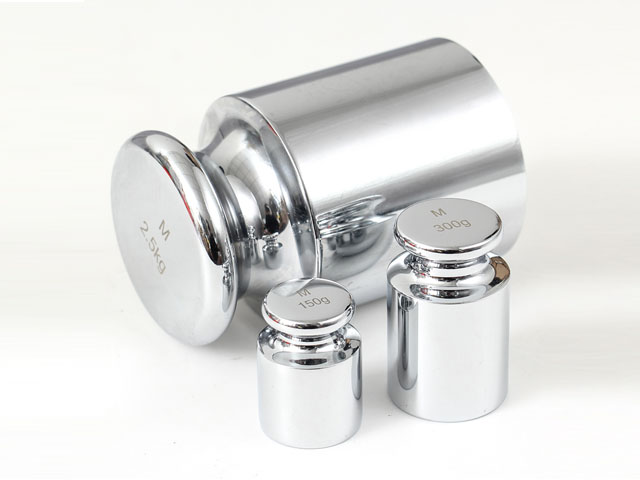
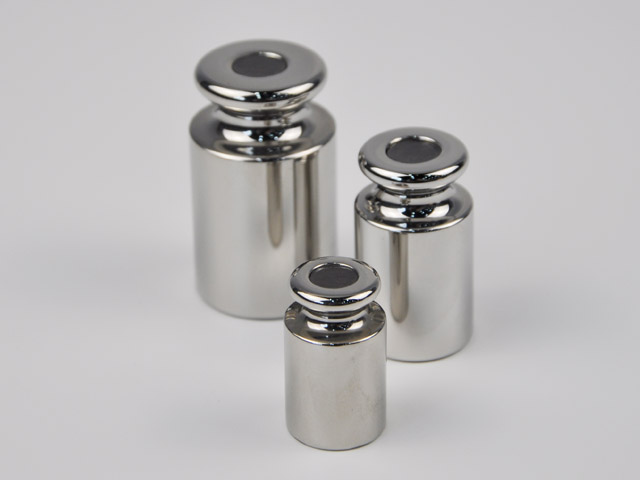
50kg Standard Weight
In the intricate and interconnected framework of modern production, scientific research, daily commercial transactions, and engineering operation, the stability and accuracy of weight measurement serve as an invisible cornerstone that sustains the orderly progress of all human productive and living activities. Every batch of manufactured goods leaving production lines, every precise experimental data recorded in laboratory environments, every balance adjustment completed during large-scale engineering operations, and every fair measurement link in daily material circulation all rely on unified and reliable weight reference benchmarks. Among all commonly used weight reference tools, the 50kg standard weight stands out as a moderately sized, highly adaptable, and widely applicable measurement carrier that bridges the gap between small precision laboratory measurement and large-scale industrial heavy-load weighing work. It is neither too light to meet the calibration needs of large weighing equipment nor too heavy to cause inconvenient handling and daily operation, making it a core basic measurement tool that runs through multiple fields and scenarios, silently supporting the normalization and standardization of all links related to weight measurement in society.
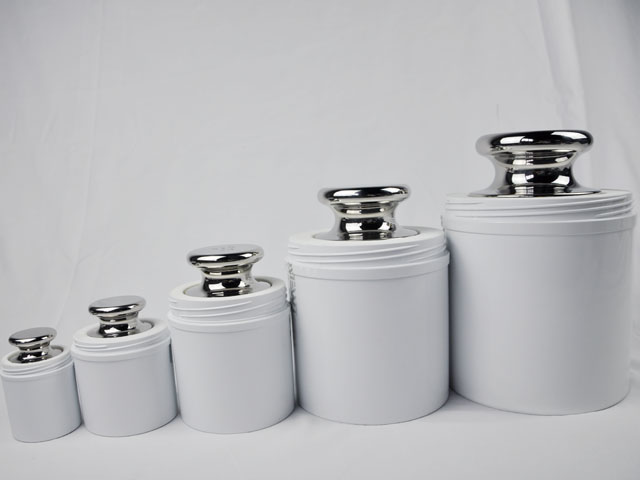
A 50kg standard weight is essentially a solid object manufactured strictly in accordance with unified dimensional specifications and weight tolerance requirements, designed specifically for weighing equipment calibration, load testing, mechanical balance adjustment, and weight reference verification. Unlike ordinary weighted objects used for casual stacking or simple load bearing, this type of standard weight is crafted with rigorous attention to material uniformity, surface processing fineness, and overall weight consistency during the production process. The core design purpose is to provide a fixed, repeatable, and consistent weight reference point that remains stable under conventional environmental changes and long-term use. In any scenario where it is applied, the core value of the 50kg standard weight lies in eliminating measurement deviations caused by equipment aging, environmental interference, long-term use wear, and manual operation errors, ensuring that all weighing instruments and mechanical devices involved in operation can maintain consistent and reliable working performance for a long time. Without such unified standard weight references, all weight-related measurement data would lose comparability and credibility, and the orderly operation of industrial production, scientific experimentation, and commercial trade would fall into chaos due to inconsistent measurement standards.
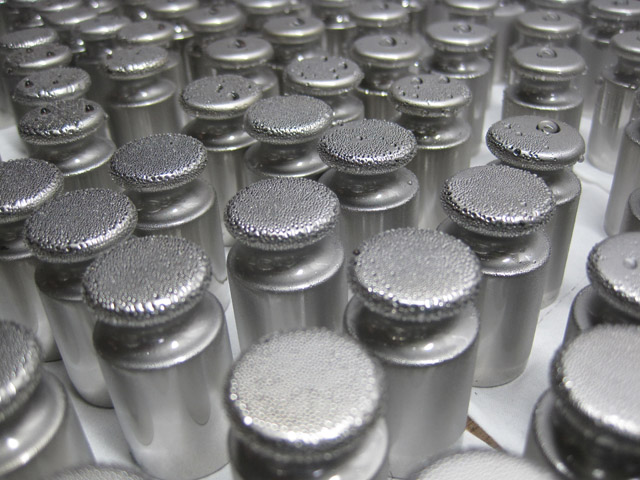
The material selection and production processing of the 50kg standard weight directly determine its service life, weight stability, and environmental adaptability in different working scenarios. Most standard weights of this specification are made of high-density solid metal materials with stable physical and chemical properties, which can effectively resist the impact of conventional temperature changes, humidity fluctuations, and minor external friction and collision on weight accuracy. In the production process, raw materials are first smelted and refined to ensure internal density uniformity without internal pores or uneven component distribution, avoiding subtle weight changes caused by internal material differences after long-term use. After the initial forming of the main body, multiple fine grinding and surface treatment processes are carried out to keep the overall surface smooth and flat, reducing surface oxidation, corrosion, and wear problems that may occur during long-term handling and use. The overall structural design focuses on solidity and compactness, with a reasonable external shape that not only facilitates stable placement on various weighing equipment and mechanical equipment but also meets the basic needs of handling and moving in different working environments. No redundant decorative structures are added in the design, and all production and processing links are centered on maintaining long-term weight stability and convenient practical application, ensuring that the weight value of each 50kg standard weight can remain within the required tolerance range for a long time even after frequent use and repeated handling.
In industrial manufacturing and industrial production and processing scenarios, the 50kg standard weight plays an indispensable core role in equipment calibration and production quality control. Various types of platform scales, floor scales, and production line supporting weighing equipment used in factory workshops need regular and periodic calibration and detection to ensure accurate weighing data during the production and processing of raw materials, semi-finished products, and finished products. After long-term continuous use, industrial weighing equipment is prone to subtle measurement deviations due to mechanical vibration, equipment aging, material residue accumulation, and frequent load bearing. Regular calibration with a 50kg standard weight can effectively check the measurement accuracy of each position of the weighing equipment, correct subtle deviations in a timely manner, and ensure that the weighing data of raw material batching, product counting, and finished product weight detection in the production process is true and reliable. In the processing and manufacturing of mechanical parts, electronic equipment, and daily consumer goods, accurate weight measurement is directly related to the consistency of product specifications and the stability of product quality. Only by relying on the accurate reference of the 50kg standard weight to keep weighing equipment in a normal working state can manufacturers ensure that each batch of products meets unified production specifications, avoid product quality fluctuations and unqualified product problems caused by inaccurate weighing, and maintain the stability of production rhythm and product qualification rate.
In the field of engineering construction and mechanical operation, the application value of the 50kg standard weight is reflected in mechanical balance debugging and load performance testing of engineering equipment. Various cranes, aerial work platforms, mobile lifting equipment, and building construction supporting mechanical devices need to undergo strict balance testing and load bearing performance verification before formal operation and daily use. The 50kg standard weight can be used as a fixed test load to simulate the actual load state of mechanical equipment, detect whether the balance system of the equipment operates normally, whether the load-bearing protection device responds sensitively, and whether the mechanical structure remains stable under the set load state. In the process of equipment debugging and daily maintenance, staff use multiple 50kg standard weights to carry out graded load testing, which can effectively judge the bearing capacity limit and operation stability of mechanical equipment, discover potential mechanical hidden dangers and performance failures in advance, and avoid safety accidents such as equipment imbalance, load-bearing overload, and mechanical failure during subsequent formal engineering operations. Whether it is tower crane operation in building construction, mechanical debugging of lifting equipment in municipal engineering, or stability detection of temporary supporting equipment in road construction, the 50kg standard weight provides a reliable load reference basis for the safe operation of engineering machinery, ensuring that all engineering operations are carried out within a safe and standardized range.
Scientific research laboratories and experimental detection institutions also rely heavily on the 50kg standard weight to carry out accurate experimental work and data verification. Many scientific experiments, material performance tests, and physical property detection projects require accurate weight data as the basic support for experimental research, and the accuracy of experimental weighing instruments directly affects the authenticity and validity of final experimental results. Laboratory precision balances, experimental special weighing instruments, and load-bearing test equipment all need regular calibration with standard weights to eliminate measurement errors caused by long-term placement, environmental changes, and frequent experimental use. The 50kg standard weight, with its moderate weight specification, is suitable for calibration work of medium and large experimental weighing equipment, meeting the weight reference needs of material pressure resistance tests, structural load-bearing experiments, and physical performance detection of experimental samples. In many long-term follow-up scientific research projects, the consistency of measurement standards is crucial to the comparability of experimental data in different stages. The stable and reliable weight attribute of the 50kg standard weight ensures that experimental measurement standards remain unified throughout the research cycle, enabling researchers to obtain accurate and comparable experimental data, summarize objective experimental laws, and draw reliable research conclusions, laying a solid measurement foundation for the progress of scientific research and technological innovation.
Commercial circulation and daily material trading scenarios also cannot do without the accurate support of the 50kg standard weight for fair measurement. In bulk commodity trading, grain purchasing and sales, logistics and freight weighing, and market bulk material circulation, various commercial weighing equipment needs to maintain accurate measurement performance to ensure the fairness and impartiality of trading activities. Regular calibration of commercial weighing scales with 50kg standard weights can effectively prevent measurement deviations caused by equipment aging or improper use, avoid unfair trading problems caused by inaccurate weighing data for both buyers and sellers, and maintain the good order of commercial market transactions. In logistics transportation and freight settlement links, accurate weighing of goods is related to standardized settlement of transportation costs and reasonable arrangement of transportation load. The calibration of logistics weighing equipment through standard weights ensures the accuracy of goods weight statistics, makes freight settlement more standardized and transparent, and also helps transportation enterprises reasonably control vehicle load and ensure transportation safety. The standardized application of 50kg standard weights in commercial links maintains the basic fairness of market economic activities and protects the legitimate rights and interests of all market participants in the trading process.
Daily maintenance and scientific storage are key factors to ensure that the 50kg standard weight maintains long-term accuracy and stable performance. Although this type of standard weight is made of durable and corrosion-resistant materials, long-term exposure to harsh environments, random collision and stacking, and improper cleaning and placement will still affect its surface state and internal structural stability, leading to subtle changes in weight and affecting subsequent measurement and calibration effects. In daily use, staff need to avoid violent collision, falling, and random throwing of the standard weight, preventing surface deformation, structural damage, and local wear caused by external impact. After each use, the surface of the standard weight should be cleaned in time to remove surface dust, dirt, and residual sundries, avoiding long-term adhesion of corrosive substances to cause surface oxidation and corrosion. For storage, a dry, ventilated, and stable indoor environment should be selected, avoiding long-term placement in high temperature, high humidity, or corrosive gas environments, and avoiding stacking heavy objects on the standard weight to prevent structural deformation. In addition, regular regular inspection and weight recheck work should be done to timely detect subtle weight changes and surface damage problems, and carry out maintenance and correction work in a timely manner to ensure that the 50kg standard weight is always in a qualified working state and can provide accurate weight reference services for various measurement and calibration work.
Looking at the entire social measurement system and industrial operation system, the 50kg standard weight is not just a simple weighted physical object, but an important basic tool that maintains measurement unity, ensures production safety, guarantees trading fairness, and promotes scientific research progress. It does not have dazzling external design and complex functional structure, but it plays an irreplaceable foundational role in all links related to weight measurement. From large industrial production bases to small market trading sites, from professional scientific research laboratories to complex engineering construction sites, the figure of the 50kg standard weight can be seen everywhere, silently completing calibration, detection, debugging, and verification work behind the scenes. All accurate weighing data, standardized production operations, safe engineering construction, and fair commercial transactions are all inseparable from the basic guarantee provided by this standard weight. With the continuous development of social economy, the continuous progress of industrial technology, and the continuous improvement of scientific research level, the requirements for measurement accuracy and standardization in various fields are constantly improving, and the importance of the 50kg standard weight as a basic measurement benchmark will become more prominent. Adhering to the standardized use, scientific maintenance, and reasonable management of 50kg standard weights is not only a basic requirement for normal operation of various industries but also an important foundation for maintaining social economic order and promoting stable and healthy development of all social undertakings.
50kg Standard Weight
https://www.veidtweighing.com/standard-weights.html
Post Date: May 5, 2026
https://www.supplier-manufacturer.com/standard-weight/50kg-standard-weight.html

![Stainless Steel Flat Test Weight For Platform Scale Calibration]()
Stainless Steel Flat Test Weight For Platform Scale Calibration
Stainless steel flat test weights serve as essential precision tools for the routine calibration and accuracy verification of platform scales across diverse industrial and…![Standard Weight For Platform Scales]()
Standard Weight For Platform Scales
In industrial production, commercial trading, logistics warehousing, and quality inspection industries, platform scales serve as one of the most fundamental and indispensa…![Calibration Weight For Laboratory Instrument Factory Calibration Use]()
Calibration Weight For Laboratory Instrument Factory Calibration Use
In the rigorous operational system of modern laboratory instrument manufacturing and daily calibration practices, calibration weights stand as one of the most fundamental …![Calibration Weight For Mechanical Balance Scale]()
Calibration Weight For Mechanical Balance Scale
Mechanical balance scales remain a foundational tool in precision weighing operations across laboratories, industrial workshops, educational institutions, and quality insp…![200g F2 Precision Calibration Weight Quality Control Lab]()
200g F2 Precision Calibration Weight Quality Control Lab
In modern quality control laboratory operations, accurate and repeatable mass measurement serves as the foundational pillar of reliable experimental data, product testing,…