Kitchen Scales
Cooking is often described as a blend of art and science, where creative intuition meets precise measurement to craft meals that delight the senses and nourish the body. Many home cooks rely on visual judgment and traditional spoons or cups to gauge ingredients, yet these casual methods often bring subtle inconsistencies that alter the taste, texture, and overall quality of finished dishes. A kitchen scale stands as one of the most understated yet transformative tools in any home culinary space, turning vague estimations into accurate measurements and bringing stability to everyday cooking and baking routines. Far from being a specialized tool only for professional chefs or avid bakers, it is a practical household accessory that elevates the standard of daily meals, making consistent, well-balanced cooking accessible to everyone regardless of skill level.
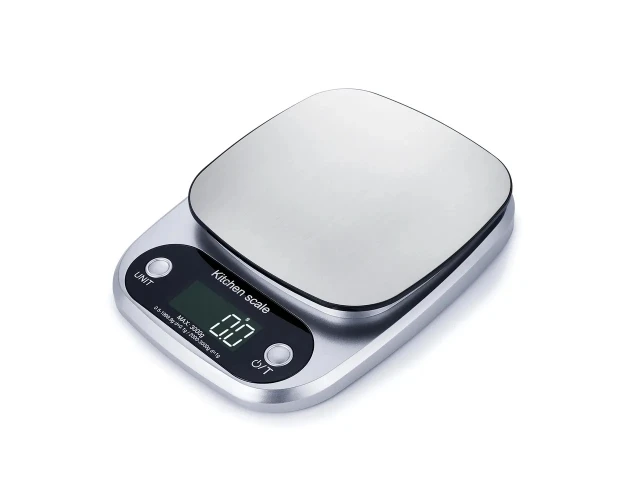
In daily home cooking, people often overlook how much small measurement errors can affect a dish. When adding flour for pancakes, sugar for homemade sauces, or salt for stews, a slight excess or deficiency can shift the entire flavor profile. Too much flour makes pastries dense and heavy, while insufficient sugar leaves homemade jams lacking in balanced sweetness, and uneven salt content can turn a carefully prepared savory dish bland or overly sharp. Visual estimation varies greatly from person to person, influenced by personal experience, lighting conditions, and even the size of containers used for holding ingredients. A kitchen scale eliminates all these subjective variables, providing a unified and accurate reference for every ingredient portion. Each measurement becomes reliable, ensuring that the same recipe yields the same wonderful results every time it is recreated, whether one cooks once a week or every single day.
Baking is perhaps the most intuitive scenario to understand the value of a kitchen scale, as this culinary craft relies heavily on precise ingredient ratios. Unlike stir-frying or stewing, where minor adjustments can be made midway through cooking, baking is a process that leaves little room for last-minute corrections. The structure of bread, the fluffiness of cakes, the crispness of cookies, and the smooth texture of custards all depend on the exact proportion of dry and wet ingredients. Traditional volume measuring tools such as cups and spoons are prone to errors caused by ingredient compaction. Flour sifted loosely into a cup occupies more space than flour that has been pressed down, and brown sugar packed tightly delivers far more weight than lightly filled sugar. These seemingly tiny differences accumulate quickly, leading to failed baked goods that sink in the center, fail to rise properly, or turn out dry and crumbly. A kitchen scale measures ingredients by weight, which bypasses the inconsistencies of volume measurement entirely, delivering precise portions that align with recipe requirements and lay a solid foundation for successful baking outcomes.
Beyond baking, a kitchen scale brings remarkable improvements to everyday savory cooking and homemade beverage preparation. Making homemade pasta dough, dumpling wrappers, or steamed bun dough requires balanced ratios of flour, water, and sometimes salt or oil. Accurate weight measurements ensure the dough maintains consistent elasticity and softness, making it easier to knead, shape, and cook evenly. For homemade soups, marinades, and seasoning blends, precise measurements of spices, sauces, and thickeners help create layered, harmonious flavors without overpowering or weakening the main ingredients. When preparing healthy drinks such as fruit smoothies, homemade yogurt blends, or herbal tea concentrates, weighing fruits, grains, and supplementary ingredients allows for balanced nutritional intake and consistent taste in every serving. Even simple daily preparations like portioning rice, oats, or nuts become more standardized with the help of a kitchen scale, bringing order and accuracy to casual daily eating habits.
For those who pursue balanced and healthy eating habits, a kitchen scale is an invaluable companion for managing daily nutritional intake. Many people aim to control portions of staple foods, proteins, and auxiliary ingredients to maintain a balanced diet, whether for daily wellness management, gentle physical conditioning, or consistent healthy living. Estimating portion sizes by eye often leads to unintentional overconsumption or insufficient nutrient intake. Using a kitchen scale to weigh staple grains, fresh meats, vegetables, and auxiliary ingredients allows individuals to track and adjust their daily food portions accurately. This method of portion management is not about strict restriction but about building a more conscious and scientific eating routine. It helps users understand reasonable serving sizes of different foods, avoid blind overeating, and maintain a stable, balanced dietary structure over time. Gradually, this precise eating habit translates into better physical condition and more orderly daily routines.
The practicality of a modern kitchen scale also lies in its user-friendly design and versatile functionality that adapts to diverse household needs. Most household kitchen scales feature a lightweight, compact structure that occupies minimal counter space, easy to store in kitchen cabinets or drawers when not in use, and convenient to place on any flat countertop during operation. The smooth surface of the scale platform allows for easy cleaning, simply requiring a quick wipe with a soft cloth to remove flour residue, liquid splatters, or fine spice particles, maintaining a clean and hygienic kitchen environment. The intuitive operation system suits users of all ages, with simple functions that allow for quick zeroing and tare weighing. The tare function is particularly practical, enabling users to place a bowl, plate, or container on the scale first and reset the reading to zero, so only the weight of the ingredients added inside the container is measured. This eliminates the trouble of calculating container weight separately, simplifies the measurement process, and improves overall cooking efficiency.
A well-designed kitchen scale supports the measurement of various ingredient types, adapting to fine powder ingredients, granular grains, liquid condiments, and solid foods of different textures. It can accurately measure tiny portions of fine spices and baking powder required for delicate pastries, as well as larger portions of staple grains and meat ingredients for family meals. This wide measurement range makes it suitable for diverse cooking scenarios, from making small-batch desserts for one or two people to preparing full family dinners with multiple dishes. The stable sensing performance ensures steady and clear readings, avoiding jumping numbers or inaccurate data that may disrupt the cooking process. Whether measuring a small amount of vanilla powder for a delicate cake or a large portion of rice for family meals, the scale maintains stable and reliable performance to meet daily household cooking demands.
Using a kitchen scale also helps reduce food waste and cultivate more economical cooking habits. Many cooking failures caused by inaccurate measurements result in unpalatable dishes that end up being discarded, wasting fresh ingredients and the time spent on preparation. Precise measurement effectively reduces such unnecessary waste, ensuring that every ingredient is used in the right proportion to produce edible, delicious meals. Additionally, accurate portioning allows users to prepare just the right amount of food according to the number of diners, avoiding cooking excessive portions that go leftover and spoil. This subtle change in cooking habits not only saves ingredients but also helps develop a more mindful and rational attitude toward food, cherishing every ingredient and respecting the effort that goes into homemade meals.
For beginners who are new to cooking and baking, a kitchen scale serves as an excellent learning tool to accumulate culinary experience efficiently. Many novice cooks struggle with grasping ingredient ratios and seasoning amounts, leading to unstable dish quality and frustration when following recipes. By using a scale to strictly follow measured portions, beginners can intuitively understand the matching rules between different ingredients, gradually build a sense of culinary proportion, and accumulate practical experience. After long-term use, users can naturally form a vague sense of weight estimation, allowing them to make flexible adjustments according to personal taste preferences on the basis of standard ratios. This process helps learners move from rigidly following recipes to flexible independent cooking, steadily improving their culinary skills and building confidence in daily food preparation.
Even for experienced cooks who rely on rich experience for daily cooking, a kitchen scale still has irreplaceable value. Experienced cooks can rely on intuition for most daily dishes, but when trying new recipes, making seasonal specialty foods, or preparing delicate festival meals, precise measurement is still essential. New recipes often have unique ingredient ratio requirements that differ from habitual cooking methods, and blind estimation can easily lead to failure. Making traditional fermented foods such as sourdough bread, fermented vegetables, and homemade sauces also requires strict proportion control to ensure smooth fermentation and stable taste. In these scenarios, a kitchen scale provides reliable data support, allowing experienced cooks to stably replicate new recipes and create high-quality homemade delicacies with consistent flavor.
The value of a kitchen scale extends far beyond simple weight measurement; it brings a rigorous and refined attitude to ordinary daily cooking. Cooking is not only a way to fill the stomach but also a warm daily ritual that connects family and life. Every precise measurement is a serious treatment of ingredients and a careful arrangement of life details. In fast-paced modern life, many people pursue efficiency and often ignore the subtle details of cooking, leading to repetitive, monotonous daily meals. Using a kitchen scale adds a sense of ritual and refinement to ordinary cooking processes. It turns casual cooking into a deliberate creation, making every homemade dish more stable in taste and more delicate in texture, and making daily dining more comfortable and satisfying.
Moreover, a kitchen scale fits perfectly into the minimalist and practical style of modern home kitchens. It does not require complex installation or tedious maintenance, and it can be put into use immediately after being placed flat. Its portable and lightweight features make it suitable for various usage scenarios, not only limited to indoor kitchen countertops but also usable for outdoor picnic food preparation, student dormitory simple cooking, and small apartment daily meal preparation. For families with diverse dietary needs, such as children’s supplementary food production, the elderly light diet preparation, and fitness meal portioning, the scale can provide targeted measurement support to meet the refined dietary needs of different family members.
In the long run, adhering to using a kitchen scale can standardize personal cooking habits and form a set of stable homemade recipe standards suitable for one’s own family. Many families have exclusive "taste memories" formed by long-term accumulated cooking experience, but these memories are often based on vague experience and difficult to pass on stably. By recording the measured ingredient portions of each successful dish, users can form standardized family recipes that can be stably replicated by every family member. Whether it is parents passing on cooking experience to children or family members sharing delicious homemade recipes, accurate weight data makes the inheritance of taste more reliable and lasting, locking the warm flavor of family meals in every precise proportion.
To sum up, a kitchen scale is a small but powerful essential tool for modern family kitchens. It breaks through the limitations of subjective visual estimation, brings accurate and standardized measurement to daily cooking and baking, solves many common problems such as unstable dish taste and easy failure of production, and helps every home cook improve their culinary level and dining quality. It is not a redundant kitchen accessory, but a practical helper that integrates efficiency, accuracy and versatility. It polishes the details of daily cooking with precise data, makes ordinary homemade meals more delicate and stable, and injects more meticulous warmth and sense of ritual into trivial daily life. Whether for simple daily meal preparation, delicate dessert making, scientific healthy diet management or family taste inheritance, a kitchen scale can exert steady and practical value, becoming an indispensable good partner in long-term home cooking life.
https://www.veidtweighing.com/HouseholdScale/Kitchen
Post Date: Jun 7, 2026
https://www.supplier-manufacturer.com/weight-balance-scale/kitchen-scales.html

![Small Gram Size Laboratory Standard Test Weight]()
Small Gram Size Laboratory Standard Test Weight
Small gram size laboratory standard test weights are essential precision tools designed to deliver accurate mass reference values for microscopic and fine-scale weighing o…![Laboratory Traceable Calibration Weight For Analytical Lab]()
Laboratory Traceable Calibration Weight For Analytical Lab
In modern analytical laboratories, the accuracy and reliability of quantitative experimental data serve as the fundamental foundation for all scientific research, material…![Standard Weight For Precision Scales]()
Standard Weight For Precision Scales
In the realm of precision measurement, standard weights stand as the foundational benchmark that upholds the accuracy, reliability, and traceability of all precision scale…![Precision Calibration Weight For Weighing Scale]()
Precision Calibration Weight For Weighing Scale
In every industry and laboratory setting that relies on accurate mass measurement, precision calibration weights serve as foundational tools to sustain the functional reli…![Calibration Weight For Electric Forklift Weighing Calibration Use]()
Calibration Weight For Electric Forklift Weighing Calibration Use
In modern industrial material handling scenarios, electric forklifts have become indispensable equipment for warehouse storage, cargo handling, and logistics distribution …