What is Precision Balance
In the field of quality measurement and precision detection, precision balances are indispensable basic measuring instruments. Different from ordinary weighing equipment, their core value lies in accurately capturing tiny mass differences and maintaining stable readings. With rigorous manufacturing processes, stable operating performance and sophisticated measuring capabilities, they have become core supporting equipment in many fields such as scientific research experiments, industrial production, quality inspection and control, and material research and development. Adopting high-precision measurement standards and abandoning the extensive weighing logic, precision balances balance operational stability, convenient operation and environmental adaptability. Relying on differentiated classification, high-quality manufacturing materials and scientific structural design, they adapt to different precision requirements and operating scenarios, providing reliable quality data support for various refined operations. They serve as an important measurement guarantee for the high-quality development of industries including fine chemical engineering, biomedicine and new material research.
Scientific and Diversified Classification System of Precision Balances
There is no single unified classification standard for precision balances in the industry. They are mainly classified according to three core dimensions: measurement accuracy, operating structure and bearing range, with each category tailored to specific operational needs featuring clear differentiation and high practicality. Classification by measurement accuracy grade is the most critical method, dividing precision balances into three main types: general precision balances, micro precision balances and ultra-micro precision balances. General precision balances have moderate graduation values, balancing weighing range and basic accuracy for daily routine refined weighing operations. Micro precision balances feature greatly reduced graduation values, enabling accurate weighing of milligram-level tiny samples with extremely low measurement errors. Ultra-micro precision balances represent the highest accuracy grade, specially designed for weighing ultra-fine materials such as nanomaterials and microbial samples, requiring the most stringent control over operating environments.
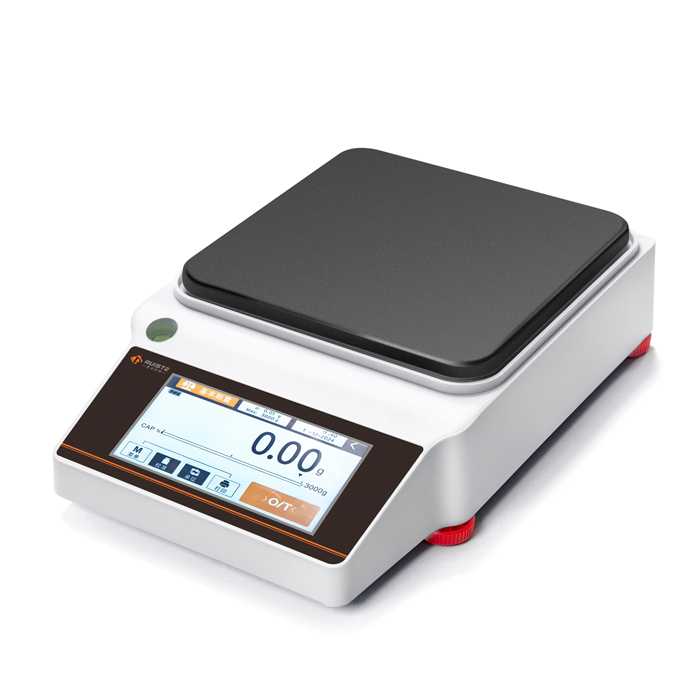
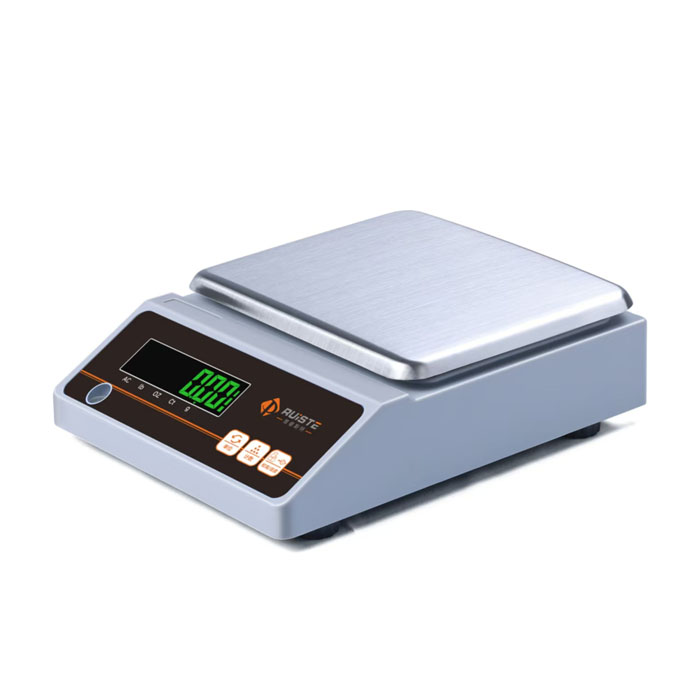
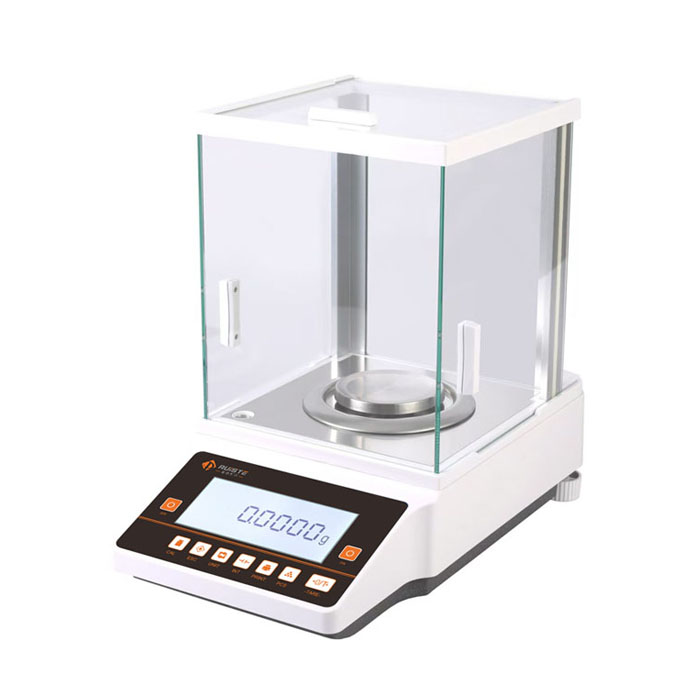
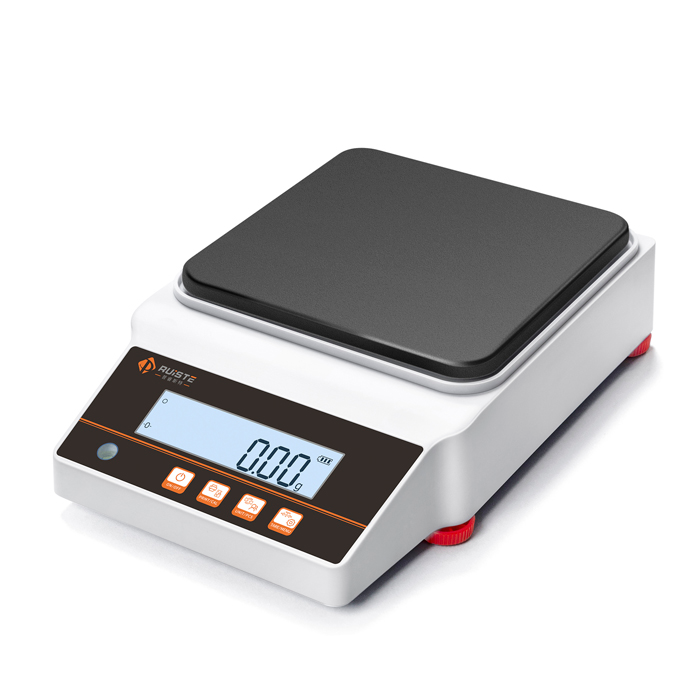
Classified by overall operating structure, precision balances are divided into top-loading and built-in closed types. The top-loading type features a simple structural layout and convenient weighing operation, allowing simple sample placement and removal without complex opening and closing procedures, suitable for weighing large-volume and conventional-weight samples. The built-in closed type is equipped with a closed weighing chamber, which can effectively isolate external interferences such as air flow and dust to ensure stable high-precision weighing data. By bearing weighing range, they cover small, medium and large range specifications. The small range is dedicated to weighing micro samples at the gram level and below, while the large range adapts to the weighing of small and medium-sized workpieces and bulk materials, meeting diversified weighing needs from lightweight scientific research samples to industrial small parts.
Core Functional Characteristics of Precision Balances
The core functions of precision balances are centered on three key aspects: accurate measurement, data stability and operational adaptability, possessing professional advantages unavailable in ordinary weighing equipment. The primary core feature is excellent measurement accuracy. The core sensing unit of the equipment has extremely high sensitivity, capable of quickly capturing tiny mass changes with extremely low repeatability errors. Multiple weighings of the same sample show minimal data deviation, preventing numerical fluctuations from affecting detection results. Secondly, they have strong operational stability. Built-in anti-interference adaptive programs can resist slight fluctuations in ambient temperature and humidity, minor ground vibrations and peripheral electromagnetic interferences. The measurement accuracy remains stable without offset during long-term continuous operation, eliminating the need for frequent debugging and calibration.
Meanwhile, modern precision balances are equipped with diverse practical auxiliary functions. In addition to basic weighing and measurement, they integrate sample counting, percentage comparison, tare zeroing, automatic calibration, data memory and other functions, enabling various measurement operations without additional auxiliary equipment and greatly improving work efficiency. In terms of operation, they feature simple operation and wide adaptability. The human-computer interaction interface is intuitive and easy to understand, with simplified debugging, zero setting and calibration operations accessible to novice users. The equipment has a fast response speed with short stabilization time for weighing readings, eliminating long waiting for fixed readings and adapting to high-frequency continuous weighing operations. In addition, the equipment is equipped with overload protection and corrosion resistance, avoiding component loss and accuracy attenuation during long-term use, with long service life and low operation and maintenance costs.
Mainstream Manufacturing Materials of Precision Balances
The material selection of precision balances follows four core principles: corrosion resistance, deformation resistance, high stability and easy cleaning. Different core components are matched with exclusive high-quality materials to balance structural strength and measurement accuracy. The outer shell of the equipment is integrally formed with high-strength alloy material, featuring solid texture and deformation resistance with excellent compression and impact resistance to withstand daily bumps and wear. It also has good insulation and anti-electromagnetic interference capabilities, isolating the impact of external environments on internal core components and preventing shell aging and cracking during long-term use.
The core weighing load-bearing pan is generally made of industrial and food-grade stainless steel with a finely polished smooth surface without dead corners. It has outstanding acid and alkali resistance and oxidation resistance, suitable for direct weighing of various chemical reagents and corrosive samples. It is easy to clean and wipe without residual sample impurities that would affect subsequent weighing accuracy. The internal core sensing and measuring components adopt high-precision alloy and special sensing materials with extremely low thermal expansion coefficients, minimally affected by temperature and humidity changes. They maintain stable structural morphology for a long time to ensure accurate and sensitive measurement sensing. The closed protective chamber is made of high-strength transparent tempered glass with good light transmission for convenient sample observation. It has excellent airtightness and impact resistance, effectively isolating air flow and dust interference while being shatterproof and highly durable.
Complete Core Structural Composition of Precision Balances
Precision balances adopt a scientifically compact overall structure with all components cooperating to ensure accurate measurement and stable operation. They mainly consist of four core modules: load-bearing weighing module, core sensing and measuring module, display and control module, and protection and adjustment module, each performing its own duties and working in coordination. The load-bearing weighing module serves as the basic load-bearing structure of the equipment, with the core components being the weighing pan and supporting base. It is mainly used for stably placing test samples and evenly dispersing sample weight to avoid measurement deviation caused by uneven stress, acting as the basic carrier for sample weighing.
The core sensing and measuring module is the core component of the precision balance, built with high-precision weighing sensors, signal transmission components and built-in calibration mechanisms. It is mainly responsible for real-time sensing of sample weight pressure, converting physical weight signals into accurate numerical signals, and automatically correcting minor measurement errors to maintain stable measurement accuracy in real time. The display and control module consists of a high-definition digital display screen and physical or touch control keys, which directly display weighing values and support operators to complete tare weighing, calibration, function switching, data retrieval and other operations for convenient and efficient human-computer interaction. The protection and adjustment module includes level adjustment foot pads, closed protective doors, overload protection components and shell protection structures. The foot pads adjust the equipment level to prevent inclination from affecting weighing accuracy; the protective structure isolates external interferences, and the overload components prevent damage to internal core components caused by sample overload, ensuring the safe and stable operation of the equipment in all aspects.
Diversified Core Application Scenarios of Precision Balances
Leveraging the advantages of high precision and stability, precision balances are suitable for various refined measurement scenarios, covering scientific research, industry, quality inspection, people's livelihood and other core fields. The scientific research experiment sector is the core application scenario, widely used in chemical, biological and material research laboratories for precise proportioning of chemical reagents, weighing of microbial samples, component detection of new nanomaterials and quantitative analysis of scientific research samples. It provides accurate data support for basic experiments and scientific research breakthroughs, ensuring the authenticity and repeatability of experimental data.
In the field of industrial production and quality inspection control, precision balances are used for incoming raw material sampling inspection, precise batching of production auxiliary materials, finished product quality spot checks and counterweight detection of small precision workpieces. Especially in the production of electronic components, hardware precision parts and fine chemical products, they accurately control product weight deviation, strictly manage production quality and prevent defective products from flowing into the market. In the food and pharmaceutical industry, they are used for pharmaceutical raw material proportioning, health food component quantification, precise addition of food additives and sampling inspection of quality inspection samples, strictly complying with the refined production management and control requirements of the industry to ensure product compliance and safety. In addition, scenarios such as jewelry and jade weighing, teaching experiments and environmental monitoring sample testing also rely on precision balances to complete accurate measurement operations, meeting the rigid needs of various lightweight and high-precision weighing scenarios.
What is Precision Balance
https://www.pruiste.com/precision-balance.html
Post Date: May 5, 2026
https://www.supplier-manufacturer.com/precision-balance/what-is-precision-balance.html

![Professional Counting Scale]()
Professional Counting Scale
In modern industrial production, warehouse management, manufacturing processing, and daily business operational workflows, the need to quantify small parts, bulk component…![Industrial Counting Scale]()
Industrial Counting Scale
In the complex and interconnected landscape of modern industrial manufacturing, warehousing logistics, and supply chain operation, the accurate quantification of small par…![Precision Analytical Balance]()
Precision Analytical Balance
In every modern laboratory setting, whether dedicated to chemical research, biological experimentation, pharmaceutical formulation development, material science exploratio…![Electronic Precision Balance]()
Electronic Precision Balance
In modern experimental research, industrial production processing, material performance testing, and fine chemical preparation work, accurate and reliable mass measurement…![What is Counting Scale]()
What is Counting Scale
In many fields such as industrial production, warehousing and logistics, hardware processing, and daily material management, the accurate counting of small materials and t…