What is Moisture Analyzer
Moisture is a core quality control indicator for solid, liquid, powder and paste materials. The moisture content inside materials directly determines product quality stability, storage life, processing adaptability and service performance. A wide range of sectors including agricultural product processing, food production, chemical raw material preparation, building materials manufacturing, pharmaceutical research and development, as well as paper and textile production, rely on accurate and efficient moisture detection and control work. As professional testing equipment designed to quantitatively measure the moisture proportion of materials, moisture analyzers can quickly and accurately obtain real-time moisture data of samples. Replacing the traditional cumbersome manual drying and weighing detection methods, these devices adapt to laboratory precision testing, on-site rapid sampling inspection, and continuous production line monitoring. They have become essential basic equipment for quality control and production process optimization across various industries. This article comprehensively elaborates on the mainstream classification, core functional features, commonly used manufacturing materials, basic structural composition and applicable scenarios of moisture analyzers, helping all industries select suitable equipment and achieve refined moisture management.
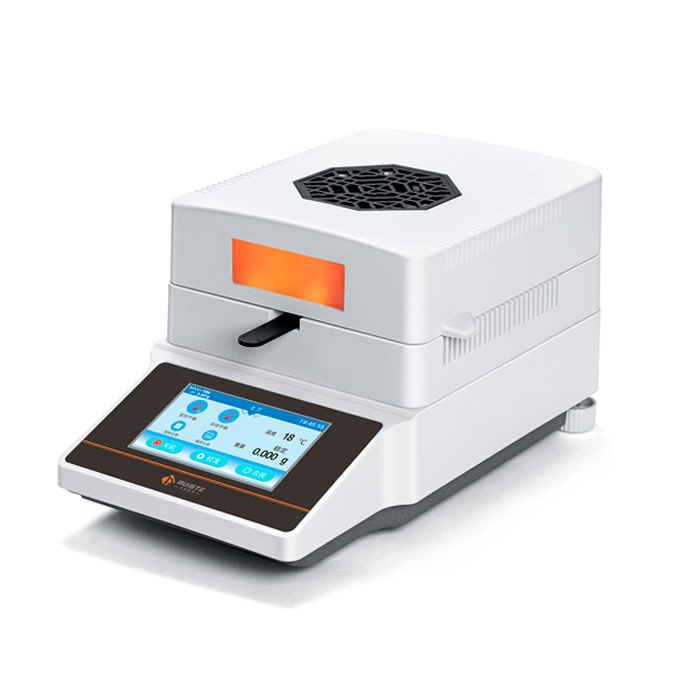
Mainstream Classification of Moisture Analyzers
Moisture analyzers come in various types, mainly classified by two core dimensions in the industry: detection principle and equipment application form. These two classification methods complement each other, fully meeting the diverse requirements for detection accuracy, efficiency and working environments. Based on the core detection principle, moisture analyzers are divided into physical detection and chemical detection types, which represent the most fundamental classification standard. Physical moisture analyzers calculate moisture content by measuring changes in physical properties such as material weight, dielectric characteristics and optical conduction. The detection process requires no chemical reagents, featuring simple operation, no secondary pollution and strong universality. Chemical moisture analyzers adopt specific chemical reactions to quantitatively determine trace moisture, delivering extremely high detection accuracy and specially designed for working conditions with low-level trace moisture measurement.
Specifically, mainstream physical detection models include thermogravimetric moisture analyzers, microwave moisture analyzers and near-infrared moisture analyzers. Thermogravimetric moisture analyzers operate on the principle of heating and drying weight loss, serving as the most widely used basic model. Microwave and near-infrared moisture analyzers support non-destructive and rapid detection without damaging test samples. The core chemical model is the Karl Fischer moisture analyzer, exclusively developed for the detection of trace and ultra-trace moisture and serving as high-precision equipment for micro-moisture measurement. By equipment application form, moisture analyzers are categorized into desktop laboratory models, portable on-site models and online continuous monitoring models. Desktop models focus on precise laboratory testing, portable models are suitable for on-site random inspection in outdoor and construction sites, and online models connect to production lines to support all-weather uninterrupted real-time monitoring. The three types of models have their own unique functions to meet the demands of different application scenarios.
Core Functional Characteristics of Moisture Analyzers
Although different types of moisture analyzers vary in detection principles and applicable working conditions, their core functions are designed to meet three key requirements: accurate moisture measurement, convenient operation and stable data performance, with each model possessing differentiated exclusive advantages. In terms of general core functions, firstly, all equipment delivers high detection efficiency, greatly shortening testing time compared with traditional natural drying methods. Conventional rapid models can generate accurate moisture data within a few minutes, and online models transmit real-time data without delaying production progress. Secondly, the detection accuracy is gradient-adaptable, allowing users to select equipment with matching accuracy according to the moisture range of materials, suitable for both high-moisture bulk materials and ultra-low trace moisture detection with controllable data errors. Thirdly, the equipment features intelligent and simplified operation, equipped with visual operation interfaces. Parameter setting, sample testing and data recording operate automatically without complex professional operation, enabling new operators to master the use with simple training.
Different models have distinct exclusive characteristics. Thermogravimetric moisture analyzers boast strong adaptability, compatible with solid, powder and paste materials without restrictions on material types and forms. Their test results conform to basic industrial detection standards, featuring stable performance and simple maintenance. Karl Fischer chemical moisture analyzers specialize in trace moisture detection, with outstanding advantages in testing low-moisture materials such as precision chemical raw materials, pharmaceutical intermediates and oil products, offering strong anti-interference capability and higher data accuracy than ordinary physical models. Microwave and near-infrared moisture analyzers support non-destructive detection without damaging sample integrity or requiring sample preprocessing, enabling rapid batch screening. Portable models are small, lightweight and long-lasting in battery life, allowing on-site sampling inspection anytime and anywhere without restrictions on venues and power supply. Online monitoring models can operate continuously for 24 hours, automatically adapting to the material conveying rhythm of production lines, feeding back real-time moisture fluctuations, facilitating timely production process adjustment and ensuring consistent product quality across batches.
Common Materials and Basic Structural Composition of Equipment
The material selection of moisture analyzers is centered on five core requirements: high temperature resistance, corrosion resistance, aging resistance, stable load-bearing and precise sensing, balancing equipment service life and detection accuracy. Different functional components are made of specially adapted materials. The equipment shell is mostly made of high-strength refined aluminum or engineering plastics. Refined aluminum features excellent heat dissipation, compression and drop resistance, and deformation resistance, suitable for long-term use in complex industrial working conditions. High-quality engineering plastics are lightweight, well-insulated and acid and alkali corrosion-resistant, widely used for the shell of portable and basic desktop models. The core heating cavity and sample holding trays are made of stainless steel, which is high temperature and oxidation resistant, does not chemically react with various materials, corrosion-resistant and easy to clean, avoiding sample residue affecting subsequent detection accuracy. The core sensing detection components adopt high-stability metal electrodes and precision sensing elements, featuring strong anti-electromagnetic interference capability and sensitive induction without data drift during long-term operation. The display observation area is made of high-strength tempered glass, which is compression and wear-resistant with good light transmittance, protecting internal components and facilitating real-time data viewing.
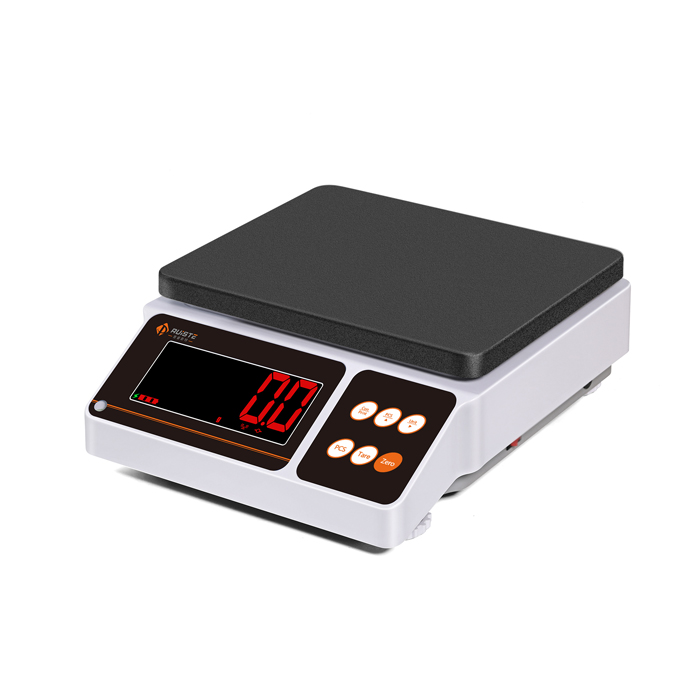
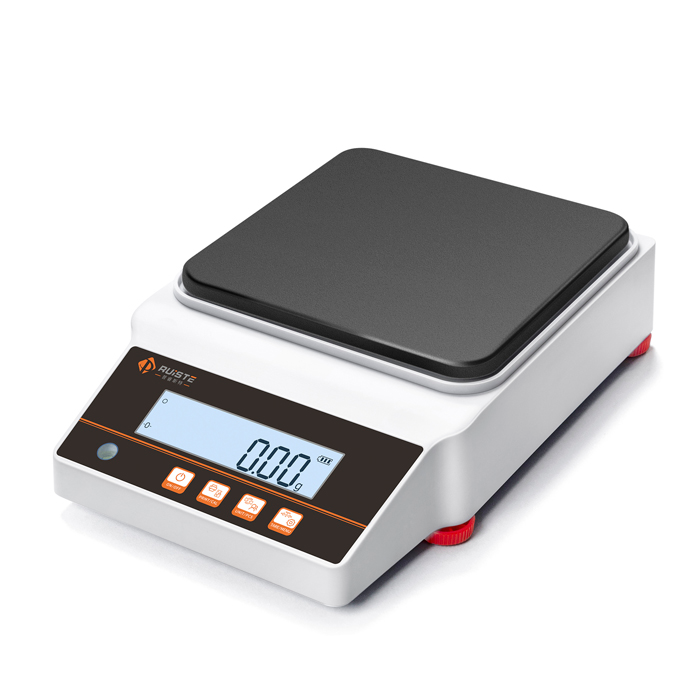
The overall structure adopts a modular design with five core modules working together to ensure smooth detection operations. The first is the human-computer interaction display module, including operation panels, high-definition displays and control keys, used for parameter setting, test starting, real-time data display and historical data query, serving as the core interaction area between operators and equipment. The second is the core detection sensing module, built with weighing, optical or chemical induction sensing elements to capture real-time changes in material weight, optical signals or chemical reaction data, providing core basis for moisture calculation. The third is the heating and reaction processing module; thermogravimetric models are equipped with heating components and constant temperature control structures, while chemical models are fitted with reaction titration cavities for sample moisture evaporation or chemical reaction quantification. The fourth is the sample bearing and placement module, including sample trays and reaction containers with specifications adapting to various material forms, featuring easy disassembly, replacement and cleaning. The fifth is the data operation and power supply module, built with computing chips and stable power supply components to calculate real-time moisture data, store test records and ensure stable continuous equipment operation.
Diverse Application Scenarios of Moisture Analyzers
With rich product types and differentiated functional advantages, moisture analyzers are widely used in material moisture control across various industries, covering the whole process of production and processing, quality inspection, warehousing management and scientific research. In the agricultural and grain and oil processing industry, they are mainly used for moisture detection of grain crops, oil crops, feed raw materials and agricultural by-products. Moisture detection before warehousing prevents mildew and caking, and moisture regulation during production ensures the taste and storage life of grain and oil products, with desktop thermogravimetric models and portable on-site sampling models being the main choices. In the food processing industry, the equipment is suitable for testing snack foods, baking raw materials, meat products, condiments and dry goods, controlling moisture content to prevent product deterioration and extend shelf life, supporting both precise laboratory testing and real-time online production line monitoring.
In the chemical and new materials industry, precision chemical raw materials, powder chemical fillers, oil solvents, resin rubber and other materials require strict trace moisture control, mostly tested by Karl Fischer moisture analyzers to avoid impaired chemical reaction effects and product performance caused by excessive moisture. In the building materials and wood industry, the equipment detects moisture in wood, boards, sand and gravel, putty powder and cement additives, controlling building material moisture content to ensure construction quality and finished product structural stability. In the pharmaceutical and cosmetics industry, it is used for trace moisture detection of pharmaceutical raw materials, pharmaceutical excipients, skin care pastes and powder raw materials to meet strict production quality control requirements. In addition, industries such as papermaking and textile, environmental sludge treatment and mineral processing are all equipped with corresponding moisture analyzers to control material moisture indicators and realize standardized production and refined quality management.
What is Moisture Analyzer
https://www.pruiste.com/moisture-analyzer.html
Post Date: May 5, 2026
https://www.supplier-manufacturer.com/moisture-analyzer/what-is-moisture-analyzer.html

![Laboratory Analytical Balance]()
Laboratory Analytical Balance
Within every professional laboratory setting, whether dedicated to chemical research, biological experimentation, material development, or environmental sample analysis, r…![Counting Precision Balance]()
Counting Precision Balance
In modern industrial production, scientific research experimentation, warehouse material management, and quality inspection workflows, the need for accurate quantitative m…![What is Weighing Scale]()
What is Weighing Scale
A weighing scale is an essential basic measuring instrument widely used in daily life, commercial operations, scientific research and laboratory work. Its core function is…![Electronic Balance YP SERIES]()
Electronic Balance YP SERIES
The YP series adopts high-definition keys, which is economical. The entire series of balances adopt Nuosheng sensors, brand sensors, and aluminum alloy structure to ensure…![Digital Viscometer Factory]()
Digital Viscometer Factory
Viscosity stands as one of the most fundamental physical properties of fluid materials, reflecting the internal friction and flow resistance that occur when fluids undergo…